OpenAI in Talks to Grant U.S. Government 5% Stake
OpenAI has engaged in discussions with the Trump administration regarding the potential transfer of a 5% equity stake in the company to the U.S. government, according to a report by the Financial Times, which cited two individuals familiar with the negotiations. At OpenAI’s valuation of $852 billion from its March funding round, this proposed stake would be worth approximately $42.6 billion.
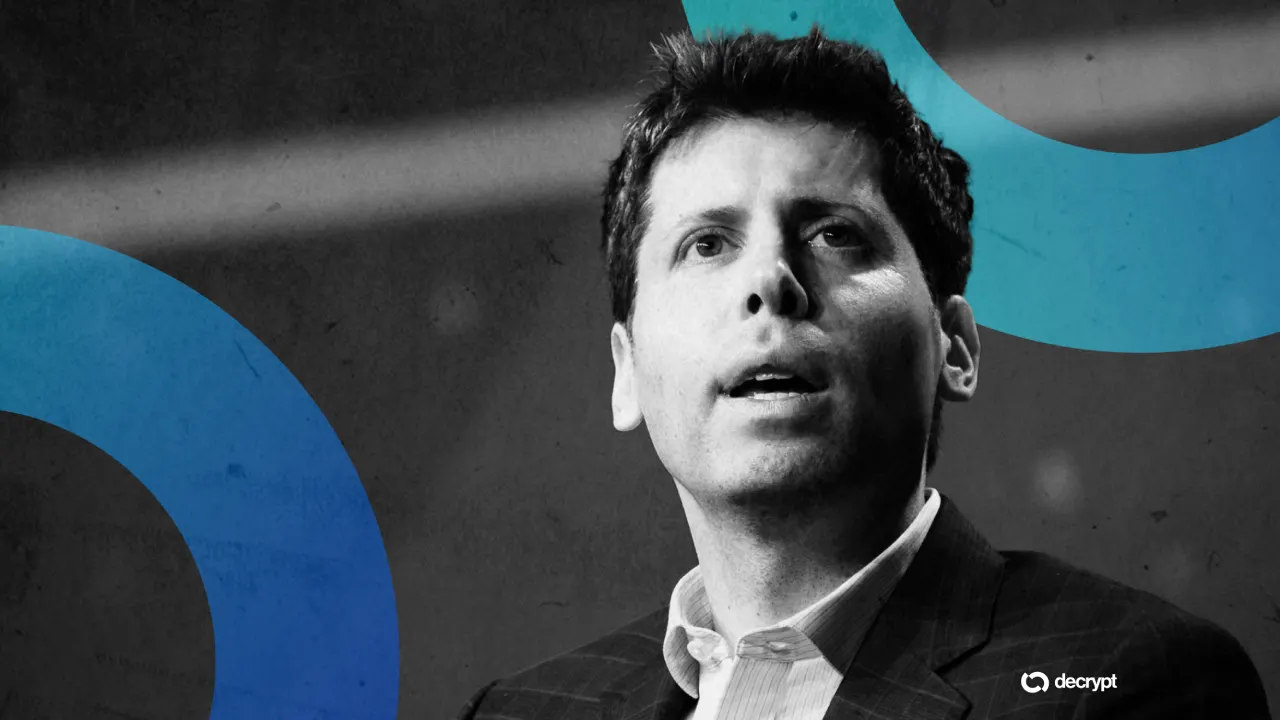
OpenAI CEO Sam Altman is reportedly framing this proposal as a means to democratize the economic benefits of artificial intelligence, asserting it as the most effective strategy to ensure Americans participate in the sector’s expansion. The Financial Times reported that Altman presented this idea directly to President Trump, Commerce Secretary Howard Lutnick, and Treasury Secretary Scott Bessent.
The proposed structure would draw inspiration from sovereign wealth funds, such as the Alaska Permanent Fund. Established in 1976, this state-owned fund invests surplus oil revenues and distributes annual dividends to state residents.
The initiative is not limited to OpenAI. Altman is reportedly seeking similar 5% equity concessions from other prominent U.S. AI developers, including Anthropic, Google, and Meta, to be channeled through the same governmental vehicle. As of now, none of these companies have indicated any interest in participating.
This development follows OpenAI’s limited release of GPT-5.6 just days prior. The White House’s Office of the National Cyber Director had requested a restricted rollout while officials worked on a testing framework for advanced AI systems. This marked the second instance of government intervention within the month. Anthropic, for example, operated under emergency export controls for much of June, with its Mythos 5 and Fable 5 models restricted, after the Defense Department had previously designated the company a “supply chain risk.” Access was reportedly restored this week.
OpenAI has demonstrated a more cooperative stance than Anthropic concerning its dealings with the U.S. government, entering into partnerships where Anthropic declined.
Equity has emerged as the administration’s preferred method for managing its relationships with technology companies. Last August, the government acquired a 9.9% stake in Intel for $8.9 billion, converting CHIPS Act grants into shares at $20.47 each. This position is now valued at well over $50 billion. AMD and Nvidia have agreed to cede 15% of their chip revenues from China in exchange for export licenses. President Trump stated in May that he believed he should have negotiated a larger stake in Intel.
The Financial Times characterized the discussions as conceptual and in their early stages, noting that any potential agreement would likely require Congressional approval.
Should this deal materialize, it would represent the first time Washington holds equity in a private AI company. For OpenAI, which is currently navigating a confidential IPO filing and an investigation by a coalition of 42 state attorneys general, the potential benefits of such an arrangement may outweigh the complexities.
Senator Bernie Sanders, who met with Altman recently, is advocating for legislation that would mandate the largest AI companies to surrender 50% of their equity to a public fund, with the proceeds distributed to Americans as direct payments. Both OpenAI and Anthropic have filed confidentially for IPOs, meaning any government equity stake agreed upon now would precede the dilution of ownership that typically accompanies a public offering.
Leave a Reply