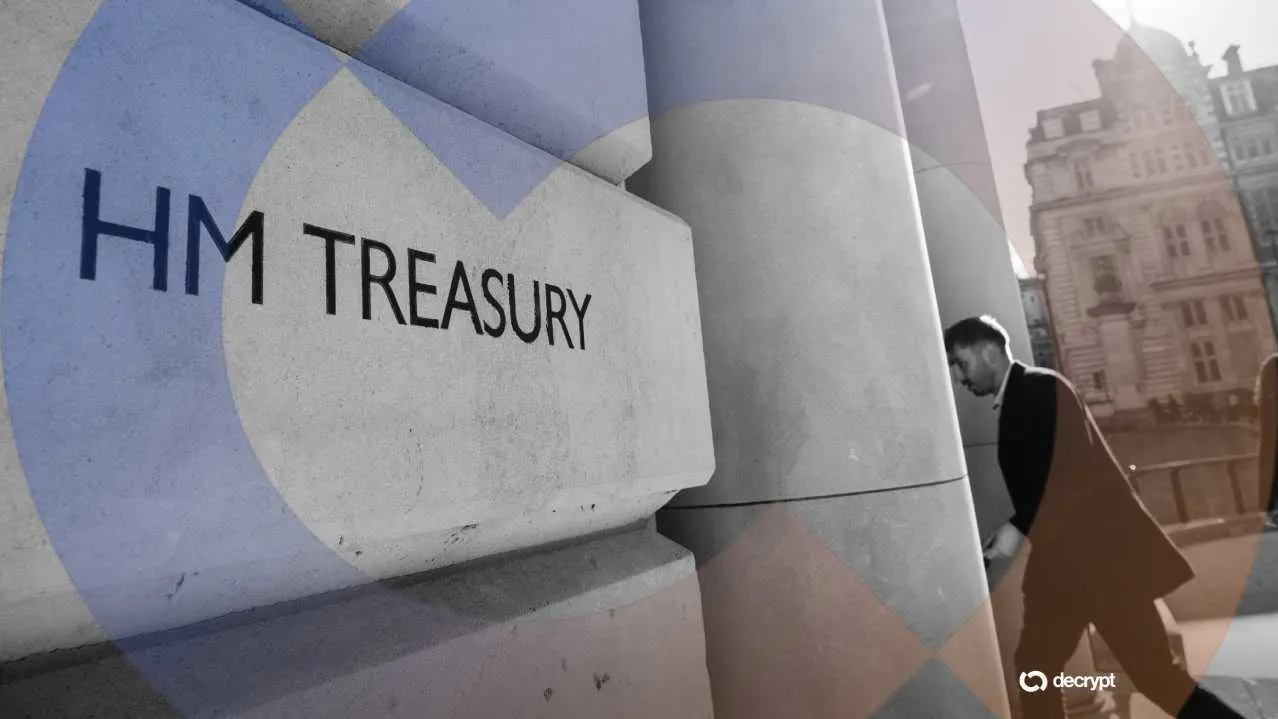
The U.S. Treasury and HM Treasury have jointly released a roadmap outlining 10 recommendations aimed at aligning regulatory approaches to stablecoins and tokenized assets. This coordinated effort seeks to facilitate cross-Atlantic blockchain-based finance by harmonizing regulations between the two major financial centers.
The recommendations, published on Tuesday, July 15, 2026, stem from the Transatlantic Taskforce for Markets of the Future, established in September 2025. The roadmap comprises five recommendations focused on digital assets and five addressing traditional capital markets. Importantly, these recommendations are not binding rules, allowing each country to proceed with its own regulatory processes while adhering to a shared direction.
Key Recommendations for Digital Assets
On the digital asset front, the taskforce proposes that regulators, including the Bank of England, FCA, SEC, and CFTC, develop common approaches to tokenized assets. This includes addressing settlement finality for tokenized securities and exploring the use of stablecoins and tokenized money market funds as collateral at clearing houses. A key proposal is the establishment of a private sector-led group to spend a year testing cross-border tokenization use cases. Furthermore, the roadmap advocates for a “multi-money ecosystem” where stablecoins, tokenized bank deposits, and other forms of digital money can coexist.
Stablecoin Principles and Global Standards
Alongside the recommendations, the U.S. and UK governments are developing a joint statement on stablecoins, emphasizing the need for a dynamic cross-border market. The statement supports the principle that payment stablecoins should be fully backed, on at least a one-to-one basis, by high-quality liquid assets. These principles align with the U.S. GENIUS Act, federal stablecoin legislation signed last year, which has an effective date of 2027. Another recommendation calls for a technology-neutral review of how the Basel Committee addresses banks’ crypto exposures.
Regulatory Context and International Alignment
This alignment initiative occurs as both nations are developing their own regulatory frameworks. The U.S. is implementing the GENIUS Act, with its 2027 effective date, while the UK’s cryptoasset regime is scheduled to take effect in October 2027. Both countries are also working to align with or precede the European Union’s Markets in Crypto-Assets (MiCA) regulation, which has been fully in force since the end of 2024 and is slated for revision in 2027.
However, the recommendations stop short of mutual recognition, meaning a stablecoin licensed in one country would still need to meet the other’s regulatory requirements to operate there. This aspect highlights an area of uncertainty regarding the precise form of future regulatory alignment or recognition between the U.S. and UK.
Industry Reaction and Future Outlook
Industry participants have reacted positively to the roadmap. Katie Harries, Coinbase’s head of policy for Europe, described the recommendations as a “critical moment for transatlantic cooperation,” noting the opportunity for the two financial centers to “reimagine global capital markets through tokenisation.”
For the UK, this initiative builds on its ambition to “minimize frictions” between the two countries, as previously suggested by Economic Secretary to the Treasury Lucy Rigby. Rigby had indicated that alignment could take the form of “some forms of recognition or alignment,” and had previously stated that digital assets hold the potential for a “complete transformation” of the country’s markets. The UK government is also advancing its own stablecoin rules, an FCA-run stablecoin sandbox, and a consultation on a unified framework for traditional and tokenized payments.
Key uncertainties remain regarding whether stablecoins and tokenized money market funds can serve as collateral at clearing houses, and the specific outcomes of the proposed private sector testing group for cross-border tokenization. The exact nature of future regulatory recognition or alignment between the U.S. and UK also remains to be determined.
Why This Matters
The materials describe a narrow update: The U. Whether stablecoins and tokenized money market funds can serve as collateral at clearing houses.
Broader Context
Source materials place the factual news in this context: The U.S. and UK have laid out a joint roadmap for aligning how they regulatestablecoins,tokenized assets, and digital money, a coordinated push by two of the world’s largest financial centres to let blockchain-based finance move more easily across the Atlantic.
Leave a Reply