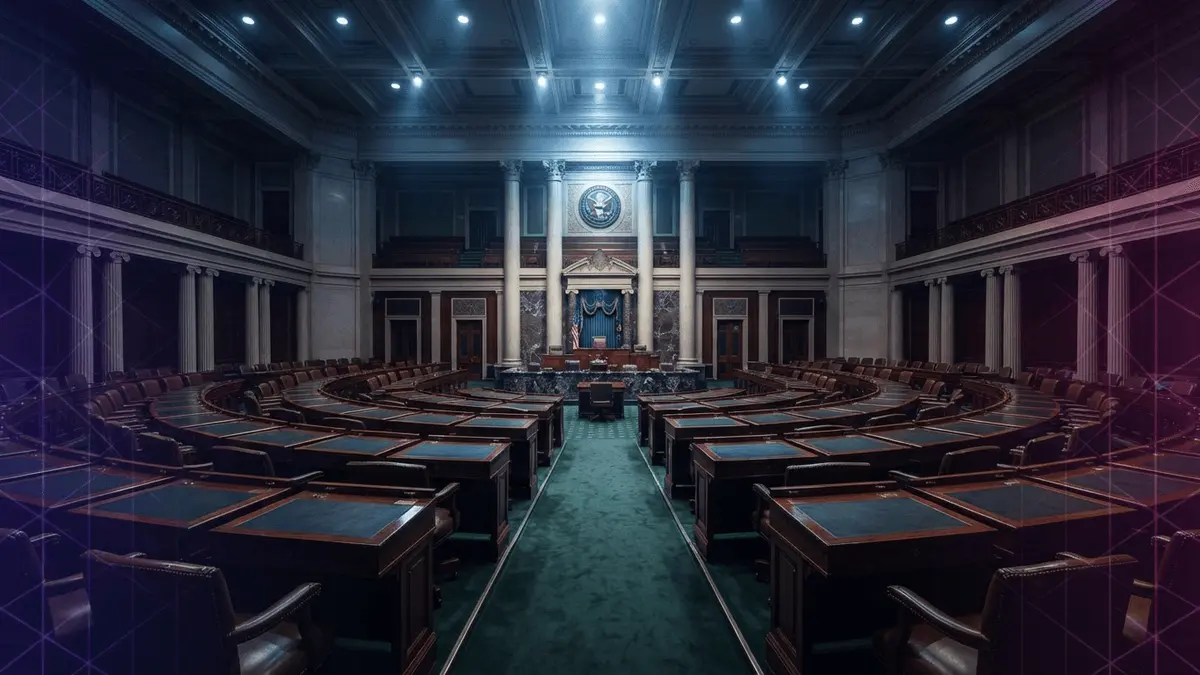
Treasury Secretary Scott Bessent is publicly urging the Senate to vote on the Crypto Clarity Act, citing economic risks and the need for consumer protection in the digital asset space. Bessent’s call to action, communicated via a statement on X and an op-ed, represents a significant effort to expedite cryptocurrency regulation.
On July 30, 2026, Bessent argued that continued congressional inaction jeopardizes the United States’ standing as a global financial leader. He emphasized that the Crypto Clarity Act, which passed the House over a year ago, incorporates essential consumer protections and compliance mandates for digital asset intermediaries. Bessent also defended the act’s Blockchain Regulatory Certainty Act provision, designed to shield decentralized software developers from specific registration requirements, noting its current support from the Fraternal Order of Police, which had previously opposed it.
Despite these arguments, legislative progress on the Crypto Clarity Act is currently stalled. The primary obstacle stems from disagreements over ethics provisions introduced by Senate Republicans in May 2026. These provisions aim to bar federal officials, including the president, from issuing or sponsoring digital assets while in office. Disclosures suggest these measures are partly intended to address activity related to President Trump’s crypto ventures, which reportedly generated over $1.2 billion in 2025. Democrats have voiced objections to these ethics proposals, citing concerns regarding their 2029 expiration date, reliance on the Justice Department for enforcement, and the exclusion of officials’ children.
Negotiations involving Senate Banking and Agriculture Committee staff have been ongoing, with bipartisan revisions to the bill reportedly developed. Senators Angela Alsobrooks and Thom Tillis appeared to reach a bipartisan agreement late last month, per The Hill’s reporting. However, it remains unresolved whether this agreement has secured sufficient support from all relevant parties within the Senate and the industry.
Bessent has framed the delay not as a substantive policy disagreement on consumer protection, but as a politically manufactured hold-up. He pointed to the passage of the GENIUS Act last year, which established a federal stablecoin framework, as evidence that bipartisan progress on digital asset legislation is achievable when the political will exists.
Meanwhile, the broader cryptocurrency market on July 30 was processing economic data, including the FOMC decision and ETF flow information. Bitcoin, a major digital asset, largely appeared unfazed by the political discussions surrounding the Senate’s legislative schedule, a trend that continued into the following trading session. The market’s muted reaction suggests that, for now, the political stalemate has not significantly impacted Bitcoin’s price action.
Why This Matters
The materials describe a narrow update: Treasury Secretary Scott Bessent used a public statement on X and an op-ed to pressure the Senate to vote on the Crypto Clarity Act. Whether the agreement between Alsobrooks and Tillis commands sufficient support from both industries remains unresolved.
Broader Context
Source materials place the factual news in this context: Treasury Secretary Scott Bessent posted a lengthy statement on X on July 30, 2026 demanding the Senate vote immediately on the Clarity Act, closing with Bitcoin creator Satoshi Nakamoto’s dismissal, that he had no time to convince those who don’t understand, in what amounted to the most aggressive public pressure campaign from a sitting Treasury Secretary on crypto legislation in recent memory.
Leave a Reply