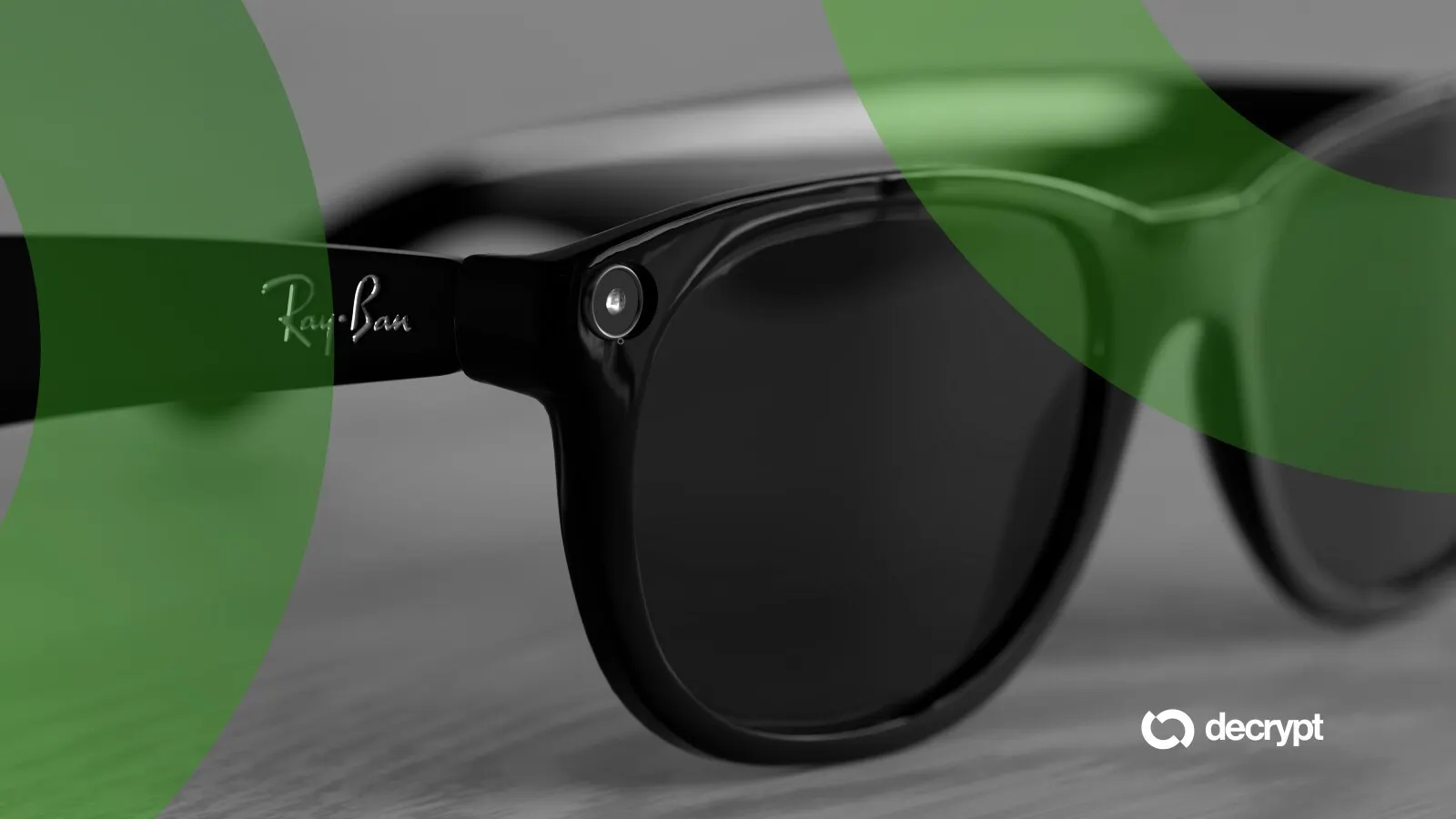
Meta’s Smart Glasses Face “Pervert Glasses” Backlash Amid Privacy Concerns
Meta is developing AI-powered smart glasses designed to serve as a smartphone replacement. However, these devices are increasingly being labeled “pervert glasses” online, and for understandable reasons.
Despite Meta’s inclusion of privacy protections in the glasses’ design, critics are raising alarms about their potential misuse and data handling practices.
Growing Public Apprehension
The backlash against AI-powered glasses is so significant that users are reportedly hesitant to wear them in public.
Genesis of the “Pervert Glasses” Moniker
The controversy surrounding Meta’s AI glasses, and the origin of their unflattering nickname, stems from several concerning incidents.
In January, a BBC investigation revealed that women were being secretly filmed with Meta’s Ray-Ban smart glasses after being approached in public. These videos were subsequently posted to TikTok without consent, garnering hundreds of thousands of views and comments. The BBC identified one account that had shared over 100 similar videos.
A joint investigation by Swedish newspapers in February uncovered that contractors in Nairobi, hired to train Meta’s AI, reviewed footage captured by the smart glasses. This footage reportedly included individuals using the bathroom, undressing, changing clothes, as well as credit card numbers and intimate moments, reigniting concerns about how such sensitive data is shared with Meta’s AI systems.
In March, Meta was hit with a class-action lawsuit alleging that the company failed to adequately disclose that human contractors could review content shared with Meta AI. Later that month, Democratic senators Edward Markey, Jeff Merkley, and Ron Wyden questioned the company regarding its reported facial recognition plans, warning that such technology could facilitate real-time identification, stalking, and harassment.
Calls for Abandonment of Facial Recognition
The ACLU, along with 75 other organizations, urged Meta in April to abandon plans to integrate facial recognition into future versions of the glasses, deeming it “a red line society must not cross.” This coalition cautioned that the technology could enable wearers to identify strangers in public and link them to personal information.
The following month, Texas Attorney General Ken Paxton launched an investigation into Meta’s AI glasses, citing concerns that the devices could secretly record individuals, collect facial data, and mislead consumers about the use of their personal information.
Attempts to Address Recording Concerns
In July, Meta updated its Ray-Ban smart glasses after users discovered methods to bypass the recording indicator light that signals when the camera is active. The update is designed to disable the camera if it detects tampering with the light, as part of a broader effort to prevent covert recording.
However, this update did little to quell the public outcry. In the same month, advocacy groups, both online and in major cities like New York, London, and Washington, initiated campaigns highlighting the privacy implications of the devices.
Regulatory and Event-Based Scrutiny
By the end of July, Police Scotland opened an investigation into a TikToker, Scott Margerison, accused of secretly filming people with Meta smart glasses. To safeguard attendees, event organizers such as Comic Con (Monopoly Events) and DEF CON have banned the devices from their venues due to privacy concerns.
Leave a Reply