Norway Considers Stricter Smart Glasses Rules, Potential Public Facial Recognition Ban
Norway is preparing to implement tighter regulations on smart glasses and is exploring a ban on facial recognition technology in public spaces, according to Digitalisation Minister Karianne Tung. The announcement came on August 25.
Tung stated that artificial intelligence is increasingly being integrated with the cameras and microphones found in smart glasses, earbuds, and caps. She emphasized Norway’s commitment to preventing such devices from being used for surveillance of individuals in public areas.
To address these concerns, Tung announced the formation of an expert group that will advise the government on safeguarding consumers from the evolving technology. In the interim, she urged both public and private organizations to establish their own internal guidelines while new legislation is being developed. No specific timeline for these measures has been provided.
Finn Lützow-Holm Myrstad, head of digital policy at the Norwegian Consumer Council, expressed support for the government’s initiative. However, he suggested that retailers should suspend sales of smart glasses until the legal framework is finalized.
Myrstad highlighted that Meta’s facial recognition technology is already developed and awaiting deployment. He cautioned that a ban on this feature would not prevent users from covertly recording individuals, underscoring the “enormous” potential for misuse.
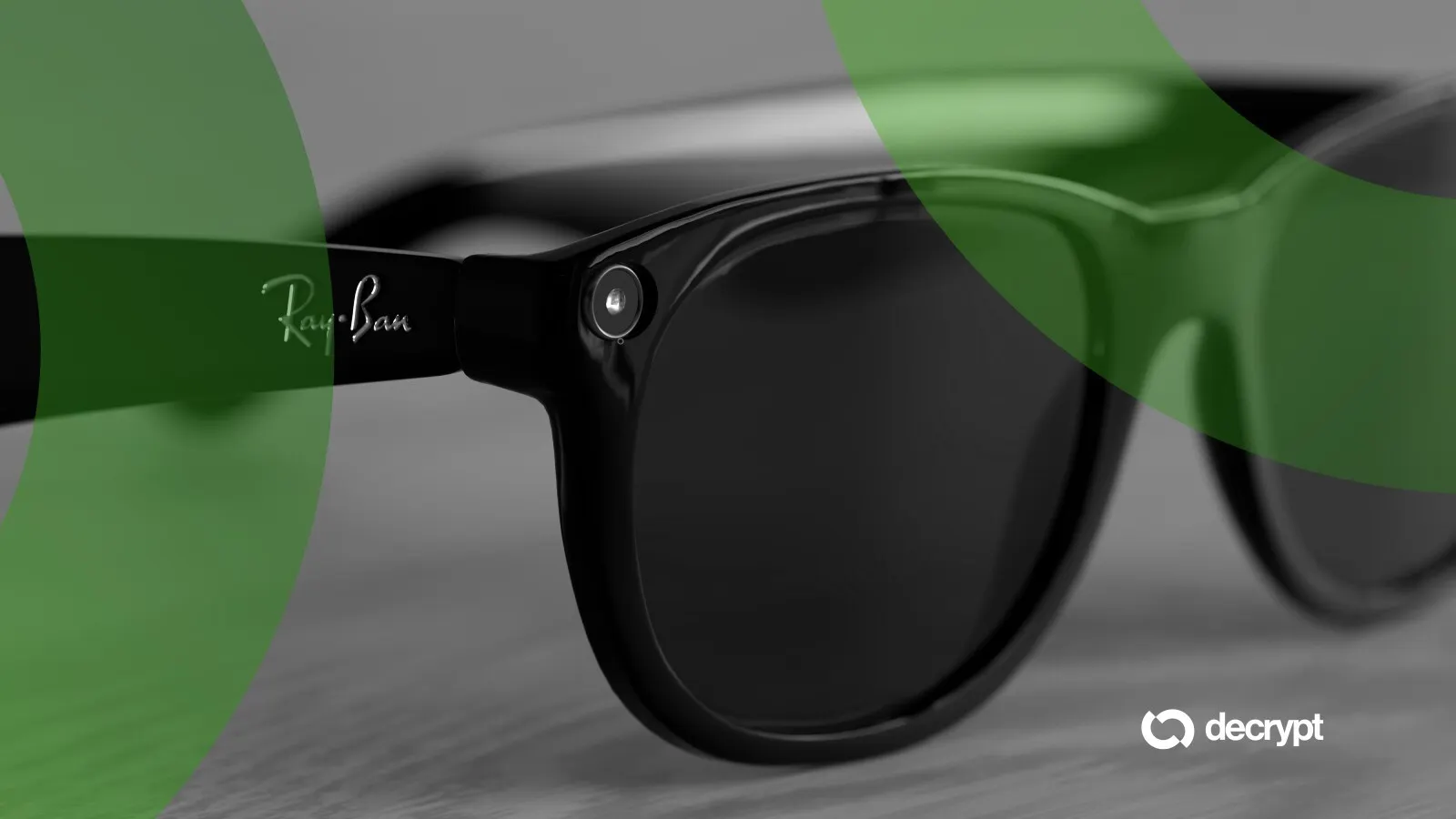
An investigation by ABC News in January revealed instances where women were secretly filmed using Ray-Ban Meta glasses after being approached in public, with the footage subsequently shared on TikTok. In February, Swedish newspapers reported that Nairobi-based contractors tasked with training Meta’s AI had reviewed recordings of people undressing, using restrooms, and engaging in sexual activity.
In April, the ACLU and 75 other organizations called on Meta to discontinue facial recognition in its smart glasses, deeming it a boundary society should not cross. Texas Attorney General Ken Paxton launched an investigation in May, and Meta released a patch in July after users discovered methods to circumvent the indicator light signaling recording.
Meta has since patented eyewear capable of recognizing faces and logging user activities. Meanwhile, the privacy-focused search engine DuckDuckGo reported that its intentionally camera-free “Normal F*ing Sunglasses” sold out in less than a week.
Comic Con organizer Monopoly Events and the DEF CON security conference have both prohibited the use of smart glasses at their venues. In July, Police Scotland initiated an investigation into a TikTok user accused of filming people with such a device.
Norway would be among the pioneering nations to enact specific legislation for these types of devices. Tung’s ministry has not yet indicated when the expert group will convene or when a legislative bill might be introduced.
Leave a Reply