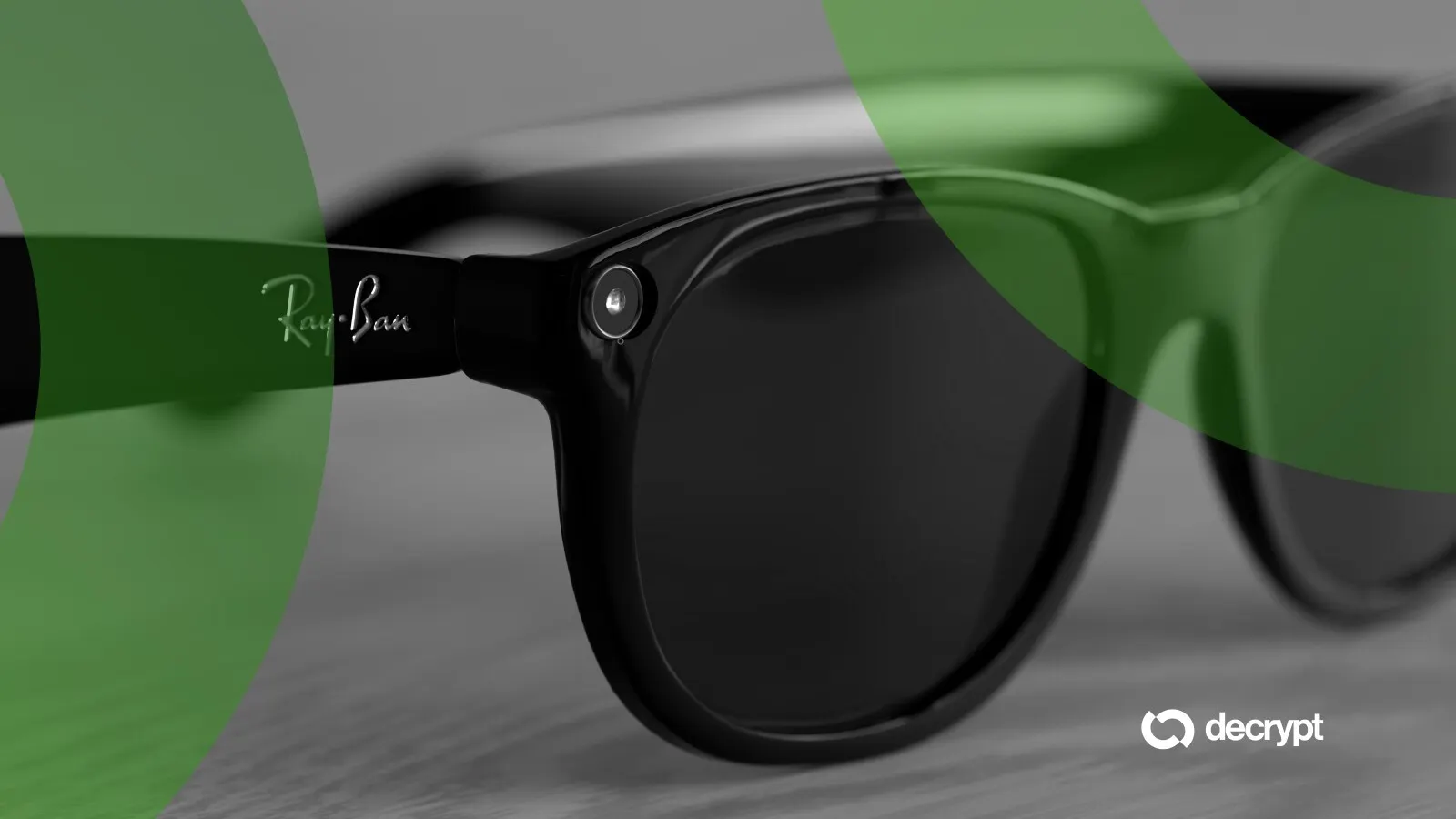
US police departments are issuing internal warnings about Meta’s camera-equipped glasses, citing concerns that the devices could be used to covertly record inside sensitive facilities such as correctional centers and police buildings. Memos circulated among law enforcement agencies highlight potential security and counterintelligence threats posed by the technology.
Internal Memos Detail Security Concerns
The New York Police Department’s counterterrorism bureau was among the first to raise alarms, circulating a memo in January that described Ray-Ban Meta glasses as a “security and counterintelligence” threat. According to the memo, covert recording inside a facility could expose “cell layouts, camera placements, or officer patrol/site protection routines.” These memos were obtained under freedom of information requests.
Incidents Amplify Concerns
Further concerns were amplified by instances of recordings being made and shared. A TikTok video posted in July 2025 reportedly showed the interior of a South Carolina detention center, with the wearer mentioning their glasses and the blinking light. The wearer also commented, “People don’t know about Meta glasses.” The South Carolina detention center was reportedly under federal investigation over unsafe conditions.
Agency Policies Adapt
Federal agencies are also implementing policies to restrict the use of such devices. The Department of Homeland Security’s joint counterterrorism assessment team and fusion centers in New York, Maine, Virginia, Tennessee, and San Diego have also circulated memos. In August, Immigration and Customs Enforcement informed staff that smart glasses count as body-worn cameras and are therefore prohibited in the federal workspace.
AI Capabilities and Doxing Risks
Maine’s memo noted that some glasses can leverage AI software, including facial recognition, which could potentially lead to the doxing of officers. This capability raises concerns about the privacy and safety of law enforcement personnel.
Meta’s Response and Counterarguments
Meta has stated that its glasses are designed to be noticed, pointing to a blinking light that activates when recording. However, the incident in South Carolina suggests that this indicator may not always be sufficient to alert individuals to the recording.
Advocates like Ryan Shapiro have offered a different perspective, suggesting that the objection to Meta glasses being used to record police facilities is self-serving. Shapiro stated, “These agencies surveil the public incessantly, but the moment we can watch them back, it’s deemed a security threat.” He added, “When only the government is allowed to hold the camera, that’s not security. It’s impunity.”
Remaining Uncertainties
Uncertainties remain regarding the extent to which Meta glasses are actively being used for covert recording in police facilities across the U.S., the effectiveness of the recording indicator light, and the prevalence of AI software capabilities in devices being used in the field. Meta has also faced objections over covert filming in other contexts and has plans to add facial recognition technology to its products.
Why This Matters
The materials describe a narrow update: Police forces across the US are concerned that Meta’s camera-equipped glasses pose a security risk due to their ability to covertly record inside sensitive facilities like jails and police stations. The extent to which Meta glasses are actively being used for covert recording in police facilities across the US.
Broader Context
Source materials place the factual news in this context: The memos were obtained under freedom of information requests.
Leave a Reply