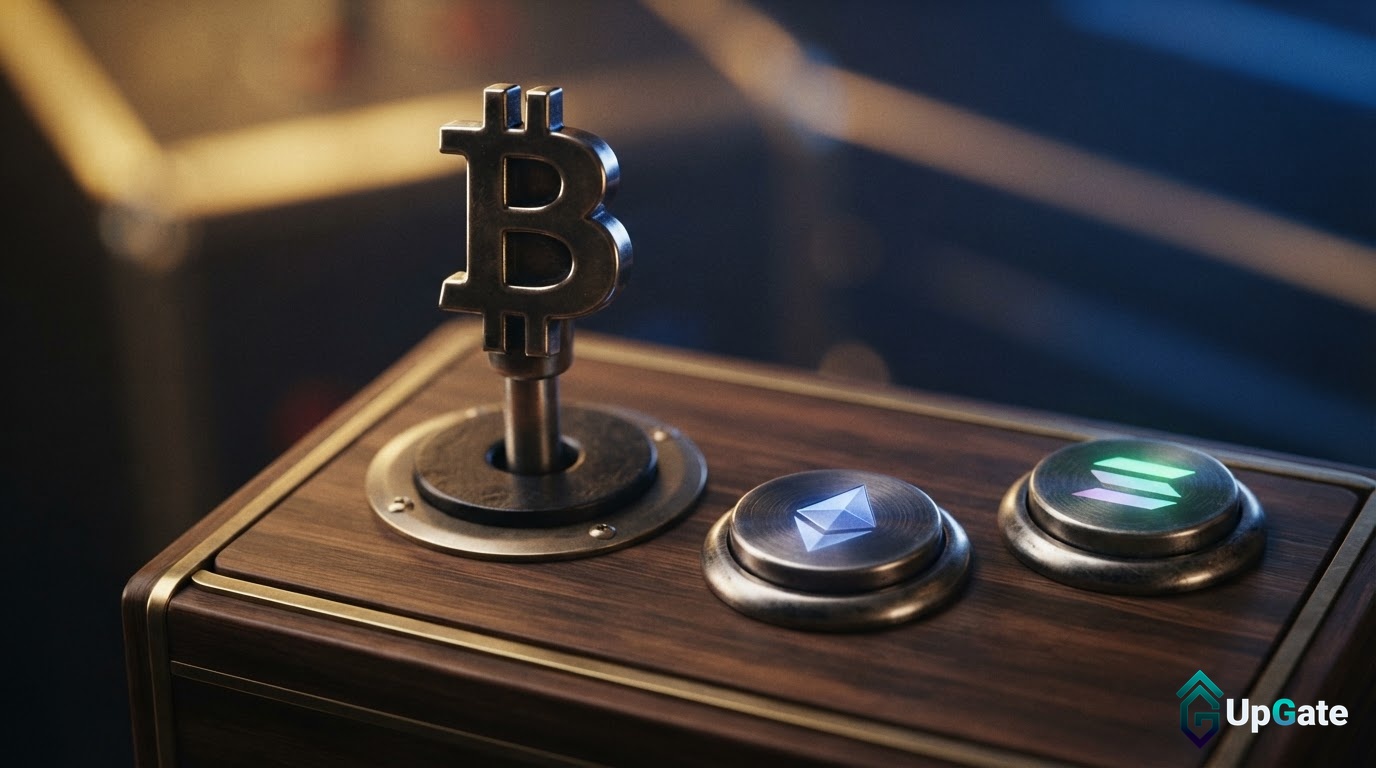
The Web3 gaming sector is undergoing a significant market correction, forcing a fundamental re-evaluation of its value proposition. The industry’s focus is shifting decisively from speculative tokenomics and economic incentives towards the intrinsic quality and fun factor of games, a move that industry observers suggest is crucial for long-term viability and broader adoption.
The easy-money phase for Web3 gaming is over, with capital becoming increasingly selective. Projects that fail to deliver genuinely entertaining experiences are disappearing faster. This trend, while potentially painful, is seen by some as a necessary maturation for the sector. It contrasts with the earlier generation of play-to-earn games, which benefited from novelty, where the economic loop itself served as a primary attraction, allowing for simpler gameplay.
However, this model had inherent limitations. Games overly sensitive to token prices or reliant on a constant influx of new users to sustain rewards proved fragile. The current, healthier approach prioritizes the game itself. Blockchain technology is increasingly being viewed as infrastructure that can enhance gameplay through optional features like clear ownership, portable assets, open marketplaces, or transparent rewards, rather than being the core identity of the product. This mirrors the success of mainstream software, where users engage with the experience, not the underlying database architecture.
Market Correction and Maturation
Industry snapshots from August 2026 indicate a market that remains active, with industry trackers counting over 2,300 gaming dapps and a multi-billion-dollar gaming-token market. However, traditional venture funding into the sector during the same period was notably scarce, according to another monthly report. This suggests that while Web3 gaming has not disappeared, the assumption that every project deserves to survive solely based on its blockchain integration has faded. This is a normal progression for a mature entertainment market, where, like traditional gaming, most projects do not achieve widespread success.
The Evolving Role of Digital Ownership
The value of digital ownership in games is not being dismissed. Games have long featured complex virtual economies with items like skins, collectibles, and land. The evolving question for Web3 is whether blockchain can enhance the value of these assets through clearer ownership, more open trading, or cross-ecosystem identity. The answer is likely to vary significantly across different game genres, from competitive shooters to persistent virtual worlds.
Creator Economy Frontier
Beyond in-game mechanics, a significant opportunity for blockchain integration lies in supporting the external creator economy that surrounds modern games. Streamers, video editors, modders, and communities generate substantial economic activity. However, this layer faces challenges such as fragmented payments, difficulty in coordinating campaigns, and opaque reward systems.
Blockchain technology, with its ability to facilitate cross-border payments, coordinate incentives through tokens, and provide transparent on-chain systems, is well-positioned to address these issues without requiring players to engage with crypto before enjoying a game. Wanted Network is presented as a project focusing on this external creator economy. Its Missions system offers creators structured challenges with defined objectives and reward opportunities, allowing them to build reputation and earn WNTD-powered rewards.
Wanted Network’s advertiser model is designed to connect campaign demand with WNTD usage, potentially creating market demand for the token and facilitating token burns. The success of this model, like any token economy, will ultimately depend on genuine activity, with creators valuing the opportunities and brands finding value in the output.
Uncertainties and Future Outlook
Several uncertainties remain regarding the future of Web3 gaming. The long-term success of models like Wanted Network hinges on real-world engagement. The extent to which blockchain-enhanced digital assets will gain value for players is still unfolding, and the optimal application of blockchain technology will likely differ across game types. Ultimately, the credibility of blockchain in gaming will grow as users focus on the experience rather than the technology itself. For games that can demonstrate their inherent fun and value independent of their token, blockchain has the potential to become a genuine advantage.
Why This Matters
The materials describe a narrow update: The Web3 gaming sector is experiencing a market correction where projects are increasingly judged on gameplay rather than solely on economic incentives like tokens and NFTs. The long-term success of Wanted Network’s model will depend on real activity from creators and brands.
Broader Context
Source materials place the market analysis in this context: Web3 gaming has spent years promising that blockchain would change what it means to own, earn, and trade inside games.
Leave a Reply