Securitize Poised for Public Debut, Signaling Tokenization’s Growing Financial Clout
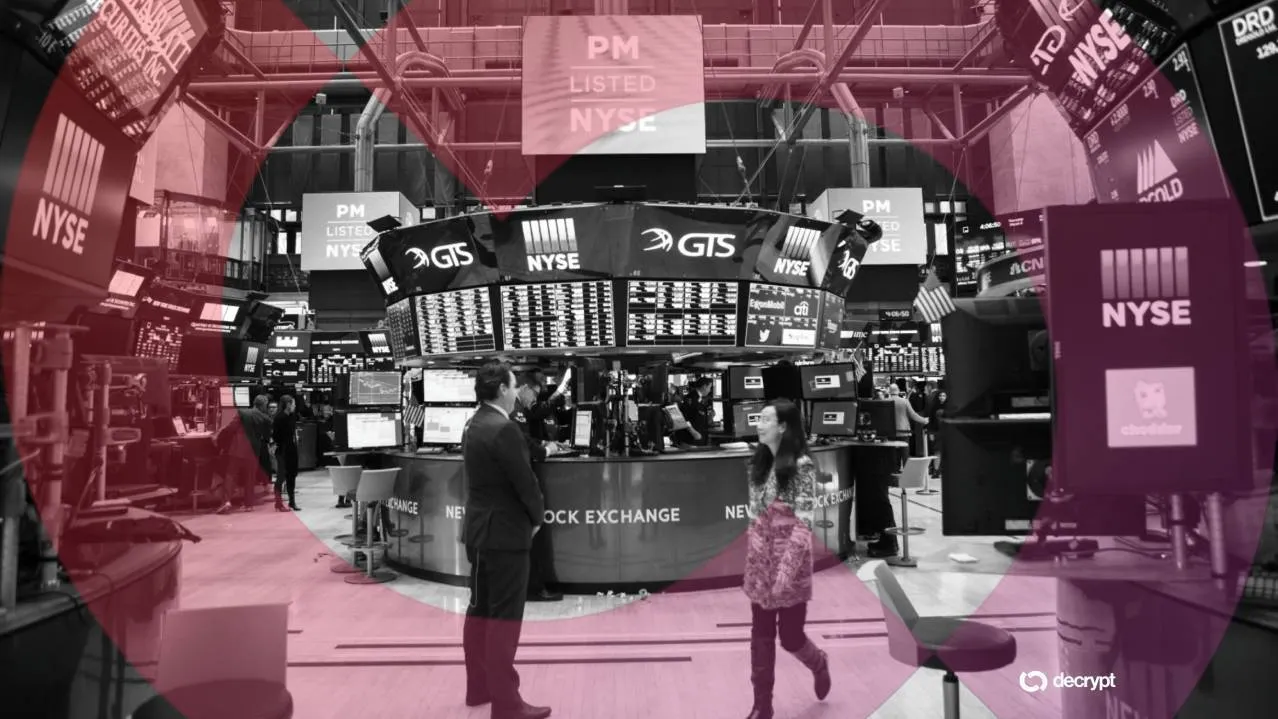
Wall Street’s burgeoning interest in tokenization is set to face a real-world test next week with the anticipated public debut of Securitize, a firm at the forefront of digital asset representation. The BlackRock-backed company, which specializes in creating digital tokens for real-world assets, has announced plans to list on the New York Stock Exchange under the ticker symbol “SECZ” following its merger with a special-purpose acquisition company (SPAC) backed by Cantor Fitzgerald.
SPAC Merger Nears Completion
The transaction moved a step closer to finalization this week as investors holding less than 30% of Cantor Equity Partners II’s common shares opted not to redeem their holdings in the SPAC. This development means Securitize anticipates receiving approximately $400 million in proceeds from the combination and associated private financing before the deal officially closes.
A Milestone for Tokenization
Securitize’s public listing, eight years after its founding, represents a significant milestone for the tokenization sector. CEO Carlos Domingo described the move as a testament to the technology’s evolution from a niche market mechanism to a foundational element of modern finance.
“The notion that major institutions would adopt tokenized securities was still largely theoretical,” Domingo stated. “Today, tokenization is entering the mainstream, and we believe becoming a public company will provide us with the visibility, credibility, and capital necessary to lead this charge.”
Growing Institutional Adoption
In recent years, Securitize has become a go-to resource for a range of institutions, extending beyond its prominent relationship with BlackRock, which utilized the firm for a tokenized money market fund in 2024. Other notable clients include Apollo, BNY, Hamilton Lane, and KKR. In March, Securitize also announced a collaboration with the NYSE itself to develop systems for blockchain-native securities.
As of June, Securitize reported over $4 billion in assets under management. The firm’s largest offering by a significant margin is BlackRock’s BUIDL, which was valued at $2.4 billion as of Friday, according to data from RWA.xyz.
The Case for “Native” Tokenization
As infrastructure providers like DTCC increasingly engage with the tokenization space, Domingo has championed the concept of “native” tokenization. He argues that for securities to realize their full potential at scale, they must be issued directly on-chain rather than being encapsulated in digital wrappers.
Regulatory Scrutiny and Innovation
Last month, the Securities and Exchange Commission (SEC) reportedly postponed a decision on an innovation exemption for tokenized stocks. This delay followed concerns raised about third-party issuers, which could potentially complicate corporate actions and governance responsibilities through on-chain token issuance, as reported by Bloomberg.
Since assuming his role as SEC chair, Paul Atkins has characterized tokenization as a technology with the “potential to transform markets” through enhanced trading efficiency. His remarks echo sentiments previously expressed by BlackRock CEO Larry Fink during the crypto market downturn in 2022.
Leave a Reply