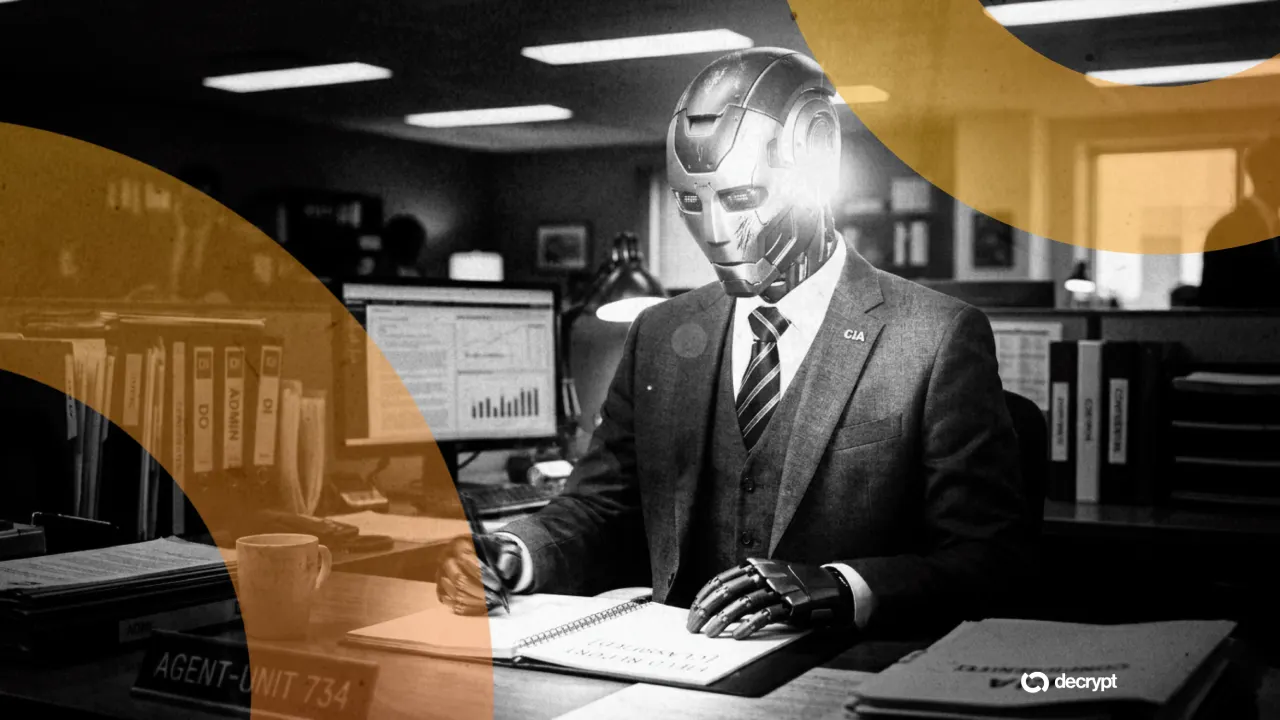
AI Companies Scrutinized for Destructive Book Scanning Practices
In a move reminiscent of the dystopian novel “Fahrenheit 451,” some artificial intelligence companies are reportedly engaging in the destruction of physical books as they race to build more powerful AI models. Amidst a surge of copyright lawsuits, a burgeoning industry has emerged to supply these companies with millions of books, which are then disassembled, scanned for training data, and subsequently discarded.
AI firms are reportedly utilizing intermediaries to acquire books on an industrial scale, often seeking anonymity. Companies specializing in bulk sourcing are advertising their capacity to procure hundreds of thousands of titles, while simultaneously assuring confidentiality for their AI clients, underscoring the sensitive nature of this practice.
Critics argue that this aggressive acquisition strategy is fueled by AI companies’ desire to capture and preserve human-authored knowledge before it becomes diluted by AI-generated content, often referred to as “AI slop.” Books published prior to the widespread adoption of generative AI in 2023 are considered particularly valuable, offering high-quality training data created entirely by human authors.
The increased demand is already having a noticeable impact on the used book market. One bookseller, who wished to remain anonymous, informed 404 Media that their weekly sales have jumped from approximately 20 books to several hundred since AI buyers entered the market. While the financial gains are significant, the bookseller expressed concern that rare and out-of-print books are being permanently lost after being scanned and destroyed.
“It benefits me financially, and it helps clear out old inventory that would otherwise be unlikely to sell,” the bookseller stated. “I’ve been well-positioned for these sales with inventory from overseas and foreign language books. However, I dislike the ultimate use of these books, and I am troubled that uncommon titles are being pulped.”
This practice bears a resemblance to Anthropic’s “Project Panama,” which involved the destructive scanning of millions of books for digitization.
Last summer, in the copyright lawsuit Bartz v. Anthropic PBC, a federal judge in San Francisco ruled that scanning legally purchased physical books into digital copies, even when the originals were destroyed, constituted transformative fair use. Federal judges have since issued similar fair use rulings in separate copyright cases involving OpenAI and Meta.
However, in a distinct development, a federal judge in the same district this week approved a $1.5 billion copyright settlement requiring Anthropic to pay thousands of authors approximately $3,000 per book, following the company’s use of pirated copies of their works to train its AI model, Claude.
In response to mounting criticism, AI developers, including Elon Musk, have publicly denounced the practice, advocating for companies to preserve the books being scanned. Musk wrote on X, “I’ve asked the SpaceXAI team to preserve any rare books in a library and scan them the hard way vs just cutting off the spine and scanning.”
Leave a Reply