Author: Admin_Up

  • تحلیل قیمت اتریوم: بازگشت ۳ هزار دلار پس از بازپس‌گیری ۲.۵ هزار دلار توسط ETH

    تحلیل قیمت اتریوم: بازگشت ۳ هزار دلار پس از بازپس‌گیری ۲.۵ هزار دلار توسط ETH

    تحلیل قیمت اتریوم: بازگشت به محدوده ۳ هزار دلاری پس از عبور ETH از ۲.۵ هزار دلار

    اتریوم در تلاش است تا تثبیت پس از رالی خود را به یک وضعیت ادامه‌دار تبدیل کند. این ارز دیجیتال همچنان در نزدیکی سقف محدوده خود فشرده شده است و یک شکست پایدار می‌تواند پایه‌ای برای یک موج صعودی دیگر فراهم کند، هرچند که نوسان اخیر ناشی از شاخص قیمت مصرف‌کننده (CPI) نیاز به تأیید را برجسته می‌کند.

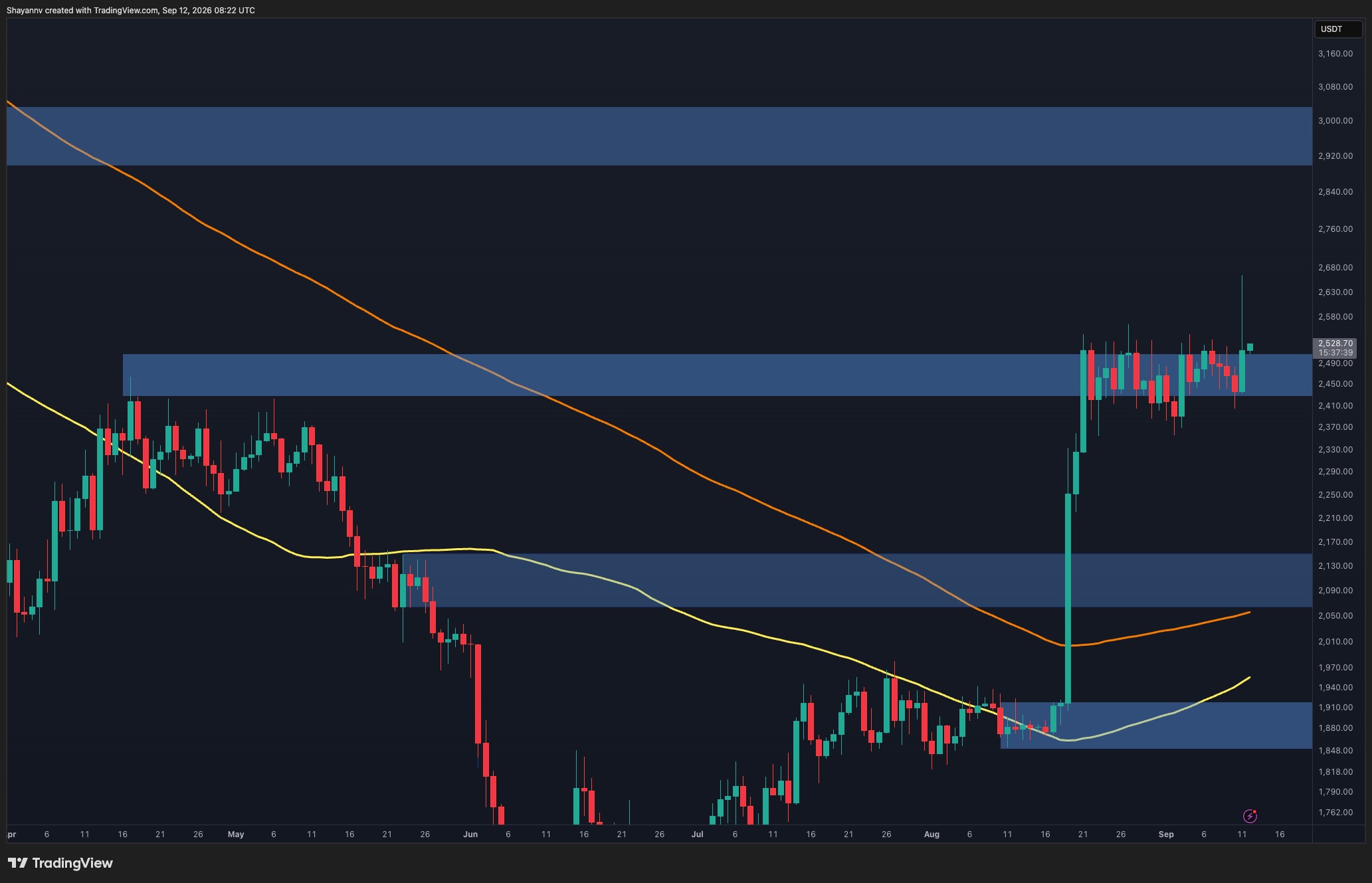
    در تایم فریم روزانه، ETH همچنان سود قابل توجهی را که از شکست انفجاری ماه اوت به دست آورده، حفظ کرده است. مهم‌تر از آن، بازار با وجود تست مکرر منطقه ۲.۴۳ هزار تا ۲.۵۲ هزار دلاری، از اصلاح قابل توجهی اجتناب کرده است، که نشان می‌دهد فروشندگان تاکنون نتوانسته‌اند قیمت را به سمت مناطق حمایتی پایین‌تر بازگردانند.

    تثبیت فعلی در حدود منطقه مقاومت ۲.۴۵ هزار تا ۲.۵۲ هزار دلاری در حال وقوع است و ETH اکنون در نزدیکی ۲.۵۲ هزار دلار معامله می‌شود. یک شکست روزانه قانع‌کننده و بسته شدن قیمت بالای این منطقه، ساختار صعودی را تقویت کرده و می‌تواند راه را به سوی قیمت‌های بالاتر باز کند. در این صورت، مقاومت عمده بعدی که در نمودار قابل مشاهده است، در حدود منطقه ۲.۹۲ هزار تا ۳.۰۳ هزار دلاری قرار دارد.

    با این حال، بازار هنوز نیاز دارد تا پذیرش بالای مقاومت فعلی را تثبیت کند. عدم انجام این کار، ETH را در برابر چرخش مجدد در داخل محدوده آسیب‌پذیر می‌سازد. منطقه ۲.۰۵ هزار تا ۲.۱۴ هزار دلاری، منطقه حمایتی روزانه قابل توجه بعدی در پایین است، در حالی که میانگین‌های متحرک نیز به تدریج در زیر قیمت به سمت بالا در حال چرخش هستند.

    نمودار ۴ ساعته

    نمودار ۴ ساعته دید واضح‌تری از تلاش فوری برای شکست ارائه می‌دهد. ETH چندین هفته را در محدوده‌ای تقریباً بین ۲.۳۵ هزار تا ۲.۵۶ هزار دلار سپری کرده و به طور مکرر هر دو انتها را رد کرده بدون اینکه یک حرکت جهت‌دار پایدار ایجاد کند.

    آخرین نوسان ناشی از CPI به طور خلاصه قیمت را به بالای سقف محدوده ۲.۵۶ هزار دلاری رساند و سایه آن تا ۲.۶۶ هزار دلار کشیده شد، اما خریداران نتوانستند شکست را حفظ کنند و ETH به سرعت به داخل ساختار بازگشت. این فیک‌اوت (fakeout) مهم است زیرا نشان می‌دهد صرفاً معامله در بالای محدوده کافی نیست. بازار برای تأیید یک شکست ساختاری واقعی باید بالای سطح مقاومت ۲.۵۶ هزار دلاری باقی بماند.

    با این حال، ETH به جای تجربه یک رد شدید، دوباره به سمت مرز بالایی بهبود یافته است. اگر خریداران بتوانند پذیرش بالای ۲.۵۶ هزار دلار را تضمین کنند، تثبیت می‌تواند به یک موج صعودی دیگر منجر شود.

    برعکس، یک رد دیگر، محدوده را دست نخورده نگه می‌دارد و ابتدا منطقه حمایتی ۲.۴۳ هزار تا ۲.۴۵ هزار دلاری را در معرض خطر قرار می‌دهد. یک شکست قاطع‌تر زیر کف محدوده در حدود ۲.۳۵ هزار دلار، سناریوی ادامه را تضعیف کرده و می‌تواند توجه را به منطقه حمایتی ۲.۲۲ هزار تا ۲.۲۷ هزار دلاری معطوف کند.

    تحلیل CVD اسپات ۹۰ روزه

    شاخص ۹۰ روزه Spot Taker CVD (تفاوت تجمعی بین حجم خرید بازار و حجم فروش بازار) را ردیابی می‌کند. افزایش مثبت CVD نشان‌دهنده تسلط خریداران است، در حالی که کاهش خوانش منفی نشان‌دهنده فروش تهاجمی قوی‌تر است.

    آخرین داده‌ها نشان‌دهنده تغییر قابل توجهی به سمت رنگ سبز است که نشان می‌دهد خریداران پس از شرایط خنثی‌تر مشاهده شده در طول ماه‌های ژوئیه و اوایل اوت، دوباره غالب شده‌اند. این انتقال با بازیابی ETH به سمت منطقه ۲.۵ هزار دلاری همزمان شده و بنابراین یک سیگنال سازنده برای تثبیت فعلی است.

    اگر تسلط خریداران ادامه یابد در حالی که ETH خود را بالای مقاومت محدوده تثبیت می‌کند، این ترکیب تأیید قوی‌تری مبنی بر اینکه تقاضا از یک موج صعودی دیگر حمایت می‌کند، ارائه خواهد داد. از دست دادن این تسلط سمت خرید، به ویژه در کنار یک شکست ناموفق دیگر، در عوض نشان می‌دهد که تقاضای تهاجمی هنوز به اندازه کافی قوی نیست که بتواند حرکت را حفظ کند.
  • تحلیل قیمت ریپل: سقف‌های پایین‌تر متوالی، دردسر برای XRP پیش از هفته‌ای حساس

    تحلیل قیمت ریپل: سقف‌های پایین‌تر متوالی، دردسر برای XRP پیش از هفته‌ای حساس

    تحلیل قیمت ریپل: سقف‌های پایین‌تر متوالی، دردسر را برای XRP در آستانه هفته‌ای حساس پیش‌بینی می‌کنند

    ارز دیجیتال XRP ریپل همچنان در مسیری نامشخص پس از جهش ماه اوت خود قرار دارد و تلاش‌های مکرر خریداران برای بازپس‌گیری کنترل، پیش از رسیدن به سطوح بالاتر، با مقاومت مواجه شده است. فشردگی فعلی بازار را در نقطه‌ای حیاتی قرار داده است؛ حفظ سطوح حمایتی نزدیک می‌تواند در نهایت زمینه‌ساز تلاش مجدد برای بازیابی قیمت باشد.

    در نمودار روزانه، XRP پس از رشد شدید از حدود ۰.۹۹ دلار به بالای ۱.۵۰ دلار، در حال تثبیت است. از زمان این جهش اولیه، قیمت شاهد شکل‌گیری دنباله‌ای از سقف‌های پایین‌تر بوده، در حالی که همچنان بالای ساختار حمایتی گسترده‌تر باقی مانده و یک کانال نزولی را تشکیل داده است.

    این دارایی در حال حاضر حدود ۱.۳۷ دلار معامله می‌شود که نزدیک به سطح ۰.۵ فیبوناچی اصلاحی در ۱.۳۴ دلار است. این امر منطقه ۱.۳۳ تا ۱.۳۴ دلار را به یک ناحیه حمایتی مهم در کوتاه‌مدت تبدیل می‌کند. تاکنون، خریداران به نظر می‌رسد از این سطح دفاع می‌کنند، اما بازگشت قیمت همچنان محدود است.

    در صورت از دست رفتن این سطح، هدف نزولی مهم بعدی در حدود سطح ۰.۶۱۸ فیبوناچی در ۱.۲۶ دلار قرار دارد. این منطقه همچنین با میانگین متحرک و منطقه حمایتی گسترده‌تر ۱.۲۲ تا ۱.۲۷ دلار هم‌راستا است و آن را به یک ناحیه به‌ویژه مهم برای ساختار میان‌مدت تبدیل می‌کند.

    در سمت صعودی، XRP برای به چالش کشیدن منطقه مقاومت اصلی ۱.۶۱ تا ۱.۷۰ دلار، نیاز به بازیابی و عبور از منطقه ۱.۴۵ تا ۱.۵۰ دلار دارد. تا آن زمان، روند قیمت به جای روند صعودی قاطع، اصلاحی باقی خواهد ماند.

    نمودار ۴ ساعته، فشردگی تدریجی را که از اوج ماه اوت توسعه یافته است، برجسته می‌کند. XRP همچنان در داخل یک کانال نزولی معامله می‌شود و خط روند بالایی اکنون به منطقه ۱.۴۰ تا ۱.۴۲ دلار نزدیک شده و به عنوان مقاومت پویا عمل می‌کند.

    آخرین بازگشت قیمت از حدود ۱.۳۳ دلار، قیمت را به سمت ۱.۳۷ دلار بازگردانده است، اما خریداران هنوز نتوانسته‌اند شتاب کافی برای شکستن دنباله سقف‌های نزولی ایجاد کنند. شکستن خط روند نزولی و پذیرش متعاقب آن بالای منطقه ۱.۴۰ تا ۱.۴۲ دلار، اولین نشانه معنادار از کاهش قدرت اصلاح خواهد بود. چنین حرکتی می‌تواند توجه را دوباره به سمت ۱.۴۵ دلار و در نهایت منطقه مقاومت بالاتر جلب کند.

    در مقابل، رد شدن مجدد از خط روند، ساختار نزولی را حفظ خواهد کرد. در این صورت، XRP می‌تواند مرز پایینی کانال را مجدداً لمس کند که به سمت منطقه حمایتی ۱.۲۲ تا ۱.۲۷ دلار همگرا می‌شود. از دست دادن این منطقه نشان‌دهنده وخامت قابل توجه‌تری در ساختار بازار خواهد بود و می‌تواند منطقه حمایتی عمیق‌تر ۱.۰۹ تا ۱.۱۳ دلار را آشکار کند.

  • UniCredit Explores Crypto Custody, Seeks Tech Partner

    UniCredit Explores Crypto Custody, Seeks Tech Partner

    UniCredit Explores Digital Asset Expansion, Seeking Technology Partner

    UniCredit is reportedly exploring a significant expansion into digital assets, which would include offering cryptocurrency custody and brokerage services. The Italian banking giant has begun the process of selecting a technology provider to manage these assets and facilitate client transactions, according to sources familiar with the matter cited by Bloomberg.

    The discussions are in their nascent stages, and no definitive decisions have been made. Potential areas under consideration for the bank’s digital asset strategy encompass custody and brokerage, the development of tokenized investment products and fixed-income securities, and the implementation of stablecoin applications for its clientele. UniCredit has not yet disclosed the specific providers it is evaluating, the potential investment amount, or a timeline for selecting a partner.

    Any cryptocurrency services launched by UniCredit would operate under the European Union’s Markets in Crypto-Assets (MiCA) regulation, which became fully effective on July 1. MiCA mandates that crypto-asset service providers obtain a license and permits authorized firms to offer custody and trading services across the 30-country European Economic Area.

    The strategy of enlisting an external technology provider for digital asset custody is a path already adopted by other major financial institutions. Deutsche Bank, for instance, partnered with the Swiss firm Taurus for its digital asset custody and tokenization initiatives, following an extensive selection and due diligence process.

    UniCredit has not shied away from introducing crypto-related products to its clients. In July 2025, the bank launched a five-year, dollar-denominated certificate linked to BlackRock’s iShares Bitcoin Trust (IBIT). This product, available to professional clients, offers full capital protection at maturity, a cap of 85% on returns, and requires a minimum investment of $25,000. It marked the first offering of its kind in Italy.

    Further demonstrating its engagement with tokenization, UniCredit, in collaboration with state lender Cassa Depositi e Prestiti, structured Italy’s first tokenized minibond on a public blockchain in December 2025. This involved a €5 million issuance for E4 Computer Engineering, recorded on the Polygon network.

    Additionally, UniCredit is a member of Qivalis, an Amsterdam-based consortium comprising 37 European banks across 15 countries. This consortium plans to launch a MiCA-compliant euro stablecoin on the Ethereum blockchain in the latter half of 2026. The stablecoin would be backed one-to-one by euro deposits, pending approval from the Dutch central bank.

    Other prominent lenders have already begun offering cryptocurrency services to their customers. BBVA has introduced Bitcoin (BTC) trading and custody for its private banking clients in Switzerland. Similarly, Israel’s Bank Leumi has partnered with Galaxy to manage trading and custody services, with a planned launch in 2027 that will include Bitcoin, Ethereum (ETH), and Solana (SOL).

    UniCredit’s digital market expansion extends beyond cryptocurrencies. On September 8, the bank acquired a minority stake in VC Trade, a Frankfurt-based platform focused on digitizing bond and loan transactions. This platform operates within the debt markets, separate from the bank’s cryptocurrency initiatives, and has facilitated over €90 billion in transactions across more than 600 deals.

  • یونی‌کردیت در پی ارائه خدمات رمزارز و جستجو برای شریک فناوری

    یونی‌کردیت در پی ارائه خدمات رمزارز و جستجو برای شریک فناوری

    یونی‌کردیت در حال بررسی ورود به حوزه دارایی‌های دیجیتال و خدمات رمزارزی

    به گزارش بلومبرگ، بانک ایتالیایی یونی‌کردیت (UniCredit) در حال بررسی گسترش فعالیت‌های خود در حوزه دارایی‌های دیجیتال است که شامل خدمات نگهداری و کارگزاری رمزارزها خواهد شد. این بانک همچنین فرآیند انتخاب یک ارائه‌دهنده فناوری برای نگهداری دارایی‌ها و مدیریت تراکنش‌های مشتریان را آغاز کرده است.

    مراحل اولیه و حوزه‌های مورد بررسی

    بر اساس این گزارش، مذاکرات در مراحل اولیه قرار دارد و هنوز هیچ تصمیم نهایی اتخاذ نشده است. حوزه‌هایی که در حال حاضر مورد بررسی قرار گرفته‌اند شامل نگهداری و کارگزاری دارایی‌های دیجیتال، محصولات سرمایه‌گذاری توکنیزه شده، اوراق قرضه با درآمد ثابت و کاربردهای استیبل‌کوین برای مشتریان است. یونی‌کردیت هنوز نام ارائه‌دهندگان فناوری مورد نظر خود، میزان سرمایه‌گذاری احتمالی یا زمان انتخاب نهایی را اعلام نکرده است.

    چارچوب نظارتی MiCA

    هرگونه خدمات رمزارزی ارائه شده توسط یونی‌کردیت تحت مقررات بازارهای دارایی‌های رمزارزی اتحادیه اروپا (MiCA) قرار خواهد گرفت که دوره مهلت آن در تاریخ ۱ ژوئیه به پایان رسید. MiCA ارائه‌دهندگان خدمات دارایی رمزارزی را ملزم به دریافت مجوز می‌کند و به شرکت‌های مجاز اجازه می‌دهد تا خدمات نگهداری و معاملاتی را در سراسر منطقه اقتصادی اروپا که شامل ۳۰ کشور است، ارائه دهند.

    مسیر سایر بانک‌های بزرگ

    انتخاب یک ارائه‌دهنده فناوری خارجی، مسیری است که سایر بانک‌های بزرگ نیز برای ورود به حوزه نگهداری رمزارزها در پیش گرفته‌اند. به عنوان مثال، دویچه بانک (Deutsche Bank) پس از یک فرآیند دقیق انتخاب و بررسی، شرکت سوئیسی Taurus را برای نگهداری دارایی‌های دیجیتال و توکنیزاسیون انتخاب کرد.

    سابقه یونی‌کردیت در محصولات مرتبط با رمزارز

    یونی‌کردیت پیش از این نیز محصولات مرتبط با رمزارز را به مشتریان خود ارائه کرده است. این بانک در ژوئیه ۲۰۲۵، یک گواهی پنج ساله با پشتوانه دلار که به صندوق قابل معامله در بورس (ETF) بیت‌کوین BlackRock (iShares Bitcoin Trust – IBIT) مرتبط بود را به مشتریان حرفه‌ای خود عرضه کرد. این محصول با تضمین کامل سرمایه در سررسید، سقف بازدهی ۸۵ درصد و حداقل سرمایه‌گذاری ۲۵ هزار دلار همراه بود و اولین محصول از این نوع در ایتالیا محسوب می‌شد.

    در دسامبر ۲۰۲۵، یونی‌کردیت و بانک دولتی Cassa Depositi e Prestiti، اولین اوراق قرضه کوچک (minibond) توکنیزه شده ایتالیا را بر روی یک بلاک‌چین عمومی ساختاردهی کردند. این اوراق به ارزش ۵ میلیون یورو برای شرکت E4 Computer Engineering صادر و بر روی شبکه Polygon ثبت شد.

    یونی‌کردیت همچنین عضو کنسرسیوم Qivalis در آمستردام است که اکنون ۳۷ بانک اروپایی از ۱۵ کشور را شامل می‌شود. این کنسرسیوم قصد دارد در نیمه دوم سال ۲۰۲۶ یک استیبل‌کوین یورو منطبق با MiCA را بر روی شبکه اتریوم راه‌اندازی کند. این توکن با نسبت یک به یک توسط سپرده‌های یورو پشتیبانی خواهد شد و نیازمند تأیید بانک مرکزی هلند است.

    اقدامات سایر بانک‌ها در حوزه رمزارز

    بانک‌های بزرگ دیگر نیز پیش از این فروش رمزارز به مشتریان را آغاز کرده‌اند. BBVA معاملات و نگهداری بیت‌کوین (BTC) را برای مشتریان بانکداری خصوصی خود در سوئیس آغاز کرده است و بانک Leumi اسرائیل نیز با همکاری Galaxy، خدمات معاملاتی و نگهداری را برای راه‌اندازی در سال ۲۰۲۷ برای بیت‌کوین، اتریوم (ETH) و سولانا (SOL) آماده کرده است.

    گسترش در بازارهای دیجیتال فراتر از رمزارز

    یونی‌کردیت همچنین در بازارهای دیجیتال فراتر از حوزه رمزارز نیز در حال گسترش است. در تاریخ ۸ سپتامبر، این بانک بخشی از سهام پلتفرم VC Trade در فرانکفورت را خریداری کرد. این پلتفرم که در حوزه بازارهای بدهی فعالیت می‌کند و از برنامه‌های رمزارزی مجزا است، معاملات اوراق قرضه و وام را دیجیتالی می‌کند و تاکنون بیش از ۹۰ میلیارد یورو را در بیش از ۶۰۰ تراکنش مدیریت کرده است.

  • India’s Demat 2.0 Pilot Integrates Tokenized Bonds into Regulated Market

    India’s Demat 2.0 Pilot Integrates Tokenized Bonds into Regulated Market

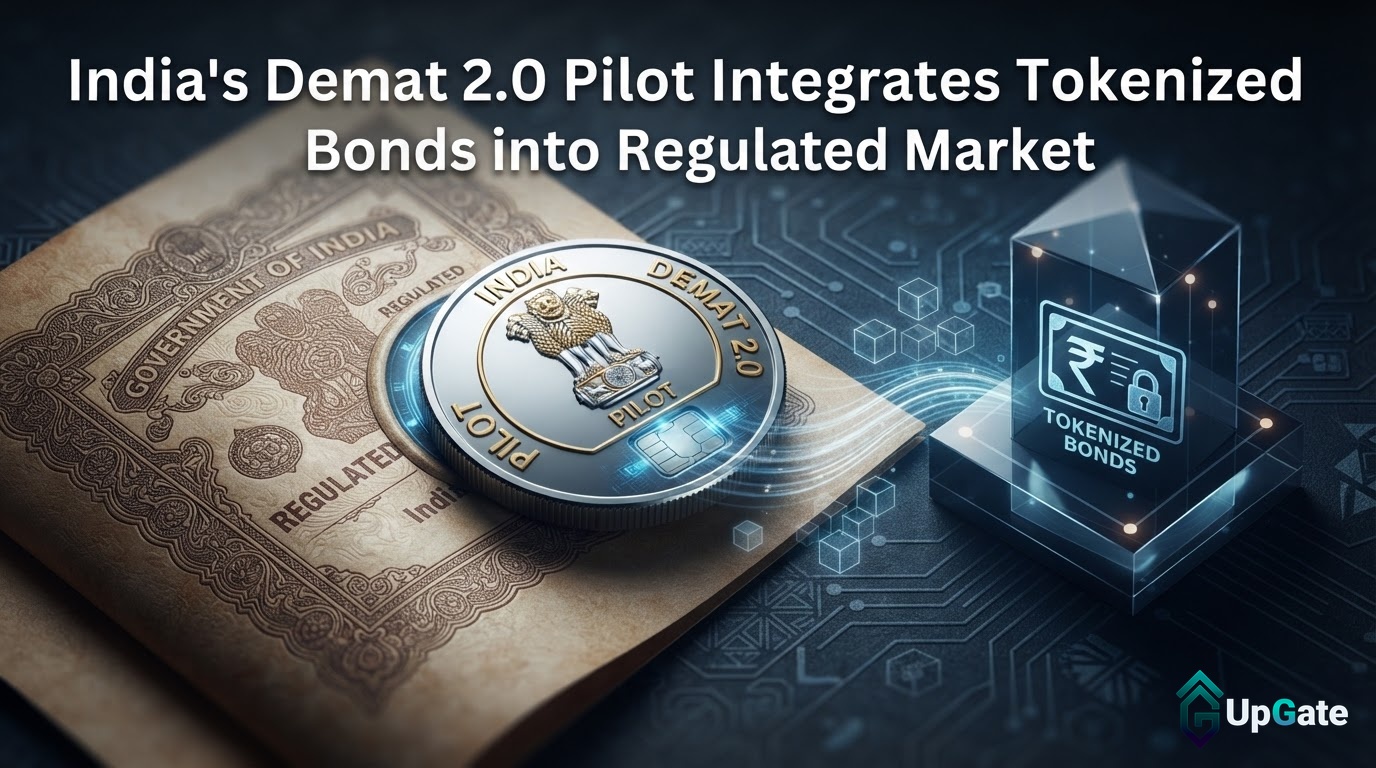
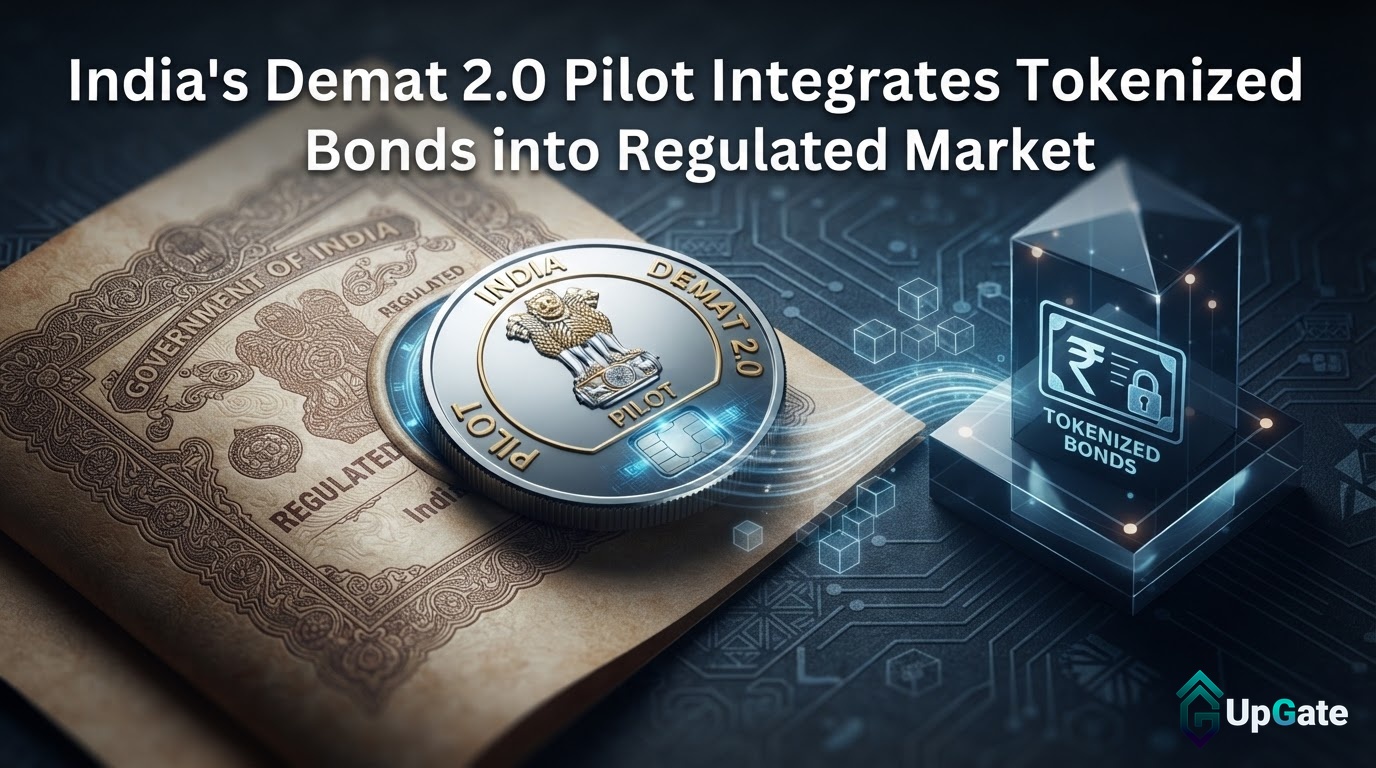
    India has launched Demat 2.0, a pilot infrastructure for issuing, holding, trading, and settling corporate bonds as digital tokens. This initiative integrates directly into the nation’s existing regulated securities market and connects with the Reserve Bank of India’s (RBI) wholesale digital rupee via the Unified Market Interface (UMI) to enable atomic delivery-versus-payment.

    The Demat 2.0 system allows corporate bonds to be created natively on a distributed ledger, with ownership records managed by statutory depositories. This integration aims to streamline the bond issuance and trading process by enabling simultaneous transfer of securities and cash, thereby eliminating the settlement risk inherent in traditional, multi-day processes.

    Early transactions under the pilot have seen significant activity. On September 7, REC Limited issued the first tokenized bonds, raising ₹500 crore from 18 investors. Larsen & Toubro also issued tokenized bonds worth ₹500 crore. On September 9, IIFL raised ₹25 crore from a single investor. Collectively, these initial issuances total ₹1,025 crore (approximately $116 million).

    According to SEBI, issuers can now receive funds on the same day as bidding, a marked improvement over the traditional two-to-three-day settlement period. Secondary-market investors can also receive their proceeds immediately. Furthermore, the infrastructure supports smart contracts for automating coupon and redemption payments directly to investors’ central bank digital currency (CBDC) wallets.

    Crucially, tokenized bonds issued under Demat 2.0 remain legally identical to conventional bonds. Existing regulations concerning credit ratings, disclosures, debenture trustees, and investor protection continue to apply. The infrastructure is private and permissioned, with nodes operated by depositories and stock exchanges, ensuring it operates within the established financial system.

    The rollout of Demat 2.0 is planned in three stages. The current phase focuses on institutional corporate bond issuance. The second stage will introduce secondary-market trading and expand access to retail investors. The final stage may involve bringing additional regulated entities onto the network and exploring the tokenization of other financial instruments.

    While the pilot demonstrates a clear path for integrating distributed ledger technology into India’s financial markets, specific details regarding the timeline for the second and third stages, as well as the exact nature of additional entities and instruments to be included, remain to be clarified.

    Why This Matters

    The materials describe a narrow update: SEBI and RBI have introduced Demat 2. The exact date for the second and third stages of the Demat 2.0 rollout.

    Broader Context

    Source materials place the factual news in this context: Unlike many tokenization experiments built on standalone blockchain platforms, India’s Demat 2.0 model is being integrated directly into the nation’s existing regulated securities market.

  • XRP Price Consolidation: Key Catalysts and Technicals Shape Uncertain September Outlook

    XRP Price Consolidation: Key Catalysts and Technicals Shape Uncertain September Outlook

    XRP is currently consolidating in the low-$1.30s, a period characterized by market indecision as participants await crucial catalysts. These include a significant regulatory decision, potential shifts in whale investor behavior, and the defense of key technical support levels. According to price analysis, the current trading range reflects a sideways-to-mildly bearish structure heading into the final stretch of September.

    Key Support and Resistance Levels
    The mid-to-high-$1.30s represent a critical demand zone where substantial XRP volume has previously traded. This area, along with support near the low-$1.30s (close to the 20-day EMA) and a more significant zone around $1.25–$1.30 (near the 50-day EMA), is being closely watched. Resistance is building above the current range, with initial hurdles identified in the mid-$1.30s to low-$1.40s, followed by heavier supply noted between $1.45–$1.55. The $1.55–$1.70 region stands as the next major test for any potential upward movement.

    Factors Driving Uncertainty
    Several factors are contributing to the current uncertainty surrounding XRP’s trajectory. A looming regulatory decision is considered a potential swing factor for the next major price move, with traders monitoring the CLARITY Act vote timeline. Additionally, shifts in whale behavior, such as the movement of dormant coins, are being observed as potential catalysts, though not necessarily indicative of a sale. The broader macroeconomic environment, particularly signals from Federal Reserve policy, is also impacting the cryptocurrency market as a whole, influencing XRP’s price action.

    Technical Indicators and Market Context
    Technical indicators suggest a neutral Relative Strength Index (RSI), while expanding Bollinger Bands hint at potentially building volatility rather than fading momentum. CoinMarketCap’s tracking shows that XRP has underperformed against the wider crypto market during recent risk-off movements. This follows an August rally that saw XRP climb from approximately $1 to the high-$1.60 range. The current consolidation is occurring within what appears to be a descending triangle pattern.

    Potential Scenarios
    The market’s immediate focus is on whether buyers will defend the low-to-mid-$1.30s support. A break below this level would weaken the current recovery thesis and could lead to a retest of the mid-$1.20s. Conversely, a bullish scenario would involve XRP reclaiming the low-$1.40s, potentially paving the way toward the $1.60 area and possibly the high-$1.80s if a triangle pattern breaks higher. However, the base case, according to analysis, is continued price action between roughly $1.30 and $1.40 as traders await a fresh catalyst.

    Related Market News
    In related market news, Bitcoin Hyper ($HYPER), a Bitcoin Layer 2 project integrating the Solana Virtual Machine, is noted for its positioning as a fast SVM-based execution layer. Currently priced at $0.013686, its presale has raised over $33 million, offering early participants a 35% APY for staking rewards. Research indicates that some traders are exploring earlier-stage infrastructure plays with more room for growth.

    Ultimately, XRP’s next significant move hinges on the interplay of these technical levels, regulatory clarity, and investor sentiment. The current phase is characterized by ambiguity, with the outcome of these converging factors expected to shape XRP’s trajectory into Q4.

    Why This Matters

    The materials describe a narrow update: XRP is trading in the low-$1. Whether buyers will defend the low-to-mid-$1.30s support or allow it to crack.

  • دِمَت ۲.۰ هند، توکنیزاسیون اوراق قرضه را متحول می‌کند: سازوکار آن

    دِمَت ۲.۰ هند، توکنیزاسیون اوراق قرضه را متحول می‌کند: سازوکار آن

    هند با “دمت ۲.۰” نوآوری در توکنیزاسیون اوراق قرضه شرکتی را آغاز کرد

    هیئت بورس و اوراق بهادار هند (SEBI) و بانک مرکزی هند (RBI) از راه‌اندازی یک زیرساخت آزمایشی برای صدور، نگهداری، معامله و تسویه اوراق قرضه شرکتی به صورت توکن‌های دیجیتال خبر دادند.

    دمِت ۲.۰: ادغام با بازار موجود

    این مدل که “دمت ۲.۰” نام گرفته است، برخلاف بسیاری از پروژه‌های آزمایشی توکنیزاسیون که بر روی پلتفرم‌های بلاکچین مستقل ساخته شده‌اند، مستقیماً با بازار اوراق بهادار قانونمند موجود در کشور ادغام می‌شود. رویکرد هند به شرکت‌ها اجازه می‌دهد تا اوراق قرضه خود را به صورت بومی بر روی یک دفتر کل توزیع شده که توسط مؤسسات زیرساخت بازار نگهداری می‌شود، ایجاد کنند و سوابق مالکیت توسط سپرده‌گذاران قانونی کشور حفظ شود.

    تسویه آنی با روپیه دیجیتال

    همانطور که در صفحه توضیحات “دمت ۲.۰” ذکر شده است، این سیستم از طریق رابط بازار یکپارچه (Unified Market Interface) به روپیه دیجیتال عمده‌فروشی بانک مرکزی هند متصل است. این اتصال امکان تسویه همزمان بخش اوراق بهادار و بخش نقدی یک تراکنش را فراهم می‌کند. این مدل موسوم به “تحویل در برابر پرداخت اتمی” (atomic delivery-versus-payment) دوره‌ای را که قبلاً لازم بود تا یک طرف دارایی را منتقل کند و همچنان منتظر تکمیل پرداخت از سوی طرف دیگر باشد، حذف می‌کند.

    اولین صادرکنندگان و مبالغ

    در این بیانیه همچنین اشاره شده است که سه شرکت تاکنون اوراق قرضه توکنیزه شده به ارزش کل ۱۰۲۵ کرور روپیه (معادل ۱۱۶ میلیون دلار) منتشر کرده‌اند. شرکت REC Limited در تاریخ ۷ سپتامبر با انتشار اوراق قرضه به ارزش ۵۰۰ کرور روپیه از ۱۸ سرمایه‌گذار، پیشگام این طرح شد. شرکت Larsen & Toubro نیز با همین مبلغ از چهار سرمایه‌گذار و شرکت IIFL در تاریخ ۹ سپتامبر با ۲۵ کرور روپیه از یک سرمایه‌گذار، این روند را دنبال کردند.

    مزایای سرعت و سهولت برای سرمایه‌گذاران

    SEBI اعلام کرده است که صادرکنندگان می‌توانند وجوه را در همان روزِ پیشنهاد قیمت دریافت کنند، در حالی که در فرآیند سنتی این امر دو تا سه روز طول می‌کشد. سرمایه‌گذاران بازار ثانویه نیز می‌توانند بلافاصله به وجوه خود دسترسی پیدا کنند. قراردادهای هوشمند همچنین می‌توانند پرداخت کوپن و بازپرداخت را مستقیماً به کیف پول‌های CBDC سرمایه‌گذاران خودکار کنند. علاوه بر این، سرمایه‌گذاران می‌توانند از حساب‌های دمِت موجود خود استفاده کنند و نیازی به ایجاد زیرساخت کیف پول بلاکچین کاملاً مجزا ندارند.

    هویت قانونی اوراق قرضه توکنیزه شده

    این بیانیه خاطرنشان می‌کند که اوراق قرضه توکنیزه شده از نظر قانونی با اوراق قرضه متعارف تفاوتی ندارند، زیرا قوانین موجود در زمینه رتبه‌بندی اعتباری، افشاگری‌ها، امین اوراق بدهی و حفاظت از سرمایه‌گذار همچنان اعمال می‌شوند. با توجه به رشد آشکار صنعت دارایی‌های واقعی (RWA)، مقامات هند اعلام کردند که راه‌اندازی سیستم محلی آنها در سه مرحله انجام خواهد شد.

    مراحل اجرای طرح

    مرحله فعلی بر صدور اوراق قرضه شرکتی توسط مؤسسات متمرکز است. مرحله دوم، معاملات بازار ثانویه را معرفی کرده و دسترسی را برای سرمایه‌گذاران خرد گسترش خواهد داد. در نهایت، مرحله آخر می‌تواند نهادهای قانونمند بیشتری را به شبکه اضافه کرده و توکنیزاسیون سایر ابزارهای مالی را بررسی کند.

    ماهیت خصوصی و مجاز زیرساخت

    این زیرساخت خصوصی و مجاز باقی می‌ماند و گره‌های آن در ابتدا توسط سپرده‌گذاران و بورس‌ها اداره می‌شوند. این نکته حائز اهمیت است زیرا ابتکار هند تلاشی برای انتقال بازارهای اوراق بهادار خود به بلاکچین‌های عمومی نیست؛ بلکه هدف آن ترکیب مالکیت مبتنی بر DLT، قراردادهای هوشمند و پول بانک مرکزی در چارچوب سیستم مالی موجود است.

  • تحلیل قیمت ریپل: ۳ عامل کلیدی تعیین‌کننده سپتامبر

    تحلیل قیمت ریپل: ۳ عامل کلیدی تعیین‌کننده سپتامبر

    تحلیل قیمت XRP: سه عامل کلیدی در انتظار شکل‌دهی به سپتامبر

    XRP در حال حاضر در محدوده قیمتی پایین ۱۳۰ دلار معامله می‌شود و نزدیک به سطحی قرار گرفته که تحلیل‌های قیمتی ما هفته‌هاست بر آن تأکید دارند. این موضوع تصادفی نیست. سه عامل محرک، یک منطقه تقاضای حیاتی، یک تصمیم نظارتی قریب‌الوقوع و تغییر رفتار نهنگ‌ها، همزمان با پیشرفت ماه، در حال همگرایی هستند و نتیجه این همگرایی می‌تواند مسیر XRP را تا فصل چهارم سال تعیین کند.

    داده‌های قیمتی صرافی‌های بزرگ نشان می‌دهند که XRP در محدوده پایین تا میانی ۱۳۰ دلار در حال تجمیع است و طبق گزارش CoinMarketCap، در آخرین حرکت ریسک‌گریزی بازار، عملکرد ضعیف‌تری نسبت به کل بازار ارزهای دیجیتال داشته است.

    جابجایی سکه‌های غیرفعال توسط نهنگ‌ها، خود یک عامل محرک رفتار است، نه دلیلی بر فروش. بیت‌کوین (BTC)، XRP، CVX و UNI را رصد کنید. نقطه تصمیم‌گیری: جذب. مراقب باشید که سفارش‌های خرید ثابت بمانند. اگر جریان ورودی به صرافی‌ها افزایش یابد و حمایت از بین برود، فشار اهمیت پیدا می‌کند. اگر سفارش‌های خرید عرضه را جذب کنند، سیگنال ترس وزن خود را از دست می‌دهد.

    این افت پس از رالی ماه اوت رخ می‌دهد که XRP را از حدود ۱ دلار به محدوده بالای ۱.۶۰ دلار رساند. این روند اکنون در حال خنک شدن و شکل‌گیری یک مثلث نزولی است، به طوری که محدوده میانی تا بالای ۱۳۰ دلار به عنوان یکی از مهم‌ترین مناطق تقاضای بازار توصیف می‌شود، جایی که میلیاردها XRP قبلاً معامله شده‌اند.

    شرایط کلان اقتصادی نیز کمکی نمی‌کند. بازارهای ارزهای دیجیتال در حال هضم سیگنال‌های سیاست فدرال رزرو هستند و این فشار در سراسر آلت‌کوین‌ها در حال سرایت است. حرکت بعدی XRP به احتمال زیاد به این بستگی دارد که آیا خریداران از محدوده پایین تا میانی ۱۳۰ دلار دفاع خواهند کرد یا اجازه خواهند داد این حمایت شکسته شود.

    XRP در محدوده پایین ۱۳۰ دلار معامله می‌شود، درست زیر محدوده هفت روزه اخیر خود در محدوده پایین تا بالای ۱۳۰ دلار. این نشان‌دهنده ساختاری خنثی تا کمی نزولی در آستانه آخرین روزهای سپتامبر است. حجم معاملات در محدوده میانی ۱۳۰ دلار متمرکز شده است که این منطقه را به عنوان یک خط مهم و تعیین‌کننده تقویت می‌کند.

    حمایت در لایه‌های مختلف قرار دارد. اولین طبقه در حدود پایین ۱۳۰ دلار، نزدیک به میانگین متحرک نمایی ۲۰ روزه (EMA) قرار دارد، در حالی که منطقه مهم بعدی در حدود ۱.۲۵ تا ۱.۳۰ دلار، نزدیک به EMA ۵۰ روزه واقع شده است. مقاومت به سرعت در بالای محدوده فعلی افزایش می‌یابد.

    اولین مانع در محدوده میانی ۱۳۰ دلار تا پایین ۱۴۰ دلار قرار دارد، و پس از آن عرضه سنگین‌تری در محدوده ۱۴۵ تا ۱۵۵ دلار وجود دارد. فراتر از آن، منطقه ۱۵۵ تا ۱۷۰ دلار به آزمون مهم بعدی تبدیل می‌شود.

    سناریوی صعودی شاهد بازپس‌گیری محدوده پایین ۱۴۰ دلار توسط XRP خواهد بود و به طور بالقوه مسیری را به سمت منطقه ۱.۶۰ دلار و در نهایت به سمت محدوده بالای ۱۸۰ دلار باز می‌کند، اگر الگوی مثلث به سمت بالا شکسته شود. سناریوی پایه، ادامه نوسانات بین حدود ۱۳۰ دلار و ۱۴۰ دلار است در حالی که معامله‌گران منتظر یک عامل محرک جدید هستند. شکسته شدن زیر محدوده پایین ۱۳۰ دلار، فرضیه ریکاوری را تضعیف کرده و محدوده میانی ۱۲۰ دلار را دوباره در کانون توجه قرار می‌دهد.

    شاخص قدرت نسبی (RSI) نسبتاً خنثی باقی مانده است، در حالی که باندهای بولینگر در حال گسترش نشان می‌دهند که نوسانات در حال افزایش است نه کاهش. معامله‌گرانی که جدول زمانی رأی‌گیری قانون CLARITY را دنبال می‌کنند، باید آن را به عنوان یک عامل نوسان بالقوه برای حرکت بزرگ بعدی در نظر بگیرند.

    دارندگان XRP که این نوسانات را تحمل می‌کنند، حق دارند این سوال صریح را بپرسند: آیا حمایت ۱.۳۵ دلاری واقعاً پایدار خواهد ماند، یا این صرفاً بازار است که قبل از یک افت دیگر، زمان می‌خرد؟

    الگوهای انباشت نهنگ‌ها و موقعیت‌گیری خرده‌فروشان اطمینان‌بخشی‌هایی را ارائه می‌دهند، اما با توجه به ارزش بازار XRP، حتی یک شکست صعودی تمیز نیز سقف رشد را در ارقام دو رقمی متوسط محدود می‌کند، نه حرکات نامتقارنی که سرمایه‌های اولیه به دنبال آن هستند. این موضوع برخی از معامله‌گران را به سمت پروژه‌های زیرساختی در مراحل اولیه با فضای رشد بیشتر سوق می‌دهد.

    بیت‌کوین هایپر (Bitcoin Hyper)

    با آرامش به این موضوع بپردازیم. اجازه دهید هایپر این مورد را مدیریت کند.

    بیت‌کوین هایپر (Bitcoin Hyper) یکی از قابل توجه‌ترین نمونه‌هاست، یک پروژه لایه ۲ بیت‌کوین که ماشین مجازی سولانا (Solana Virtual Machine) را ادغام می‌کند و خود را به عنوان اولین لایه ۲ بیت‌کوین با اجرای مبتنی بر SVM معرفی می‌کند که سریع‌تر از شبکه خود سولانا است.

    این پروژه که در حال حاضر با قیمت ۰.۰۱۳۶۸۶ دلار معامله می‌شود، تاکنون بیش از ۳۳ میلیون دلار در مرحله پیش‌فروش جمع‌آوری کرده است و پاداش‌های استیکینگ با بازده سالانه بالا (APY) ۳۵٪ را فقط برای شرکت‌کنندگان اولیه ارائه می‌دهد. ویژگی‌های برجسته شامل یک پل غیرمتمرکز و استاندارد برای انتقال بومی BTC و پردازش تراکنش با تأخیر کم است که برای آوردن قابلیت برنامه‌ریزی به اکوسیستمی که به طور تاریخی به انتقال‌های ساده محدود شده بود، طراحی شده است.

    قبل از بسته شدن پنجره پیش‌فروش، بیت‌کوین هایپر را مستقیماً تحقیق کنید.

    کشف کنید: بهترین پیش‌فروش‌های توکن

    پست تحلیل قیمت XRP: ۳ عامل کلیدی در انتظار شکل‌دهی به سپتامبر اولین بار در Cryptonews ظاهر شد.

  • Revolut Data Breach Exposes Passports, Bitcoin Histories

    Revolut Data Breach Exposes Passports, Bitcoin Histories

    Fintech Giant Revolut Compromised by Sophisticated Phishing Scam, Exposing Sensitive Customer Data

    Revolut, the prominent fintech firm, has disclosed a significant data breach that resulted in the exposure of sensitive customer information, including passport copies and detailed Bitcoin transaction histories. The breach occurred after the company fell victim to a fraudulent request disguised as a legitimate government inquiry.

    Details of the Breach

    According to a customer notification shared by crypto investigator ZachXBT, Revolut received a request for customer data that appeared to originate from a government agency. The request was sent from an unauthorized email account that had successfully spoofed the agency’s official domain. Crucially, the message included valid domain authentication credentials, leading Revolut to believe the request was genuine and proceed with fulfilling it.

    The compromised data is extensive, encompassing a wide range of personal and financial details. Affected customers had their full names, dates of birth, and occupations exposed. Contact information, including postal addresses, email addresses, and phone numbers, was also compromised. Furthermore, identity verification documents, such as copies of passports or driver’s licenses, and verification selfies were handed over.

    For cryptocurrency holders, the breach is particularly concerning as it includes financial data such as account statements with IBAN and wallet reference numbers, withdrawal records, and complete transaction histories, including Bitcoin transactions. Revolut has stated that no biometric facial telemetry data was involved in the incident.

    Revolut’s Response and Impact

    A spokesperson for Revolut confirmed the breach to TechCrunch, characterizing it as “a sophisticated external impersonation scam where an unauthorised third party utilised a legitimate government agency domain email to submit fraudulent requests for information.”

    The company indicated that a “limited” number of customers were affected. Revolut has since blocked the fraudulent email address and has alerted the relevant government agency, law enforcement, and regulatory bodies. The company maintained that its internal systems and customer funds remain unaffected. Revolut declined to specify the exact number of customers impacted or the identity of the government agency that was impersonated.

    Wider Implications and Industry Concerns

    ZachXBT suggested that the incident may have specifically targeted high-net-worth individuals, a development that raises concerns given the recent increase in violent “wrench attacks” against known cryptocurrency holders. The leak has drawn sharp criticism from users on social media, with many arguing that the episode highlights how know-your-customer (KYC) regulations may create risks without delivering commensurate benefits.

    One user, Marc Zeller, posted on social media platform X (formerly Twitter), “Woke up to all my data leaked by @Revolut. Sharp reminder that KYC hasn’t produced meaningful upside and has put many in harm’s way.”

    This breach occurs during a challenging period for companies that hold personal data of cryptocurrency users. Hardware wallet manufacturer Trezor recently experienced a support-vendor breach that exposed tens of thousands of additional customers. Separately, X (formerly Twitter) appeared to suffer its own data breach, which led to a flood of password reset requests for its users.

    Revolut, which launched its euro-pegged EURR stablecoin earlier this year, is reportedly considering an initial public offering (IPO).

  • Ripple (XRP): 21Shares Lists 4 Investor Must-Knows

    Ripple (XRP): 21Shares Lists 4 Investor Must-Knows

    21Shares Identifies Key Investment Drivers for XRP

    Swiss-based asset manager 21Shares has presented a compelling investment case for XRP, pointing to enhanced regulatory clarity, increased institutional access, growing utility on the XRP Ledger (XRPL), and a predictable supply as key factors. However, the report also acknowledges a significant ongoing risk that continues to cast a shadow over the underlying asset.

    Regulatory Clarity and Institutional Adoption

    The firm’s report designates regulatory clarity as the primary pillar of its investment thesis. The favorable outcome of Ripple’s protracted legal battle with the U.S. Securities and Exchange Commission (SEC) in the past year has significantly eased compliance burdens for institutions. The report notes that the regulatory landscape for XRP has become considerably clearer since August 2025, offering a more defined treatment compared to the previous SEC administration.

    This improved regulatory environment appears to be directly contributing to the second pillar: expanding institutional access. The launch of several spot XRP Exchange Traded Funds (ETFs) on Wall Street last November saw substantial inflows, exceeding $1 billion within the first six weeks. Recent reports indicate that cumulative inflows have reached a new all-time high of over $1.7 billion, demonstrating sustained investor interest even amidst a challenging market for the asset.

    Growing XRPL Utility and Predictable Supply

    The third key driver highlighted by 21Shares is the increasing real-world usage of the XRP Ledger. The report states that the XRPL has processed nearly $500 billion in on-chain value over the past 12 months. Concurrently, Ripple’s RLUSD stablecoin has experienced significant growth, expanding its market capitalization from $72 million to $1.6 billion in under two years.

    Furthermore, tokenized assets on the XRPL have seen substantial expansion, recently reaching a valuation of $4 billion. The network continues to focus on facilitating payments, stablecoins, and real-world assets. Crypto commentator Vincent Van Code echoed these sentiments, suggesting that Ripple’s comprehensive infrastructure offers an “out-of-the-box, turnkey end-to-end solution” for institutions venturing into digital assets.

    The final pillar cited is XRP’s fixed maximum supply of 100 billion tokens. The absence of an ongoing inflation schedule, coupled with a small amount of XRP being permanently burned through transaction fees, contributes to its predictable supply dynamics.

    Acknowledging the Lingering Risk

    Despite these positive indicators, 21Shares acknowledges a critical weakness in its investment thesis: increased XRPL usage does not automatically equate to heightened demand for XRP. Institutions may utilize the network without holding XRP for extended periods, or their engagement with the token might be minimal.

    The central question remains whether the expansion of payments, stablecoins, and tokenized assets will ultimately lead to sustainable value accrual for XRP.

    For investors who believe in the increasing digitization of global finance, 21Shares posits that XRP offers one of the more regulated and institutionally connected avenues for exposure to this trend. However, the investment case is contingent on adoption translating into genuine demand for the underlying asset, which, as of press time, continues to face resistance around the $1.40 mark.