Author: Admin_Up

  • آخرین به‌روزرسانی‌های شبکه پای، هشدار سولانا و دیگر اخبار مهم ۳۱ جولای

    آخرین به‌روزرسانی‌های شبکه پای، هشدار سولانا و دیگر اخبار مهم ۳۱ جولای

    تیم پشت شبکه Pi تاریخ تعیین کرد؛ توکن سولانا در خطر سقوط به ۵۰ دلار

    تیم توسعه‌دهنده شبکه Pi (Pi Network) تاریخ مشخصی را برای به‌روزرسانی بزرگ بعدی خود تعیین کرده است، در حالی که توکن بومی سولانا (Solana) با خطر سقوط تا ۵۰ دلار مواجه است. بیت‌کوین (BTC) نیز ممکن است روند نزولی را تجربه کند، اما نکته جالب اینجاست که برخی تحلیلگران معتقدند چنین حرکتی می‌تواند به نفع گاوها (خریداران) باشد.

    به‌روزرسانی‌های شبکه Pi

    تیم اصلی Pi Network از ابتدای سال ۲۰۲۶ با معرفی چندین بهبود عمده در اکوسیستم، عملکردی چشمگیر داشته است. آخرین مورد، مهاجرت به نسخه ۲۵ پروتکل بود که قرار بود اوایل ماه جاری میلادی انجام شود. تیم Pi Network این اقدام را نه در X و نه در وب‌سایت خود اعلام نکرد، اما کاربران متعددی ادعا کردند که این به‌روزرسانی اعمال شده است. این پروژه اکنون توجه خود را به به‌روزرسانی بعدی پروتکل (نسخه ۲۶) معطوف کرده و تاریخ ۱۱ اوت را به عنوان ضرب‌الاجل تعیین کرده است. در این اطلاعیه آمده است: «تمام اپراتورهای نود Mainnet باید قبل از تاریخ مقرر، ارتقا را تکمیل کنند تا به شبکه متصل بمانند.»

    این تیم همچنین جزئیات بیشتری را در مورد مدل Pi Launchpad خود به اشتراک گذاشت. توضیح داده شد که در این اکوسیستم، پروژه‌ها توکن‌ها را به عنوان ابزاری برای جذب کاربر برای برنامه‌های خود منتشر می‌کنند و این کوین‌ها را مستقیماً در عملکرد محصول ادغام می‌کنند، مانند پاداش‌ها، پرداخت‌ها، دسترسی و حاکمیت. این تیم افزود: «به جای اینکه توسط پروژه صادرکننده گرفته شود، عواید حاصل از عرضه توکن Pi به یک استخر نقدینگی با توکن اکوسیستم می‌رود که از ابتدا یک پایه نقدینگی سالم را ایجاد می‌کند.»

    توکن PI که پیش از اعلامیه‌های فوق‌الذکر به شدت افت کرده بود، توانست بهبود یابد و اکنون در حدود ۰.۰۸ دلار معامله می‌شود. با این حال، همچنان حدود ۹۷ درصد از بالاترین رکورد خود یعنی ۳ دلار که سال گذشته ثبت شد، پایین‌تر است.

    هشدار برای سولانا

    ارز دیجیتال بومی سولانا در هفته گذشته ۳ درصد کاهش یافته و در حال حاضر حدود ۷۳.۵۰ دلار معامله می‌شود. این بدان معناست که قیمت آن از سطح ۷۳.۷۵ دلار عبور کرده است، سطحی که علی مارتینز، تحلیلگر محبوب، اخیراً آن را «سطح برد یا باخت» توصیف کرده بود. او معتقد است که بسته شدن پایدار قیمت زیر این منطقه کلیدی ممکن است فشار فروش بیشتری را ایجاد کند و در آینده نزدیک منجر به سقوط به ۶۰ دلار و حتی ۵۰ دلار شود.

    با این حال، همه بدبین نیستند. کاربر X، Crypto Zenkai، استدلال کرده است که خرید SOL زیر ۸۰ دلار مانند سرمایه‌گذاری در بیت‌کوین در سال ۲۰۱۰ است، در حالی که Lucky به بیش از ۲ میلیون دنبال‌کننده خود گفت که سقوط این دارایی زیر ۷۵ دلار ممکن است نشان‌دهنده یک «افت جذاب» باشد.

    چشم‌انداز بیت‌کوین

    در زمان نگارش این خبر، ارزش اصلی‌ترین ارز دیجیتال حدود ۶۳,۸۰۰ دلار است که ۲.۵ درصد کاهش هفتگی را نشان می‌دهد. در حالی که گاوها مشتاقانه منتظر بازگشت قیمت هستند، مارتینز ادعا می‌کند که آن‌ها باید از افت احتمالی به ۶۰ هزار دلار استقبال کنند. او معتقد است که سقوط به این سطح، شکل‌گیری الگوی کلاسیک سر و شانه معکوس را تأیید می‌کند که معمولاً به عنوان پیش‌درآمدی برای یک رالی در نظر گرفته می‌شود. این تحلیلگر اظهار داشت که تکمیل این الگو، همراه با شکست تأیید شده بالای ۶۶,۵۰۰ دلار، می‌تواند زمینه را برای یک رالی تا بالاترین سطح دو ماهه یعنی ۷۴ هزار دلار فراهم کند.

    چندی پیش، مارتینز پیش‌بینی کرده بود که بازار نزولی بیت‌کوین (با فرض پابرجا بودن چرخه ۴ ساله) ممکن است بین ۶ تا ۱۶ اکتبر به پایان برسد. تا آن زمان، بسیاری از فعالان صنعت انتظار دارند که قیمت این دارایی به زیر ۵۰,۰۰۰ دلار و حتی ۴۰,۰۰۰ دلار سقوط کند. بدبینانه‌ترین پیش‌بینی از سوی کاربر X، BATMAN، مطرح شد که ادعا کرد عملکرد اخیر بیت‌کوین منعکس‌کننده پاییز ۲۰۲۲ است که پس از آن یک سقوط عظیم تا حدود ۱۶,۰۰۰ دلار رخ داد.
  • Bank of Japan Holds Policy Rate at 1.0%, Signals Tightening Bias as Yen Intervention Fades

    Bank of Japan Holds Policy Rate at 1.0%, Signals Tightening Bias as Yen Intervention Fades

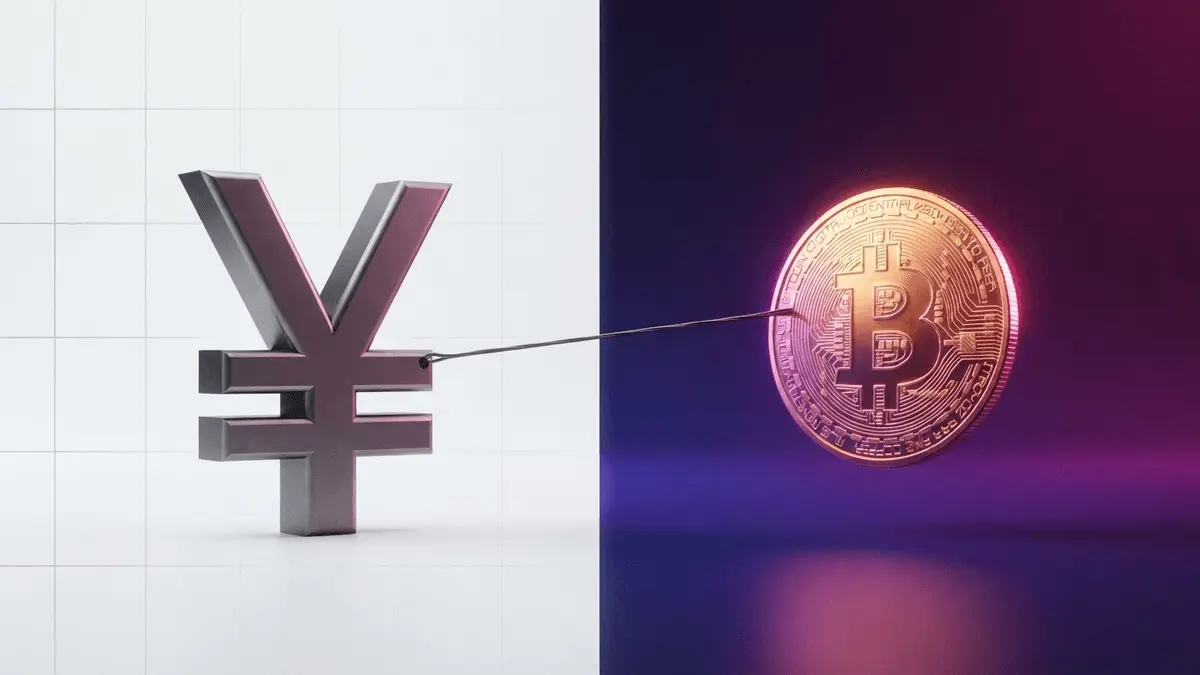
    The Bank of Japan (BoJ) maintained its key policy rate at 1.0% during its July meeting, while signaling a bias towards tightening monetary policy. This decision follows reported intervention by Japan’s Ministry of Finance aimed at supporting the yen.

    On July 30, Japan’s Ministry of Finance reported it had intervened in the foreign exchange market, selling dollars and buying yen. This action coincided with a sharp, albeit temporary, strengthening of the yen, with USD/JPY falling as much as 3% from nearly ¥164 to below ¥158. However, the subsequent recovery in USD/JPY highlighted a key observation: currency intervention alone often struggles to reverse long-term trends without complementary monetary policy adjustments.

    BoJ Policy and Intervention Context
    The BoJ’s decision to hold rates steady at 1.0% was accompanied by a signal of a tightening bias, indicating a potential shift towards higher interest rates in the future. Analysts suggest that the outlook for future rate hikes, rather than the intervention itself, will be the primary determinant of whether the yen can sustain further gains. This stance from the central bank is seen as more influential than the direct market operations.

    Japan has a history of intervening to support the yen, with several such operations occurring over the past two years, including significant ones in 2024. Each instance has typically resulted in a brief strengthening of the currency before market forces reasserted control. This pattern is largely attributed to the persistent wide interest rate gap between Japan and the United States, which continues to favor holding dollar-denominated assets over yen.

    While there were reports of Japanese officials maintaining contact with US counterparts, there was no confirmation of coordinated intervention with the Federal Reserve or the US Treasury. The operation was characterized as Japan-led.

    Yen Carry Trade and Risk Asset Implications
    The yen carry trade, which involves borrowing low-cost yen to invest in higher-yielding assets, is a significant factor for leveraged risk assets, including Bitcoin. As Japanese interest rates are expected to gradually rise while the Federal Reserve potentially pauses its own rate hikes, the advantage of the yen carry trade diminishes. However, the US-Japan rate differential is still considered wide enough to keep the strategy attractive for many investors.

    Economists generally anticipate the BoJ will continue to raise rates cautiously in the coming quarters, though the exact timing remains uncertain. Some forecasts suggest another rate increase before the end of the year, while others believe policymakers will wait for further strengthening in inflation and wage growth. A gradual approach to rate increases is expected to lead to an orderly unwind of the yen carry trade, rather than a sudden market shock.

    In comparison to August 2024, when an unexpected BoJ rate hike triggered a sharp yen rally and forced leveraged positions to be unwound, current market conditions are seen as less extreme because additional tightening is already anticipated. For Bitcoin, the base case scenario remains one of gradual normalization in Japan, creating modest headwinds rather than a significant selloff. However, a faster pace of BoJ tightening or another substantial yen surge could accelerate deleveraging across crypto markets.

    Consequently, Japanese monetary policy is becoming an increasingly important macroeconomic factor for traders, even as intervention alone is unlikely to alter the yen’s broader trend.

    Why This Matters

    The materials describe a narrow update: The Bank of Japan decided to keep its policy rate at 1. The exact timing of future Bank of Japan rate hikes.

    Broader Context

    Source materials place the factual news in this context: Japan’s Ministry of Finance reported yen buying, dollar selling intervention on July 30, sending USD/JPY sharply lower before the pair recovered later.

  • Texans Lose $57M to Crypto Kiosk Scams; Lawmakers Consider Ban

    Texans Lose $57M to Crypto Kiosk Scams; Lawmakers Consider Ban

    Texans Lead Nation in Crypto Kiosk Scams, Losing $56.8 Million

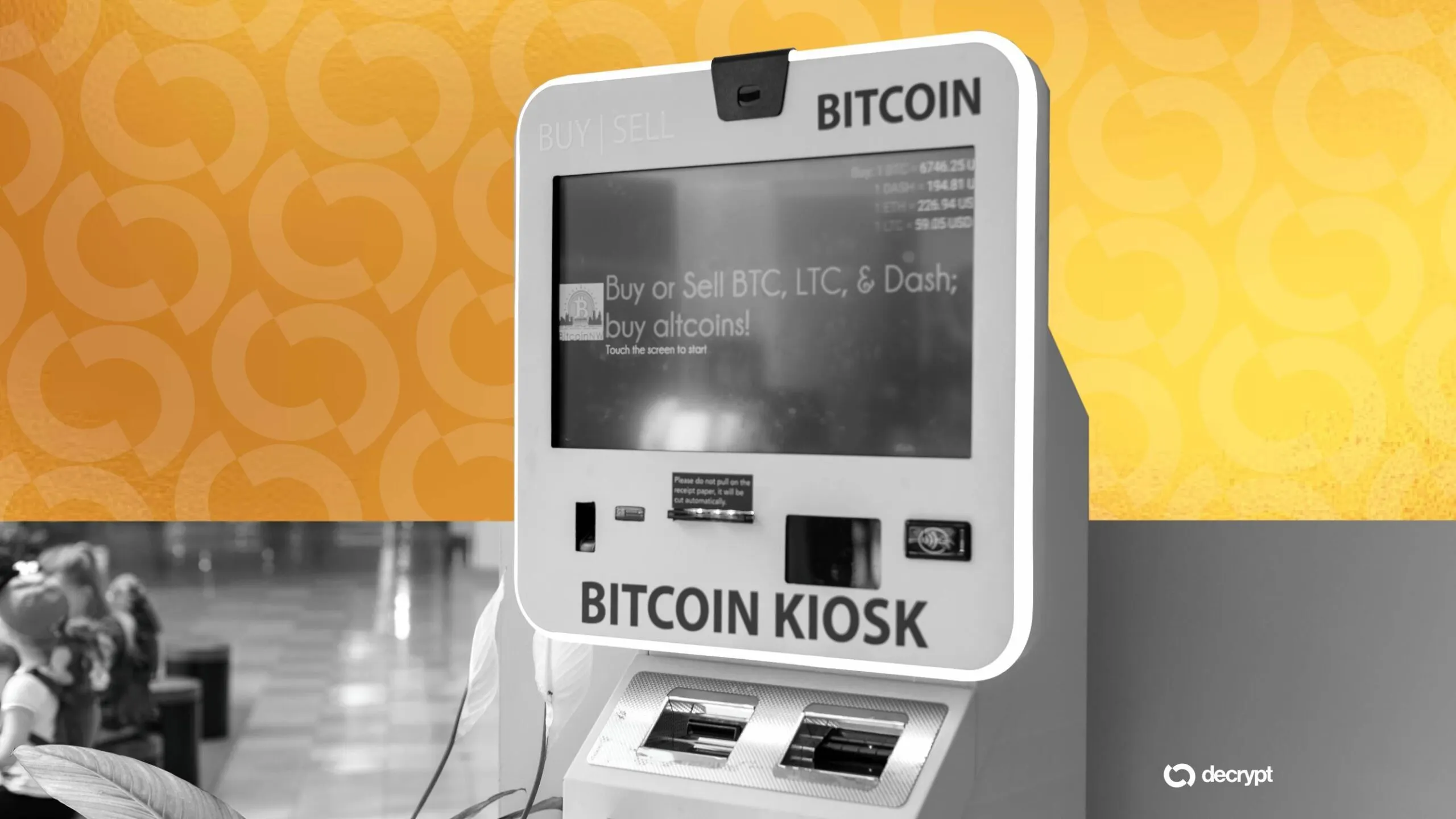
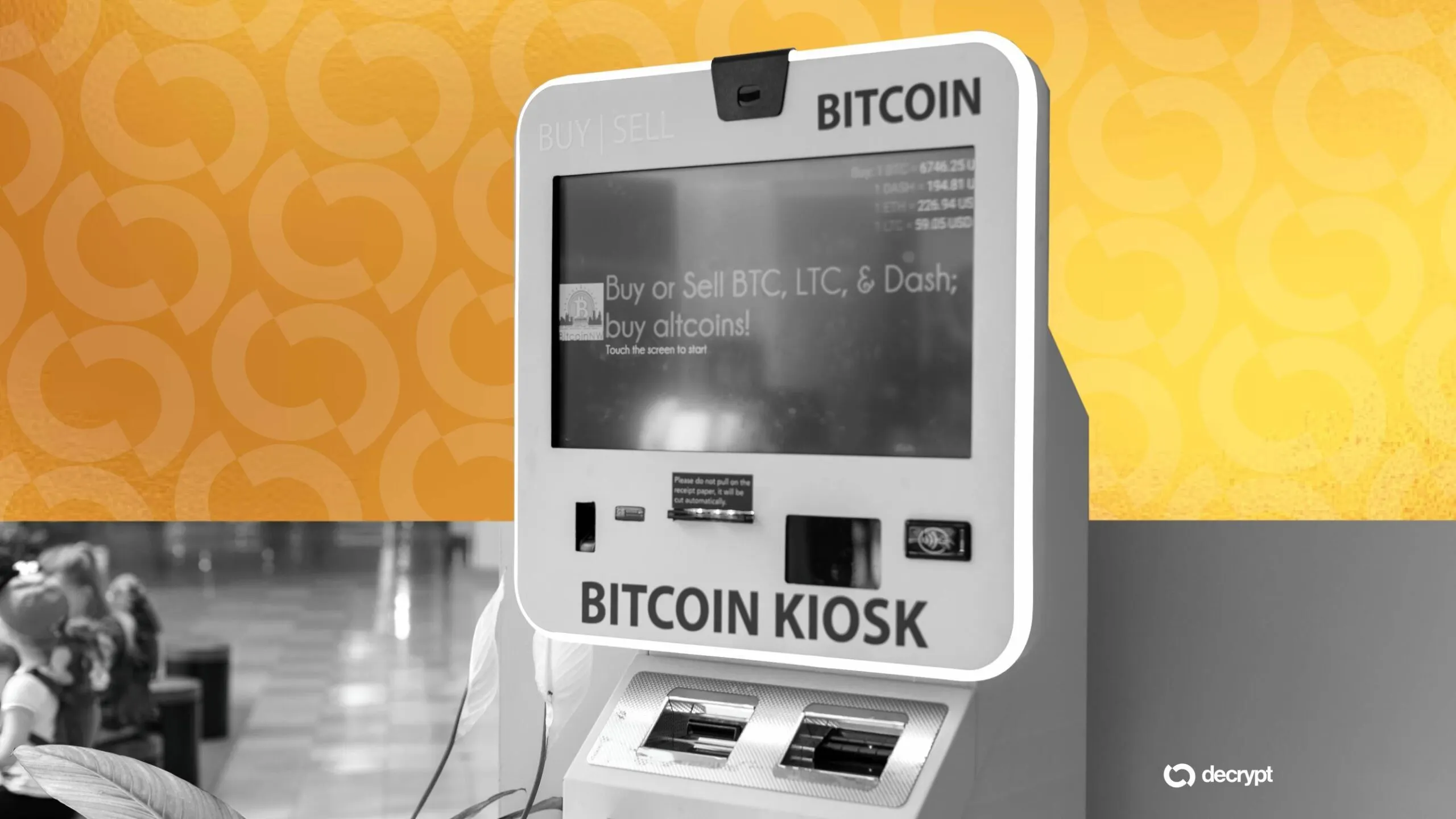
    Texans lost a staggering $56.8 million to cryptocurrency kiosks last year, more than any other state, according to figures presented to a legislative committee on Thursday. The state accounted for 1,179 of the 13,460 complaints logged nationally by the FBI in 2025, a year that saw reported losses to these machines surge 58% to $389 million.

    These kiosks, commonly found in gas stations and convenience stores, allow users to convert cash into cryptocurrency. The Texas Tribune estimates there are approximately 4,000 such machines operating across the state. Scammers frequently coerce victims into withdrawing funds from their bank accounts and feeding the cash into these kiosks.

    Lawmakers Grapple with Crypto Fraud

    The House Committee on Homeland Security, Public Safety and Veterans’ Affairs, which had convened to discuss foreign financial influence, quickly turned its attention to cryptocurrency fraud. “In my career, I’ve never seen a more efficient, cleaner way to steal money,” stated Rep. AJ Louderback. Kelley Currie, a fellow at the Atlantic Council, informed the committee that Interpol now categorizes scamming as an industry on par with drug and human trafficking.

    Currie further alleged that the gas station kiosks are “run by Chinese money launderers.” While the Justice Department has brought charges against Chinese nationals in connection with cryptocurrency fraud operations in Southeast Asia and prosecuted Chinese money laundering networks involved in moving scam proceeds, it has not publicly stated that these groups are generally operating the kiosks.

    Recovery Efforts Prove Difficult

    Jesse Saucillo, deputy commissioner at the Texas Department of Banking, explained that once funds are moved, recovery is nearly impossible. He noted that the money typically goes to an unhosted wallet, which then “gets into a mixer” and beyond, making it “very hard to get any of that back.” Saucillo also pointed out that AI-generated impersonations of police and state agencies are making the initial scam calls more convincing.

    States Implement Varying Regulations

    According to AARP, approximately 30 states have enacted legislation related to crypto kiosks since 2023. South Dakota has implemented transaction caps of $1,000 per day and $10,000 per month, along with a requirement for full refunds for fraud victims. Wisconsin and Virginia have similar caps in place. In Maine, the state regulator secured a $1.9 million settlement from Bitcoin Depot to reimburse victims.

    Indiana became the first state to ban these machines outright in March, enacting a law that empowers the attorney general to sue both operators and the businesses hosting them. Nearly 900 kiosks were operational in Indiana when the governor signed the legislation. Tennessee and Minnesota have since followed suit.

    Texas Considers Stronger Measures

    Committee chair Rep. Cole Hefner indicated that Texas would explore “doing more than regulating them,” hinting at forthcoming legislation. “I got a pretty good idea coming down,” he told colleagues. “And it’s kind of simple, but kind of abrupt.”

  • Ripple Gains EU MiCA Approval Amid Fed Rate Hike Fears

    Ripple Gains EU MiCA Approval Amid Fed Rate Hike Fears

    XRP Price Stalls Below $1.10 Amid Hawkish Fed, Regulatory Milestone

    XRP is currently trading at $1.07, marking a 0.57% dip over the past 24 hours. The digital asset continues to face resistance at the $1.10 level, which has thwarted attempts at recovery for three consecutive sessions.

    While the immediate price action appears relatively stable, a deeper look at the macroeconomic and on-chain indicators reveals a more complex picture. The direction of XRP’s current trading range, whether it breaks out or reverses, hinges on rapidly evolving factors.

    Federal Reserve’s Stance Fuels Risk-Off Sentiment

    The Federal Reserve opted to maintain its interest rates within the 3.50%–3.75% range. However, Fed Chair Kevin Warsh’s hawkish remarks following the meeting, emphasizing the Fed’s commitment to achieving its 2% inflation target, have reinforced a risk-off sentiment across liquid assets.

    In a notable statement, Fed Chair Kevin Warsh indicated that the central bank did not need to raise rates at this time, as the bond market had already effectively tightened conditions. He further elaborated that inflation remains above the Fed’s 2% objective and that the Committee is resolute in delivering price stability without exception.

    On-Chain Data Shows Accumulation by Mid-Tier Holders

    Despite the headwinds from the Federal Reserve’s hawkish stance, on-chain data from Santiment indicates that mid-tier XRP holders, those possessing between 10,000 and 100,000 XRP, have increased their cumulative holdings. Their share of the total supply has risen to 11.9%, up from 11.64% on July 1. Concurrently, the cohort holding between 100,000 and 1 million XRP has also seen its share grow to 11.75% within the same period.

    Ripple Secures Key European Regulatory Approval

    Adding to the narrative, Ripple achieved a significant regulatory milestone this week by securing full authorization as a MiCA Crypto-Asset Service Provider in Europe. This development carries direct implications for institutional XRP payments across the European Union. Meanwhile, open interest in perpetual futures remains robust, standing at 2.27 billion XRP, just shy of this week’s peak of 2.29 billion.

    The confluence of a hawkish Federal Reserve, a technically capped price chart, and a crucial regulatory unlock presents a binary scenario that warrants close observation.

    Technical Analysis Points to Resistance and Support Levels

    XRP is currently trading below the Bollinger Band midline, which hovers near $1.10, and also below key exponential moving averages. The 50-day Exponential Moving Average (EMA) at $1.13 converges with the upper Bollinger Band around $1.14, forming a significant overhead resistance zone that has repelled all intraday advances thus far. The 100-day EMA at $1.21 and the 200-day EMA at $1.41 further underscore the prevailing bearish structural trend, suggesting these levels are unlikely to be tested unless there is a substantial shift in near-term momentum.

    Momentum indicators are showing weakness. The daily Relative Strength Index (RSI) is trading near 45, indicating a technically neutral but weakening trend. The Moving Average Convergence Divergence (MACD) is marginally negative, signaling a decline in bullish attempts rather than a fresh accumulation phase. Trading volume and open interest, both below their weekly highs, do not support the notion of an imminent breakout.

    The $1.00 mark remains the primary support level for traders. A daily close below this threshold would invalidate the current recovery thesis.

    Potential Catalysts for XRP’s Next Move

    A sustained increase in institutional flow driven by the MiCA authorization, coupled with open interest expanding beyond 2.29 billion XRP and XRP successfully clearing the $1.10 resistance with significant volume, could pave the way for a rally towards the $1.13 to $1.14 range.

    However, the more probable near-term trajectory involves continued range-bound consolidation between $1.05 and $1.15 as the market awaits further developments, such as ETF-related headlines and potential exchange listing catalysts. A daily close below $1.00 would signal that selling pressure is dominating, rendering the recent mid-tier accumulation data less relevant.

  • کلاهبرداری‌های دستگاه‌های رمزارز ۵۷ میلیون دلار به تگزاس خسارت زد؛ قانون‌گذاران در حال بررسی ممنوعیت

    کلاهبرداری‌های دستگاه‌های رمزارز ۵۷ میلیون دلار به تگزاس خسارت زد؛ قانون‌گذاران در حال بررسی ممنوعیت

    تگزاس در صدر زیان‌دیدگان از کیوسک‌های رمزارز در آمریکا

    آستین، تگزاس – طبق آمارهای منتشر شده توسط اف‌بی‌آی در کمیته‌ای قانون‌گذاری در روز پنجشنبه، ایالت تگزاس سال گذشته با از دست دادن ۵۶.۸ میلیون دلار به کیوسک‌های رمزارز، بیشترین زیان را در میان تمام ایالت‌های آمریکا متحمل شده است. این رقم نشان‌دهنده ۱,۱۷۹ مورد از مجموع ۱۳,۴۶۰ شکایت ثبت شده در سطح ملی در سال ۲۰۲۵ است؛ سالی که زیان‌های گزارش شده به این دستگاه‌ها ۵۸ درصد افزایش یافته و به ۳۸۹ میلیون دلار رسیده است.

    این کیوسک‌ها که در پمپ بنزین‌ها و فروشگاه‌های رفاه یافت می‌شوند، پول نقد را دریافت کرده و به رمزارز تبدیل می‌کنند. روزنامه تگزاس تریبون تعداد این کیوسک‌ها را در سراسر ایالت حدود ۴,۰۰۰ دستگاه تخمین می‌زند. کلاهبرداران با فریب قربانیان، آن‌ها را متقاعد می‌کنند که پول خود را از حساب‌های بانکی برداشت کرده و به این دستگاه‌ها وارد کنند.

    کمیته امنیت داخلی، ایمنی عمومی و امور کهنه سربازان مجلس نمایندگان تگزاس، شهادت‌هایی در مورد نفوذ مالی خارجی دریافت کرد و به سرعت به موضوع رمزارزها پرداخت. نماینده ای‌جی لودرباکر در این باره گفت: «در طول دوران شغلی‌ام، هرگز راهی کارآمدتر و تمیزتر برای سرقت پول ندیده‌ام.» کلی کوری، پژوهشگر شورای آتلانتیک، به کمیته گفت که اینترپل در حال حاضر کلاهبرداری را صنعتی مشابه قاچاق مواد مخدر و انسان تلقی می‌کند.

    کوری پا را فراتر گذاشته و اظهار داشت که کیوسک‌های موجود در پمپ بنزین‌ها «توسط پولشویان چینی اداره می‌شوند.» وزارت دادگستری پیش از این اتباع چینی را به اتهام کلاهبرداری رمزارزی در جنوب شرق آسیا متهم کرده و شبکه‌های پولشویی چینی که عواید حاصل از کلاهبرداری را جابجا می‌کردند، تحت پیگرد قانونی قرار داده است، اما هنوز اعلام نکرده است که این گروه‌ها به طور کلی کیوسک‌ها را اداره می‌کنند.

    جسی سوسیلو، معاون کمیسر اداره بانکداری تگزاس، گفت که پس از انتقال پول، بازیابی آن تقریباً غیرممکن است. وی توضیح داد که وجوه معمولاً به یک کیف پول غیرمیزبانی (unhosted wallet) منتقل می‌شوند که سپس «وارد یک میکسر» شده و فراتر از دسترس قرار می‌گیرد و بازگرداندن آن را «بسیار دشوار» می‌سازد. او افزود که جعل هویت پلیس و سازمان‌های دولتی با استفاده از هوش مصنوعی، تماس‌های فریبکارانه را قانع‌کننده‌تر می‌کند.

    طبق گزارش AARP، حدود ۳۰ ایالت از سال ۲۰۲۳ تاکنون قوانینی در رابطه با کیوسک‌های رمزارز وضع کرده‌اند. ایالت داکوتای جنوبی تراکنش‌ها را به ۱,۰۰۰ دلار در روز و ۱۰,۰۰۰ دلار در ماه محدود کرده و بازپرداخت کامل به قربانیان کلاهبرداری را الزامی می‌داند، و ایالت‌های ویسکانسین و ویرجینیا نیز محدودیت‌های مشابهی دارند. تنظیم‌کننده ایالت مین موفق به دریافت ۱.۹ میلیون دلار از شرکت Bitcoin Depot به عنوان غرامت برای قربانیان شد.

    ایالت ایندیانا در ماه مارس، اولین ایالتی بود که این دستگاه‌ها را به طور کامل ممنوع کرد. این ممنوعیت تحت قانونی صورت گرفت که به دادستان کل اجازه می‌دهد هم اپراتورها و هم فروشگاه‌های میزبان آن‌ها را تحت پیگرد قانونی قرار دهد. در زمان امضای این قانون، نزدیک به ۹۰۰ کیوسک در این ایالت فعال بودند. ایالت‌های تنسی و مینه‌سوتا نیز از آن زمان تاکنون اقدام مشابهی انجام داده‌اند.

    نماینده کول هفنر، رئیس کمیته، اعلام کرد که تگزاس به دنبال «فراتر از تنظیم این دستگاه‌ها» خواهد بود و به پیش‌نویس یک لایحه اشاره کرد. وی به همکاران خود گفت: «ایده خوبی در راه است. این ایده نسبتاً ساده، اما تا حدودی ناگهانی است.»

  • ریپل مجوز کامل MiCA در اروپا را گرفت، اما لحن تند فدرال، XRP را در ۱.۱۰ دلار نگه داشته است.

    ریپل مجوز کامل MiCA در اروپا را گرفت، اما لحن تند فدرال، XRP را در ۱.۱۰ دلار نگه داشته است.

    آخرین اخبار XRP: قیمت در ۱.۰۷ دلار، با وجود مجوز MiCA، تحت فشار لحن تهاجمی فدرال رزرو

    قیمت XRP در حال حاضر با ۱.۰۷ دلار معامله می‌شود که در ۲۴ ساعت گذشته ۰.۵۷ درصد کاهش یافته است. این ارز دیجیتال همچنان با مقاومت ۱.۱۰ دلاری دست و پنجه نرم می‌کند، سطحی که در سه جلسه متوالی تلاش برای بازیابی، مانع رشد آن شده است.

    در ظاهر، وضعیت آرام به نظر می‌رسد، اما تصویر کلان و داده‌های درون‌زنجیره‌ای، داستانی پیچیده‌تر را روایت می‌کنند. اینکه این محدوده با یک شکست قاطع یا یک بازگشت به عقب حل و فصل شود، به عواملی بستگی دارد که در حال حاضر به سرعت در حال تغییر هستند.

    بانک مرکزی آمریکا (فدرال رزرو) نرخ بهره را در محدوده ۳.۵۰ تا ۳.۷۵ درصد ثابت نگه داشت، اما لحن تهاجمی جروم پاول، رئیس فدرال رزرو، در کنفرانس خبری پس از جلسه، مبنی بر اینکه فدرال رزرو “هدف ۲ درصدی را محقق خواهد کرد”، بر فضای ریسک‌گریزی در میان دارایی‌های نقدشونده تأکید کرد.

    فوری: جروم پاول، رئیس فدرال رزرو، اعلام کرد که فدرال رزرو نیازی به افزایش نرخ بهره در امروز نداشت، زیرا بازار اوراق قرضه این کار را از پیش انجام داده است. وی گفت:

    • تورم همچنان بالاتر از هدف ۲ درصدی فدرال رزرو است. کمیته اعلام می‌کند که ثبات قیمت را بدون استثنا محقق خواهد کرد.
    • هیچ…

    با وجود این فشار نزولی، داده‌های درون‌زنجیره‌ای از Santiment نشان می‌دهد که دارندگان سطح متوسط (۱۰,۰۰۰ تا ۱۰۰,۰۰۰ XRP) سهم تجمعی خود را به ۱۱.۹ درصد از کل عرضه رسانده‌اند که از ۱۱.۶۴ درصد در اول جولای افزایش یافته است. همچنین، گروه دارندگان ۱۰۰,۰۰۰ تا ۱ میلیون XRP در همین بازه زمانی به ۱۱.۷۵ درصد رسیده‌اند.

    علاوه بر این، ریپل این هفته مجوز کامل ارائه‌دهنده خدمات دارایی‌های رمزارزی (MiCA) را در اروپا دریافت کرد، یک نقطه عطف نظارتی با پیامدهای مستقیم برای جریان پرداخت‌های نهادی XRP در سراسر اتحادیه اروپا. بهره باز در قراردادهای آتی دائمی با ۲.۲۷ میلیارد XRP، اندکی پایین‌تر از اوج ۲.۲۹ میلیارد دلاری این هفته قرار دارد.

    ترکیبی از لحن تهاجمی فدرال رزرو، نمودار فنی محدود شده و یک گشایش نظارتی مهم، وضعیتی دوگانه ایجاد کرده که ارزش بررسی دقیق را دارد.

    تحلیل فنی XRP

    XRP با قیمت ۱.۰۷ دلار معامله می‌شود و زیر خط میانی باندهای بولینگر در حدود ۱.۱۰ دلار و تمام میانگین‌های متحرک نمایی کلیدی قرار دارد.

    میانگین متحرک نمایی ۵۰ روزه در ۱.۱۳ دلار با باند بالایی بولینگر در حدود ۱.۱۴ دلار همگرا می‌شود و یک منطقه مقاومتی متراکم ایجاد کرده که تاکنون هرگونه تلاش برای افزایش درون‌روزی را دفع کرده است. میانگین متحرک نمایی ۱۰۰ روزه در ۱.۲۱ دلار و میانگین متحرک نمایی ۲۰۰ روزه در ۱.۴۱ دلار، روند ساختاری گسترده‌تر را که همچنان رو به پایین است، تأیید می‌کنند. این سطوح تنها در صورتی وارد بازی خواهند شد که شتاب کوتاه‌مدت به طور قابل توجهی تغییر کند.

    شاخص قدرت نسبی (RSI) روزانه در نزدیکی ۴۵ نوسان می‌کند که از نظر فنی خنثی است اما به سمت ضعف گرایش دارد. مکدی (MACD) اندکی منفی است و نشان‌دهنده تلاش‌های ضعیف صعودی است تا نبض جدیدی از انباشت. حجم معاملات و بهره باز، که هر دو زیر اوج این هفته قرار دارند، ایده قریب‌الوقوع بودن یک شکست را تضعیف می‌کنند.

    سطح ۱.۰۰ دلار همچنان مهم‌ترین سطح حمایتی است که معامله‌گران به آن توجه دارند. بسته شدن قیمت زیر این سطح، تئوری بازیابی فعلی را به طور کامل بی‌اعتبار می‌کند.

    پیگیری مجوز MiCA که جریان نهادی را هدایت می‌کند، افزایش بهره باز به بالای ۲.۲۹ میلیارد و عبور XRP از سطح ۱.۱۰ دلار با حجم معاملات، می‌تواند مسیری را به سمت ۱.۱۳ تا ۱.۱۴ دلار باز کند.

    ادامه تثبیت در محدوده بین ۱.۰۵ تا ۱.۱۵ دلار، در حالی که بازار منتظر اخبار مربوط به جریان ETF و هرگونه کاتالیزور لیست شدن در صرافی‌ها است، محتمل‌ترین مسیر کوتاه‌مدت به نظر می‌رسد. بسته شدن روزانه زیر ۱.۰۰ دلار نشان‌دهنده پیروزی فروشندگان است و داده‌های انباشت در سطح متوسط بی‌ربط خواهد شد.

  • Trump’s Crypto Venture Faces Backlash Amidst Public Disapproval

    Trump’s Crypto Venture Faces Backlash Amidst Public Disapproval

    Political Scrutiny Mounts Over Trump’s Crypto Holdings, Impacting Digital Assets

    Donald Trump’s significant cryptocurrency holdings have become a focal point of political debate, casting a shadow over related digital assets. The TRUMP crypto token, officially linked to the former president, is currently trading at $1.45, reflecting a 0.3% dip over the last 24 hours and a 9.4% decline over the past week.

    This trend emerges as Senator Elizabeth Warren highlighted a recent Echelon Insights survey indicating that 55% of voters disapprove of Trump’s earnings from cryptocurrency. A substantial 44% of respondents expressed strong disapproval. Concurrently, a separate survey by the Progressive Policy Institute and GBAO found that 71% to 75% of Americans support a ban on federal officials and their families profiting from crypto, even when reminded of Trump’s background as a successful businessman.

    The sentiment was encapsulated in a social media post by Senator Warren, which stated: “Tens of millions of Americans can’t afford the basics, and they want the Washington to do something about the affordability crisis. Trump’s response? Using the presidency to boost his family’s crypto business. No wonder 55% of voters disapprove of Trump’s crypto earnings.”

    Federal disclosures reveal that Trump has generated between approximately $1.2 billion and $1.4 billion from his crypto ventures over the past year. Senator Warren has argued that these gains were realized while many Americans continue to struggle with essential living expenses. Consequently, the issue has escalated from a niche cryptocurrency discussion to a prominent political flashpoint.

    Market Implications and Regulatory Risk

    The true market story lies in the potential regulatory risks stemming from this public disapproval. If negative public sentiment translates into legislative action, tokens branded with political affiliations could face increased pressure. This would elevate political sentiment from mere market noise to a direct factor influencing pricing.

    The TRUMP token is currently trading near the lower end of its daily range, hovering around $1.45, with immediate support identified at $1.44. A decisive breach below this level could potentially drive the token towards the psychologically significant $1.40 mark. The current light trading volume suggests that sharp price movements in either direction are possible.

    Public approval data continues to exert downward pressure on sentiment. Emerson College polling indicates a 25% approval rating for Trump’s crypto-specific activities, with 39% expressing disapproval. These figures have remained relatively consistent across multiple survey cycles. Furthermore, 62% of Americans reportedly distrust the Trump administration regarding cryptocurrency regulation. Among Democrats, 89% stated they would oppose candidates who support Trump’s crypto profits.

    Potential Market Scenarios

    The optimistic outlook for the TRUMP token hinges on continued regulatory gridlock, which would limit enforcement actions. In such a scenario, the token could potentially rebound towards $1.47, putting pressure on short sellers. The most probable scenario, however, suggests continued trading within the $1.44 to $1.47 range as the market awaits a legislative catalyst.

    Conversely, the pessimistic outlook would materialize if Congress advances legislation targeting presidential conflicts of interest in cryptocurrency. Such a development could rapidly drive the TRUMP token towards $1.35 as political risks intensify.

    Emerging Opportunities in Meme Tokens

    Amidst the uncertainty surrounding established political tokens, the market for meme coins is also evolving. The current sideways trading of the TRUMP token, lacking a clear breakout catalyst, suggests a potential shift in focus towards earlier-stage investment opportunities. Established meme tokens often require a confluence of favorable macroeconomic conditions and viral momentum, a combination that is rarely sustained. Early-stage presales, on the other hand, offer the potential for asymmetric entry before these factors become critical.

    Maxi Doge ($MAXI) is positioning itself as a community-driven meme token, characterized by a bold persona and an aggressive trading ethos. Its tagline, “Never skip leg-day, never skip a pump,” embodies its unique marketing approach.

    The presale for Maxi Doge has already raised $4.8 million, with the token currently priced at $0.0002831 on the Ethereum network. The project features holder-exclusive trading competitions with leaderboard rewards, a Maxi Fund treasury for liquidity and partnerships, and dynamic staking APY for early participants. The project’s deliberate “meme-first, gym-bro” aesthetic underscores the significant role of viral humor in the success of meme tokens, often outweighing the impact of detailed whitepapers. Traders seeking early-stage exposure within the meme token sector are encouraged to research Maxi Doge.

  • New York Sues Kalshi, Intensifying Legal Pressure on Prediction Markets

    New York Sues Kalshi, Intensifying Legal Pressure on Prediction Markets

    New York Sues Kalshi as Legal Pressure on Prediction Markets Intensifies

    New York Governor Kathy Hochul and Attorney General Leticia James have filed a lawsuit against Kalshi, a prominent prediction market platform. This action represents a significant escalation in the ongoing dispute over whether event contracts fall under federal commodities law or state gambling regulations.

    According to a press release from the New York Attorney General’s office, James and Hochul allege that Kalshi is operating illegal gambling products within the state without the requisite licenses. The complaint, filed in Manhattan state court, seeks to prevent the platform from offering its event contracts to New York residents. It also requests financial penalties, forfeiture of profits, and restitution for affected customers.

    The lawsuit describes event contracts as instruments that allow users to trade on the outcomes of various real-world events, including sports matches, elections, and economic data releases. However, New York officials contend that these contracts constitute unlicensed gambling under state law.

    Furthermore, the officials argue that Kalshi permits individuals between the ages of 18 and 20 to participate, despite New York State law requiring bettors to be at least 21 years old. Kalshi, however, maintains that its products are federally regulated derivatives overseen by the U.S. Commodity Futures Trading Commission (CFTC), and not gambling products subject to state gaming laws.

    The lawsuit from New York comes just weeks after a federal judge denied Kalshi’s request to prevent state officials from enforcing gambling laws while the broader legal case unfolds.

    The rapid growth of major prediction market platforms like Kalshi and Polymarket has drawn the attention of regulators, marking the latest development in an increasingly complex jurisdictional dispute over their operations. The CFTC has consistently asserted its authority over federally registered prediction markets, while New York officials argue that event contracts closely resemble traditional betting. The CFTC has previously sued New York, asserting that federal law preempts state attempts to regulate these products.

    New York has recently filed similar lawsuits against prediction market businesses operated by Coinbase and Gemini, alleging they offered the same illegal gambling services without proper authorization.

    Meanwhile, Kalshi and Polymarket are also facing significant backlash internationally, with bans implemented in jurisdictions such as Argentina, Spain, Brazil, and Indonesia.

  • NY AG Demands $36B From Kalshi for Alleged Illegal Gambling

    NY AG Demands $36B From Kalshi for Alleged Illegal Gambling

    New York State Seeks Billions from Prediction Market Kalshi, Demands Shutdown

    New York is demanding at least $36 billion from Kalshi, urging a state court to shutter the prediction market and seize triple its earnings. Attorney General Letitia James filed the lawsuit Friday, alongside a motion for a temporary restraining order, characterizing the platform as an unlicensed gambling operation across eight charges. The filings state the damages figure is a minimum, pending a full accounting.

    The charges range from violations of New York’s constitutional ban on gambling to bookmaking, possession of gambling records, unlicensed mobile sports wagering, and the federal Wire Act. The state is also seeking $100,000 for each offer of sports wagering, as well as restitution and disgorgement of profits.

    “Kalshi has chosen to ignore New York’s gaming laws, which exist to protect consumers, prevent problematic gambling, deliver funding for critical public services, and ensure that every company plays by the same rules,” stated New York Governor Kathy Hochul. She added that the state was taking action to halt its “illegal behavior” and compel the firm to comply.

    Investigators conducted test bets, including four contracts on Connecticut to defeat Michigan in April, costing $1.14 including fees. The petition alleges that Kalshi permits 18-year-olds to open accounts, while New York’s legal age for gambling is 21. Furthermore, the platform offers markets on games involving New York college teams, a practice prohibited even for licensed operators.

    Federal Agency’s Prior Action

    The Commodity Futures Trading Commission (CFTC) had initiated action earlier. In April, it sued New York to assert federal law grants it exclusive authority over event contracts. On Thursday, the CFTC requested a restraining order in that case, barring the state from pursuing criminal or civil enforcement against Kalshi or any other CFTC-registered platform. New York filed its lawsuit the following day.

    Kalshi’s Legal Struggles

    Kalshi has largely faced setbacks in its legal battles. The company sued the New York State Gaming Commission in the Southern District last October. It was denied a preliminary injunction on July 7 and refused protection pending appeal on July 27. A Michigan judge issued a restraining order against Kalshi in June, and King County Superior Court in Washington granted a preliminary injunction on July 20. The company’s two notable victories include the Third Circuit, which upheld an injunction against New Jersey in April, and Minnesota, where a federal judge blocked the state’s ban on July 27.

    The Minnesota ruling hinged on whether event contracts qualify as swaps under the Commodity Exchange Act. Judge Katherine Menendez determined that many do, singling out sports and pop-culture markets as contentious cases. New York’s lawsuit primarily targets sports-related markets.

    Broader Regulatory Campaign

    New York represents the latest front in a campaign that the Trump administration has pursued for months. The CFTC has sued Illinois, Arizona, and Connecticut over their attempts to regulate event contracts, added Wisconsin, and moved against Minnesota within hours of its ban becoming law. The President has publicly supported the agency, labeling state officials who oppose prediction markets as “SCUM.”

    Kalshi’s own figures, cited in the petition, place its valuation at $22 billion and its annualized trading volume at $178 billion. In April, Attorney General James filed similar lawsuits against Coinbase and Gemini based on analogous legal theories.

  • امپراتوری رمزارز ترامپ زیر آتش انتقاد پس از نظرسنجی مردمی

    امپراتوری رمزارز ترامپ زیر آتش انتقاد پس از نظرسنجی مردمی

    فشار سیاسی پیرامون دارایی‌های دیجیتال دونالد ترامپ، به دارایی‌های دیجیتال مرتبط با سیاست نیز سرایت کرده است. توکن رسمی TRUMP با قیمت ۱.۴۵ دلار معامله می‌شود که طی ۲۴ ساعت گذشته ۰.۳ درصد و در هفت روز گذشته ۹.۴ درصد کاهش یافته است.

    افزایش مخالفت عمومی با سود ترامپ از ارزهای دیجیتال

    سناتور الیزابت وارن به نظرسنجی جدیدی از Echelon Insights اشاره کرد که نشان می‌دهد ۵۵ درصد از رای‌دهندگان با درآمد ترامپ از طریق ارزهای دیجیتال مخالف هستند. در همین حال، ۴۴ درصد اعلام کردند که به شدت مخالفند. نظرسنجی دیگری از Progressive Policy Institute و GBAO نیز نشان داد که ۷۱ تا ۷۵ درصد از ممنوعیت سود بردن مقامات فدرال و خانواده‌هایشان از ارزهای دیجیتال حمایت می‌کنند، حتی پس از یادآوری اینکه ترامپ یک تاجر موفق است.

    ده‌ها میلیون آمریکایی توانایی پرداخت هزینه‌های اولیه زندگی را ندارند و از واشنگتن انتظار دارند اقدامی در مورد بحران قدرت خرید انجام دهد. واکنش ترامپ؟ استفاده از ریاست جمهوری برای تقویت کسب و کار خانوادگی در حوزه ارزهای دیجیتال. جای تعجب نیست که ۵۵ درصد از رای‌دهندگان با درآمد ترامپ از طریق ارزهای دیجیتال مخالفند.

    افشاگری‌های فدرال نشان می‌دهد که ترامپ در سال گذشته حدود ۱.۲ تا ۱.۴ میلیارد دلار از سرمایه‌گذاری‌های خود در حوزه ارزهای دیجیتال درآمد داشته است. وارن استدلال می‌کند که این سودها در حالی به دست آمده که بسیاری از آمریکایی‌ها همچنان برای پوشش هزینه‌های روزمره خود تلاش می‌کنند. در نتیجه، این موضوع به جای یک بحث محدود در حوزه ارزهای دیجیتال، به یک نقطه داغ سیاسی رو به رشد تبدیل شده است.

    تأثیر نظرسنجی‌ها بر ریسک نظارتی

    آنچه این روند نظرسنجی برای ریسک نظارتی به همراه دارد، داستان واقعی بازار است. اگر مخالفت عمومی به اقدام قانونی منجر شود، توکن‌های با برند سیاسی ممکن است با فشار بیشتری روبرو شوند. این امر احساسات سیاسی را به جای نویز صرف بازار، به یک عامل مستقیم قیمت‌گذاری تبدیل خواهد کرد.

    TRUMP با قیمت ۱.۴۵ دلار معامله می‌شود و در نزدیکی انتهای پایین محدوده روزانه خود بین ۱.۴۴ تا ۱.۴۷ دلار قرار دارد. منطقه ۱.۴۴ دلار به عنوان حمایت فوری عمل می‌کند. عبور قاطع از این سطح می‌تواند توکن را به سمت سطح روانی ۱.۴۰ دلار سوق دهد. در همین حال، حجم معاملات کم، فضا را برای حرکات تند در هر دو جهت باز می‌گذارد.

    داده‌های تأیید همچنان بر احساسات بازار تأثیر می‌گذارد. نظرسنجی Emerson College، میزان تأیید ترامپ در مورد ارزهای دیجیتال را ۲۵ درصد و مخالفت را ۳۹ درصد نشان می‌دهد. این ارقام در چندین دوره نظرسنجی تا حد زیادی بدون تغییر باقی مانده‌اند. علاوه بر این، ۶۲ درصد از آمریکایی‌ها به دولت ترامپ در زمینه مقررات ارزهای دیجیتال بی‌اعتماد هستند. ۸۹ درصد دیگر از دموکرات‌ها اعلام کردند که با نامزدهایی که از سود ترامپ در حوزه ارزهای دیجیتال حمایت می‌کنند، مخالفت خواهند کرد.

    سناریوهای احتمالی برای توکن TRUMP

    اگر بن‌بست نظارتی، اجرای قوانین را محدود نگه دارد، سناریوی صعودی همچنان پابرجاست. در این سناریو، TRUMP می‌تواند به سمت ۱.۴۷ دلار بازگردد و فروشندگان استقراضی را تحت فشار قرار دهد. سناریوی پایه، ادامه معاملات بین ۱.۴۴ تا ۱.۴۷ دلار را نشان می‌دهد، در حالی که بازار منتظر یک محرک قانونی است.

    سناریوی نزولی در صورتی تغییر می‌کند که کنگره لایحه‌ای را برای هدف قرار دادن تضاد منافع ریاست جمهوری در حوزه ارزهای دیجیتال پیش ببرد. این امر می‌تواند به سرعت TRUMP را به سمت ۱.۳۵ دلار سوق دهد، زیرا ریسک سیاسی افزایش می‌یابد.

    معرفی توکن‌های جدید در بازار میم‌کوین‌ها

    ترامپ که بدون هیچ محرک واضحی در حال معامله جانبی است، به طور خلاصه، استدلالی برای نگاه زودتر به منحنی ریسک است. توکن‌های میم تثبیت شده در این ارزش بازار، نیازمند بادهای موافق کلان و شتاب ویروسی به طور همزمان هستند – ترکیبی نادر. پیش‌فروش‌های مراحل اولیه، ورود نامتقارن را قبل از نیاز به هر یک از این عناصر ارائه می‌دهند.

    Maxi Doge ($MAXI) خود را به عنوان توکن میم جامعه معاملاتی معرفی می‌کند، که حول محور شخصیت یک غول سگ ۲۴۰ پوندی و فرهنگ انرژی معاملاتی با اهرم ۱۰۰۰ برابری ساخته شده است. شعار آن “هرگز روز پا را از دست نده، هرگز پامپ را از دست نده” است که یا اوج میم است یا بازاریابی هوشمندانه و پنهان.

    جمعه شب: “من آرام خواهم ماند و تمام آخر هفته را به معامله نمی‌پردازم” دوشنبه صبح:

    پیش‌فروش ۴.۸ میلیون دلار با قیمت فعلی ۰.۰۰۰۲۸۳۱ دلار در اتریوم جمع‌آوری کرده است. ویژگی‌ها شامل مسابقات معاملاتی فقط برای دارندگان با جوایز در جدول امتیازات، خزانه Maxi Fund برای نقدینگی و مشارکت‌ها، و APY استیکینگ پویا برای شرکت‌کنندگان اولیه است.

    زیبایی‌شناسی میم-محور و باشگاه بدنسازی عمدی است، زیرا طنز ویروسی بیش از هر وایت‌پیپر باعث خروج توکن‌های میم شده است.

    معامله‌گرانی که به دنبال قرار گرفتن در معرض مراحل اولیه در تخصیص میم خود هستند، می‌توانند Maxi Doge را در اینجا بررسی کنند.