Author: Admin_Up

  • Ripple XRP Update: July 9

    Ripple XRP Update: July 9

    Ripple has announced a series of new deals and key partnerships in recent days, further fueling speculation surrounding the company. Despite this positive momentum, XRP has yet to experience a significant price surge, though some analysts remain optimistic about a potential breakout.

    Independence Day Partnership

    On July 4, as the United States celebrated its 250th Independence Day, Ripple joined the national festivities by collaborating with a nonprofit organization dedicated to assisting unemployed veterans in finding quality employment post-service. The initiative aims to secure jobs for 200,000 individuals by 2030, with Ripple pledging to match donations up to $10,000.

    European Expansion Secured

    Two days later, Ripple revealed significant news from Europe. The company received full authorization as a Crypto Asset Service Provider (CASP) from Luxembourg’s Commission de Surveillance du Secteur Financier (CSSF). This approval grants Ripple the ability to offer its regulated payments platform across the entire European Economic Area (EEA).

    College Athletics Collaboration

    In a notable move, Ripple has also partnered with the Kansas Jayhawks, the athletic teams representing the University of Kansas. Under the terms of the agreement, the XRP logo will be featured on all team uniforms. Ripple CEO Brad Garlinghouse commented on the significance of the partnership, stating, “Rare moment where my professional and personal worlds collide: XRP is now the first crypto on the jersey of a major college athletics program, at my alma mater.”

    Supply Chain Verification with XRP Ledger

    More recently, the X account BSCN reported that the U.S. supply chain firm Made in USA has chosen the XRP Ledger to power its product verification and certification system. The company indicated that the blockchain technology will provide immutable records, crucial for verifying the origin and authenticity of locally sourced products.

    Institutional Investment in XRP ETFs

    Spot XRP Exchange Traded Funds (ETFs) have witnessed substantial capital inflows over the past few months, underscoring a growing institutional interest in the asset. Canary Capital was the first to issue such a fund, offering 100% exposure to XRP, followed by Bitwise, Franklin Templeton, 21Shares, and Grayscale. Collectively, these investment vehicles have generated nearly $1.5 billion in net inflows since their inception.

    In contrast to spot Bitcoin ETFs, which have experienced significant outflows recently, spot XRP ETFs have seen only four “red days” since April, with July 8 being one of them.

    Analyst Outlook and Price Targets

    As of this report, XRP is trading around $1.09, marking a modest 1.3% increase over the past week. Analyst MikybullCrypto views the current price level as a “lifetime opportunity entry,” setting a target of $5 and suggesting potential for even higher gains.

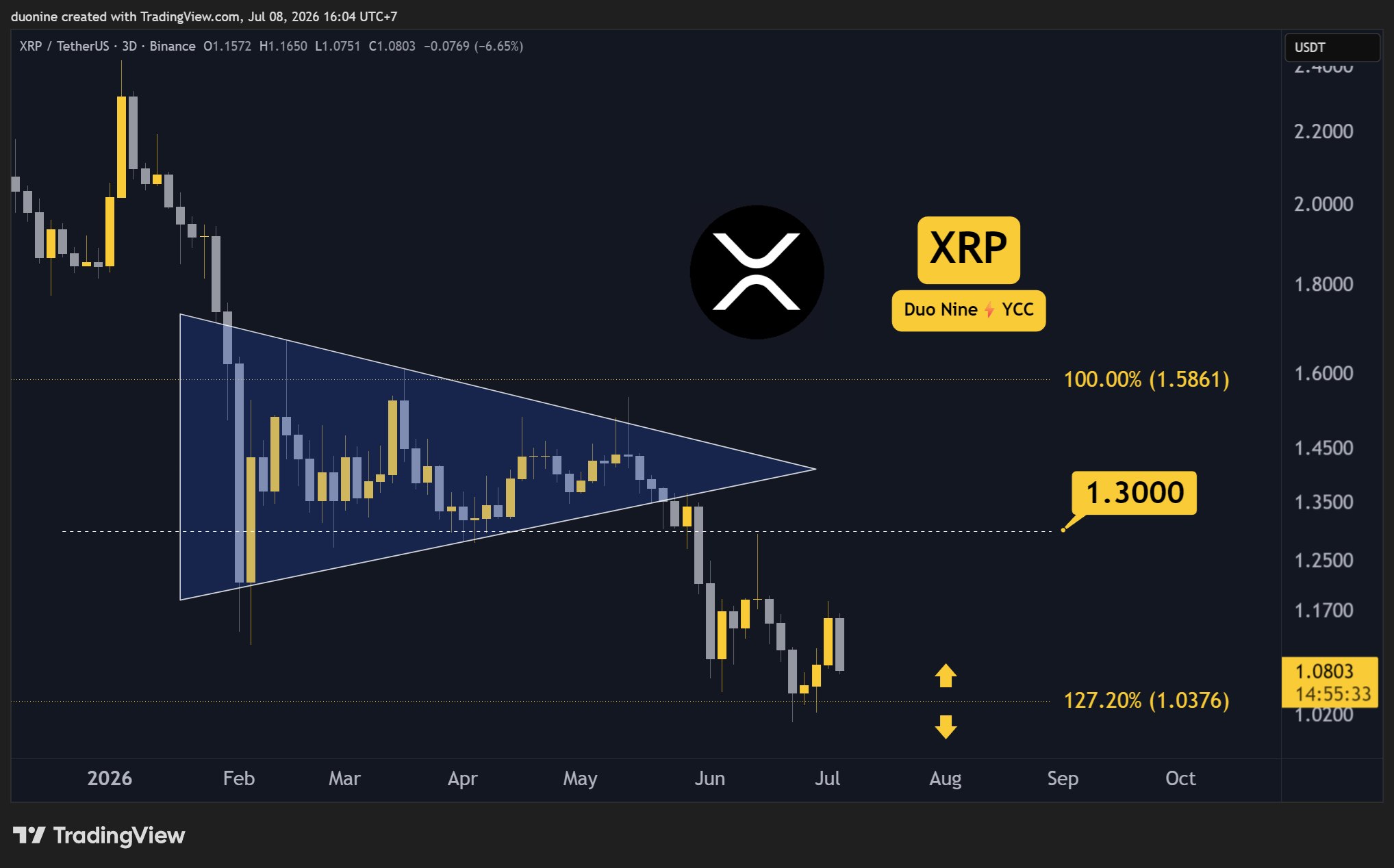
    Meanwhile, Crypto Coral has observed that XRP is consolidating within a triangle pattern, with its current valuation reacting from a key support zone. “Structures this large often lead to significant moves once resistance gives way,” the analyst noted.

  • سوزاندن شیبا اینو شتاب گرفت، اما SHIB همچنان می‌سوزد: جزئیات

    سوزاندن شیبا اینو شتاب گرفت، اما SHIB همچنان می‌سوزد: جزئیات

    افزایش چشمگیر سوزاندن توکن شیبا اینو؛ اما قیمت همچنان در سراشیبی

    در حالی که اخیراً شاهد بزرگترین میزان سوزاندن توکن شیبا اینو (SHIB) در شش ماه گذشته بودیم که معمولاً به عنوان یک سیگنال صعودی تلقی می‌شود، قیمت این ارز دیجیتال همچنان تحت فشار شدید بازار نزولی قرار دارد و عوامل متعددی حاکی از ادامه روند کاهشی در کوتاه‌مدت هستند.

    سوزاندن توکن‌ها و تأثیر آن بر عرضه

    در تاریخ ۸ جولای، تیم و جامعه شیبا اینو نزدیک به ۱۱۰ میلیون توکن را سوزاندند. با این حال، ارزش دلاری این توکن‌های ارسال شده به کیف پول مرده ناچیز است و با توجه به اینکه حدود ۵۸۵ تریلیون توکن همچنان در گردش هستند، برای ایجاد یک روند صعودی قابل توجه، نیاز به سوزاندن مقادیر بسیار بیشتری از توکن‌ها خواهد بود.

    مکانیزم سوزاندن توکن در سال ۲۰۲۲ معرفی شد و هدف نهایی آن کاهش عرضه و در نتیجه افزایش ارزش بالقوه توکن است، به شرطی که تقاضا ثابت بماند یا افزایش یابد. همچنین لازم به ذکر است که ویتالیک بوترین، بنیانگذار اتریوم، بخش قابل توجهی از حدود ۴۱۰.۸ تریلیون توکنی را که تاکنون سوزانده شده است، اهدا کرده بود.

    وضعیت فعلی قیمت و ارزش بازار

    در زمان نگارش این گزارش، شیبا اینو با قیمتی حدود ۰.۰۰۰۰۰۴۲۹ دلار معامله می‌شود که نشان‌دهنده ۸ درصد کاهش در ماه گذشته و افت ۹۵ درصدی نسبت به اوج تاریخی خود در سال ۲۰۲۱ است. ارزش بازار این ارز دیجیتال به حدود ۲.۵ میلیارد دلار کاهش یافته و جایگاه آن را از میان ۲۰ ارز دیجیتال برتر به سی و هفتمین دارایی دیجیتال بزرگ تنزل داده است.

    کاهش علاقه و پیش‌بینی‌های ناامیدکننده

    در گذشته، پیش‌بینی‌های قیمتی خوش‌بینانه متعددی برای شیبا اینو وجود داشت، اما اخیراً علاقه به این ارز دیجیتال کمرنگ شده و پیش‌بینی‌ها عمدتاً ناامیدکننده هستند. جیمز وین، معامله‌گر مشهور، اخیراً شیبا اینو را “قدیمی، مرده و خسته‌کننده” توصیف کرده و احیای احتمالی آن را در ۵ تا ۱۰ سال آینده پیش‌بینی کرده است، زمانی که “کمی نوستالژی” ممکن است آن را دوباره به صحنه بازگرداند.

    کاهش حجم معاملات و فعالیت در Shibarium

    افت شیبا اینو همزمان با کاهش حجم معاملات روزانه آن رخ داده است. حساب X با نام BSCN گزارش داده است که این رقم در ۱۲ ماه گذشته شاهد کاهش مداوم بوده و از ۶۳۷ میلیون دلار در جولای ۲۰۲۵ به حدود ۵۰ تا ۱۰۰ میلیون دلار در حال حاضر رسیده است.

    فعالیت متوقف شده در Shibarium، راه‌حل مقیاس‌پذیری لایه ۲ که در تابستان ۲۰۲۳ برای افزایش سرعت، بهبود مقیاس‌پذیری و کاهش کارمزدها راه‌اندازی شد، یکی دیگر از نشانه‌های نگران‌کننده است. این پلتفرم در ابتدا میلیون‌ها تراکنش را پردازش می‌کرد، اما پس از یک آسیب‌پذیری که عملیات آن را در سال گذشته مختل کرد، فعالیت روزانه آن به هزاران تراکنش کاهش یافته است.

    ضعف در بخش میم کوین‌ها

    عدم علاقه گسترده به بخش میم کوین‌ها نیز عاملی است که می‌تواند توانایی شیبا اینو را برای بازگشتی قاطع محدود کند. دوج کوین (DOGE) و بسیاری از رقبای آن در چرخه صعودی گذشته جزو توکن‌های با عملکرد برتر بودند، اما اکنون سایه‌ای از شکوه گذشته خود هستند. ارزش بازار بخش میم کوین‌ها که زمانی از ۱۲۰ میلیارد دلار عبور کرده بود، اکنون کمتر از ۲۳ میلیارد دلار است.

  • PayPal’s PYUSD Stablecoin Integrates with Polygon for Compliant Cross-Border Business Payments

    PayPal’s PYUSD Stablecoin Integrates with Polygon for Compliant Cross-Border Business Payments

    PayPal’s US dollar-backed stablecoin, PYUSD, has officially launched on the Polygon blockchain, introducing a new avenue for businesses to conduct cross-border payments with built-in compliance and fiat access. This integration aims to streamline international transactions by leveraging stablecoin technology within a regulated framework.

    According to the press release, businesses can now accept funds via cards, bank accounts, or exchange balances, convert them into PYUSD, and transfer these assets internationally. The system also facilitates cashing out into local currencies through a single, integrated process. Polygon Labs highlighted that this integration simplifies the deployment of stablecoin payments, reducing engineering efforts, operational costs, and the complexity of managing multiple vendors.

    The PYUSD stablecoin is issued by Paxos under a national Trust charter, operating under the supervision of the Office of the Comptroller of the Currency (OCC). This regulatory backing is presented as a key feature for businesses seeking compliant solutions for international financial activities.

    Polygon’s network has already established a significant presence in stablecoin transactions, having settled over $2.6 trillion in such transactions. Major financial players like Revolut and Stripe are already utilizing the Polygon network, underscoring its capacity and adoption in the payment ecosystem.

    Polygon Labs is strategically positioning itself within the growing stablecoin payment sector. The company is undergoing a restructuring and a pivot towards stablecoin-based payment solutions. This strategic direction is further evidenced by its agreements to acquire Coinme and Sequence for over $250 million. The acquisition of Coinme, in particular, has expanded Polygon’s operational footprint across 48 US states, bolstering its infrastructure for money transmission and compliance.

    Polygon Labs CEO Marc Boiron emphasized the objective to complete the core infrastructure for regulated stablecoin payments and money movement. The integration of PYUSD into Polygon’s Open Money Stack is anticipated to benefit a wide array of businesses, including payroll providers, online marketplaces, and remittance applications. These businesses may experience faster payouts, reduced transaction failures, and quicker access to local currencies compared to traditional banking methods.

    Why This Matters

    The materials describe a narrow update: PayPal’s US dollar-backed stablecoin, PYUSD, is now available on the Polygon blockchain. Bringing PYUSD natively into the Open Money Stack means a business can take money in, move it across borders, and cash it out in one integration, with compliance built in.

    Broader Context

    Source materials place the factual news in this context: PayPal’s US dollar-backed stablecoin, PYUSD, has launched on the Polygon blockchain through a native issuance by Paxos.

  • Circle Faces Scrutiny Over USDC Freeze Policy Following Criminal Complaint

    Circle Faces Scrutiny Over USDC Freeze Policy Following Criminal Complaint

    Circle Faces Criminal Complaint Over Stance on Recovering Stolen Crypto

    A criminal complaint filed by Wisconsin prosecutors against Circle, the company behind the USDC stablecoin, has reignited a critical debate: why does the world’s second-largest stablecoin issuer appear significantly less inclined than its competitor Tether to assist law enforcement in recovering stolen cryptocurrency?

    An investigation by the International Consortium of Investigative Journalists (ICIJ), published on July 8, highlights three key issues fueling this discussion. Circle maintains that it only freezes funds upon receiving valid legal orders. The company also disputes claims that it possesses the capability to simply “burn” and reissue stolen tokens, and it rejects allegations from New York prosecutors that it profits from leaving frozen assets untouched. Critics, however, argue that this policy leaves victims of scams in limbo while their funds disappear.

    The current legal challenge originated from a romance scam in Walworth County, Wisconsin. A resident, identified only as “Victim #1,” was persuaded to purchase USDC and transfer approximately 381,000 tokens to what was later revealed to be a fraudulent investment platform. After investigators successfully traced the funds, a judge issued an order for Circle to freeze the associated wallet, a directive the company promptly followed.

    Months later, the court escalated its actions, ordering Circle to invalidate the frozen tokens and issue an equivalent amount of new USDC to the Walworth County Sheriff’s Office. Circle refused, citing a lack of technical ability to burn and reissue USDC held within a third-party wallet. Prosecutors responded by filing a criminal complaint, a rare move against a company of Circle’s stature.

    Circle subsequently petitioned the court to dismiss the case, asserting that the Wisconsin court lacked jurisdiction and that prosecutors had disregarded alternative proposals it had put forth to compensate the victim. Thomas Binger, the Walworth County prosecutor, stated that the dispute underscores the speed at which scammers can move funds, often outpacing the legal system.

    The Wisconsin case is not the sole instance raising concerns. Earlier this year, New York prosecutors informed U.S. senators that Circle typically requires court orders before freezing USDC and has not consistently returned stolen funds even after courts have authorized their release. Given that stablecoin transactions settle within seconds, investigators contend that valuable time is frequently lost before the necessary legal documentation is finalized.

    New York prosecutors also leveled a more serious accusation, arguing that Circle continues to earn interest on the reserve assets backing frozen USDC. This, they contend, provides the company with minimal financial incentive to expedite the return of those funds. Circle has not acknowledged this claim.

    Blockchain researcher Yury Serov estimates that at least 119 million USDC tokens are currently frozen. While these tokens cannot be moved, they remain backed by reserve assets unless a permanent removal process is initiated.

    Circle’s technical explanation has also drawn criticism. Joshua Cooper-Duckett of Cryptoforensic Investigators told ICIJ that the company could modify its smart contracts to facilitate the burning and reissuing of tokens held in third-party wallets. Circle did not respond when questioned about its capacity to implement such changes.

    A detail from the court filings notably caught the attention of investigators. Circle disclosed that it had previously discussed a victim compensation process with federal prosecutors that involved permanently freezing stolen tokens before issuing replacement USDC. The company did not clarify whether this arrangement extends beyond federal cases.

    The disparity between Circle and Tether’s approaches is stark. Data from AMLBot indicates that Tether froze approximately $3.3 billion in USDT across more than 7,200 wallets between 2023 and 2025. In contrast, Circle froze about $109 million in USDC during the same period, a difference of roughly 30 times by value.

    Part of this discrepancy can be attributed to Tether’s burn-and-reissue mechanism. After freezing stolen USDT, the company can destroy those tokens and issue uncompromised replacements to law enforcement or victims. Tether states it has already reissued around $1.1 billion and frozen $4.7 billion linked to illicit activities. Circle does not currently offer a similar public process for third-party wallets, although its court filings suggest it has engaged in discussions about comparable arrangements with federal authorities.

    The companies also draw a line in different places regarding intervention. Tether has indicated that it sometimes acts before court involvement if law enforcement requests assistance. Circle, conversely, maintains that it only acts through formal legal channels, arguing this approach safeguards users from wrongful or politically motivated freezes. Investigators counter that by the time such orders are issued, stolen cryptocurrency is often long gone.

    Milwaukee County detective Scott Simons told ICIJ that he has encountered over a dozen cases where Circle either declined an early freeze request or where a court order arrived too late. For many victims, he noted, the outcome is simply that their money is lost.

  • XRP Tests $1 Support Amidst Declining Volume and Mixed Technical Signals

    XRP Tests $1 Support Amidst Declining Volume and Mixed Technical Signals

    XRP’s price is currently testing the critical $1 support level, a key psychological and technical juncture. However, the market’s conviction remains unclear, with declining trading volume and mixed technical indicators painting an ambiguous picture of XRP’s immediate future.

    Why This Matters

    The materials describe a narrow update: XRP’s price has fallen back to test the $1 support level after a brief rally. Whether the $1 support level can halt the decline.

    Broader Context

    Source materials place the market analysis in this context: XRP’s price has approached $1 in recent weeks, and now the key question is whether that level can halt the decline.

    The $1 Crossroads

    XRP’s price action this week has seen it fall back towards the $1 mark after a brief rally that reached approximately $1.18. Sellers have re-entered the market, and the asset is once again probing this significant support level. This follows a period in late June where XRP hovered above $1 for several days before buyers managed to push the price higher. The current situation raises questions about whether this level can halt the ongoing decline or if it represents a temporary pause before further losses.

    Volume and Conviction: A Fading Signal?

    A notable observation in the current market environment is the declining trading volume. Despite sellers appearing to be in control, the decrease in volume suggests a lack of strong conviction from either side. According to CryptoPotato, this could indicate that buyers are waiting for a more opportune moment to re-enter the market, rather than a definitive capitulation. This lack of conviction makes it difficult to ascertain the true strength of the selling pressure.

    Technical Indicators: Conflicting Narratives

    Technical indicators are also presenting a mixed narrative. The Relative Strength Index (RSI) on the daily timeframe has shown conflicting signals. This summer, the RSI made two attempts to move beyond the 50 level, a threshold often seen as a dividing line between bullish and recent price movement. However, on both occasions, the price experienced a full reversal, erasing any initial optimism. This pattern can be interpreted as bearish, as it suggests that attempts to gain recent price movement have been thwarted.

    Conversely, the RSI is currently exhibiting higher lows and higher highs. While this is generally considered an encouraging sign and could point to a developing bullish divergence, it remains unconfirmed. The analysis emphasizes that unless the price action mirrors these higher lows and highs, the divergence will not be validated, leaving its potential impact on the trend uncertain.

    Contextualizing the Support Level

    The overall trend for XRP remains bearish, a factor that weighs heavily on current price action. The collapse of buy pressure as soon as the price touched $1.18, paving the way for sellers to regain control, underscores this prevailing sentiment. The possibility that the current price action could be a ‘dead cat bounce’ before reaching new lows cannot be dismissed given the bearish trend.

    Key support for XRP is identified at $1, with resistance levels noted at $1.3, $1.6, and $2. The market is watching closely to see if the $1 support can hold. The absence of buyers from the order book since last Sunday further adds to the uncertainty surrounding XRP’s immediate price direction. The situation highlights a period of indecision, where the prevailing bearish trend is being challenged by subtle, unconfirmed bullish signals within technical indicators, all against a backdrop of waning trading volume.

  • شکایت کیفری علیه سرکل، سیاست مسدودسازی USDC را زیر ذره‌بین برد

    شکایت کیفری علیه سرکل، سیاست مسدودسازی USDC را زیر ذره‌بین برد

    شکایت کیفری دادستان‌های ویسکانسین علیه سرکل، شرکت پشتوانه USDC، پرسش ناخوشایندی را دوباره در کانون توجه قرار داده است: چرا صادرکننده دومین استیبل‌کوین بزرگ جهان، تمایل کمتری نسبت به تتر برای کمک به اجرای قانون در بازیابی ارزهای دیجیتال سرقت شده نشان می‌دهد؟

    تحقیقات کنسرسیوم بین‌المللی روزنامه‌نگاران تحقیقی (ICIJ) که در تاریخ ۸ جولای منتشر شد، به سه مسئله کلیدی در این بحث اشاره دارد. سرکل اصرار دارد که تنها پس از دریافت دستورات قانونی معتبر، وجوه را مسدود می‌کند. این شرکت ادعاهایی مبنی بر توانایی خود برای سوزاندن و مجدداً صادر کردن توکن‌های سرقت شده را رد می‌کند و اتهامات دادستان‌های نیویورک مبنی بر سود بردن از عدم رسیدگی به دارایی‌های مسدود شده را نیز نمی‌پذیرد. در مقابل، منتقدان می‌گویند این سیاست باعث می‌شود قربانیان کلاهبرداری در حالی که پولشان ناپدید می‌شود، منتظر بمانند.

    آغاز پرونده در ویسکانسین

    این پرونده با یک کلاهبرداری عاشقانه در شهرستان والورث، ویسکانسین آغاز شد. یکی از ساکنان که تنها با نام «قربانی شماره ۱» شناسایی شده، متقاعد شد که USDC خریداری کرده و حدود ۳۸۱ هزار توکن را به پلتفرمی سرمایه‌گذاری جعلی ارسال کند. پس از آنکه بازرسان وجوه را ردیابی کردند، قاضی به سرکل دستور داد تا کیف پول را مسدود کند. این شرکت نیز بدون تاخیر این کار را انجام داد.

    چند ماه بعد، دادگاه گام بعدی را برداشت و به سرکل دستور داد تا آن توکن‌های مسدود شده را بی‌اعتبار کرده و همان مقدار USDC جدید را به دفتر کلانتری شهرستان والورث صادر کند. سرکل این درخواست را رد کرد و گفت که توانایی فنی لازم برای سوزاندن و مجدداً صادر کردن USDC که در کیف پول شخص دیگری نگهداری می‌شود را ندارد. دادستان‌ها در پاسخ، شکایتی کیفری تنظیم کردند که اقدامی غیرمعمول علیه شرکتی در اندازه سرکل محسوب می‌شود.

    سرکل بعداً از دادگاه درخواست کرد تا پرونده را رد کند. این شرکت استدلال کرد که دادگاه ویسکانسین صلاحیت رسیدگی ندارد و دادستان‌ها پیشنهادهای جایگزینی را که برای جبران خسارت قربانی ارائه کرده بود، نادیده گرفته‌اند. توماس بینگر، دادستان شهرستان والورث، گفت که این اختلاف نشان می‌دهد کلاهبرداران چقدر سریع می‌توانند وجوه را جابجا کنند، در مقایسه با سرعت سیستم قضایی.

    اتهامات در نیویورک و نگرانی‌های گسترده‌تر

    پرونده ویسکانسین تنها موردی نیست که سوالاتی را مطرح می‌کند. اوایل سال جاری، دادستان‌های نیویورک به سناتورهای آمریکایی اعلام کردند که سرکل به طور کلی قبل از مسدود کردن USDC به دستورات دادگاه نیاز دارد و پس از تایید دادگاه برای آزادسازی، وجوه سرقت شده را به طور مداوم بازنگردانده است. از آنجایی که تراکنش‌های استیبل‌کوین در عرض چند ثانیه تسویه می‌شوند، بازرسان استدلال می‌کنند که قبل از تکمیل مدارک قانونی، زمان ارزشمند اغلب از دست می‌رود.

    دادستان‌های نیویورک همچنین اتهام جدی‌تری را مطرح کردند. آنها ادعا کردند که سرکل همچنان از دارایی‌های ذخیره پشتیبان USDC مسدود شده، بهره کسب می‌کند و این امر انگیزه مالی کمی برای بازگرداندن سریع این وجوه به شرکت ایجاد می‌کند. سرکل این ادعا را نپذیرفته است.

    یوری سروا، پژوهشگر بلاک‌چین، تخمین می‌زند که در حال حاضر حداقل ۱۱۹ میلیون USDC مسدود شده است. این توکن‌ها قابل جابجایی نیستند، اما تا زمانی که فرآیند دیگری آنها را به طور دائم حذف نکند، همچنان توسط دارایی‌های ذخیره پشتیبانی می‌شوند.

    توضیحات فنی سرکل نیز مورد انتقاد قرار گرفته است. جاشوا کوپر-دکت از کارآگاهان جرایم سایبری به ICIJ گفت که این شرکت می‌تواند قراردادهای هوشمند خود را برای پشتیبانی از سوزاندن و مجدداً صادر کردن توکن‌های نگهداری شده در کیف پول‌های شخص ثالث به‌روزرسانی کند. سرکل در پاسخ به این سوال که آیا می‌تواند این تغییرات را ایجاد کند، پاسخی نداد.

    یکی از جزئیات موجود در پرونده‌های دادگاه توجه بازرسان را جلب کرد. سرکل فاش کرد که قبلاً با دادستان‌های فدرال در مورد فرآیند جبران خسارت قربانی که شامل مسدود کردن دائمی توکن‌های سرقت شده قبل از صدور USDC جایگزین بود، گفتگو کرده است. این شرکت توضیح نداد که آیا این ترتیب در خارج از پرونده‌های فدرال نیز اعمال می‌شود یا خیر.

    تفاوت فاحش با تتر

    تفاوت بین سرکل و تتر به سختی قابل چشم‌پوشی است. داده‌های AMLBot نشان می‌دهد که تتر بین سال‌های ۲۰۲۳ تا ۲۰۲۵ حدود ۳.۳ میلیارد دلار USDT را در بیش از ۷۲۰۰ کیف پول مسدود کرده است. در همین دوره، سرکل حدود ۱۰۹ میلیون دلار USDC را مسدود کرده است که از نظر ارزش، اختلافی ۳۰ برابری را نشان می‌دهد.

    بخشی از این تفاوت ناشی از فرآیند سوزاندن و مجدداً صادر کردن تتر است. این شرکت پس از مسدود کردن USDT سرقت شده، می‌تواند آن توکن‌ها را از بین ببرد و جایگزین‌های تمیز را به اجرای قانون یا قربانیان صادر کند.

    تتر می‌گوید که تاکنون حدود ۱.۱ میلیارد دلار را مجدداً صادر کرده و ۴.۷ میلیارد دلار مرتبط با فعالیت‌های غیرقانونی را مسدود کرده است. سرکل در حال حاضر فرآیند عمومی مشابهی را برای کیف پول‌های شخص ثالث ارائه نمی‌دهد، اگرچه پرونده‌های دادگاهی آن نشان می‌دهد که با مقامات فدرال در مورد ترتیب‌های مشابهی گفتگو کرده است.

    این شرکت‌ها همچنین خطوط تمایز متفاوتی را ترسیم می‌کنند. تتر گفته است که گاهی اوقات قبل از دخالت دادگاه‌ها، در صورت درخواست کمک از سوی اجرای قانون، اقدام می‌کند. سرکل می‌گوید که تنها از طریق فرآیند قانونی رسمی پاسخ می‌دهد و استدلال می‌کند که این رویکرد از کاربران در برابر مسدودسازی‌های نادرست یا با انگیزه‌های سیاسی محافظت می‌کند. بازرسان در مقابل می‌گویند که تا زمان رسیدن این دستورات، ارز دیجیتال سرقت شده اغلب مدت‌هاست که از بین رفته است.

    اسکات سیمونز، کارآگاه شهرستان میلواکی، به ICIJ گفت که او در بیش از دوازده پرونده کار کرده است که در آنها سرکل یا درخواست مسدودسازی اولیه را رد کرده یا دستور دادگاه دیر رسیده است. او گفت که برای بسیاری از قربانیان، پاسخ این است که پولشان از دست رفته است.

  • مونی‌پِی، عوامل هوش مصنوعی رمزارزی خود را به تلگرام آورد

    مونی‌پِی، عوامل هوش مصنوعی رمزارزی خود را به تلگرام آورد

    MoonPay دستیار هوش مصنوعی ارز دیجیتال خود را به تلگرام می‌آورد

    شرکت MoonPay روز پنجشنبه اعلام کرد که دستیار هوش مصنوعی ارز دیجیتال خود را به تلگرام می‌آورد و به کاربران امکان می‌دهد از طریق این پلتفرم پیام‌رسان با MoonAgents تعامل داشته باشند.

    به گفته کوین آرفین، مدیر محصول MoonAgents، این ادغام بر پایه اپلیکیشن دسکتاپ MoonAgents شرکت بنا شده و به کاربران امکان می‌دهد زمانی که دور از رایانه خود هستند، به دستیار هوش مصنوعی خود دسترسی داشته باشند.

    آرفین در مصاحبه‌ای با Decrypt گفت: «اپلیکیشن دسکتاپ به رایانه شما متصل است، اما گاهی اوقات می‌خواهید در حال حرکت معامله کنید یا زمانی که بیرون قدم می‌زنید، تحلیل انجام دهید. ادغام تلگرام دروازه‌ای برای انجام این کار است.»

    مشابه OpenClaw و Hermes Agent، MoonAgents از تلگرام به عنوان رابطی برای تعامل کاربران با یک عامل هوش مصنوعی استفاده می‌کند. آرفین گفت که کاربران از طریق BotFather یک ربات سفارشی ایجاد می‌کنند، آن را به اپلیکیشن دسکتاپ MoonAgents متصل می‌کنند و می‌توانند از عامل بخواهند بازارها را تحلیل کند، تراکنش‌ها را آماده سازد و فعالیت بلاک‌چین را نظارت کند. (افشای اطلاعات: MoonPay Ventures یکی از سرمایه‌گذاران Dastan، شرکت مادر Decrypt است.)

    در حالی که بسیاری از بخش ارزهای دیجیتال از تلگرام برای ارتباط استفاده می‌کنند، آرفین گفت که تلگرام نه تنها به دلیل محبوبیتش در میان کاربران ارز دیجیتال انتخاب شده است.

    آرفین گفت: «دلیل اینکه تلگرام را به عنوان اولین ادغام برای اپلیکیشن دسکتاپ Moon Agents انتخاب کردیم، واقعاً این نیست که تمام ارزهای دیجیتال از آن استفاده می‌کنند. او با اشاره به راه‌اندازی اضافی مورد نیاز برای ادغام‌های مشابه با سرویس‌هایی مانند واتس‌اپ یا iMessage، خاطرنشان کرد که آن‌ها رابط کاربری بسیار خوبی برای ایجاد یک ربات جدید ارائه می‌دهند و پلتفرم‌های پیام‌رسان دیگر اصطکاک بیشتری ایجاد می‌کنند.»

    به گفته آرفین، پروژه‌های عامل هوش مصنوعی مانند OpenClaw و Hermes Agent نیز با نشان دادن چگونگی عملکرد دستیاران هوش مصنوعی خارج از رابط‌های چت‌بات سنتی، بر MoonAgents تأثیر گذاشتند.

    آرفین گفت: «من فکر می‌کنم OpenClaw واقعاً تجربه LLMها را بازتعریف کرد، به خصوص با LLMهایی که می‌توانند به رایانه شما دسترسی داشته باشند.»

    در حالی که تلگرام رابط کاربری را فراهم می‌کند، آرفین گفت که MoonAgents به گونه‌ای طراحی شده است که کاربران برای دسترسی به عامل خود به پلتفرم پیام‌رسان وابسته نباشند.

    آرفین گفت: «من فکر می‌کنم بهترین بخش این است که تمرکز اپلیکیشن دسکتاپ Moon Agents بر این است که همه چیز در رایانه شما ذخیره می‌شود، بنابراین حتی اگر تلگرام فردا تعطیل شود و دیگر نتوانید عامل خود را در حال حرکت همراه داشته باشید، تمام مکالمات شما همچنان در رایانه شما وجود دارد. شما می‌توانید مکالمه خود را از طریق اپلیکیشن دسکتاپ Moon Agent ادامه دهید و اساساً آن مکالمه را ادامه دهید، گویی تلگرام هرگز وجود نداشته است.»

    این خبر در حالی منتشر می‌شود که شرکت‌های ارز دیجیتال به توسعه زیرساخت‌هایی ادامه می‌دهند که به عوامل هوش مصنوعی اجازه می‌دهد با دارایی‌های دیجیتال و خدمات آنلاین تعامل داشته باشند. در ماه آوریل، Gemini پلتفرم Agentic Trading را راه‌اندازی کرد که به کاربران امکان می‌دهد مدل‌های هوش مصنوعی از جمله ChatGPT و Claude را برای اجرای استراتژی‌های معاملاتی از طریق ابزارهای صرافی متصل کنند.

    در ماه ژوئن، Coinbase ابزار Coinbase for Agents را راه‌اندازی کرد که به عوامل هوش مصنوعی اجازه می‌دهد در محدوده‌های تعریف شده توسط کاربر، ارز دیجیتال معامله کنند، پرداخت انجام دهند و سبد سهام را مدیریت کنند. همچنین در ماه ژوئن، Nous Research نسخه دسکتاپ Hermes Agent را منتشر کرد و عامل هوش مصنوعی متن‌باز را از یک ابزار خط فرمان به یک برنامه مستقل تبدیل کرد.

  • پای‌پال استیبل‌کوین خود را با رعایت مقررات و دسترسی به ارز فیات در پالیگان راه‌اندازی کرد

    پای‌پال استیبل‌کوین خود را با رعایت مقررات و دسترسی به ارز فیات در پالیگان راه‌اندازی کرد

    استیبل‌کوین پی‌پال، PYUSD، بر روی بلاکچین پالیگان راه‌اندازی شد؛ تسهیل پرداخت‌های فرامرزی با قابلیت انطباق داخلی

    پی‌پال با راه‌اندازی استیبل‌کوین دلاری خود، PYUSD، بر روی بلاکچین پالیگان، گامی مهم در جهت تسهیل پرداخت‌های فرامرزی برای کسب‌وکارها برداشته است. این اقدام که از طریق صدور بومی توسط Paxos صورت گرفته، به شرکت‌ها امکان می‌دهد تا از این توکن در اکوسیستم Open Money Stack پالیگان برای تراکنش‌های بین‌المللی استفاده کنند.

    شرکت‌هایی که در حال حاضر پرداخت‌های خود را بر روی پالیگان پردازش می‌کنند، می‌توانند به طور مستقیم از طریق کیف پول‌ها، درگاه‌های تبدیل ارز فیات و خدمات انطباق که پیش از این استفاده می‌کردند، به PYUSD دسترسی یابند.

    بر اساس اطلاعیه مطبوعاتی که در اختیار CryptoPotato قرار گرفته است، کسب‌وکارها اکنون می‌توانند وجوه را از طریق کارت‌ها، حساب‌های بانکی یا موجودی صرافی‌ها دریافت کرده، PYUSD را به صورت بین‌المللی تبدیل و منتقل کنند و از طریق یک سیستم یکپارچه، آن را به ارزهای محلی خود تبدیل نمایند. Polygon Labs اعلام کرده است که این امر با کاهش نیاز به کارهای مهندسی، پایین آوردن هزینه‌های عملیاتی و جایگزینی روابط با چندین فروشنده با یکپارچه‌سازی واحد، فرآیند استقرار پرداخت‌های استیبل‌کوین را ساده‌تر می‌کند.

    پالیگان خاطرنشان کرده است که شبکه آن تاکنون بیش از ۲.۶ تریلیون دلار تراکنش استیبل‌کوین را تسویه کرده و توسط شرکت‌هایی از جمله Revolut و Stripe مورد استفاده قرار می‌گیرد. انتظار می‌رود این راه‌اندازی یکپارچه به طیف گسترده‌ای از کسب‌وکارها، از جمله ارائه‌دهندگان حقوق و دستمزد که به پیمانکاران در کشورهای مختلف پرداخت می‌کنند، بازارهای آنلاین که با فروشندگان بین‌المللی تسویه حساب می‌کنند، و اپلیکیشن‌های حواله که پول را به بازارهای نوظهور ارسال می‌کنند، سود برساند.

    کاربران نهایی نیز می‌توانند شاهد پرداخت‌های سریع‌تر، کاهش تراکنش‌های ناموفق و دسترسی سریع‌تر به ارز محلی باشند، در حالی که از بسیاری از تأخیرها و هزینه‌های مرتبط با بانکداری سنتی مکاتبه‌ای اجتناب می‌کنند.

    PYUSD توسط Paxos تحت مجوز Trust ملی که توسط دفتر کنترل ارز (OCC) نظارت می‌شود، صادر شده است.

    مارک بویرون، مدیرعامل Polygon Labs، در اظهاراتی در خصوص این تحول گفت: «ادغام بومی PYUSD در Open Money Stack به این معنی است که یک کسب‌وکار می‌تواند پول را دریافت کند، آن را در سراسر مرزها جابجا کند و در یکپارچه‌سازی واحد، با انطباق داخلی، آن را نقد کند. هنگامی که یک استیبل‌کوین تحت نظارت فدرال بر روی زیرساختی که در حال حاضر پول را در مقیاس جابجا می‌کند، در دسترس قرار می‌گیرد، کسب‌وکارها دیگر نمی‌پرسند که آیا پرداخت‌های استیبل‌کوین آماده هستند یا خیر، بلکه شروع به پرسیدن این می‌کنند که با آن‌ها چه می‌توانند بسازند.»

    این تحول در بحبوحه بازسازی Polygon Labs و تمرکز بر پرداخت‌های مبتنی بر استیبل‌کوین صورت می‌گیرد. اوایل سال جاری، این شرکت اعلام کرد که توافق‌نامه‌های قطعی برای خرید Coinme و Sequence به ارزش بیش از ۲۵۰ میلیون دلار امضا کرده است. هدف از این خریدها، تکمیل زیرساخت اصلی برای پرداخت‌های استیبل‌کوین تحت نظارت و جابجایی پول بود.

    از طریق Coinme، پالیگان همچنین حضور خود را در ایالات متحده گسترش داد و با کسب مجوزهای انتقال پول و زیرساخت‌های انطباق، یک پلتفرم رمزارز به عنوان سرویس (Crypto-as-a-Service)، زیرساخت کیف پول دارای مجوز، APIهای سازمانی و شبکه‌ای خرده‌فروشی با حدود ۵۰,۰۰۰ شعبه در ۴۸ ایالت، فعالیت خود را آغاز کرد.

  • Kansas Athletics Partners with Ripple; XRP Price Remains Stable Amidst Branding Initiative

    Kansas Athletics Partners with Ripple; XRP Price Remains Stable Amidst Branding Initiative

    Kansas Athletics has entered into a multi-year partnership with Ripple, which will feature Ripple’s branding across various sports team uniforms and during broadcasts. This collaboration aims to enhance Ripple’s brand awareness and credibility through exposure during Big 12 conference events and associated social media. Despite the announcement, XRP’s price action has remained relatively stable, trading near $1.09, suggesting the market is awaiting more substantial catalysts beyond branding efforts.

    The partnership will see Ripple’s branding integrated into uniforms for Kansas Athletics’ football, basketball, baseball, volleyball, softball, rowing, and other programs. This initiative is characterized as a branding push focused on credibility, rather than an immediate strategy to acquire new users. According to the article, while increased brand awareness is beneficial, markets typically require tangible proof of adoption or demand before significantly impacting an asset’s price.

    XRP’s Trading Range and Technical Outlook

    Currently, XRP is trading within a familiar range, generally between $1.00 and $1.20. Technical analysis indicates support levels are situated around $1.00 to $1.05, with resistance noted between $1.15 and $1.20. The source states that the current chart favors a wait-and-see approach, with recent price movements appearing indecisive. Neither bulls nor bears have significant cause for celebration as XRP remains consolidated between these key levels.

    For XRP to experience a sustained upward movement, stronger adoption or fresh institutional demand would likely be necessary. The article suggests that while the partnership is a positive headline, price charts have not yet reflected a significant shift. Traders are reportedly seeking stronger catalysts before chasing higher prices, and the current setup points towards continued sideways trading in the base case scenario, between $1.05 and $1.15.

    Losing the $1.05 support level could place the $1.00 mark under pressure, potentially leading to a deeper pullback if that level is breached. Conversely, a decisive move above $1.20, supported by solid volume, could shift momentum towards the $1.40 area, though this is presented as a potential target after a breakout rather than an immediate expectation.

    Broader Market Context

    In a broader market context, the article briefly mentions infrastructure plays as areas where traders are seeking asymmetric returns while larger-cap cryptocurrencies consolidate. LiquidChain ($LIQUID), described as a Layer 3 infrastructure project aiming to address fragmented liquidity across Bitcoin, Ethereum, and Solana, has reportedly raised $890,000 in its presale, with the current price of $LIQUID at $0.01478. This mention serves to highlight other market activities rather than drawing a direct comparison to XRP’s current situation.

    Ultimately, the partnership between Kansas Athletics and Ripple is viewed as a positive development for brand recognition. However, as reported by Cryptonews, the market’s reaction underscores the principle that even compelling stories require tangible buyer interest and fundamental growth drivers to translate into significant price appreciation. Macro events, regulatory developments, or fresh institutional demand are cited as potential factors that could eventually influence XRP’s trajectory beyond its current trading range.

    Why This Matters

    The materials describe a narrow update: Kansas Athletics has entered into a multi-year partnership with Ripple, which will include Ripple’s branding on uniforms for football, basketball, baseball, volleyball, softball, rowing, and other sports programs. Whether the partnership will lead to increased XRP adoption or demand.

  • Paradigm Secures $1.2B Fund as Crypto VC Eyes AI

    Paradigm Secures $1.2B Fund as Crypto VC Eyes AI

    Paradigm Raises $1.2 Billion Fund, Expanding Beyond Crypto into AI

    Venture capital firm Paradigm has announced the closure of a $1.2 billion fund, signaling a significant expansion of its investment focus beyond its traditional cryptocurrency stronghold into artificial intelligence (AI) and robotics.

    Founded in 2018 by Matt Huang and Coinbase co-founder Fred Ehrsam, Paradigm established itself as a prominent backer of the crypto industry. This latest move marks a notable broadening of its investment scope. The firm has already allocated capital to companies outside the crypto space, including drone-delivery firm Zipline, valued at $7.6 billion, and space-defense startup True Anomaly, valued at $2.2 billion.

    The shift is not entirely unexpected. AI startups captured approximately 70% of global venture funding in the last quarter, while cryptocurrency deal volumes have seen a sharp decline, with Bitcoin down about 30% year-to-date. Managing partner Alana Palmedo described the move as capitalizing on opportunity rather than a retreat from crypto, telling Bloomberg that while crypto remains an “exciting frontier,” there is “so much else happening right now that’s pretty hard to ignore.”

    Paradigm maintains that it is not abandoning its crypto investments. The firm recently co-led Morpho’s $175 million funding round in June and led a seed round for a tokenized-Treasuries startup this month. It also holds stakes in prediction-market firms like Kalshi. Huang has long advocated that crypto and AI are not mutually exclusive, and Paradigm is evaluating AI deals with its existing technical team, rather than establishing a separate division. Nevertheless, the distinction between crypto and AI is increasingly blurring at the investor level.

    BNB Chain Unveils New Layer-1 Blockchain for AI Agents

    BNB Chain has revealed its roadmap for the second half of 2026, which centers on the development of a new Layer-1 blockchain specifically designed for “agentic trading.” This technology aims to support autonomous AI agents capable of executing trades, managing portfolios, and providing liquidity independently.

    The proposed blockchain is engineered to handle over 100,000 transactions per second, with preconfirmation times under 50 milliseconds and finality under one second. The goal is to achieve the speed of centralized exchanges while maintaining self-custody capabilities. This new network would be the fourth in the BNB ecosystem, joining BNB Smart Chain, opBNB, and Greenfield. A testnet is slated for late 2026, with the mainnet expected in early 2027.

    The infrastructure is being built with machines, rather than humans, as the primary users. To accommodate the millisecond execution needs of AI agents, the chain will eliminate the public mempool—the shared waiting area for pending transactions—and replace it with a private flow to prevent front-running and sandwich attacks. The roadmap also incorporates native privacy features, account abstraction, AI-powered security, and research into post-quantum cryptography. This hybrid approach will layer quantum-resistant protection over current cryptography without requiring users to migrate their addresses.

    BNB Chain enters a competitive landscape of high-throughput blockchain solutions, which already includes Solana’s Firedancer, Monad, and MegaETH. The venture is based on a market that is still nascent, with autonomous agents having settled only $73 million across 176 million blockchain transactions in the past year. However, the trajectory suggests significant future growth, as major companies like Google, Coinbase, and Visa are developing agentic payment systems, and McKinsey projects that retail agentic commerce could reach $5 trillion by the end of the decade. The feasibility of BNB Chain delivering an ambitious new Layer-1 on schedule remains an open question, but the project represents a significant undertaking.