Author: Admin_Up

  • Bitcoin Holds Ground Amidst Bearish Sentiment

    Bitcoin Holds Ground Amidst Bearish Sentiment

    Bitcoin Shows Resilience Amidst Bearish Pressure

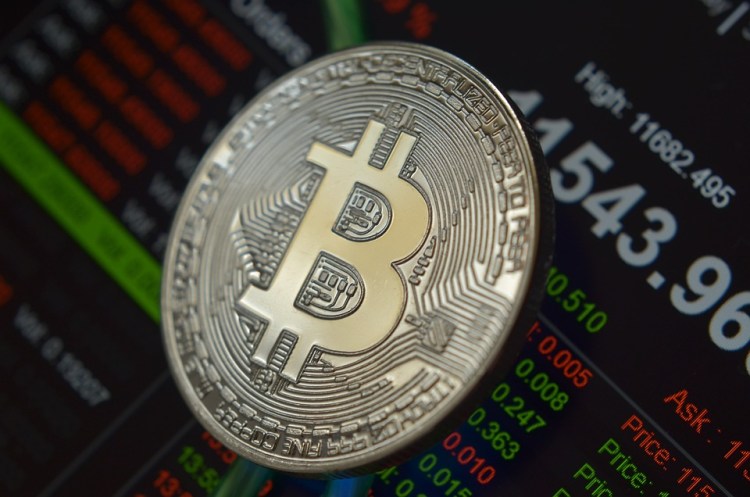
    Bitcoin continues to demonstrate resilience despite facing mounting bearish pressure below the critical $78,800 resistance zone. Although short-term volatility and repeated rejections have slowed bullish momentum, the overall market structure still indicates an active uptrend, with buyers continuing to defend key support levels and positioning for a potential rebound.

    Bitcoin Finds New Support Around $77,000

    In a recent market assessment, Ultimae highlights that while Bitcoin briefly dipped below the $78,700 support level, the $77,000 zone is currently functioning as the primary defensive floor. This transition suggests that the market is successfully absorbing recent selling pressure, with $77,000 acting as a key technical pivot for bulls to stabilize the price.

    Currently, market participants are closely monitoring the Exponential Moving Average (EMA) as a decisive technical indicator. The asset’s ability to hold above this moving average suggests that short-term momentum is attempting to base, providing a foundation for the next potential move. Should price action result in a clear breach of this immediate support, $75,700 is the next area of interest where liquidity may be gathered. Further downside pressure from that point would bring the $73,500 support into focus, a level that has historically served as a critical zone for institutional interest.

    Despite the recent pullback, Ultimae maintains a distinctly bullish perspective, asserting that Bitcoin’s broader uptrend remains firmly intact. The analyst views the current price decline as a healthy consolidation phase rather than a shift in the longer-term structural trend. To invalidate this upward structure, the price would need to break decisively through the support line of the red box highlighted on the chart. Until that boundary is breached, the current market environment is viewed as constructive. While a minor drift toward $73,500 remains a possibility, the expectation is for a recovery bounce to materialize soon.

    Bitcoin Rebounds Strongly After Triple Retest

    Bitcoin has demonstrated resilience by retesting the 4-hour bullish order block (OB) three times, resulting in a healthy rebound of $1,700 that successfully cleared the $77,400 resistance level. According to analyst Qingtianbtc, this recovery to the $78,300 level and the subsequent move toward the 4-hour bearish OB are well within expected market behavior.

    The current upward movement is interpreted as a temporary relief rally rather than a trend reversal. Investors should anticipate that any push into the $78,300 to $78,800 range will serve as a point of exhaustion before the asset resumes its downward trajectory. Meanwhile, the 4-hour bearish OB, spanning from $78,800 to $79,600, currently acts as a zone of significant resistance, as a sustained breakout above this range remains unlikely in the immediate term.
  • Bitcoin Worth Nearly $500B Vulnerable to Quantum Computing: Glassnode

    Bitcoin Worth Nearly $500B Vulnerable to Quantum Computing: Glassnode

    Bitcoin Vulnerable to Quantum Computing Threat

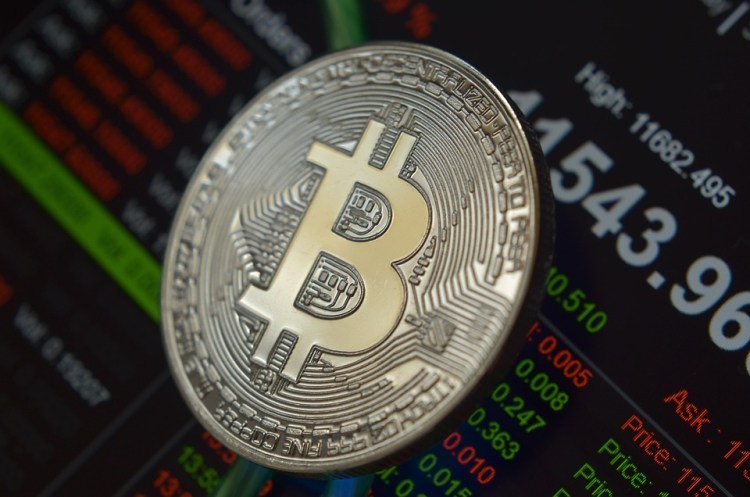
    Nearly one-third of all Bitcoin in circulation, representing over 6 million coins and valued at over $469 billion at the time of writing, is potentially vulnerable to theft if powerful quantum computers become a reality, according to a report published Wednesday by blockchain analytics firm Glassnode.

    The analysis examined the Bitcoin blockchain to identify coins with exposed public cryptographic keys. It found that 6.04 million BTC, or 30.2% of the total supply, is susceptible to quantum risk, while the remaining 13.99 million BTC shows no public-key exposure. This estimate of exposed coins is lower than some previous figures, which have been closer to 7 million BTC.

    The concern stems from the architecture of Bitcoin’s security. Each coin is controlled by a private key, which corresponds to a public key visible on the blockchain under specific circumstances. The potential threat is that a sufficiently advanced quantum computer, using an algorithm known as Shor’s algorithm, could theoretically recover a private key from a known public key.

    In such a scenario, any coin whose public key has already been revealed on-chain would be immediately vulnerable, requiring no transaction to be initiated.

    Categories of Exposure

    Glassnode divides the exposed supply into two categories. Structural exposure accounts for 1.92 million BTC, or 9.6% of the issued supply. These coins are locked in script formats that inherently reveal the public key, including early “pay-to-public-key” outputs associated with Bitcoin’s pseudonymous founder, Satoshi Nakamoto, legacy multisignature structures, and more recent Taproot outputs. Many of these coins may be effectively unrecoverable, such as those in lost wallets or dormant holdings that cannot be moved to safer address formats.

    The larger and more actionable category is what Glassnode terms operational exposure. This category totals 4.12 million BTC, or 20.6% of the issued supply. These coins were not initially vulnerable but became so through address reuse, a practice where a wallet receives multiple transactions at the same address, eventually broadcasting the public key during a spend and leaving any remaining balance exposed.

    Exchange Vulnerabilities

    Exchanges are significantly represented in this category. Within the operationally unsafe category, 1.66 million BTC, or 8.3% of the total supply, is exchange-related, accounting for approximately 40% of all operationally unsafe Bitcoin. The exposure varies significantly across platforms. Among the largest exchanges, Coinbase’s labeled balances appear largely concentrated in non-exposed structures, with only 5% exposed, while Binance and Bitfinex show comparatively high susceptible balances—85% and 100%, respectively.

    Glassnode emphasized that its findings should not be interpreted as a risk ranking or a signal of solvency for any particular firm, stressing that the data reflects custody design choices rather than imminent danger. Sovereign Bitcoin holdings fared considerably better, with the United States, United Kingdom, and El Salvador all showing zero quantum exposure.

    Mitigation Strategies and Future Developments

    The report does not predict when, or if, a quantum computer capable of cracking Bitcoin’s encryption will exist. Instead, it presents its analysis as a baseline, noting that for exchanges and custodians, address hygiene, reserve management, reduced key reuse, and migration planning are practical measures to reduce visible exposure.

    These findings come as quantum computing advances globally and as the Bitcoin developer community discusses protocol-level responses, including a proposed update known as BIP-360, which would introduce more quantum-resistant transaction formats. Another official proposal suggests freezing coins that are not migrated by a set deadline.

    Estimates for “Q-Day”—when a quantum computer becomes powerful enough to crack the cryptography securing blockchains like Bitcoin and Ethereum—range from 2030 to 2032 and beyond. On Thursday, the United States government announced that it will invest over $2 billion in quantum startups and planned foundries to fuel American industry.

  • ‏بیت‌کوین همچنان صعودی است؛ مقاومت در برابر فشار نزولی زیر ۷۸۸۰۰ دلار

    ‏بیت‌کوین همچنان صعودی است؛ مقاومت در برابر فشار نزولی زیر ۷۸۸۰۰ دلار

    ‏بیت‌کوین همچنان مقاومت خود را در برابر فشارهای نزولی فزاینده در زیر ناحیه مقاومت حیاتی ۷۸۸۰۰ دلار نشان می‌دهد. در حالی که نوسانات کوتاه‌مدت و رد شدن‌های مکرر، سرعت حرکت صعودی را کاهش داده است، ساختار کلی بازار همچنان یک روند صعودی فعال را نشان می‌دهد، زیرا خریداران به دفاع از سطوح حمایتی کلیدی و موقعیت‌گیری برای یک جهش احتمالی دیگر ادامه می‌دهند.

    بیت‌کوین حمایت جدیدی در حدود ناحیه ۷۷۰۰۰ دلار پیدا می‌کند

    در یک ارزیابی اخیر بازار، Ultimae خاطرنشان می‌کند که در حالی که بیت‌کوین به طور خلاصه به زیر سطح حمایت ۷۸۷۰۰ دلار سقوط کرد، ناحیه ۷۷۰۰۰ دلار در حال حاضر به عنوان کف دفاعی اصلی عمل می‌کند. این انتقال نشان می‌دهد که بازار با موفقیت در حال جذب فشار فروش اخیر است، و ۷۷۰۰۰ دلار به عنوان یک محور فنی کلیدی برای تثبیت قیمت توسط گاوها عمل می‌کند.

    در حال حاضر، شرکت‌کنندگان بازار از نزدیک میانگین متحرک نمایی (EMA) را به عنوان یک شاخص فنی تعیین‌کننده زیر نظر دارند. توانایی این دارایی در حفظ موقعیت بالای این میانگین متحرک نشان می‌دهد که حرکت کوتاه‌مدت در حال تلاش برای تثبیت است و زمینه‌ای را برای گام بعدی احتمالی فراهم می‌کند. اگر عملکرد قیمت منجر به عبور واضح از این حمایت فوری شود، ۷۵۷۰۰ دلار منطقه مورد توجه بعدی است که ممکن است نقدینگی در آن جمع شود. فشار نزولی بیشتر از آن نقطه، حمایت ۷۳۵۰۰ دلاری را مورد توجه قرار می‌دهد، سطحی که از نظر تاریخی به عنوان یک منطقه حیاتی برای علاقه نهادی عمل کرده است.

    علیرغم عقب‌نشینی اخیر، Ultimae دیدگاهی کاملاً صعودی را حفظ می‌کند و ادعا می‌کند که روند صعودی گسترده‌تر بیت‌کوین همچنان ثابت است. این تحلیلگر، کاهش قیمت فعلی را به عنوان یک فاز تثبیت سالم به جای تغییری در روند ساختاری بلندمدت می‌بیند. برای بی‌اعتبار کردن این ساختار صعودی، قیمت باید به طور قاطع از خط حمایت کادر قرمز مشخص شده در نمودار عبور کند. تا زمانی که از این مرز عبور نشود، محیط فعلی بازار سازنده تلقی می‌شود. در حالی که یک حرکت جزئی به سمت ۷۳۵۰۰ دلار همچنان یک احتمال است، انتظار می‌رود که یک جهش بازیابی به زودی محقق شود.

    بیت‌کوین پس از سه بار آزمایش مجدد بلوک سفارش صعودی، به شدت جهش می‌کند

    بیت‌کوین با آزمایش مجدد سه باره بلوک سفارش صعودی ۴ ساعته (OB)، انعطاف‌پذیری خود را نشان داده است که منجر به یک جهش سالم ۱۷۰۰ دلاری شد و با موفقیت سطح مقاومت ۷۷۴۰۰ دلار را پاک کرد. به گفته تحلیلگر Qingtianbtc، این بازیابی به سطح ۷۸۳۰۰ دلار و حرکت متعاقب آن به سمت OB نزولی ۴ ساعته، کاملاً در محدوده رفتار مورد انتظار بازار است.

    حرکت صعودی فعلی به عنوان یک رالی تسکین موقت تفسیر می‌شود نه یک تغییر روند. سرمایه‌گذاران باید پیش‌بینی کنند که هرگونه فشار به محدوده ۷۸۳۰۰ تا ۷۸۸۰۰ دلار به عنوان یک نقطه فرسودگی عمل می‌کند، قبل از اینکه دارایی مسیر نزولی خود را از سر بگیرد. در همین حال، OB نزولی ۴ ساعته، که از ۷۸۸۰۰ تا ۷۹۶۰۰ دلار امتداد دارد، در حال حاضر به عنوان یک منطقه مقاومت قابل توجه عمل می‌کند. حفظ یک شکست پایدار در بالای این محدوده در کوتاه‌مدت بعید به نظر می‌رسد.

    تصویر ویژه از Pixabay، نمودار از Tradingview.com.

  • Spotify, Universal Partner on AI Remix Tool

    Spotify, Universal Partner on AI Remix Tool

    Taylor Swift Fans Could Soon Remix Her Songs Legally on Spotify

    Spotify users may soon be able to legally generate AI remixes of Taylor Swift’s songs.

    Spotify and Universal Music Group announced licensing agreements on Thursday that will allow Spotify Premium users to create AI-generated covers and remixes using music from participating artists and songwriters.

    “The most valuable innovations in the music business always bring artists and fans closer together,” said Lucian Grainge, Chairman and CEO of Universal Music Group, in a statement. “That principle is at the heart of this pioneering AI-enabled superfan initiative, which is designed to support human artistry, deepen fan relationships, and create additional revenue opportunities for artists and songwriters.”

    Universal Music Group represents artists including Taylor Swift, Chappell Roan, The Weeknd, Sabrina Carpenter, Lana Del Rey, Post Malone, Billie Eilish, and Olivia Rodrigo.

    AI Music Controversy

    The debate over AI-generated music intensified in 2023 after a fake song using AI versions of Drake and The Weeknd’s voices circulated on Spotify and YouTube before Universal Music Group compelled platforms to remove it. More recently, Taylor Swift moved to trademark parts of her voice and image after AI-generated deepfakes and fake endorsements targeting the singer spread online.

    Tech Platforms Experiment with AI Remix Tools

    The announcement also coincides with increasing experimentation with AI remix tools by tech platforms. Earlier this week at Google I/O, YouTube introduced a Shorts Remix feature powered by Gemini that allows users to reimagine other people’s videos by turning them into anime clips, pixel art, or altered scenes with added characters and effects.

    Spotify stated that the new tool will launch as a paid add-on for Spotify Premium subscribers. Fans will be able to generate licensed covers and remixes using generative AI technology, while participating artists and songwriters will receive compensation tied to the AI-generated works created on the platform.

    “Solving hard problems for music is what Spotify does, and fan-made covers and remixes are next,” said Alex Norström, Spotify Co-CEO, in a statement. “What we’re building is grounded in consent, credit, and compensation for the artists and songwriters that take part.”

  • Binance Sees XRP Whale Activity Surge, Contrasting Coinbase Data

    Binance Sees XRP Whale Activity Surge, Contrasting Coinbase Data

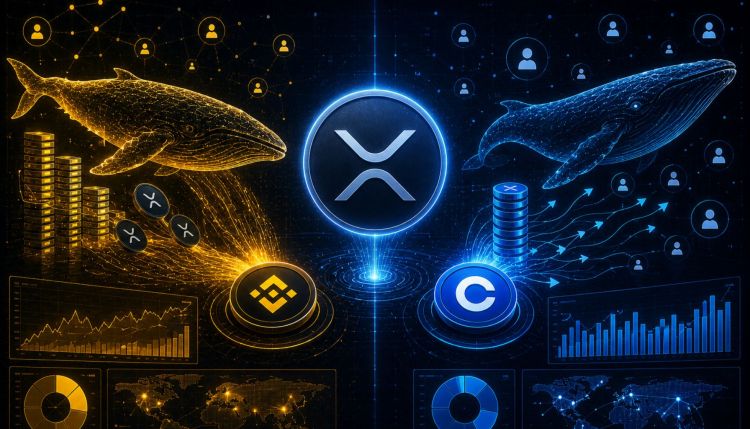
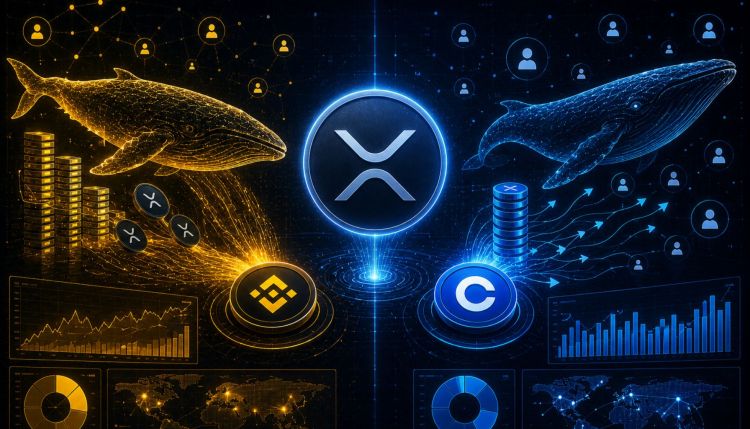
    XRP is trading below $1.40, with selling pressure keeping the price within a range that has frustrated investors for weeks. The market is cautious, but an analysis by CryptoQuant, tracking exchange-level flow data, has identified a behavioral divergence between two major crypto venues, adding a structural dimension to the current price action.

    Whale Activity on Binance

    The analysis examines the composition of XRP outflows on Binance, specifically the share of daily withdrawals dominated by transactions exceeding one million XRP, a threshold typically associated with whale-scale activity. This share has climbed to 57.6%, the highest since a 66% spike on March 28. A similar elevated reading appeared in late April, near 60%. These instances of whale withdrawal dominance have all occurred within the $1.33 to $1.42 price zone.

    This repetition creates a pattern that the analysis identifies as structurally significant. XRP’s largest holders are moving coins away from Binance at elevated rates each time the price enters this specific range, not in a single event, but consistently across multiple occasions. Whether this behavior reflects accumulation, repositioning, or preparation for a move is the question the comparison with Coinbase begins to answer.

    Divergence on Coinbase

    The Coinbase data presents a contrasting picture. On Coinbase, the above-1-million XRP outflow category has dropped to 14.8%, its lowest level since April 11. Simultaneously, the mid-sized wallet category of 10,000 to 100,000 XRP outflows has risen from 19% to 36% between April 11 and May 19. Coinbase is not seeing whale dominance in its withdrawals but rather a shift toward smaller and mid-sized participants moving coins, a structurally different behavioral profile from Binance.

    The divergence between the two venues creates a specific analytical signal. Binance is experiencing renewed whale withdrawal dominance at 57.6%, while Coinbase is experiencing the opposite, with its largest outflow category at a six-week low and mid-sized activity increasing.

    The $1.33 to $1.42 price zone, where whale withdrawal dominance has been observed on Binance, is now a key level for XRP traders to monitor. Large holders have become active at this range on three separate occasions, and the current 57.6% reading suggests they are active again.

    The CryptoQuant analysis does not definitively declare the signal bullish or bearish. Whale withdrawals can reflect accumulation, self-custody migration, or repositioning. The data confirms that the largest XRP participants are behaving differently from smaller ones, and they are doing it at a price level they have chosen repeatedly before.

    Technical Outlook

    XRP continues to trade within the same compressed range that has defined price action since March, currently holding near $1.36 after another rejection below the $1.45 resistance area. The daily chart shows a market trapped between weakening momentum and persistent support, resembling accumulation rather than trend continuation.

    The repeated defense of the $1.30–$1.33 region is a key detail. Since the February sell-off, every meaningful retrace into this zone has attracted buyers, preventing a deeper breakdown. Bulls have repeatedly failed to reclaim the 200-day moving average near $1.50, leaving XRP range-bound.

    Volume continues to contract compared to the February sell-off, confirming that volatility and directional conviction have faded. The market appears to be entering a low-liquidity equilibrium phase where both buyers and sellers are waiting for a catalyst. Technically, the current structure remains neutral-to-bearish while the price trades below the major moving averages. However, sustained consolidation above $1.30 keeps the broader base intact. A breakout above $1.45 could trigger momentum toward the $1.60 region, while losing $1.30 would likely expose XRP to another test of the February lows.

  • ‏سیندیکیت لبزِ تحت حمایتِ a16z، اکوسیستمِ کوچک‌شونده‌ی رول‌آپ را عاملِ تعطیلی اعلام کرد.

    ‏سیندیکیت لبزِ تحت حمایتِ a16z، اکوسیستمِ کوچک‌شونده‌ی رول‌آپ را عاملِ تعطیلی اعلام کرد.

    ‏شرکت Syndicate Labs، یک استارتاپ توسعه‌دهنده در حوزه بلاک‌چین که توسط Andreessen Horowitz حمایت می‌شود، اعلام کرد که پس از پنج سال فعالیت در زمینه ساخت زیرساخت برای توسعه‌دهندگان در این حوزه، عملیات خود را متوقف می‌کند.

    دلایل اصلی توقف فعالیت

    این شرکت، تغییرات عمده در بازار رول‌آپ‌ها را به عنوان دلیل اصلی این تصمیم عنوان کرد.

    در بیانیه‌ای در شبکه اجتماعی X، Syndicate Labs اعلام کرد که تمرکز اصلی آن بر ارائه ابزارهای بهتر به توسعه‌دهندگان برای ساخت و مقیاس‌بندی برنامه‌های کاربردی در بلاک‌چین بوده است. اما به گفته این شرکت، بازار رول‌آپ‌ها در سال‌های اخیر به شدت تغییر کرده است. این شرکت خاطرنشان کرد که تعداد کمتری از رول‌آپ‌های جدید وارد این فضا می‌شوند، در حالی که چندین پروژه قدیمی‌تر به تدریج از بین رفته‌اند.

    این شرکت اعلام کرد که بازار از نوع فناوری که آن‌ها در حال ساخت آن بودند، دور شده است و افزود که رول‌آپ‌های EVM دیگر به عنوان استاندارد صنعت در نظر گرفته نمی‌شوند. در عوض، این شرکت گفت که توسعه‌دهندگان به طور فزاینده‌ای انتخاب می‌کنند که زنجیره‌های سفارشی را از ابتدا از طریق تیم‌های مشاوره بسازند، که این امر منجر به کاهش زیرساخت‌های قابل استفاده مجدد و کاهش اثرات شبکه‌ای در سراسر اکوسیستم شده است.

    Syndicate Labs گفت که سال‌ها تلاش کرده است تا از رشد برنامه‌های کاربردی در بلاک‌چین حمایت کند و آرزو داشت که نتیجه متفاوتی حاصل شود. با وجود توقف فعالیت این شرکت توسعه‌دهنده، این گروه تاکید کرد که اکوسیستم گسترده‌تر Syndicate به طور جداگانه از طریق Syndicate Network Collective، یک DUNA مستقر در وایومینگ که دارای اختیار حاکمیتی بر توکن‌های SYND است، به فعالیت خود ادامه خواهد داد.

    این شرکت همچنین توضیح داد که این مجموعه به طور مستقل از Syndicate Labs فعالیت می‌کند، که اساساً به این معنی است که حاکمیت بر توکن SYND بلافاصله تحت تأثیر قرار نمی‌گیرد. این شرکت توضیح داد که یک سازمان جانشین می‌تواند به حفظ ساختار DUNA ادامه دهد، اگرچه برنامه‌هایی را نیز برای یک توقف فعالیت منظم در صورت عدم ظهور جانشین، تشریح کرد.

    حمله سایبری و تأثیر آن

    پل Syndicate Commons در Base در اواخر آوریل پس از دسترسی مهاجمان از طریق یک کلید خصوصی لو رفته، به خطر افتاد که در نهایت منجر به تخلیه 18.5 میلیون توکن SYND به ارزش تقریباً 330,000 دلار شد. با این حال، Syndicate Labs اعلام کرد که تصمیم به توقف فعالیت، ارتباطی با این حادثه ندارد.

    مشتری آسیب‌دیده و همه دارندگان SYND در Commons Chain، قبلاً با استفاده از ذخایر خزانه داری که به طور خاص برای چنین رویدادهایی کنار گذاشته شده بود، بازپرداخت شده‌اند. این شرکت همچنین اعلام کرد که اعضای تیم و سرمایه‌گذاران همچنان مشمول قفل توکن‌ها هستند و هیچ فرد وابسته نتوانسته است به تخصیص‌ها برای منافع کوتاه‌مدت دسترسی داشته باشد. Syndicate Labs گفت که ساختار تخصیص سهام آن بر اساس مشوق‌های بلندمدت طراحی شده است.

    Syndicate Labs تنها پروژه رمزنگاری نیست که پس از حوادث امنیتی و تغییر شرایط بازار در سال جاری با مشکل مواجه شده است. در سال جاری، دو پروژه DeFi پس از دست و پنجه نرم کردن با پیامدهای مشکلات امنیتی و مالی عمده، به سمت توقف فعالیت حرکت کردند. در فوریه، Step Finance، جمع‌کننده DeFi مبتنی بر Solana، همراه با SolanaFloor و Remora Markets، پس از اینکه یک حمله به کیف پول منجر به زیان حدود 30 میلیون دلاری شد، عملیات خود را متوقف کردند. تیم‌ها اعلام کردند که مذاکرات جمع‌آوری سرمایه و اکتساب نتوانستند یک برنامه بازیابی ارائه دهند.

    یک ماه بعد، Balancer Labs پس از ماه‌ها فشار مالی، کاهش TVL و یک سوء استفاده در نوامبر که باعث تسریع خروج نقدینگی در سراسر پلتفرم شد، بازسازی پروتکل Balancer را پیشنهاد کرد.

  • ‏اسپاتیفای و یونیورسال ابزار ریمیکس هوش مصنوعی را برای کاورهای هواداری عرضه می‌کنند.

    ‏اسپاتیفای و یونیورسال ابزار ریمیکس هوش مصنوعی را برای کاورهای هواداری عرضه می‌کنند.

    ‏طرفداران تیلور سوئیفت به زودی ممکن است بتوانند به طور قانونی ریمیکس‌های هوش مصنوعی از آهنگ‌های او را در Spotify تولید کنند.

    توافق‌نامه مجوزدهی

    Spotify و Universal Music Group روز پنجشنبه توافق‌نامه‌های مجوزدهی را اعلام کردند که به کاربران Spotify Premium اجازه می‌دهد با استفاده از موسیقی هنرمندان و ترانه‌سرایان شرکت‌کننده، کاورها و ریمیکس‌های تولید شده توسط هوش مصنوعی را ایجاد کنند.

    لوسین گرینج، رئیس و مدیرعامل Universal Music Group، در بیانیه‌ای گفت: «باارزش‌ترین نوآوری‌ها در صنعت موسیقی همیشه هنرمندان و طرفداران را به هم نزدیک‌تر می‌کند. این اصل در قلب این ابتکار پیشگامانه هوش مصنوعی قرار دارد که برای حمایت از هنر انسانی، تعمیق روابط طرفداران و ایجاد فرصت‌های درآمدزایی اضافی برای هنرمندان و ترانه‌سرایان طراحی شده است.»

    Universal Music Group نماینده هنرمندانی از جمله تیلور سوئیفت، چپل روآن، د ویکند، سابرینا کارپنتر، لانا دل ری، پست مالون، بیلی آیلیش و اولیویا رودریگو است.

    افزایش نگرانی‌ها در مورد موسیقی تولید شده توسط هوش مصنوعی

    مبارزه بر سر موسیقی تولید شده توسط هوش مصنوعی در سال ۲۰۲۳ پس از انتشار یک آهنگ جعلی با استفاده از نسخه‌های هوش مصنوعی از صداهای دریک و د ویکند در Spotify و YouTube افزایش یافت، قبل از اینکه Universal Music Group پلتفرم‌ها را مجبور به حذف آن کند. اخیراً، تیلور سوئیفت پس از انتشار دیپ‌فیک‌ها و تأییدیه‌های جعلی با هدف این خواننده در اینترنت، اقدام به علامت تجاری بخش‌هایی از صدا و تصویر خود کرد.

    این اعلامیه همچنین در حالی منتشر می‌شود که پلتفرم‌های فناوری به طور فزاینده‌ای در حال آزمایش ابزارهای ریمیکس هوش مصنوعی هستند. اوایل این هفته در Google I/O، YouTube یک ویژگی Shorts Remix را معرفی کرد که توسط Gemini Omni پشتیبانی می‌شود و به کاربران اجازه می‌دهد ویدیوهای دیگران را با تبدیل آن‌ها به کلیپ‌های انیمه، هنر پیکسلی یا صحنه‌های تغییر یافته با شخصیت‌ها و جلوه‌های اضافه شده، دوباره تصور کنند.

    ویژگی جدید Spotify

    Spotify اعلام کرد که این ابزار جدید به عنوان یک افزونه پولی برای مشترکین Spotify Premium راه‌اندازی خواهد شد. طرفداران قادر خواهند بود با استفاده از فناوری هوش مصنوعی مولد، کاورها و ریمیکس‌های دارای مجوز را تولید کنند، در حالی که هنرمندان و ترانه‌سرایان شرکت‌کننده، غرامت مرتبط با آثار تولید شده توسط هوش مصنوعی را که در این پلتفرم ایجاد شده‌اند، دریافت خواهند کرد.

    الکس نورستروم، مدیرعامل مشترک Spotify، در بیانیه‌ای گفت: «حل مشکلات دشوار برای موسیقی کاری است که Spotify انجام می‌دهد و کاورها و ریمیکس‌های ساخته شده توسط طرفداران در مرحله بعدی قرار دارند. آنچه ما در حال ساخت آن هستیم بر اساس رضایت، اعتبار و غرامت برای هنرمندان و ترانه‌سرایان شرکت‌کننده است.»

  • ‏نهنگ‌های XRP به بایننس بازگشتند؛ داده‌های کوین‌بیس حکایت دیگری دارند.

    ‏نهنگ‌های XRP به بایننس بازگشتند؛ داده‌های کوین‌بیس حکایت دیگری دارند.

    ‏XRP در زیر ۱٫۴۰ دلار دست و پا می‌زند، زیرا فشار فروش قیمت را در محدوده‌ای نگه داشته است که گاوها را برای هفته‌ها ناامید کرده و بدون ارائه یک جهش که روایت بازیابی به آن نیاز دارد. بازار محتاط است – اما یک تحلیل CryptoQuant که داده‌های جریان در سطح صرافی را ردیابی می‌کند، یک واگرایی رفتاری بین دو مورد از بزرگترین مکان‌های رمزنگاری جهان شناسایی کرده است که یک بعد ساختاری به تنظیمات فعلی اضافه می‌کند که نمودار قیمت به تنهایی نمی‌تواند نشان دهد.

    تحلیل جریان‌های خروجی XRP در صرافی‌ها

    این تحلیل، ترکیب خروجی‌های XRP در Binance را بررسی می‌کند – به طور خاص، سهم برداشت‌های روزانه که تحت سلطه تراکنش‌های بالای یک میلیون XRP است، آستانه‌ای که معمولاً فعالیت در مقیاس نهنگ‌ها را شناسایی می‌کند. این سهم به ۵۷٫۶ درصد رسیده است که بالاترین میزان از زمان افزایش ۶۶ درصدی ثبت شده در ۲۸ مارس است. یک میزان مشابه بالا در اواخر آوریل، نزدیک به ۶۰ درصد، ظاهر شد. سه مورد جداگانه از تسلط برداشت نهنگ‌ها، که همگی در محدوده قیمتی ۱٫۳۳ تا ۱٫۴۲ دلار رخ داده‌اند.

    تکرار یک الگو ایجاد می‌کند که این تحلیل آن را از نظر ساختاری مهم می‌داند. بزرگترین دارندگان XRP در حال انتقال سکه‌ها از Binance با نرخ‌های بالا در هر بار که قیمت وارد این محدوده خاص می‌شود، هستند – نه در یک رویداد واحد، بلکه به طور مداوم، در چندین موقعیت جداگانه. اینکه آیا این رفتار نشان‌دهنده انباشت، تغییر موقعیت یا آماده‌سازی برای یک حرکت است، سؤالی است که مقایسه با Coinbase به آن پاسخ می‌دهد.

    تفاوت در داده‌های Coinbase

    داده‌های Coinbase یک تصویر کاملاً متفاوت را نشان می‌دهد – و واگرایی بین این دو مکان جایی است که مهم‌ترین سیگنال تحلیلی در آن قرار دارد. در Coinbase، دسته خروجی‌های بالای ۱ میلیون XRP به ۱۴٫۸ درصد کاهش یافته است – کمترین میزان از ۱۱ آوریل. همزمان، دسته کیف پول‌های متوسط ​​از ۱۰,۰۰۰ تا ۱۰۰,۰۰۰ XRP از ۱۹ درصد به ۳۶ درصد بین ۱۱ آوریل و ۱۹ مه افزایش یافته است. Coinbase شاهد تسلط نهنگ‌ها در برداشت‌های خود نیست. این صرافی شاهد تغییری به سمت شرکت‌کنندگان کوچکتر و متوسط ​​است که در حال انتقال سکه‌ها هستند – یک پروفایل رفتاری از نظر ساختاری متفاوت از آنچه Binance در حال حاضر نشان می‌دهد.

    واگرایی بین این دو مکان، خاص‌ترین سیگنال تحلیلی موجود در بازار فعلی XRP را ایجاد می‌کند. Binance شاهد تسلط مجدد برداشت نهنگ‌ها با ۵۷٫۶ درصد است. Coinbase برعکس را تجربه می‌کند – بزرگترین دسته خروجی آن در پایین‌ترین سطح شش هفته‌ای در حالی که فعالیت متوسط ​​افزایش می‌یابد. دو صرافی، یک دارایی یکسان، رفتار شرکت‌کنندگان کاملاً متفاوت در یک زمان.

    محدوده قیمتی که هر سه مورد از تسلط برداشت نهنگ‌ها را به هم پیوند می‌دهد – ۱٫۳۳ تا ۱٫۴۲ دلار – اکنون سطحی است که هر معامله‌گر XRP باید آن را زیر نظر داشته باشد. دارندگان بزرگ در سه موقعیت جداگانه در این محدوده فعال شده‌اند. میزان فعلی ۵۷٫۶ درصد نشان می‌دهد که آنها دوباره فعال هستند.

    تحلیل CryptoQuant از اعلام قطعی سیگنال صعودی یا نزولی خودداری می‌کند – و این صداقت مناسب است. برداشت‌های نهنگ‌ها از صرافی‌ها می‌تواند نشان‌دهنده انباشت، مهاجرت خود-حفظی یا تغییر موقعیت قبل از حرکت در هر دو جهت باشد. آنچه داده‌ها تأیید می‌کنند این است که بزرگترین شرکت‌کنندگان XRP رفتاری متفاوت از شرکت‌کنندگان کوچکتر دارند و این کار را در یک سطح قیمتی انجام می‌دهند که قبلاً بارها انتخاب کرده‌اند.

    تحلیل قیمت XRP: گاوها به دفاع از منطقه حمایتی کلیدی ادامه می‌دهند

    XRP به معامله در داخل همان محدوده فشرده‌ای که عملکرد قیمت را از ماه مارس تعریف کرده است، ادامه می‌دهد، و این دارایی در حال حاضر نزدیک به سطح ۱٫۳۶ دلار پس از رد شدن مجدد در زیر ناحیه مقاومت ۱٫۴۵ دلار قرار دارد. نمودار روزانه بازاری را نشان می‌دهد که بین حرکت ضعیف‌شونده و حمایت مداوم به دام افتاده است و ساختاری ایجاد می‌کند که به طور فزاینده‌ای شبیه انباشت است تا ادامه روند.

    مهم‌ترین جزئیات، دفاع مکرر از منطقه ۱٫۳۰ تا ۱٫۳۳ دلار است. از زمان سقوط شدید در فوریه، هر عقب‌نشینی معنادار به این منطقه، خریداران را به خود جذب کرده و از یک شکست عمیق‌تر علی‌رغم ضعف گسترده‌تر بازار در سراسر رمزنگاری جلوگیری کرده است. در عین حال، گاوها بارها در بازپس‌گیری میانگین متحرک ۲۰۰ روزه نزدیک به ۱٫۵۰ دلار شکست خورده‌اند و XRP را از نظر ساختاری محدود به محدوده نگه داشته‌اند.

    حجم نیز در مقایسه با فروش در فوریه همچنان در حال کاهش است و تأیید می‌کند که نوسانات و اطمینان جهت‌دار به طور قابل توجهی کاهش یافته است. بازار دیگر رویدادهای نقدشوندگی تهاجمی یا فروش وحشت‌زده را تجربه نمی‌کند. در عوض، به نظر می‌رسد XRP در حال ورود به یک فاز تعادل کم‌نقدشوندگی است که در آن هم خریداران و هم فروشندگان منتظر یک کاتالیزور هستند. از نظر فنی، ساختار فعلی در حالی که قیمت زیر میانگین‌های متحرک اصلی معامله می‌شود، خنثی تا نزولی باقی می‌ماند. با این حال، تثبیت پایدار بالای ۱٫۳۰ دلار، پایه گسترده‌تر را دست نخورده نگه می‌دارد. یک جهش بالای ۱٫۴۵ دلار می‌تواند حرکت را به سمت منطقه ۱٫۶۰ دلار تحریک کند، در حالی که از دست دادن ۱٫۳۰ دلار احتمالاً XRP را در معرض آزمایش دیگری از پایین‌ترین سطح فوریه قرار می‌دهد.

  • Syndicate Labs Shuts Down, Citing Rollup Ecosystem Decline

    Syndicate Labs Shuts Down, Citing Rollup Ecosystem Decline

    Syndicate Labs, an on-chain development startup backed by Andreessen Horowitz (a16z), announced it is winding down operations after five years of building infrastructure for on-chain developers.

    Rollup Market Shifts Cited

    The company cited significant shifts in the rollup market as the primary reason for the decision. In a statement on X, Syndicate Labs said its main focus had been providing developers with better tools to build and scale on-chain applications. However, according to the company, the rollup market has changed dramatically in recent years. It noted that fewer new rollups are entering the space, while several older projects have slowly disappeared.

    The company stated that the market had moved away from the type of technology it was building, adding that EVM rollups are no longer considered the industry standard. Instead, developers are increasingly choosing to build custom chains from scratch through consulting teams, which has resulted in less reusable infrastructure and reduced network effects across the ecosystem.

    Syndicate Labs said it had spent years trying to support the growth of on-chain applications and wished the outcome had been different. Despite the shutdown of the development company, the group stressed that the broader Syndicate ecosystem will continue to exist separately through the Syndicate Network Collective, a Wyoming-based DUNA that holds governance authority over SYND tokens.

    The company also clarified that the collective operates independently from Syndicate Labs, meaning governance over the SYND token is not immediately impacted. It explained that a successor organization could continue maintaining the DUNA structure, though it also outlined plans for an orderly wind-down if no successor emerges.

    Bridge Compromise and Token Lockups

    The Syndicate Commons Bridge on Base was compromised in late April after attackers gained access through a leaked private key, which eventually drained 18.5 million SYND tokens worth nearly $330,000. However, Syndicate Labs stated that the shutdown decision was unrelated to the incident.

    The affected customer and all SYND holders on Commons Chain have already been reimbursed using treasury reserves specifically set aside for such events. The company further stated that team members and investors remain subject to token lockups and that no affiliated individual has been able to access allocations for short-term benefit. Syndicate Labs said its vesting structure was designed around long-term incentives.

    Broader Industry Trends

    Syndicate Labs is not the only crypto project to struggle after security incidents and changing market conditions this year. Two DeFi projects moved toward shutdowns after struggling with the fallout from major security and financial problems. In February, Solana-based DeFi aggregator Step Finance, along with SolanaFloor and Remora Markets, ceased operations after a wallet compromise led to roughly $30 million in losses. The teams said fundraising and acquisition talks failed to produce a recovery plan.

    A month later, Balancer Labs proposed restructuring the Balancer protocol after months of financial strain, declining TVL, and a November exploit that accelerated liquidity outflows across the platform.

  • AI Romance Users Conceal Full Usage from Partners: 69%

    AI Romance Users Conceal Full Usage from Partners: 69%

    One in seven young adults in committed relationships regularly use AI romantic companion chatbots, and many are keeping this behavior secret from their partners, according to a new report from researchers at Brigham Young University, the Institute for Family Studies, and the Wheatley Institute.

    Study Findings

    The report, titled “Secret Soulmates,” surveyed 2,431 U.S. adults aged 18 to 30 who were dating, engaged, or married.

    “While general engagement with AI companions was high for both men and women, when looking across all results, some specific cautions appear warranted when it comes to young adult men,” the study stated. “Men were more likely to engage with AI companions, more likely to create sexual content with AI platforms and masturbate during these interactions, and more likely to prefer AI interactions to the interactions with their real-life partners.”

    Nearly 30% of regular users said their partner was unaware of the behavior. Another 11% said their partner was only somewhat aware, while 14% said their partner was mostly, but not fully aware.

    “Taken together, this means that half of regular AI companion users who were in committed relationships had either completely hidden or only partly disclosed their use of AI companion platforms,” the study concluded.

    A separate survey conducted in January by Gallup and the Harvard Business Review found that approximately one in ten adults aged 18 to 28 used AI chatbots as a girlfriend or boyfriend at least once a month.

    According to the study, 68% of frequent users said it was easier to discuss their feelings with their AI companion than with other people, and 60% wished their partners behaved more like the AI.

    Researchers also found that regular AI companion use was associated with lower relationship quality. Frequent users were 46% less likely to report stable relationships and 40% less likely to report high-quality communication with their partners.

    The only category where frequent users reported higher scores was physical intimacy satisfaction. Researchers cautioned that this result may reflect what they described as “fragile satisfaction” tied to conflict avoidance rather than healthier relationships.

    Married respondents reported higher rates of AI companion use than those who were dating, with over 17% of married young adults reporting regular interaction with AI companions. Men reported higher usage rates across most categories, though over 10% of women in committed relationships also reported regularly chatting or roleplaying with AI companions.

    Digisexuality and AI Companions

    Researchers describe the rise of AI romantic companions as part of “digisexuality,” a term used in academic research to describe sexual or romantic relationships experienced primarily through technology.

    Before the public launch of ChatGPT in 2022, the term was often associated with technologies like online pornography, sexting, virtual reality pornography, sex dolls, and robots.

    As AI chatbots became more conversational, the term expanded to include people forming emotional or romantic attachments to large language models and AI companions. Online communities such as Reddit’s r/AIRelationships, r/AIBoyfriends, and r/MyGirlfriendIsAI contain thousands of posts from users who describe chatbots as partners, spouses, or emotional companions.

    Researchers and online communities have also used related terms, including “technosexual,” “AIsexual,” and “wiresexual,” to describe people romantically or sexually involved with AI.

    Despite the growing digisexual subculture, researchers noted the level of secrecy surrounding AI companion use.

    “Whether this is due to embarrassment, concerns about their partner’s reaction, or struggles articulating the use of AI companions to a partner, many men appear content to engage with their secret soulmate in private, with little to no partner disclosure,” the study concluded.