Category: Uncategorized

  • Bitcoin Faces Profit-Taking Hurdle Above $80,000; Demand Key for Next Move, Analysts Say

    Bitcoin Faces Profit-Taking Hurdle Above $80,000; Demand Key for Next Move, Analysts Say

    Bitcoin’s recent test of the $80,000 mark has encountered resistance from existing holders realizing profits, according to market analysis. The ability of new demand to absorb this selling pressure is now a key factor in determining Bitcoin’s next move, with analysts suggesting a period of consolidation may be necessary.

    As of August 26, Bitcoin had slipped back below $80,000 after testing the level. XWIN Japan noted that nearly every investor group has returned to profit as the cryptocurrency approached this threshold. This situation creates a familiar challenge during a rapid recovery, as more profitable holders have an incentive to sell. The unrealized profit and loss (PnL) readings illustrate this, with long-term holders showing a reading of 21.1 and short-term holders at 13.4. Investors holding for one day to one month had a reading of 13.9, while the newest buyers stood at 5.3.

    The Spent Output Profit Ratio (SOPR) also reflects this dynamic. The SOPR Ratio briefly reached 1.4 as Bitcoin neared $80,000, indicating that long-term holders were realizing profits at a higher relative rate. However, the ratio has since fallen to 0.93, suggesting that short-term holders are now demonstrating stronger realized performance relative to long-term holders.

    Analysts suggest that any sustained notable move above $80,000 would require not only overcoming this profit-taking but also absorbing fresh demand. If this occurs, Bitcoin could potentially target the $88,000 to $90,000 range. However, a more immediate concern is the support level around $75,000 to $76,000. In XWIN’s opinion, failure to hold this level could make it difficult for short-term holders to secure profits, potentially accelerating a price correction.

    Further complicating the picture is fading buying pressure at higher prices. BorisD noted that Binance’s volume delta, a measure of aggressive buying versus selling, decreased significantly, falling from $1.17 during Bitcoin’s move from $63,000 to $70,000 to approximately $350 million near $80,000. Other major exchanges showed flatter readings. BorisD suggested that the market might require a period of consolidation before attempting another notable move.

    Despite these headwinds, the broader market backdrop is considered more supportive than it was a week prior. Bitcoin experienced a notable climb from below $65,000 on August 19 to above $81,000. This surge was reportedly aided by Treasury buyback plans for longer-dated debt, renewed demand from US spot Bitcoin ETFs, and over $4 billion in short liquidations. Over the five days preceding August 26, nearly $2 billion flowed into US spot Bitcoin ETFs, while Treasury buybacks of longer-dated debt increased from $2 billion to at least $4 billion per operation.

    At the time of writing, Bitcoin was trading around $79,000. This represents a 2% decrease over the past 24 hours, but remains a 23% increase over the last seven days and a 21% gain over the past month. Year-to-date, Bitcoin is down close to 28% and approximately 37% below its all-time high of over $126,000, set in October of the previous year.

    The central question for the market remains whether new demand can effectively absorb the selling pressure from profitable holders. Without this absorption, Bitcoin may face a period of consolidation rather than an immediate push towards higher price targets, highlighting the inherent uncertainty in its near-term trajectory.

    Why This Matters

    The materials describe a narrow update: Bitcoin’s price has fluctuated around $80,000, with analysts citing profit-taking by existing holders and fading buying pressure as key factors. Whether fresh demand can absorb selling from profitable holders.

    Broader Context

    Source materials place the market analysis in this context: Bitcoin (BTC) slipped back below $80,000 after testing the level again, with XWIN Japan pointing to profit-taking by existing holders as a major barrier on August 26.


  • CLARITY Act Faces Uncertain Senate Vote Amid Divergent Predictions

    CLARITY Act Faces Uncertain Senate Vote Amid Divergent Predictions

    Coinbase CEO Brian Armstrong anticipates the Digital Asset Market CLARITY Act will clear a U.S. Senate cloture vote with over 60 votes in mid-September. However, this projection contrasts with prediction markets like Kalshi, which place the probability of the bill achieving more than 60 votes at 22%.

    The cloture vote, scheduled for September 15th, is a critical procedural hurdle requiring 60 votes to end debate and advance the bill toward a final vote. Armstrong’s optimism suggests a belief that Senate Majority Leader John Thune would not schedule the vote without a reasonable expectation of passage. He also indicated that the bill’s provisions have achieved broad consensus, with parties reportedly receiving about 90% of their objectives.

    This legislative push occurs as the Senate prepares for a break in early October for the midterm elections, adding urgency. The CLARITY Act aims to establish a clearer regulatory framework for digital assets, proposing to grant the Commodity Futures Trading Commission (CFTC) exclusive jurisdiction over spot markets for digital commodities. This seeks to address ongoing jurisdictional disputes between the CFTC and the Securities and Exchange Commission (SEC).

    Despite Armstrong’s confidence, securing 60 votes presents challenges. With Republicans holding 53 Senate seats, at least seven Democrats would need to support the CLARITY Act. However, Democrats have expressed reluctance, calling for additional ethics provisions concerning politicians’ cryptocurrency investments. Banking groups have also raised concerns that the bill’s stablecoin provisions do not adequately protect the banking industry.

    The divergence between Armstrong’s expectation and the prediction market’s assessment underscores the significant uncertainty surrounding the CLARITY Act’s legislative future. While Armstrong suggests bipartisan common ground on core elements, the specific concerns from Democrats and banking groups pose obstacles to consensus. The outcome of the September 15th cloture vote is thus a pivotal moment, likely shaping the trajectory of digital asset regulation in the United States.

    Why This Matters

    The materials describe a narrow update: Coinbase CEO Brian Armstrong expressed optimism about the CLARITY Act passing a Senate cloture vote with over 60 votes on September 15th. Whether the CLARITY Act will secure more than 60 votes in the Senate cloture vote remains uncertain.

    Broader Context

    Source materials place the factual news in this context: The CLARITY Act is a piece of crypto legislation.

  • INS Loans TradFi Perpetual Contracts: Leverage Adjustments

    INS Loans TradFi Perpetual Contracts: Leverage Adjustments

    Bybit to Increase Leverage Limits for Stock Futures to Boost Institutional Trading

    Bybit is set to adjust leverage limits for eligible stock futures within its INS Loans product, aiming to better support institutional trading needs and enhance capital efficiency for TradFi Perpetual Contracts.

    Following the adjustment, these eligible stock futures will offer higher leverage levels, determined by their individual risk and liquidity profiles. The updated leverage limits will range from 10X, 15X, 20X, or 25X, depending on the specific contract. The changes are scheduled to take effect on August 26, 2026, at 10 AM UTC.

    Leverage Adjustment Details

    Symbols with Leverage Increased to 10X:
    SSPCUSDT, MVLLUSDT, INTWUSDT, AXTIUSDT, SHAZUSDT, AEHRUSDT, ZHONGJIUSDT, MINIMAXUSDT, ZHIPUUSDT, SKUUUSDT, BEUSDT, SKDDUSDT, CIFRUSDT, BOTUSDT, TSEMUSDT, ALABUSDT, QNTXUSDT, GIGADEVICEUSDT, BSPUSDT, WDCUSDT, PENGSTOCKUSDT, CRDOUSDT, FLNCUSDT, POETUSDT, COHRUSDT, APLDUSDT, ASTSUSDT, SMCIUSDT, STXXUSDT, OUSTUSDT, CLSKUSDT, FLYUSDT, TSLLUSDT, KODEX200USDT, FWDIUSDT, MARAUSDT, ARMUSDT & CXMTUSDT.
    Previous Leverage: 3X
    New Leverage: 10X

    Symbols with Leverage Increased to 15X:
    IRENUSDT, RDWUSDT, RKLBUSDT, TERUSDT, USARUSDT, SAMSUNGEMUSDT, HIMSUSDT, AMCUSDT, IONQUSDT, ONDSUSDT, GLWUSDT, NOKIAUSDT, CIENUSDT, CSOPSKHYNIX2LUSDT, AMATUSDT, BNCUSDT, NCLDUSDT, LRCXUSDT, BMNRUSDT, RIOTUSDT, MOUSDT, PURRUSDT, KLACUSDT, NETUSDT, APPSTOCKUSDT, FLEXUSDT, CSOPSAMSUNG2LUSDT, HPEUSDT, ONUSDT, NVDLUSDT, VRTUSDT, HYUNDAIUSDT, UVXYUSDT, KSTRUSDT, RDDTUSDT, REGNUSDT, SQQQUSDT, WENSTOCKUSDT, NOWUSDT, TQQQUSDT, BBXUSDT, SNOWUSDT, QCOMUSDT, SOXXUSDT, GEVUSDT, VRTXSTOCKUSDT, SPOTUSDT, GDXUSDT, SMICUSDT, CRMUSDT, DKNGUSDT, ADBEUSDT, RIVNUSDT, SOFIUSDT, AALUSDT, CATSTOCKUSDT, BIIBUSDT, MAUSDT, PANWUSDT, CRWDUSDT, TZAUSDT, AMGNUSDT, ASMLUSDT, SHOPUSDT, SMHUSDT, GMESTOCKUSDT, GILDUSDT, TXNUSDT, ZMUSDT, LYTEUSDT, POPMARTUSDT, VSTUSDT, EWTUSDT, SONYUSDT, ARKKUSDT, TTWOUSDT, MEITUANUSDT, EBAYUSDT, XLKUSDT, BXUSDT, CSCOUSDT, PYPLUSDT, LLYUSDT, UBERUSDT, XOMUSDT, GEUSDT, TENCENTUSDT, GSUSDT, KUAISHOUUSDT, XBIUSDT, BACUSDT, LGELECTRONICSUSDT, NVOUSDT, XLVUSDT, TMFUSDT, NFLXUSDT, XLFUSDT, XIAOMIUSDT, XLEUSDT, UNHUSDT, TBTUSDT, JNJUSDT, HANMIUSDT, BRKBUSDT, NAVERUSDT, BITOUSDT, VUSDT, JPMUSDT, PEPUSDT, COSTUSDT, WMTUSDT, IWMUSDT & KOUSDT.
    Previous Leverage: 3X
    New Leverage: 15X

    Symbols with Leverage Increased to 20X:
    SNXXUSDT, KORUUSDT, MUUUSDT, SOXLUSDT, SOXSUSDT, AAOIUSDT, NBISUSDT, CBRSUSDT, SKHYNIXUSDT, SKHYUSDT, SAMSUNGUSDT, DRAMUSDT, DELLUSDT, AMDSTOCKUSDT & IBMUSDT.
    Previous Leverage: 3X
    New Leverage: 20X

    Symbols with Leverage Increased to 25X:
    SPCXUSDT.
    Previous Leverage: 3X
    New Leverage: 25X

    Symbols with Leverage Increased to 10X:
    CRWVUSDT.
    Previous Leverage: 5X
    New Leverage: 10X

    Symbols with Leverage Increased to 15X:
    LITEUSDT, PLTRUSDT, TSMUSDT, BABAUSDT, AVGOUSDT & EWJUSDT.
    Previous Leverage: 5X
    New Leverage: 15X

    Symbols with Leverage Increased to 20X:
    SNDKUSDT, MUUSDT, MRVLUSDT, COINUSDT, HOODUSDT, ORCLUSDT, METAUSDT, AMZNUSDT & SPYUSDT.
    Previous Leverage: 5X
    New Leverage: 20X

    Symbols with Leverage Increased to 25X:
    INTCUSDT, CRCLUSDT, MSTRUSDT, EWYUSDT, TSLAUSDT, NVDAUSDT, GOOGLUSDT, MSFTUSDT, AAPLUSDT & QQQUSDT.
    Previous Leverage: 5X
    New Leverage: 25X

    Important Note

    This adjustment applies to stock futures currently eligible under INS Loans. Any newly listed stock futures will initially maintain the current default leverage of 3X, unless otherwise specified.

    Bybit stated that it will continue to monitor and review leverage parameters in response to market conditions, liquidity, volatility, and risk considerations.

  • OKX Lists BASED/USD and BASED/EUR for Spot Trading

    OKX Lists BASED/USD and BASED/EUR for Spot Trading

    OKX Expands Unified Trading Pairs to Include USD and EUR

    Cryptocurrency exchange OKX is enhancing its spot trading offerings by introducing unified USD and EUR trading pairs. The move aims to support the growth of its USD and EUR ecosystem and cater to a wider range of user trading requirements.

    New Trading Pairs

    The following unified trading pairs will be available:

    • USD Pairs:

    * BASED/USD

    • EUR Pairs:

    * BASED/EUR

    The new listings are scheduled to go live on August 26, 2026, at 9:00 UTC.

  • XRP Network Activity Surges: Key Level to Watch

    XRP Network Activity Surges: Key Level to Watch

    XRP Surges on Network Activity Boost, Analysts Eye Key Levels

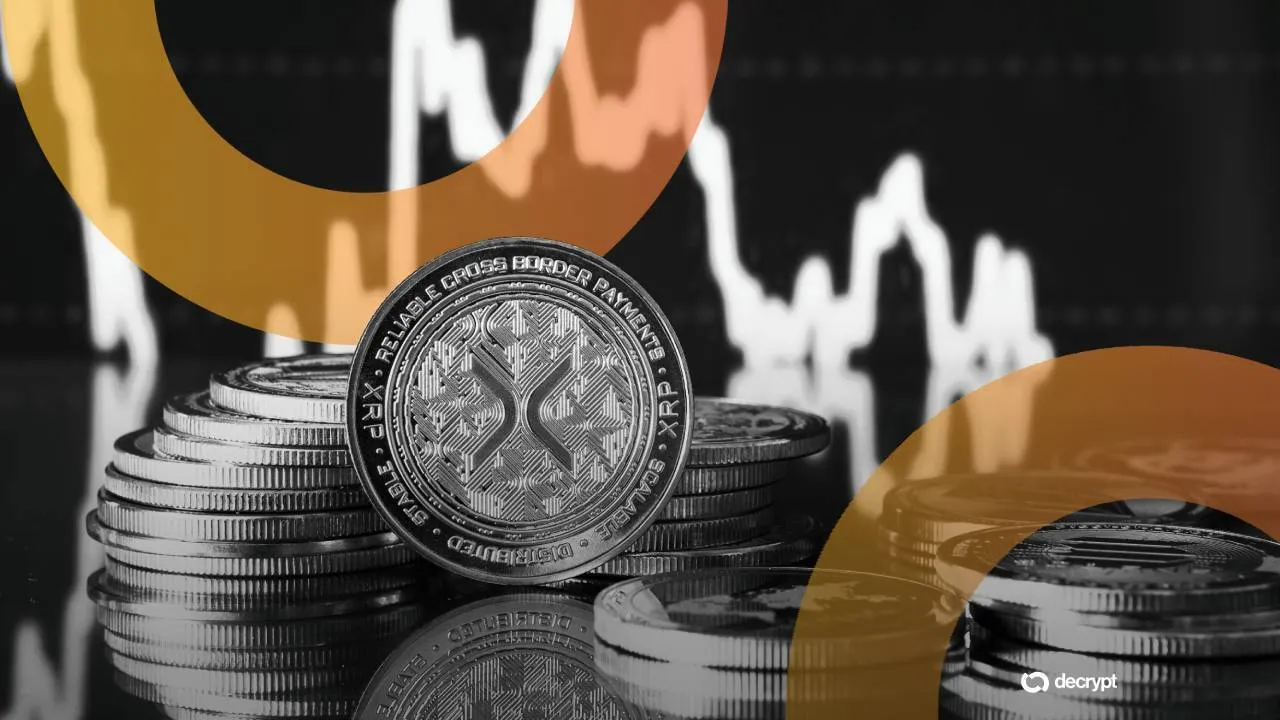
    XRP has staged a remarkable comeback this week, distinguishing itself as one of the market’s top performers after a period of subdued activity. The cryptocurrency briefly touched $1.76 before settling around the $1.50 mark.

    This resurgence has been bolstered by a significant increase in network participation. Analyst Ali Martinez reported a dramatic surge in active addresses, which climbed from 47,180 to 356,070 – an increase of 654.71% within days. Such a substantial spike typically signals heightened engagement and can coincide with increased price volatility.

    If this marks the beginning of a new trend for XRP, analyst Casi Trades suggests that the $1.20 level may soon become a distant memory. She anticipates XRP first targeting $1.78, followed by a retracement to approximately $1.30, before embarking on another push towards $2.57.

    According to this analysis, a complete five-wave structure could eventually propel XRP to around $2.90, completing Wave 1 of a larger macro Wave 3. A subsequent correction might bring the asset back towards $1.65, potentially transforming current resistance into future support. In this scenario, the critical factor will not only be the extent of XRP’s ascent but also whether the token experiences another opportunity to trade below $1.20.

    Meanwhile, Crypto Patel noted that XRP has broken through seven months of resistance with a weekly gain of approximately 70% from its accumulation zone, shifting the market’s focus to the $1.55 level. Sustaining prices above this point could pave the way for further bullish momentum, while a breach below might trigger a retracement or re-accumulation phase. The long-term outlook remains optimistic, with a target range of $5 to $10.

    On the institutional front, the launch of US-based spot XRP ETFs last week began quietly, with zero inflows recorded on Monday. However, this trend rapidly shifted. Tuesday saw inflows of $5.81 million, followed by $2.35 million on Wednesday.

    Activity accelerated following an announcement from the US Treasury Department regarding its intention to double the maximum size of liquidity-support buybacks for longer-dated government debt. Thursday registered $13.24 million in inflows, and Friday reached $18.38 million, marking the strongest performance since mid-May.

    This buying momentum has carried into the current week. On August 25th, inflows totaled $13.82 million. Bitwise’s fund led the pack with $8.25 million, with Franklin and Canary’s ETFs following with $4 million and $1.57 million, respectively.

  • OKX to Facilitate KITE Crypto Migration

    OKX to Facilitate KITE Crypto Migration

    Kite AI to Migrate to New Ethereum Contract Address; OKX to Support Transition

    Kite AI is set to migrate its KITE token to a new Ethereum (ERC-20) contract address, with cryptocurrency exchange OKX announcing its support for the transition according to a defined schedule.

    Service Suspensions and Migration Timeline

    KITE deposits and withdrawals on OKX will be suspended starting at 2:00 UTC on August 26, 2026, to facilitate the migration process. The migration is expected to take place between 2:00 UTC on August 26, 2026, and 6:00 UTC on August 29, 2026. OKX stated it will endeavor to complete the migration within this timeframe, but noted that potential delays could occur due to necessary coordination with the project team and other involved parties.

    Trading of KITE will remain unaffected throughout this period.

    Post-Migration Procedures and Deposit Information

    Upon completion of the migration, OKX will reinstate KITE deposits and withdrawals exclusively on the new contract address. Deposits made to the old contract address (0x904567252D8F48555b7447c67dCA23F0372E16be) will no longer be supported. Only deposits of the new token, with the Ethereum contract address 0x118B70dF4F06Fa5678E7d543e6066e028C8ea0c, will be accepted. As both the old and new tokens reside on the Ethereum network, the deposit address will remain the same. Users are strongly advised to verify the token contract address before making any deposits to prevent potential losses.

    Risk Warning

    The information provided, some of which may originate from third parties and not OKX, is intended for informational and educational purposes only. OKX does not guarantee the accuracy or completeness of this information, nor does it constitute any representation, warranty, or financial, investment, or other form of advice. This information may not be suitable for all individuals and should not be relied upon for specific investment decisions. It is not intended as an offer, recommendation, or solicitation, nor should it be construed as such. Furthermore, this information is not intended for individuals residing in jurisdictions where its provision would contravene local laws or regulations. Digital assets are highly speculative and subject to significant volatility. They may become illiquid at any time, and investors risk losing the entire value of their investment. Prospective traders should conduct their own thorough research and assess their risk tolerance before engaging with any digital asset. OKX disclaims responsibility for any losses incurred from trading digital assets. For further details, please consult the Terms of Service and Risk & Compliance Disclosure.

  • XRP Price Analysis: Technical Indicators Present Ambiguous Signals

    XRP Price Analysis: Technical Indicators Present Ambiguous Signals

    XRP has recently experienced a notable price surge followed by a pullback, a development that has captured attention in the crypto market. While the cryptocurrency saw a significant gain, technical indicators are presenting a complex picture, suggesting uncertainty about its immediate future trajectory.

    The broader crypto market has shifted from fear to ‘extreme greed’ this week. Against this backdrop, XRP registered a substantial 46% gain over a seven-day period, pushing its market capitalization to over $91 billion at its peak. However, this recent price movement has since moderated. XRP is currently trading at $1.4554 on the daily chart, down from a recent high of $1.5505. This pullback follows a period where XRP had bottomed near $1.00 in early August, with the subsequent move to $1.55 representing a roughly 55% increase.

    Technical Indicators: A Mixed Signal
    Analysis of key technical indicators provides a nuanced view of XRP’s current market position. The Average Directional Index (ADX), which measures trend strength, stands at 44.8, indicating a strong directional move occurred. However, the latest daily candle closed at $1.4554, down from its opening price of $1.4818, marking the second consecutive day of decline. This pattern has been interpreted by some as a potential relief rally stalling under resistance, rather than a definitive trend reversal.

    Further complicating the outlook is the relationship between XRP’s 50-day and 200-day Exponential Moving Averages (EMAs). The 50-day EMA is currently below the 200-day EMA, a formation often referred to as a ‘death cross.’ According to the analysis, this configuration suggests that the medium-term trajectory may still be pointed downward, implying potential bearish conditions ahead for XRP. While a death cross is considered a lagging indicator, its presence adds a layer of caution to the recent price action.

    The Relative Strength Index (RSI), a momentum gauge, is reading 76.8. An RSI above 70 is typically considered overbought, suggesting that XRP’s recent recovery may have been too rapid and could be vulnerable to a pullback. The combination of these indicators—the death cross formation and an overbought RSI—raises questions about the sustainability of XRP’s recent gains.

    Potential Scenarios and Uncertainty
    Looking ahead, several scenarios are being considered. For a sustained bullish case, XRP would need to reclaim and hold the resistance level around $1.5507, with potential targets at $1.5824 and $1.6227. This would likely require positive momentum and a cooling of the RSI without a significant price notable move.

    Conversely, a bearish scenario could unfold if XRP falls below the support level of $1.4342. A daily close below this level could see the price drift back towards the $1.40 shelf and potentially revisit the early August low of $1.00.

    It remains uncertain whether XRP’s recent bounce will ultimately resolve into a bull trap. The ability of XRP to reclaim and sustain levels above $1.5507 is a key factor. Until such a move is reported, the prevailing analysis suggests a potential drift towards lower support levels before a clearer direction emerges. The limitations of technical analysis in predicting exact price movements, especially in volatile markets, should be noted. Therefore, while indicators provide insights, they do not offer definitive predictions about XRP’s future price action.

    Why This Matters

    The materials describe a narrow update: XRP saw a 46% gain over seven days, reaching a market cap of over $91 billion, but has since pulled back, trading at $1.4554. It is uncertain whether XRP’s bounce will resolve into a bull trap, and its ability to reclaim and hold levels above $1.5507 is a key factor in determining its next move.

    Broader Context

    Source materials place the market analysis in this context: The crypto market flipped from fear to “extreme greed” this week for the first time since 2024, and the Ripple-linked XRP rode that wave hard.

  • Gemini Partners with Apex for Crypto Event Contracts

    Gemini Partners with Apex for Crypto Event Contracts

    Gemini Strikes Deal with Apex Fintech to Offer Crypto Event Contracts

    Gemini, the cryptocurrency exchange, has inked a non-binding letter of intent with Apex Fintech Solutions, a move that would position its subsidiary, Gemini Titan, as the exclusive regulated venue for crypto event contracts.

    Under the proposed arrangement, these contracts will be distributed to Apex’s brokerage customers through its futures commission merchant (FCM). Brokerages utilizing the Apex FCM to offer these contracts will rely on Gemini for execution and clearing services. The agreement also grants Gemini the flexibility to collaborate with Apex on sports, economic, and financial market contracts on a non-exclusive basis. Both companies expressed anticipation for finalizing the details in the coming weeks.

    Gemini’s forward-looking statements acknowledged the non-binding nature of the letter of intent, cautioning investors about the possibility that a definitive agreement may not be reached.

    The path to this agreement involved regulatory approvals from the Commodity Futures Trading Commission (CFTC). Gemini Titan had previously secured a Designated Contract Market (DCM) license in December 2025, enabling it to offer regulated prediction markets to U.S. customers. Gemini had initially applied for this license in March 2020. In April, Gemini Olympus, another subsidiary, obtained a Derivatives Clearing Organization (DCO) license, bringing derivatives clearing and settlement for Gemini Titan in-house.

    “Leveraging more than a decade of experience building and operating a regulated platform for crypto, a new and emergent asset class, we deliberately chose to build our predictions platform in-house,” stated Gemini CEO Tyler Winklevoss. He further emphasized that predictions represent “the future of markets” and that this approach allows Gemini to “expand our offering and open access to valued partners like Apex as demand for event contracts grows.”

    This is not the first collaboration between the two firms. In July, Gemini launched a 0% commission stock trading service for select U.S. customers, with Apex Clearing Corporation serving as the custodian and clearing broker.

    Travis McGhee, Apex’s Global Head of Digital Markets, highlighted the benefits for brokerage clients, stating they will “get regulated access to crypto event contracts without having to build the plumbing themselves.” Apex’s infrastructure reportedly supports hundreds of clients and tens of millions of end investors, with its Apex Clearing Corporation subsidiary holding licenses in 53 states and territories.

    The burgeoning market for event contracts is evident, with Robinhood reporting $156 million in event contract revenue in the second quarter, a more than tenfold increase year-over-year, driven by a record 13.6 billion contracts traded.

    However, Gemini’s prediction market operations are not without legal challenges. The New York Attorney General, Letitia James, has sued the prediction market arms of both Coinbase and Gemini, alleging they operate unlicensed gambling operations without the necessary approval from the New York State Gaming Commission.

    “Gambling by another name is still gambling, and it is not exempt from regulation under our state laws and Constitution,” James asserted.

  • ChatGPT AI Forecasts XRP Price Potential by 2026 Amid XRPL Upgrades and Institutional Interest

    ChatGPT AI Forecasts XRP Price Potential by 2026 Amid XRPL Upgrades and Institutional Interest

    A ChatGPT AI model has projected a potential price increase for XRP, forecasting a range between $2.20 and $3.00 by the end of 2026, with a base case of $2.50. This outlook is primarily attributed to anticipated enhancements within the XRP Ledger (XRPL) designed to facilitate institutional asset management, alongside Ripple’s strategic investments in related infrastructure.

    XRPL Enhancements and Ripple’s Investments

    The XRPL is set to introduce upgrades, including support for atomic transactions and permission delegation, as detailed in version 3.3.0. These developments, along with features like sponsored fees and confidential token transfers, aim to bolster the ledger’s utility for institutional-grade assets. Ripple’s commitment to this ecosystem is further evidenced by its investments in entities such as ZILO and Licuido, which focus on tokenized issuance and collateral mobility on the XRPL. Additionally, FXRP has been approved as collateral for a substantial $280 million RLUSD lending market on Morpho, indicating growing real-world utility and demand for XRP as collateral.

    Market Signals and Current Price Action

    Recent market activity for XRP shows a dynamic price landscape. After trading above $3.60 last August and experiencing a subsequent period of decline, XRP saw a notable spike to $1.68 last week, following a period of consolidation around the $1.00 mark through July and most of August. The price closed the current session at $1.47614, down 2.92% from its session high of $1.53000 and above its session low of $1.45326. This recent surge of approximately 68% followed by a modest pullback is interpreted by some analysts as healthy consolidation rather than a rejection. Key technical levels to watch include resistance at $1.53000, $1.68, and $1.80, while support is identified at $1.45326 and $1.30, with a structural base at $1.00. Maintaining the price above $1.40 is considered crucial for sustaining the current breakout structure and keeping the path towards the $2.50 target open.

    Broader Ecosystem: Interoperability and LiquidChain

    Beyond XRP’s direct ecosystem, the broader context of crypto infrastructure is evolving. LiquidChain is developing an interoperability solution intended to connect major blockchains like Bitcoin, Ethereum, and Solana, allowing a single deployment to function across multiple ecosystems. This addresses a significant challenge in the current fragmented landscape, where cross-chain communication often requires duplicated efforts and increased fees. As tokenized assets, institutional DeFi, and lending markets continue to expand, interoperability is becoming increasingly essential.

    Uncertainties and Caveats

    However, the prediction from ChatGPT AI is subject to several uncertainties. The actual impact and adoption rate of the XRPL upgrades for institutional use remain to be seen. Furthermore, the long-term demand for XRP is contingent on broader market adoption and the successful integration of its technological advancements. The ability of XRP to consistently hold key support levels, particularly above $1.40, will be a critical indicator of its future trajectory. The success of projects like LiquidChain in achieving seamless interoperability also represents an evolving factor in the digital asset space.

    In summary, while the ChatGPT AI’s prediction offers an optimistic outlook for XRP by the end of 2026, grounded in tangible technological developments and growing collateral demand, its realization hinges on sustained adoption, market dynamics, and the resolution of inherent uncertainties within the rapidly evolving cryptocurrency landscape.

    Why This Matters

    The materials describe a narrow update: A ChatGPT AI model has predicted that XRP could reach between $2. Whether the XRPL upgrades will be fully adopted and impactful for institutional assets.

  • Pelosi Household’s Bloom Energy Investment Sparks Scrutiny Over Timing and Gains

    Pelosi Household’s Bloom Energy Investment Sparks Scrutiny Over Timing and Gains

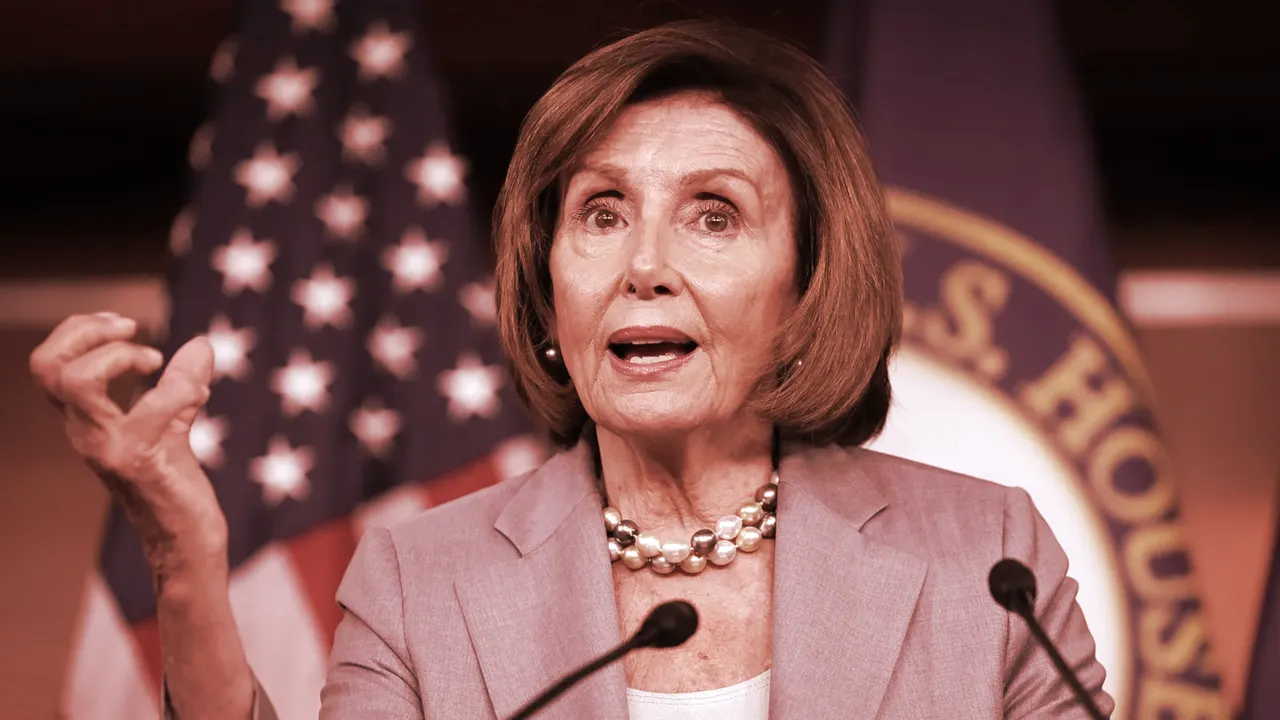
    A significant investment by Nancy Pelosi’s household in Bloom Energy, disclosed in late August, has drawn scrutiny regarding the timing of the trades and the subsequent financial gains. The transactions, which occurred in late July, involved substantial purchases of Bloom Energy shares and call options, according to financial disclosures.

    According to a report by Barron’s, the accounts belong to Paul Pelosi. The disclosures reveal that 15,000 Bloom Energy shares and 200 call options were purchased on July 24 and July 28. The call options have a $100 strike price and expire in June 2027. These transactions were reported in ranges totaling $3 million to $12 million. The disclosure of these trades did not occur until August 21, weeks after the purchases were made.

    Bloom Energy, based in San Jose, California, develops fuel-cell systems. The company reported record second-quarter revenue exceeding $1 billion after the market closed on July 28, the same day as Pelosi’s second purchase. Following this announcement, Bloom Energy shares rose 26.5% by July 30. The stock traded at $184.89 when 10,000 shares were purchased on July 24, and at $166.84 when an additional 5,000 shares were bought on July 28. Pelosi’s position in Bloom Energy has reportedly netted a 26% gain since the purchases were made.

    Market Reaction and Historical Context

    In the premarket trading on Tuesday following the disclosure, Bloom Energy shares jumped more than 6%. This disclosure adds to years of scrutiny over Pelosi’s financial dealings, with her family’s investments frequently drawing accusations of benefiting from information available through her position in Congress.

    Pelosi has denied insider-trading allegations. A spokesperson for Pelosi’s office told Barron’s, “Speaker Pelosi does not own any stocks and has no knowledge or subsequent involvement in any transactions.” Fact-checkers have also found no evidence supporting several widely circulated claims about her family’s trades.

    Bloom Energy spent $60,000 on federal lobbying in the second quarter, focusing on tax issues related to fuel cells, electrolyzers, hydrogen, and carbon capture, according to investment research platform Quiver Quantitative.

    Regulatory Framework

    The 2012 STOCK Act requires lawmakers to disclose trades over $1,000 within 45 days. While the act subjects lawmakers to insider-trading laws, it does not prohibit them or their spouses from trading individual stocks. Notably, on July 22, Pelosi voted against House bill H.R.700, which proposed tighter restrictions on lawmakers’ and their families’ stock trading. The first Bloom Energy transactions were made two days later.

    Uncertainties remain regarding the exact total value of the Bloom Energy investment, which was reported in ranges, and whether non-public information was known at the time of the trades. However, there is no evidence to suggest that Nancy Pelosi engaged in insider trading or that her investment decisions were directly influenced by her congressional position.

    Why This Matters

    The materials describe a narrow update: Nancy Pelosi’s household disclosed a multimillion-dollar investment in Bloom Energy, including shares and call options purchased in late July. The exact total value of the Bloom Energy investment (reported in ranges of $3 million to $12 million).

    Broader Context

    Source materials place the factual news in this context: Bloom Energy shares jumped more than 6% in premarket trading Tuesday after a financial disclosure from Representative Nancy Pelosi revealed a multimillion-dollar household investment in the fuel-cell company.