Category: Uncategorized

  • Meta AI’s Bitcoin Price Prediction: Navigating Uncertainty and Conditional Catalysts

    Meta AI’s Bitcoin Price Prediction: Navigating Uncertainty and Conditional Catalysts

    Meta AI has presented a Bitcoin price prediction forecasting a potential bull market restart in the second half of 2026. However, this outlook is heavily conditional, underscoring the speculative nature of such forecasts and the numerous factors that could influence market movements. The analysis emphasizes that these are potential scenarios, not certainties, highlighting the inherent unpredictability in cryptocurrency market forecasting.

    Potential Bull Market Scenarios

    According to Meta AI’s base case, Bitcoin could reach between $140,000 and $170,000 by December 2026. A more optimistic ‘stretch case,’ contingent on the Federal Reserve easing monetary policy, projects prices between $200,000 and $250,000. These predictions are supported by several identified catalysts: a typical post-halving market expansion, anticipated Federal Reserve rate cuts, the potential passage of the CLARITY Act, the emergence of new use cases for Bitcoin, and increased institutional adoption.

    Risks and Bearish Outlook

    The forecast is not without significant risks. A bearish scenario, should the CLARITY Act fail to pass and interest rates remain elevated, could see Bitcoin trading within a range of $52,000 to $68,000. Polymarket currently assigns approximately a 42% probability to the CLARITY Act passing in 2026, illustrating the probabilistic nature of these key drivers. The current Bitcoin price closed at $64,772, down 0.31% on the day, trading within a narrow range, indicating a market that is currently indecisive rather than exhibiting strong directional momentum.

    Technical Indicators and Market Sentiment

    Technical indicators reflect this uncertainty. The Relative Strength Index (RSI) is near 47, with its signal line close behind at 45. This suggests that momentum has recently shifted from declining to flat, rather than indicating a reported upward trend. Market analysis points to Bitcoin’s sensitivity to interest rate expectations, as evidenced by its bounce near $64,800 when inflation data cooled and rate hike bets were trimmed. This reaction suggests that significant potential energy is coiled within the current price levels.

    Meta AI’s bull case for Bitcoin is explicitly tied to its ability to reclaim and sustain a price level of $84,000, a mark not held since October. Until this resistance is decisively broken, the higher price targets remain theoretical. The current market structure, with Bitcoin consolidating between $60,000 and $84,000 since February, and a failed rally to $82,000 in May, followed by a stabilization near $60,000, could be interpreted as the early stages of an inverse head and shoulders pattern. If reported, this pattern is typically associated with a market bottom, but its confirmation is still pending.

    Contrast: Early-Stage Projects

    In contrast to the analysis of established cryptocurrencies like Bitcoin, Ethereum, and XRP, which are described as being ‘boxed in’ by current resistance levels, the narrative also touches upon early-stage infrastructure projects. These projects, such as LiquidChain, are presented as operating on different mathematical principles, where smaller market caps can lead to dramatic price movements from modest capital rotations. The potential for significant returns is said to exist in the gap between a project’s intrinsic value and its current market perception, a gap that narrows significantly upon discovery. LiquidChain is highlighted as a potential solution to the fragmentation issues plaguing decentralized finance (DeFi), aiming to create a unified execution layer. Its presale is currently priced at $0.01454, with over $890,000 raised, indicating it has not yet gained widespread market attention.

    Broader Context and Conclusion

    The broader context includes the significant role of spot ETFs, which currently hold approximately 1.3 million BTC, representing about 7% of the total supply. Projections suggest these ETFs could manage between $180 billion and $220 billion in assets by 2026, potentially attracting substantial institutional capital. Regulatory developments, particularly the CLARITY Act, are seen as a critical unlock for the market, with JPMorgan flagging it as a potential catalyst that could split oversight between the SEC and CFTC and allow projects to raise up to $75 million cleanly.

    Ultimately, the analysis underscores that while AI can generate potential future scenarios, these predictions are contingent on a complex interplay of regulatory developments, macroeconomic policies, and market adoption. The current market sentiment appears to be in a phase of decision-making rather than definitive declaration, with significant uncertainties surrounding the realization of any bullish forecasts for Bitcoin. Investors are cautioned to consider the probabilistic nature of catalysts and the inherent risks, especially when evaluating speculative early-stage projects.

    Why This Matters

    The materials describe a narrow update: Meta AI predicts Bitcoin may reach between $140,000 and $170,000 by December 2026 in its base case, with a stretch case of $200,000 to $250,000 if the Fed eases monetary policy. Confirmation of the inverse head and shoulders pattern for Bitcoin.


  • Morgan Stanley’s E*TRADE Platform Now Offers Spot Trading for Bitcoin, Ethereum, and Solana

    Morgan Stanley’s E*TRADE Platform Now Offers Spot Trading for Bitcoin, Ethereum, and Solana

    Morgan Stanley’s E*TRADE platform has launched spot trading for Bitcoin, Ethereum, and Solana, enabling eligible customers to buy, sell, and hold these digital assets. This integration marks a significant step in bringing cryptocurrencies to a traditional brokerage service.

    The trading is facilitated through a partnership with Zero Hash, a digital asset infrastructure provider. Under this arrangement, digital assets are held in linked Zero Hash accounts, not directly by Morgan Stanley. A 50-basis-point fee will be applied to all trades, with the company anticipating the rollout of crypto transfer functionality later this year.

    This offering aligns with Morgan Stanley’s expanding digital asset strategy. Earlier this year, the firm filed registration statements with the SEC for spot Bitcoin and Solana exchange-traded funds. In April, Morgan Stanley also indicated exploration into tokenization, tokenized money market funds, and tax-management tools for digital assets, alongside the introduction of a money market fund for stablecoin issuers under the GENIUS Act.

    Morgan Stanley had previously disclosed plans in September 2025 to introduce crypto trading on E*TRADE, initially supporting Bitcoin, Ethereum, and Solana via Zero Hash. The current launch fulfills this plan, integrating direct spot crypto trading into the firm’s brokerage services.

    Company representatives highlighted the move as a response to evolving client needs. “Our clients’ needs are evolving, and they want to invest, trade, bank, and plan for the future all in one place,” said Matt Jones, Head of E*TRADE. “Whether they’re buying their first share, exploring crypto, participating in an IPO, or planning for retirement, our job is to meet them where they are – with the confidence and trust that comes from being part of Morgan Stanley.”

    Chad Turner, head of Morgan Stanley Wealth Management Platforms, added, “With the rollout of crypto trading on E*TRADE we’re advancing our digital assets strategy and bringing new capabilities to clients in an integrated way.”

    The E*TRADE platform update also includes enhancements such as retirement planning tools, fractional share trading, an updated IPO Center, and new features for active traders. A key aspect of this integration is the ability for eligible customers to view their cryptocurrency holdings alongside their stocks and other investments.

    Why This Matters

    The materials describe a narrow update: Morgan Stanley has enabled eligible customers on its ETRADE platform to buy, sell, and hold Bitcoin, Ethereum, and Solana through a partnership with Zero Hash. The new offering lets investors view their cryptocurrency holdings alongside stocks and other investments in ETRADE.

    Broader Context

    Source materials place the factual news in this context: Morgan Stanley has launched spot cryptocurrency trading on its E*TRADE platform, allowing eligible customers to buy, sell, and hold Bitcoin, Ethereum, and Solana through a partnership with digital asset infrastructure provider Zero Hash.

  • Coinbase CEO Brian Armstrong Opposes New AI Regulatory Body, Citing Existing Laws

    Coinbase CEO Brian Armstrong Opposes New AI Regulatory Body, Citing Existing Laws

    Coinbase CEO Brian Armstrong has rejected calls for a new AI self-regulatory body or a federally overseen standards organization, asserting that existing laws are sufficient to address potential harms from artificial intelligence. Armstrong argued that new regulations would introduce a dual approval process and that policy should not be driven by hypothetical problems, emphasizing that commercial incentives already encourage AI developers to release safe products.

    This stance emerges amid a growing debate on AI governance. Google DeepMind CEO Demis Hassabis recently proposed a federally overseen standards body to test and certify frontier AI models. Hassabis warned that artificial general intelligence could emerge within a few years, potentially introducing significant cybersecurity, biological, and national security risks. He suggested a public-private organization for voluntary reviews, with the possibility of mandatory testing for advanced AI systems.

    Other prominent tech figures have voiced support for Hassabis’s proposal. Chamath Palihapitiya described the framework as “quite well reasoned,” while OpenAI’s Sam Altman called it “a thoughtful proposal.” Microsoft CEO Satya Nadella also deemed it “an important piece,” underscoring the objective to avoid AI models that could destabilize the world.

    Armstrong, however, countered these views, maintaining that current legal frameworks are adequate. According to Armstrong, existing laws such as those preventing fraud, awarding damages for harm (tort), and Unfair and Deceptive Acts and Practices (UDAP) laws provide broad protections. He also believes that AI developers have a strong commercial incentive to ensure their products are safe, as users are likely to avoid tools perceived as dangerous.

    Armstrong’s perspective on AI regulation is contextualized by Coinbase’s significant internal adoption of AI. Rob Witoff, Coinbase’s head of platform, recently stated that between 95% and 100% of the company’s code is now written by or with large language models. This marks a substantial increase from an earlier estimate of roughly 40% AI code generation shared in February.

    This strategic shift towards AI at Coinbase was preceded by a workforce reduction. In May, the company announced a 14% cut to its staff, with the stated intention of reorganizing around smaller, experienced teams centered on AI. Witoff noted that AI usage varies across tasks, with sensitive areas like cryptography still undergoing detailed human review, while internal prototypes can be developed with a high degree of automation.

    Coinbase is not alone in its increased reliance on AI amidst workforce adjustments. Other cryptocurrency firms, including Gemini, Crypto.com, Kraken, Messari, and Dune, have also reduced headcounts this year while expanding their use of AI technologies.

    Despite the confidence in AI’s capabilities and the push for integration, the rapid adoption has not been without challenges. Earlier in July, Coinbase had to investigate an AI-generated notification that incorrectly reported the outcome of a FIFA World Cup match before it had concluded, highlighting a potential drawback of AI-driven content generation.

    Why This Matters

    The materials describe a narrow update: Coinbase CEO Brian Armstrong stated that existing laws are sufficient to protect against AI harm and rejected calls for a new AI self-regulatory body or a federally overseen standards body. The exact nature and extent of future AI risks.

    Broader Context

    Source materials place the factual news in this context: Coinbase CEO Brian Armstrong has rejected calls for a new AI self-regulatory body, arguing that existing laws already provide enough protection against harmful AI.

  • Crypto Bettor Loses $1.5 Million on Argentina’s World Cup Win Over England

    Crypto Bettor Loses $1.5 Million on Argentina’s World Cup Win Over England

    The FIFA World Cup remains arguably the most-watched sporting event globally, with its high-stakes matches consistently drawing significant interest from those willing to place substantial wagers. The recent semi-finals—Argentina versus England and Spain versus France—were no exception, resulting in massive windfalls for some and devastating losses for others.

    High-Stakes Drama in the Semi-Finals

    On July 15, football powerhouses Argentina and England faced off to determine who would advance to the 2026 FIFA World Cup final against Spain. The match, fueled by a historic rivalry, lived up to its billing as a heated derby. The first half was defined more by physical clashes and tension than by fluid play.

    England broke the deadlock early in the second half, but the momentum shifted in the final minutes as they conceded two goals, effectively ending their hopes of bringing the title “home.”

    Argentina’s late comeback sent shockwaves through the stadium and the betting markets alike. One trader on Polymarket—a platform operating on the Polygon blockchain where wagers are settled via cryptocurrency—lost $1.5 million after betting on England to eliminate Argentina. Conversely, another trader saw their fortunes rise, turning a $770,000 wager on Argentina to advance into a payout of more than $1.6 million.

    A Multi-Million Dollar Turnaround

    The most dramatic narrative of the semi-finals involved a gambler who placed a staggering $11.3 million on the Spain versus France match, betting that Spain would secure a spot in the final. Prior to this massive wager, the trader had been facing a brutal loss of nearly $11 million. The bet proved to be a turning point, flipping their fortunes and leaving them with a profit of roughly $8 million following Spain’s decisive 2-0 victory.

    The “Drake Curse” Strikes Again

    Speculation circulated on X regarding Canadian musician Drake, with users claiming he placed a $450,000 bet on England to defeat Argentina, alongside a $150,000 wager on Harry Kane to score. Rumors also suggested he placed similar sums on France to eliminate Spain.

    If these wagers occurred, they were unsuccessful—a familiar outcome for the rapper, who has gained notoriety for his gambling misfortune. His string of incorrect predictions has become so consistent that it inspired the “Drake Curse,” a popular meme suggesting that any athlete or team he supports is destined to lose.

    Earlier this month, the rapper reportedly wagered $1 million in Bitcoin on Conor McGregor for his return to the octagon against Max Holloway at UFC 329. McGregor lost the fight in the first round, further cementing the reputation of the so-called curse.

  • Mira Murati’s Thinking Machines Lab Launches Inkling, Open-Source Multimodal AI Model

    Mira Murati’s Thinking Machines Lab Launches Inkling, Open-Source Multimodal AI Model

    Mira Murati’s Thinking Machines Lab has released Inkling, a new multimodal open-source AI model trained from scratch. The model’s weights are available for free download under an Apache 2.0 license on Hugging Face, positioning it as a Western alternative for developers.

    Inkling is designed as a generalist model and offers a capable open-weights option for developers concerned about using models developed in Beijing. This release follows Murati’s departure from OpenAI in September 2024. Thinking Machines Lab was founded in February 2025 and reportedly raised $2 billion in July 2025 at a $12 billion valuation. However, reports in November 2025 about seeking a new round at a $50 billion valuation collapsed by January 2026.

    Technical Specifications and Capabilities

    Inkling is a mixture-of-experts model featuring 975 billion total parameters, with 41 billion active parameters per task. It processes text, image, and audio inputs and supports a context window of 1 million tokens. The model was pretrained on 45 trillion tokens, encompassing text, images, audio, and video.

    Performance Benchmarks

    Data indicates Inkling scored 74.1% on the MCP Atlas benchmark, nearly 30 points higher than Nvidia’s Nemotron 3 Ultra (44.2%). On the SWE-Bench Verified benchmark, Inkling achieved 77.6%, surpassing Nemotron 3 Ultra’s 70.7%. Inkling also recorded 78.0% on FORTRESS Adversarial, reportedly the highest score among all compared open-weights models.

    However, analysis suggests Inkling does not lead in all benchmark categories. Z.ai’s GLM 5.2 scored 82.7% on Terminal Bench 2.1, compared to Inkling’s 63.8%. Kimi K2.6 is noted as leading on the Humanity’s Last Exam benchmark. According to the FactSheet, Inkling is not the strongest model available today, whether open or closed.

    Significance as a Western Alternative

    The open-source nature of Inkling is highlighted as a key advantage for Western developers hesitant to use models developed in Beijing due to legal, security, or compliance reasons. The availability of its weights under an Apache 2.0 license allows for free download and self-hosting, offering a viable alternative.

    Thinking Machines Lab also previewed Inkling-Small, a version with 276 billion total parameters and 12 billion active parameters. The exact release timeline for Inkling-Small weights remains uncertain.

    Overall, Inkling represents a significant development in the Western open-source AI model landscape, offering advanced multimodal capabilities and a competitive alternative. Its performance relative to leading Asian models continues to be a point of comparison.

    Broader Context

    Source materials place the factual news in this context: Mira Murati left OpenAI in September 2024.

  • Visa Launches Stablecoin Platform for Financial Institutions

    Visa Launches Stablecoin Platform for Financial Institutions

    Visa has launched a new enterprise platform, the Visa Stablecoin Platform (VSP), designed to enable financial institutions to issue, hold, and transfer stablecoins. The VSP integrates stablecoin minting, redemption, wallet infrastructure, and treasury management, allowing banks and fintech companies to conduct stablecoin operations within their existing payment and settlement workflows without needing to build their own blockchain infrastructure.

    According to Visa, the platform aims to simplify the operational aspects of stablecoins for institutions by providing a single place to manage these operations with the controls, security, and network reach expected from Visa. Initially, the VSP supports Open USD (OUSD), alongside Visa’s existing support for Circle’s USDC and Paxos’ USDG.

    Stablecoins are cryptocurrencies designed to maintain a fixed value, typically pegged to a fiat currency like the U.S. dollar. The stablecoin market is currently valued at approximately $304 billion, according to CoinGecko. This launch follows Visa’s strategic engagement with digital assets. In October, Visa published research suggesting that stablecoins could potentially bring portions of the $40 trillion global credit market onto blockchain rails, citing over $670 billion in stablecoin lending in the previous five years.

    Visa’s prior involvement in stablecoin infrastructure includes joining the Canton Network as a Super Validator in March, a role aimed at helping banks utilize stablecoins for payments, settlement, and treasury operations on a privacy-focused blockchain. In April, Visa expanded its stablecoin settlement program to include Base, Polygon, Canton, Arc, and Tempo, bringing the total number of supported blockchain networks to nine. At that time, Visa reported its annualized stablecoin settlement volume had reached $7 billion and that it supported more than 130 stablecoin-linked card programs across over 50 countries.

    The Visa Stablecoin Platform is currently available to select beta users. Specific details of this beta program and the timeline for wider availability remain uncertain.

    Why This Matters

    The materials describe a narrow update: Visa has introduced the Visa Stablecoin Platform (VSP), an enterprise system that integrates stablecoin minting, redemption, wallet infrastructure, and treasury management. The specific details of the beta user program.

    Broader Context

    Source materials place the factual news in this context: Visa has introduced a new platform that enables banks, fintechs and payment providers to issue, hold and transfer stablecoins through its payments network.

  • Grok AI’s Netflix Stock Prediction: Analyzing AI’s Role and Market Uncertainties

    Grok AI’s Netflix Stock Prediction: Analyzing AI’s Role and Market Uncertainties

    The predictive capabilities of artificial intelligence in forecasting stock movements, such as Grok AI’s recent outlook for Netflix, are bounded by the inherent uncertainties of market dynamics and future corporate performance. While AI can process vast amounts of data, its predictions require careful interpretation alongside fundamental analysis and contextual understanding.

    According to Grok AI, Netflix stock is potentially poised for a price increase, forecasting a rise from its current trading price of $73.83 to a range of $85-$92 within the next 30 days. This projection is contingent on an upcoming earnings report, with a particular focus on the performance of Netflix’s advertising tier. The AI suggests that a strong earnings beat, especially concerning ad revenue and subscriber growth, could lead to a reversal of oversold conditions in the stock. The ad tier currently reaches over 250 million monthly active viewers and is on track to potentially double its ad revenue to approximately $3 billion by 2026. Furthermore, Netflix’s paid memberships exceed 325 million.

    However, the analysis also acknowledges potential risks. Grok AI flags any softening in subscriber additions or a wobble in margin guidance as factors that could cap upside potential. The source material indicates that if management appears defensive regarding margins during the earnings call, the positive outlook for the stock could be significantly impacted. Technical indicators for Netflix stock show a Relative Strength Index (RSI) of approximately 36, with the signal line near 40. This shallow negative gap in the RSI suggests fading selling pressure, which could indicate a base formation, but momentum has not yet turned upward. Support levels for the stock are identified at $73, $70, and the $68 zone, while resistance is noted at $77, $80, and $84.

    This AI-driven prediction for Netflix operates within a broader market context that includes shifts in cryptocurrency investments. While large-cap cryptocurrencies like Bitcoin, Ethereum, and XRP are currently facing capped upside due to delayed macro tailwinds and institutional inflows, early-stage infrastructure plays are presenting different opportunities. Projects like LiquidChain aim to address multi-chain fragmentation in decentralized finance (DeFi), which incurs significant costs for users through fees, slippage, and failed transactions. LiquidChain proposes consolidating multiple blockchain networks into a single execution layer to eliminate these cross-chain costs. The LiquidChain presale is currently priced at $0.01454, with over $820,000 raised, representing an early-stage investment opportunity.

    Ultimately, the Grok AI prediction for Netflix serves as a case study on the utility and limitations of AI in market analysis. While AI can identify patterns and potential catalysts, its forecasts are not guarantees. Investors are advised to consider such predictions as one data point among many, integrating them with fundamental analysis, technical indicators, and a thorough understanding of market risks. The divergence between traditional equity analysis and the dynamics of the crypto market further underscores the need for a diversified and context-aware investment strategy.

    Why This Matters

    The materials describe a narrow update: Grok AI has analyzed Netflix’s stock performance and fundamentals, predicting a potential price increase from $73. Whether Netflix will achieve a clean beat on ad progress and provide a confident outlook in its earnings.

  • Bitunix Card Offers Crypto Spending and Potential Yield, With Conditions

    Bitunix Card Offers Crypto Spending and Potential Yield, With Conditions

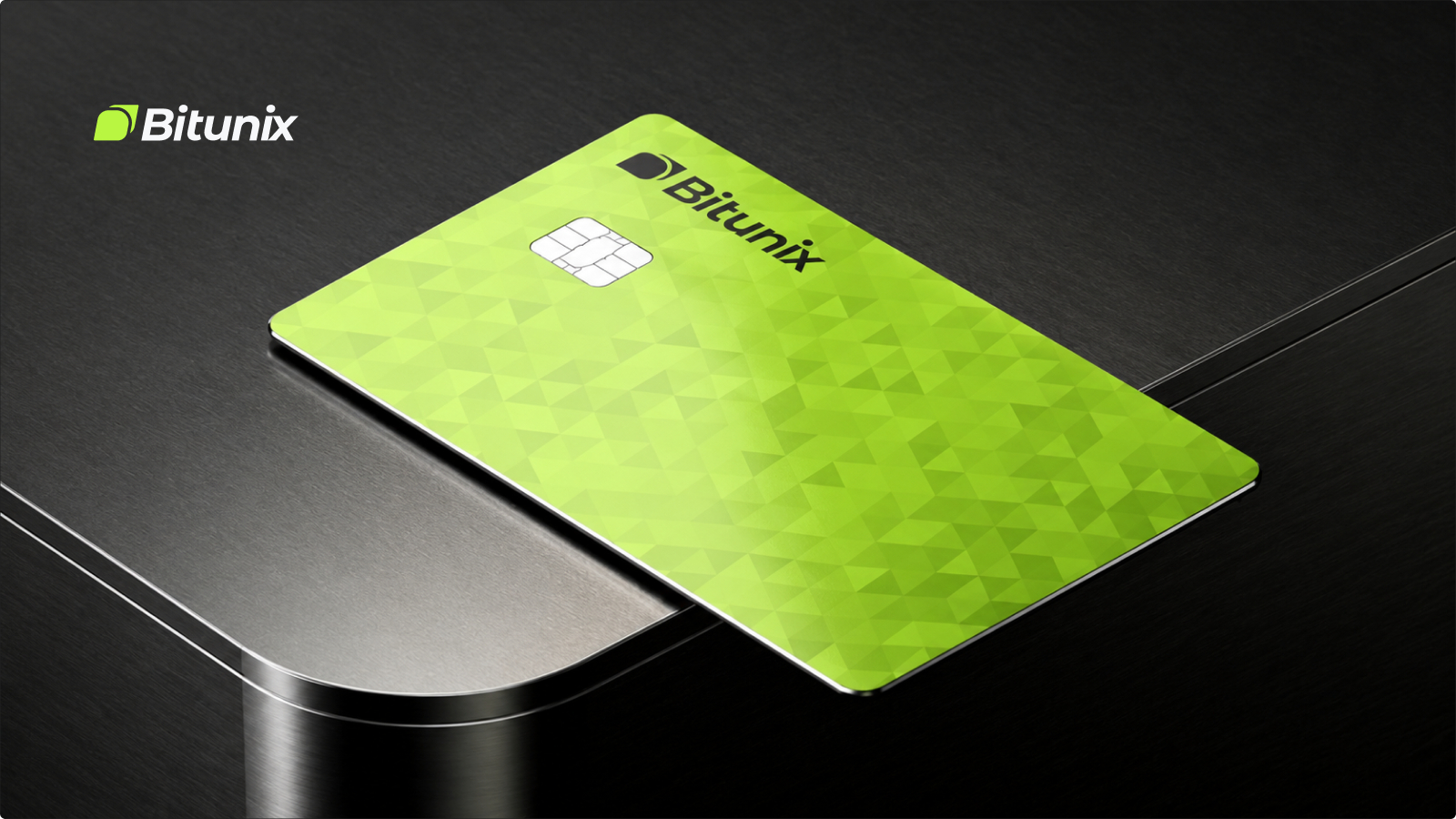
    Bitunix has launched the Bitunix Card, a Visa-powered debit card that allows users to spend cryptocurrency on everyday purchases and potentially earn yield on their balances. Introduced on July 16th, 2026, the card aims to integrate digital assets with daily financial needs by connecting with traditional payment infrastructure.

    According to Bitunix, the card is accepted globally at over 130 million merchants that accept Visa. It also supports integration with major digital wallets, including Apple Pay, Google Pay, and Paypal, alongside selected regional payment platforms, facilitating cryptocurrency spending for daily transactions.

    The Bitunix Card offers users the potential to earn yield on eligible balances, with Bitunix stating that these can accrue annual yield up to 11.6%. Additionally, the card provides up to 8% cashback on eligible spending, capped at 1,000 USDT monthly. The company notes that specific yield percentages and cashback rates may vary based on conditions and user VIP tiers.

    To activate the card, a minimum balance of 100 USDT must be transferred to the card account. Bitunix has stated there are no issuance or monthly maintenance fees associated with the card.

    Bitunix operates as a global cryptocurrency derivatives exchange serving over 5 million users across more than 150 countries. The platform emphasizes liquidity, trading capabilities, and user experience, supported by security measures like Proof of Reserves and the Bitunix Care Fund.

    The introduction of the Bitunix Card aligns with a broader trend in fintech towards creating practical crypto products that bridge digital assets with daily commerce. By combining spending and earning functionalities, Bitunix seeks to offer users enhanced ways to utilize their digital assets beyond trading.

    Why This Matters

    The Bitunix Card launch represents an effort to increase the practical utility of cryptocurrency for everyday use. The card enables users to spend cryptocurrency for daily transactions and potentially earn yield on their holdings, reflecting a growing demand for crypto products that connect digital assets with everyday spending.

    Broader Context

    Bitunix is a global cryptocurrency derivatives exchange trusted by over 5 million users across more than 150 countries. The platform is built for traders who expect more, committed to providing Ultra Trust, Ultra Products, and Ultra Experience. Bitunix offers a fast registration process and a user-friendly verification system to ensure safety and compliance. With global standards of protection through Proof of Reserves (POR) and the Bitunix Care Fund, the exchange prioritizes user trust and fund security.

  • Gemini AI Forecasts Major XRP Price Surge

    Gemini AI Forecasts Major XRP Price Surge

    Google Gemini AI has pinpointed a critical juncture for XRP, predicting a trendline break at $1.11 and forecasting a significant surge to between $1.50 and $1.80 within the next 60 days.

    The $1.18 Catalyst

    The AI model’s prediction hinges on a specific trigger: a decisive close above $1.18. Surpassing this level, according to Gemini, would signal a supply squeeze rather than a gradual price appreciation. The ongoing absorption of XRP’s circulating supply by spot ETF inflows, coupled with a strengthening regulatory clarity in the United States, is seen as a foundational tailwind. When these factors converge with a decisive break above $1.18, it transforms from a mere technical indicator into the catalyst for a substantial price movement.

    Network Activity Versus Price Action

    Gemini AI acknowledges a potential weakness in its own bullish thesis: the current low number of active on-chain addresses. In the AI’s own assessment, this indicates a quiet network beneath the surface. The model highlights that a price trendline can break even without a corresponding surge in real-world usage, a discrepancy that forms the basis of the bearish argument.

    Potential Downside Scenario

    Should a broader market selloff pull XRP below the significant psychological barrier of $1.00, Gemini foresees a rapid correction to $0.85 before any meaningful recovery can commence. This is not characterized as a minor pullback but a distinct “air pocket” with a specific price target.

    Chart Analysis and Key Levels

    The chart analysis supports the focus on $1.18. XRP recently closed at $1.11517, a modest 0.38% increase, with the trading session fluctuating between $1.09823 and $1.12895. Looking at the broader picture, XRP has been in a downtrend since reaching a peak near $3.20 in September 2025. February marked a significant downturn, with a gap down through $1.60 resetting the entire price structure. Since February, XRP has traded within a tightening range, initially between $1.30 and $1.60, before falling below $1.20 in June. This June breakdown is what Gemini quietly believes may have already marked the low.

    Key support levels are identified at $1.05 and the psychological $1.00 mark. Resistance is stacked at $1.18, followed by $1.30, and then the May high near $1.60.

    Momentum Indicators

    The Relative Strength Index (RSI) is currently hovering around 44, with its signal line just below at approximately 42. This slight upward divergence between the RSI and its signal line suggests that short-term momentum is beginning to shift upwards for the first time in weeks, moving away from a bearish trend. However, this is considered an early signal, not a confirmed reversal.

    The Bull Case Hinges on $1.18

    Gemini’s entire bullish outlook rests on this nascent momentum successfully breaching the $1.18 resistance. A decisive move above this level would validate the supply squeeze thesis. Conversely, failure to break through $1.18 again would likely see XRP return to trading below $1.00.

    The Current Market Moment

    The current market presents a critical juncture, where inaction could prove costly. Bitcoin, Ethereum, and XRP are all testing established resistance levels. The broader market’s unlock is perceived to be just one data point away, with institutional capital anticipated to flow in during the next quarter. Large-cap traders awaiting a breakout are positioned for a decision that ultimately lies beyond their immediate control.

    Gemini AI’s analysis aligns with the strategies of experienced cycle traders. Capital that appears as statistical noise within the market capitalization of Bitcoin can significantly reprice smaller, less-discovered projects. The inherent asymmetry lies in the disparity between a project’s intrinsic value and its current market valuation. This gap, once recognized, tends to collapse rapidly.

    LiquidChain: A New Contender

    The article also introduces LiquidChain, a project aiming to address cross-chain fragmentation, a persistent issue in DeFi that incurs costs through fees, failed transactions, and slippage. LiquidChain proposes a unified execution layer for multiple networks, eliminating the “cross-chain tax” by enabling simultaneous deployment across these ecosystems.

    Gemini AI identifies LiquidChain as a project worth watching. Its presale is priced at $0.01454, with over $860,000 raised. However, the AI acknowledges that its execution and adoption remain unproven. While established assets offer a more predictable path to potential gains, LiquidChain represents an entry point that could gain significant traction once discovered by the broader market.

  • Base Blockchain Pivots Strategy Under Jesse Pollak, Shifts Focus to Global Finance Applications

    Base Blockchain Pivots Strategy Under Jesse Pollak, Shifts Focus to Global Finance Applications

    Jesse Pollak, the executive previously leading the consumer Base app, has acknowledged a strategic misstep, admitting that his prior focus on builders driving adoption through onchain social growth was flawed. Pollak has since handed over the consumer Base app to trader Cobie and is refocusing his efforts on developing the Base chain itself, with the aim of establishing it as the platform for global finance.

    Pollak stated that his 2024-2025 strategy rested on two key bets: that builders would drive adoption and that growth would stem from onchain social interactions. He has now acknowledged that the latter bet was incorrect, describing the onchain social corner—which included platforms like Farcaster, Zora, miniapps, and creator coins—as having “disintegrated completely.” This strategic shift leaves Base trailing rivals in areas such as perps, prediction markets, tokenization, and payments.

    Pollak apologized for his misjudgment regarding content coins, a sentiment echoed by Coinbase CEO Brian Armstrong, who previously commented that Base “messed up” in this area. Pollak’s vision for Base is now centered on becoming “the blockchain for global finance,” leveraging the combination of crypto, stablecoins, perps, prediction markets, and tokenization to onboard a significant number of users.

    New Priorities and Leadership

    For 2026, Pollak has identified three core priorities for Base: trading, payments, and agents. In line with this strategic pivot, Cobie will now be responsible for overseeing trading products at Coinbase, including the CB app, Pro, and Baseapp. This role places Cobie in a competitive market, facing challenges from centralized exchanges like Kraken, memecoin apps such as Pump Fun and Fomo, Robinhood’s expanding onchain offerings, and Kalshi’s growth in the prediction market space.

    While Pollak’s admission signifies a strategic pivot, the exact timeline for Cobie’s impact on trading products, the specific reasons behind the perceived disintegration of the onchain social sector, and the success metrics for Base’s new priorities in trading, payments, and agents for 2026 remain uncertain. The blockchain’s future development and adoption will depend on the execution of these new strategic directions and Cobie’s ability to navigate the competitive landscape.

    Why This Matters

    The materials describe a narrow update: Jesse Pollak, who was running the Base blockchain, has transferred the consumer Base app to Cobie. The specific timeline for Cobie’s full integration and impact on trading products.

    Broader Context

    Source materials place the factual news in this context: Morning Minute is a daily newsletter written by Tyler Warner.