Blog

  • Ethereum Surges as Whales Accumulate, Wallet Count Peaks

    Ethereum Surges as Whales Accumulate, Wallet Count Peaks

    Ethereum Surges Past $2,600 Amidst Whale Activity and Staking Growth

    Ethereum’s recent ascent beyond the $2,600 mark has been propelled by a confluence of factors, including a resurgence in whale transactions, a record number of non-empty wallets, and significant developments in the realm of staking, according to data from Santiment Intelligence.

    While an increase in whale transactions doesn’t definitively signal accumulation, as large transfers can represent both buying and selling, the price action of Ether (ETH) has shown a clear inclination towards purchases.

    Santiment’s analysis reveals that the number of non-empty Ethereum wallets has reached an all-time high, exceeding 207 million. This growth indicates a continued broadening of ETH ownership, even after periods of subdued price performance. Concurrently, a substantial portion of Ethereum’s circulating supply remains committed to staking, rather than being held idly.

    With entities like Bitmine actively staking significant token holdings, the total amount of ETH currently staked has surpassed 40 million. Furthermore, Ethereum continues to dominate the decentralized finance (DeFi) landscape, boasting a total value locked (TVL) of approximately $50 billion.

    This combination of on-chain metrics underscores the underlying strength behind Ethereum’s latest recovery, which saw the leading altcoin rebound from below $2,400 to its current position above $2,600. Ethereum’s investment appeal appears to extend beyond short-term price speculation, with the asset deeply integrated into staking, stablecoins, lending, decentralized exchanges (DEXes), and other DeFi applications.

    Adding to the positive momentum, the cost of transacting on the Ethereum network has become significantly more affordable. The average transaction fee has fallen to below $0.10, representing a decrease of over 85% from its peak of $0.72 in April.

    This improving on-chain environment coincides with Ethereum approaching a critical technical resistance level. Popular analyst Ted Pillows has identified the current resistance zone as a significant hurdle for ETH’s recovery, suggesting that a sustained breakout could pave the way for new local highs.

    On a shorter timeframe, Pillows indicated that a weekly close above $2,550 would strengthen ETH’s potential to reach the $2,900-$3,000 range, a projection echoed by recent analysis from Ali Martinez. Looking further ahead, the long-term outlook for Ethereum appears even more optimistic. Pillows has set an ambitious target of $10,000 for the asset, citing its need to “catch up with global M2 supply.”

    [Image: A tweet from Ted Pillows stating “Ethereum has a lot of catching up to do with global M2 supply. $10,000 ETH remains the target by 2029.”]

  • CLARITY Act Uncertainty Fuels Wall Street Blockchain Adoption

    CLARITY Act Uncertainty Fuels Wall Street Blockchain Adoption

    Senate’s CLARITY Act Fails Procedural Vote, SEC Unveils “Innovation Exemption” for Tokenized Stocks

    Washington D.C. – The U.S. Senate’s CLARITY Act, a landmark piece of legislation aimed at structuring the digital asset market, failed a procedural vote by a narrow margin of 49 to 50. Just two days later, the Securities and Exchange Commission (SEC) issued an “Innovation Exemption,” effectively greenlighting the on-chain trading of tokenized U.S. stocks.

    Financial commentator Wen Hongjun believes this outcome, while seemingly a setback for legislative certainty, may actually accelerate Wall Street’s migration to the blockchain. The exemption, he argues, truly elevates the importance of trading pair rules, with compliant payment stablecoins now directly integrated into the settlement leg of the U.S. stock market on-chain.

    Who Will Be the Market Maker, Which Chain Will Be Used, Whose Pool Will Be Tapped, and Whose Currency Will Set the Price?

    On September 15th, the U.S. Senate’s procedural vote on the CLARITY Act (Digital Asset Market Structure Act) fell short of the 60-vote threshold, failing 49 to 50. This significant deficit, a full 11 votes shy of the supermajority, has drastically reduced market predictions for its legislative success this year from over 80% in February to single digits.

    On September 17th, the SEC unveiled its “Innovation Exemption,” permitting qualified “Tokenized Securities Trading Venues” (TSVs) to utilize licensed Automated Market Maker (AMM) liquidity pools for the on-chain trading of tokenized U.S. equities.

    This timing is not coincidental but rather a strategic division of labor. As Paul Atkins stated in his announcement, “With Congress unable to advance the CLARITY Act this week, the SEC is taking a step forward today within its statutory authority.” In simpler terms, when Congress cannot provide certainty, the executive branch takes action.

    Legislation aims to provide “legal certainty” to industries, but Wall Street has never waited for approval to innovate. What it requires is a pathway that ensures “doing so won’t lead to prosecution.” The failure of the CLARITY Act has seen the SEC’s Section 36(a) exemptive authority fill the void. While the path may differ, the direction remains unchanged.

    Administrative exemptions are faster than legislation but are considerably more fragile, with a five-year sunset clause, temporary status, and conditional terms. The next administration could revoke it, courts could challenge it, and a change in SEC leadership could rewrite it. The industry is well aware that if Congress cannot deliver, the focus shifts back to how much space the SEC and CFTC can unlock under existing laws.

    In essence, the industry has traded “legislative permanence” for “administrative speed.” This is a time-bound transaction.

    The roadblock this time was not technical provisions but ethical clauses. Democrats demanded enforceable bans on profits from cryptocurrency for presidents and high-ranking officials during rule-making periods. Republicans, on September 14th, presented a 630-page version incorporating 126 amendments requested by Democrats, yet still failed to secure votes. Furthermore, if the Senate shifts hands after the midterm elections, the Banking Committee could be led by Elizabeth Warren.

    My conclusion is that the failure of the bill does not mean the migration to the blockchain will stop. I have repeatedly emphasized that Trump will not disappoint, and the bill’s failure will actually accelerate the migration. Because the window is only five years, and it’s first-come, first-served, the migration of talent, capital, and industry officially begins this week. Once the industry has migrated to the blockchain, and the interests of Wall Street financiers behind the Democratic Party are secured, the deed will be done. Will subsequent legislation fail? Or will it pass under a different name, with the benefits merely redistributed to their own financiers?

    Technical Breakdown: Four Key Points

    • Dual Exemption: TSVs are exempted from the definition of “exchange,” and market makers providing liquidity in their own capital within the pool are exempted from the definition of “dealer.”
    • Must Be True Equity: Tokens must retain corresponding dividend and voting rights; synthetic versions are explicitly prohibited. Robinhood’s Stock Tokens, Kraken’s xStocks, and Ondo’s offshore products only offer price exposure without shareholder rights. Their current forms cannot enter this arena and must restructure their products to do so.
    • Permissionless Chain + Permitted Participants: Smart contracts must be auditable, public, and deployed on a “public, permissionless” distributed ledger. However, participants are permitted, limited to U.S. persons, and must comply with sanctions regulations. This provision effectively blocks two types of entities: traditional institutions seeking to launch private consortium chains and DeFi purists aiming for fully open, KYC-free pools.
    • Strict Controls: There are caps on the number of listed tickers and trading volumes. Trading must halt in sync with primary listing exchanges. Issuers must be notified in writing before third-party tokenization, with the right to object.

    Most media outlets have covered the above points. What truly warrants amplification are the trading pair rules.

    Under the exemption, tokenized U.S. stocks can only be traded against three types of assets: another tokenized NMS stock, non-security crypto assets (such as stablecoins issued by compliant payment stablecoin issuers), or tokenized money market funds. Each pair constitutes an independent pool, with its own reserves and pricing.

    The SEC has directly incorporated “compliant payment stablecoins” into the settlement leg of the on-chain U.S. stock market.

    This represents a leap in the positioning of stablecoins, elevating them from “transaction mediums within the crypto sphere” and “cross-border payment tools” to units of account and settlement assets in the U.S. capital markets. The GENIUS Act provided them with legal status, and the Innovation Exemption has provided them with use cases.

    Even more intriguing is the third option: tokenized money market funds. The GENIUS Act prohibits interest payments on payment stablecoins, forcing the on-chain “cash leg” to bifurcate into two forms:

    • Non-interest-bearing payment stablecoins: Pure settlement, high liquidity, and pricing benchmarks.
    • Interest-bearing tokenized MMFs: Capital parking and yield accrual (e.g., BUIDL, BENJI, USTB).

    Wall Street’s familiar tiered cash management system is being meticulously rebuilt on-chain. Whoever’s cash leg is chosen as the primary trading pair will simultaneously gain three advantages: float, order flow, and pricing benchmarks.

    This is where market making truly lies. It’s not about who lists the most stocks, but about whose cash leg becomes the market’s unit of account.

    • Issuer Layer: Circle/USDC, banks and payment consortia like the OUSD camp, and brokerage firms’ own stablecoins – who will become the default pricing currency for tokenized U.S. stock pools?
    • Public Chain Layer: Ethereum, Solana, and BNB Chain, by meeting the criteria of “public and permissionless,” can directly serve as settlement networks for TSVs, indirectly benefiting from the spillover of compliant trading volume. The phrase “public and permissionless” is the biggest hurdle for traditional institutions building their own closed chains.
    • Platform Layer: DeFi mainstays like Uniswap, Hyperliquid, and Aave are essentially gaining a compliant lane, but KYC gates and other guardrails will limit their speed. Their positions differ: Uniswap is an AMM model directly written into the exemption; Hyperliquid, with its on-chain order book architecture, is already in discussions with regulators for implementation pathways but hasn’t secured a position in this round; Aave represents the next step, where tokenized U.S. stocks, once eligible as collateral, will open the door to leverage and re-collateralization for lending protocols.

    DeFi will henceforth be formally bifurcated into two worlds: “permissioned pools” and “permissionless pools.” The divergence point is not technology but the willingness to implement KYC.

    • Asset Side: Names like Securitize, Superstate, Ondo Finance, and Dinari, already involved in tokenization, are the most obvious early applicants. Ondo is particularly noteworthy, appearing on two lists: its existing offshore Global Markets product is ineligible due to offering only price exposure, but it acquired Oasis Pro in 2025, securing SEC-registered broker-dealer, ATS, and transfer agent licenses. Oasis Pro was one of the earliest institutions in the U.S. approved to settle digital securities with fiat currency or stablecoins like USDC and DAI. While its offshore products need modification, its onshore licenses are ready, representing a strategic approach for the five-year window.

    Licenses, cash legs, and chains are all indispensable. Those possessing only one are merely supporting the U.S. (dollar and Treasury bonds).

    The market’s reaction over the past two days has been telling: Securitize up nearly +15% in a single day, UNI up nearly +18% in 24 hours, Bullish up +6%, with Coinbase and Robinhood rising in tandem.

    It’s also important to remember a parallel second path: In March of this year, the SEC approved Nasdaq’s proposal for tokenized trading of Russell 1000 constituents and index ETFs, with full launch planned for October, utilizing the existing NSCC/DTCC clearing pipeline. The same company will soon have two stock markets: one operating through Wall Street’s old pipes, and another through public chains and AMMs. They will compete directly for the same underlying assets.

    The market’s appetite is already evident: Token Terminal data shows the scale of tokenized stocks approaching $3.2 billion, with year-over-year growth exceeding 1200%. Over the past 30 days, DEX trading volume reached approximately $15.75 billion, with nearly $3 billion occurring over weekends when NYSE and Nasdaq are closed. That $3 billion over the weekend represents demand that the old system cannot accommodate.

    Stablecoins have been upgraded from “payment/remittance tools” to “units of account and settlement in capital markets.” Their demand now extends beyond crypto trading to 24/7 U.S. stock trading, including weekends. This is a pool of entirely different magnitude.

    While the GENIUS Act’s prohibition of interest on stablecoins might seem to weaken them, the exemption’s inclusion of tokenized MMFs in trading pairs effectively permits the coexistence of a “non-interest-bearing settlement layer” and an “interest-bearing parking layer” on-chain. The tiered cash management system on-chain has truly taken shape at this moment.

    This is what Wall Street is truly vying for. Whichever “currency” (in reality, all are dollars) becomes the primary trading pair determines the price benchmark, liquidity depth, and settlement rhythm. Today, the door to trading has opened; tomorrow, the door to collateral will open. The key to both doors is “stablecoins,” a.k.a. Hayek’s “on-chain dollars” born from free competition in currency.

    The U.S. has integrated stablecoins into the infrastructure of its capital markets. Taiwan’s VASP special law and central bank are still discussing them within the framework of “payment tools.” This gap in positioning is more dangerous than any technological disparity.

    My view from Series-8 remains unchanged: general-purpose retail TWD stablecoins will struggle to find clear use cases in the short term. However, this exemption serves as a reminder: the real battlefield is not retail payments but the settlement leg of capital markets.

    Taiwanese brokerages and financial holding companies should not be asking “whether to issue stablecoins,” but rather: “Within this five-year window, do we have the capability to connect to the cash leg, custody leg, and settlement leg of on-chain U.S. stocks?”

    Taiwan holds a critical position in the global AI computing power supply chain. It should leverage this physical advantage to gain a voice in on-chain U.S. dollar settlement.

    The failure of the CLARITY Act proves only one thing: rules may lack clarity, but the migration of technology and innovation will not wait for you.

    Stablecoins are not just settlement networks for new ledgers; they are becoming Wall Street’s new battleground. And the true game of the “Innovation Exemption” has never been about “whether stocks can go on-chain.” It’s about who will be the market maker, which chain will be used, whose pool will be tapped, and whose currency (the dollar) will set the price.

    CLARITY is not dead! Senator Tillis calls for a re-vote, industry shifts focus to SEC/CFTC rulemaking.
    After CLARITY Act’s failed bid, a move is made: U.S. CFTC submits crypto regulation draft to the White House, proposing a dedicated compliant market.
    “Wen Hongjun’s Stablecoin New Finance 20”: One year of America’s genius bill! Crypto narrative fully taken over by traditional finance, where is Taiwan’s strategy?

  • هایپرلیکویید: درآمد روزانه ۳ میلیون دلاری؛ پروتکل‌های برتر آنچین به اوج هفتگی رسیدند

    هایپرلیکویید: درآمد روزانه ۳ میلیون دلاری؛ پروتکل‌های برتر آنچین به اوج هفتگی رسیدند

    رونق بی‌سابقه در پروتکل‌های مالی غیرمتمرکز؛ هایپرلیکویید در صدر

    تهران، ایران – در موجی بی‌سابقه از رشد درآمد در فضای مالی غیرمتمرکز (DeFi)، پروتکل هایپرلیکویید (Hyperliquid) تنها در یک دوره ۲۴ ساعته موفق به کسب ۳.۰۷ میلیون دلار درآمد پروتکلی شد. این دستاورد بخشی از روندی گسترده‌تر است که طی آن چهار پلتفرم اصلی در بلاکچین، همزمان بهترین ارقام درآمد هفتگی خود را ثبت کردند.

    رشد چشمگیر درآمد در پروتکل‌های پیشرو

    بر اساس داده‌های گردآوری شده توسط DefiLlama، مجموع درآمد هفتگی هایپرلیکویید به حدود ۱۳.۴۷ میلیون دلار رسید و جایگاه آن را به عنوان یکی از پردرآمدترین پروتکل‌ها در حوزه مالی غیرمتمرکز، خارج از دایره صادرکنندگان استیبل‌کوین، تثبیت کرد.

    سه پروتکل دیگر که در این موفقیت سهیم بودند، شامل Pump (با نام تجاری pump.fun)، StonkFun (با نام تجاری Stonk) و Pons، هر کدام رکوردهای درآمد هفتگی شخصی خود را شکستند.

    موتور درآمدی هایپرلیکویید

    موتور درآمدی هایپرلیکویید تقریباً به طور کامل بر معاملات فیوچرز دائمی (perpetual futures) استوار است. حدود ۹۹ درصد از کارمزدهای واجد شرایط معاملات فیوچرز، از طریق صندوق کمک‌رسانی (Assistance Fund) پروتکل، صرف بازخرید و سوزاندن توکن HYPE می‌شود.

    عملکرد سایر پروتکل‌ها

    StonkFun که در حوزه لانچ‌پدهای توکن فعالیت می‌کند، در همین بازه زمانی به اوج درآمد روزانه ۱.۸۴ میلیون دلاری دست یافت.

    Pons نیز شاید پایدارترین عملکرد را در میان این گروه از خود نشان داد و در بازه زمانی ۳۰ روزه گذشته، حدود ۱۷.۸ میلیون دلار درآمد کسب کرد.

    Pump، لانچ‌پد میم‌کوین مبتنی بر شبکه سولانا (Solana)، این گروه چهار نفره را تکمیل کرد و از فعالیت مداوم در اکوسیستم سولانا بهره برد.

    فیلتر مهم DefiLlama

    رتبه‌بندی‌های DefiLlama اکنون این پروتکل‌ها را در میان برترین تولیدکنندگان درآمد در بلاکچین قرار می‌دهد، البته با حذف صادرکنندگان استیبل‌کوین مانند Tether و Circle. این یک فیلتر معنادار است، زیرا درآمد حاصل از استیبل‌کوین‌ها یک مدل کسب‌وکار اساساً متفاوت است که بر درآمد بهره از ذخایر بنا شده، نه کارمزدهای پروتکلی از کاربران.

    اوج‌گیری فعالیت‌ها

    سطوح فعالیت به ویژه در اواسط سپتامبر به شدت افزایش یافت و رهبری درآمد به طور مکرر بین این پلتفرم‌ها جابجا می‌شد.

    رویکرد هایپرلیکویید تهاجمی‌ترین است و تقریباً تمام کارمزدهای واجد شرایط را به صندوق کمک‌رسانی خود برای بازخرید و سوزاندن HYPE هدایت می‌کند. پروتکل‌های لانچ‌پد معمولاً درآمد خود را بین انباشت خزانه و طرح‌های بازخرید توکن تقسیم می‌کنند.

    به طور مشخص برای هایپرلیکویید، رقم درآمد هفتگی ۱۳.۴۷ میلیون دلاری، به نرخ سالانه بیش از ۷۰۰ میلیون دلار می‌رسد.

  • خروج اتریوم با بیدار شدن نهنگ‌ها و رکوردشکنی کیف پول‌ها

    خروج اتریوم با بیدار شدن نهنگ‌ها و رکوردشکنی کیف پول‌ها

    افزایش قیمت اتریوم؛ بازگشت فعالیت نهنگ‌ها و ثبت رکورد جدید برای کیف پول‌ها

    بر اساس داده‌های اخیر منتشر شده توسط Santiment Intelligence، عبور اخیر اتریوم از مرز ۲۶۰۰ دلار، در پی بازگشت فعالیت نهنگ‌ها، ثبت رکوردی چشمگیر برای کیف پول‌های غیرخالی و تحولات گسترده در حوزه استیکینگ صورت گرفته است.

    اگرچه افزایش تراکنش‌های نهنگ‌ها لزوماً به معنای انباشت صرف نیست، چرا که نقل و انتقالات بزرگ می‌تواند هم خرید و هم فروش را نشان دهد، اما تحرکات قیمتی دارایی پایه بیشتر به سمت خرید متمایل بوده است.

    داده‌های ارائه شده توسط این موسسه اطلاعاتی نشان می‌دهد که تعداد کیف پول‌های غیرخالی اتریوم به رکورد جدیدی بیش از ۲۰۷ میلیون رسیده است. این رقم حاکی از آن است که مالکیت اتریوم حتی پس از ماه‌ها عملکرد نسبتاً ضعیف قیمتی، همچنان در حال گسترش است. همزمان، بخش قابل توجهی از عرضه در گردش اتریوم به جای بیکار ماندن، در شبکه قفل شده است.

    با مشارکت نهادهایی مانند Bitmine در استیک کردن توکن‌های قابل توجه خود، تعداد اتریوم‌های استیک شده به بیش از ۴۰ میلیون رسیده است. علاوه بر این، اتریوم همچنان با حدود ۵۰ میلیارد دلار، پیشتاز ارزش کل قفل شده در امور مالی غیرمتمرکز (DeFi) باقی مانده است.

    این ترکیب، نکته‌ای گسترده‌تر را در پشت آخرین بهبود قیمتی که بزرگترین آلت‌کوین را از زیر ۲۴۰۰ دلار در چند روز گذشته به بالای ۲۶۰۰ دلار رساند، برجسته می‌کند. مورد سرمایه‌گذاری اتریوم تنها توسط حدس و گمان‌های کوتاه‌مدت قیمتی هدایت نمی‌شود. در عوض، اتریوم همچنان عمیقاً در استیکینگ، استیبل‌کوین‌ها، وام‌دهی، صرافی‌های غیرمتمرکز (DEXs) و سایر برنامه‌های DeFi ادغام شده است.

    به طور جداگانه، استفاده از شبکه به طور فزاینده‌ای ارزان‌تر شده است، زیرا میانگین کارمزد تراکنش به کمتر از ۰.۱ دلار کاهش یافته است که بیش از ۸۵ درصد نسبت به اوج خود در ماه آوریل (۰.۷۲ دلار) در سال جاری افت داشته است.

    این بهبود در چشم‌انداز درون زنجیره‌ای در حالی رخ می‌دهد که دارایی پایه به یک منطقه فنی مهم دیگر نزدیک می‌شود. تد پیلوز، تحلیلگر محبوب، منطقه مقاومت فعلی را مانعی بزرگ در مسیر ریکاوری ETH دانسته است و شکست پایدار از آن می‌تواند راه را برای قله‌های محلی جدید باز کند.

    در مقیاس کوتاه‌مدت، پیلوز اظهار داشت که اگر اتریوم این هفته بالای ۲۵۵۰ دلار بسته شود، شانس خود را برای رسیدن به ۲۹۰۰ تا ۳۰۰۰ دلار افزایش خواهد داد، مشابه آنچه علی مارتینز اخیراً پیش‌بینی کرده بود. با این حال، چارچوب زمانی طولانی‌تر ممکن است برای این آلت‌کوین حتی مثبت‌تر باشد، زیرا پیلوز هدف عظیمی تا ۱۰,۰۰۰ دلار را ترسیم کرده است، چرا که این دارایی “باید با عرضه جهانی M2 همگام شود.”

    اتریوم باید با عرضه جهانی M2 همگام شود.
    هدف ۱۰,۰۰۰ دلاری اتریوم تا سال ۲۰۲۹ باقی می‌ماند.
    [تصویر توییت تد پیلوز در تاریخ ۱۹ سپتامبر ۲۰۲۶ با متن “Ethereum has a lot of catching up to do with global M2 supply. $10,000 ETH remains the target by 2029. pic.twitter.com/u8M7KN9ywZ”]

  • قانون CLARITY مبهم است، زنجیره‌سازی وال استریت شتاب می‌گیرد

    قانون CLARITY مبهم است، زنجیره‌سازی وال استریت شتاب می‌گیرد

    CLARITY قانون در سنای آمریکا رد شد، اما راه را برای توکنیزه کردن سهام هموار کرد

    واشنگتن دی‌سی – در پی شکست قانون CLARITY در سنای آمریکا، کمیسیون بورس و اوراق بهادار (SEC) با صدور یک “معافیت نوآوری” راه را برای معامله سهام توکنیزه شده آمریکایی در بلاک‌چین باز کرد. این اقدام، که تنها دو روز پس از رأی‌گیری سنا صورت گرفت، نشان‌دهنده تغییر رویکرد از قانون‌گذاری جامع به سمت مقررات‌گذاری تدریجی از طریق ابزارهای اجرایی است.

    شکست قانون CLARITY و واکنش SEC

    قانون CLARITY (قانون ساختار بازار دارایی‌های دیجیتال) در تاریخ ۱۵ سپتامبر با رأی ۴۹ به ۵۰ در سنای آمریکا شکست خورد و نتوانست حد نصاب ۶۰ رأی لازم را کسب کند. این شکست، امیدها برای تصویب این قانون در سال جاری را به شدت کاهش داد. با این حال، تنها دو روز بعد، در ۱۷ سپتامبر، SEC با صدور “معافیت نوآوری” به “مکان‌های معاملاتی اوراق بهادار توکنیزه شده” (TSV) اجازه داد تا با استفاده از استخرهای نقدینگی AMM (بازارساز خودکار) تحت مجوز، سهام توکنیزه شده را در بلاک‌چین معامله کنند.

    این اقدام SEC، که به نظر می‌رسد واکنشی مستقیم به شکست قانون CLARITY بوده است، نشان می‌دهد که نهادهای اجرایی در حال برداشتن گام‌هایی برای ایجاد قطعیت قانونی در فضای دارایی‌های دیجیتال هستند، حتی در غیاب قانون‌گذاری جامع. پل اتکینز، یکی از مقامات SEC، در بیانیه‌ای اعلام کرد که با توجه به عدم پیشرفت قانون CLARITY در کنگره، SEC در چارچوب اختیارات قانونی خود گامی رو به جلو برداشته است.

    معافیت اجرایی در مقابل قطعیت قانونی

    در حالی که قانون‌گذاری به دنبال ایجاد “قطعیت قانونی” برای صنعت است، وال استریت همواره به دنبال مسیری بوده که بتواند نوآوری کند بدون آنکه با پیگرد قانونی مواجه شود. شکست قانون CLARITY، خلاء ناشی از عدم قطعیت قانونی را با استفاده از اختیارات معافیت ماده ۳۶(a) توسط SEC پر کرده است. اگرچه این مسیر اجرایی سریع‌تر است، اما شکنندگی بیشتری دارد و ممکن است با تغییر دولت یا تغییر در ترکیب SEC، مورد بازنگری قرار گیرد.

    صنعت دارایی‌های دیجیتال به خوبی می‌داند که در صورت عدم توانایی کنگره در ارائه چارچوب قانونی، تمرکز به سمت میزان فضایی که SEC و CFTC (کمیسیون معاملات آتی کالا) می‌توانند در چارچوب قوانین موجود ایجاد کنند، معطوف خواهد شد. به عبارت دیگر، صنعت در ازای “سرعت” اجرایی، “قطعیت دائمی” قانون‌گذاری را از دست داده است؛ معامله‌ای که دارای محدودیت زمانی است.

    موانع اخلاقی و پیامدهای سیاسی

    شکست قانون CLARITY نه به دلیل مسائل فنی، بلکه به دلیل بندهای اخلاقی آن بود. دموکرات‌ها خواستار ممنوعیت سودآوری مقامات ارشد دولتی از ارزهای دیجیتال در طول فرآیند تدوین مقررات بودند. جمهوری‌خواهان نیز با ارائه نسخه‌ای ۶۳۰ صفحه‌ای که شامل ۱۲۶ اصلاحیه درخواستی دموکرات‌ها بود، نتوانستند آرای لازم را جلب کنند. در صورت تغییر اکثریت در سنا پس از انتخابات میان‌دوره‌ای، کمیته بانکی ممکن است تحت رهبری الیزابت وارن قرار گیرد.

    پیامدهای بلندمدت: مهاجرت به بلاک‌چین

    شکست قانون CLARITY به معنای توقف مهاجرت به بلاک‌چین نیست. در واقع، این اتفاق می‌تواند مهاجرت را تسریع کند. با توجه به پنجره فرصت پنج ساله و اصل “اولین کسی که می‌رسد، اول کسی که خدمت می‌کند”، مهاجرت استعدادها، سرمایه‌ها و صنایع به بلاک‌چین از این هفته آغاز شده است. هنگامی که صنعت به طور کامل به بلاک‌چین منتقل شود و منافع سرمایه‌گذاران وال استریت نیز در این حوزه گره بخورد، تصویب قوانین بعدی یا تغییر نام آنها برای منافع خاص، آسان‌تر خواهد شد.

    جزئیات فنی معافیت نوآوری

    این معافیت نوآوری شامل چهار نکته کلیدی فنی است:

    • معافیت دوگانه: TSVها از تعریف “بورس” معاف می‌شوند و بازارسازانی که با سرمایه خود در استخرها نقدینگی فراهم می‌کنند، از تعریف “معامله‌گر” معاف می‌شوند.
    • سهام واقعی: توکن‌ها باید حقوق مربوط به سود سهام و حق رأی را حفظ کنند. نسخه‌های ترکیبی به صراحت ممنوع شده‌اند. محصولات فعلی مانند توکن‌های سهام Robinhood، xStocks Kraken و محصولات فراساحلی Ondo که تنها ریسک قیمتی را ارائه می‌دهند و حقوق سهامداری را شامل نمی‌شوند، نمی‌توانند وارد این حوزه شوند و باید ساختار محصول خود را تغییر دهند.
    • زنجیره بدون مجوز + افراد با مجوز: قراردادهای هوشمند باید قابل حسابرسی، عمومی و مستقر بر روی یک دفتر کل توزیع شده “عمومی و بدون مجوز” باشند. با این حال، شرکت‌کنندگان باید دارای مجوز، محدود به آمریکایی‌ها و مطابق با مقررات تحریم باشند. این بند هم موسسات سنتی که به دنبال راه‌اندازی زنجیره‌های خصوصی اتحادی هستند و هم طرفداران سرسخت DeFi که به دنبال استخرهای کاملاً باز و بدون KYC هستند را محدود می‌کند.
    • کنترل دقیق: تعداد نمادهای قابل لیست شدن و حجم معاملات محدود خواهد بود. توقف معاملات باید همزمان با بورس‌های اصلی انجام شود. ناشران باید قبل از توکنیزه کردن توسط شخص ثالث، به صورت کتبی مطلع شوند و حق اعتراض داشته باشند.

    تمرکز بر جفت‌های معاملاتی و نقش استیبل‌کوین‌ها

    مهم‌ترین جنبه این معافیت، قوانین مربوط به جفت‌های معاملاتی است. طبق این معافیت، سهام توکنیزه شده آمریکایی تنها با سه دسته دارایی قابل معامله خواهد بود: سهام NMS توکنیزه شده دیگر، دارایی‌های رمزارزی غیر اوراق بهادار (مانند استیبل‌کوین‌های صادر شده توسط ناشران استیبل‌کوین پرداخت انطباقی)، یا صندوق‌های بازار پول توکنیزه شده. هر جفت معاملاتی دارای استخر، ذخایر و قیمت مستقل خواهد بود.

    SEC “استیبل‌کوین پرداخت انطباقی” را مستقیماً در بخش تسویه بازار سهام توکنیزه شده در بلاک‌چین گنجانده است. این امر موقعیت استیبل‌کوین‌ها را از “وسیله مبادله در حلقه رمزارز” و “ابزار پرداخت فرامرزی” به “واحد قیمت‌گذاری و دارایی تسویه در بازار سرمایه آمریکا” ارتقا می‌دهد. قانون GENIUS به استیبل‌کوین‌ها هویت قانونی بخشیده و معافیت نوآوری، کاربرد آنها را فراهم کرده است.

    گزینه سوم، صندوق‌های بازار پول توکنیزه شده، نیز قابل تأمل است. قانون GENIUS پرداخت بهره به استیبل‌کوین‌های پرداخت را ممنوع می‌کند، بنابراین “پایه‌های نقدی” در بلاک‌چین به دو شکل تقسیم می‌شوند:

    • استیبل‌کوین‌های پرداخت بدون بهره: برای تسویه، نقدینگی بالا و به عنوان مبنای قیمت‌گذاری.
    • صندوق‌های بازار پول توکنیزه شده با بهره: برای نگهداری وجوه و کسب سود.

    این امر نشان‌دهنده بازسازی لایه‌های مدیریت نقدی آشنای وال استریت در بلاک‌چین است. هر کسی که پایه‌های نقدی‌اش به عنوان جفت معاملاتی اصلی انتخاب شود، سه چیز را به دست می‌آورد: “شناور” (float)، “جریان سفارش” و “مبنای قیمت‌گذاری”. این همان “نشستن بر سر میز” است، نه بر اساس تعداد سهام لیست شده، بلکه بر اساس تبدیل پایه‌های نقدی به واحد قیمت‌گذاری بازار.

    بازیگران اصلی در این عرصه

    • ناشران: Circle (USDC)، بانک‌ها و ائتلاف پرداخت (OUSD)، و ناشران کوین‌های اختصاصی، برای تبدیل شدن به ارز پیش‌فرض در استخرهای سهام توکنیزه شده رقابت می‌کنند.
    • بلاک‌چین‌های عمومی: اتریوم، سولانا، و BNB Chain، با انطباق با تعریف “عمومی و بدون مجوز”، می‌توانند به عنوان شبکه‌های تسویه برای TSVها عمل کرده و از حجم معاملات انطباقی بهره‌مند شوند. عبارت “عمومی و بدون مجوز” مانع بزرگی برای موسسات سنتی است که به دنبال راه‌اندازی بلاک‌چین‌های خصوصی هستند.
    • پلتفرم‌ها: بازیکنان اصلی DeFi مانند Uniswap، Hyperliquid و Aave، مسیری انطباقی را به دست آورده‌اند، اما دروازه‌های KYC و سایر حفاظ‌ها سرعت پیشرفت آنها را محدود خواهد کرد. Uniswap به عنوان شکل AMM مستقیماً در معافیت ذکر شده است. Hyperliquid در حال مذاکره برای مسیر انطباقی است، در حالی که Aave نشان‌دهنده گام بعدی است: هنگامی که سهام توکنیزه شده بتواند به عنوان وثیقه استفاده شود، پروتکل‌های وام‌دهی به ورودی اهرم و وثیقه‌گذاری مجدد تبدیل خواهند شد.

    DeFi از این پس به طور رسمی به دو جهان “استخرهای با مجوز” و “استخرهای بدون مجوز” تقسیم می‌شود، و نقطه انشعاب نه در فناوری، بلکه در تمایل به نصب دروازه KYC است.

    بازیگران در بخش دارایی‌ها

    شرکت‌هایی مانند Securitize، Superstate، Ondo Finance و Dinari، که در حوزه توکنیزه کردن دارایی‌ها فعال هستند، اولین متقاضیان آشکار خواهند بود. Ondo Finance به طور خاص قابل توجه است؛ این شرکت هم در محصولات فراساحلی (که فقط ریسک قیمتی ارائه می‌دهند و واجد شرایط نیستند) و هم در بازار داخلی حضور دارد. Ondo با خرید Oasis Pro، که مجوزهای لازم برای کارگزاری ثبت شده نزد SEC، ATS و نماینده انتقال را دارد، خود را برای پنجره فرصت پنج ساله آماده کرده است.

    رقابت در دو جبهه

    علاوه بر این، یک مسیر موازی نیز وجود دارد: در ماه مارس، SEC به Nasdaq اجازه داد تا معاملات توکنیزه شده سهام Russell 1000 و ETFهای شاخص را آغاز کند و قرار است در ماه اکتبر به طور کامل راه‌اندازی شود، که از طریق خطوط تسویه قدیمی NSCC/DTCC انجام می‌شود. یک شرکت واحد، در آینده دو بازار سهام خواهد داشت: یکی از طریق کانال‌های قدیمی وال استریت و دیگری از طریق بلاک‌چین عمومی و AMM. این دو بازار برای همان دارایی‌ها با یکدیگر رقابت خواهند کرد.

    تقاضا برای این بازارها از قبل وجود دارد: داده‌های Token Terminal نشان می‌دهد که مقیاس سهام توکنیزه شده به نزدیک ۳.۲ میلیارد دلار رسیده است که بیش از ۱۲۰۰ درصد افزایش سالانه داشته است. حجم معاملات DEX در ۳۰ روز گذشته حدود ۱۵.۷۵ میلیارد دلار بوده است که نزدیک به ۳ میلیارد دلار آن در آخر هفته‌ها، زمانی که NYSE و Nasdaq تعطیل هستند، رخ داده است. این ۳ میلیارد دلار در آخر هفته، تقاضایی است که سیستم قدیمی قادر به پاسخگویی به آن نیست.

    استیبل‌کوین‌ها: از ابزار پرداخت به واحد تسویه بازار سرمایه

    استیبل‌کوین‌ها از “ابزار پرداخت/حواله” به “واحد قیمت‌گذاری و تسویه در بازار سرمایه” ارتقا یافته‌اند. تقاضای آنها دیگر تنها از معاملات رمزارزی ناشی نمی‌شود، بلکه از معاملات سهام آمریکا در ۷ روز هفته، ۲۴ ساعت شبانه‌روز، از جمله آخر هفته‌ها، نشأت می‌گیرد. این یک استخر با مقیاس کاملاً متفاوت است.

    قانون GENIUS با ممنوعیت پرداخت بهره به استیبل‌کوین‌ها، ظاهراً آنها را تضعیف می‌کند؛ اما معافیت نوآوری با گنجاندن صندوق‌های بازار پول توکنیزه شده در جفت‌های معاملاتی، به طور ضمنی وجود “لایه تسویه بدون بهره + لایه نگهداری با بهره” را در بلاک‌چین تأیید می‌کند. لایه‌های مدیریت نقدی در بلاک‌چین، در این لحظه به طور کامل شکل گرفته‌اند.

    این همان چیزی است که وال استریت واقعاً برای آن رقابت می‌کند. هر کسی که “کوین” (در واقع دلار) او به جفت معاملاتی اصلی تبدیل شود، مبنای قیمت‌گذاری، عمق نقدینگی و ریتم تسویه را تعیین می‌کند. امروز درب معاملات باز شده است، فردا درب وثیقه‌گذاری باز خواهد شد، و کلید هر دو درب، “استیبل‌کوین” است، یا همان “دلار در بلاک‌چین” که از رقابت آزاد پولی هایک بیرون آمده است.

    ایالات متحده استیبل‌کوین‌ها را در لایه زیرساخت بازار سرمایه خود گنجانده است؛ در حالی که قانون VASP تایوان و بانک مرکزی آن همچنان در چارچوب “ابزار پرداخت” در حال بحث هستند. این تفاوت در جایگاه، خطرناک‌تر از هر شکاف فنی است.

    دیدگاه مطرح شده در سری مقالات قبلی مبنی بر عدم یافتن سناریوی استفاده واضح برای استیبل‌کوین‌های عمومی خرده‌فروشی در تایوان در کوتاه‌مدت، همچنان پابرجاست. اما این معافیت نوآوری یادآوری می‌کند که میدان نبرد واقعی در خرده‌فروشی پرداخت نیست، بلکه در پایه‌های تسویه بازار سرمایه است.

    کارگزاری‌ها و هلدینگ‌های مالی تایوان باید به جای پرسیدن “آیا باید کوین صادر کنیم؟”، این سوال را بپرسند: “آیا در این پنجره پنج ساله، توانایی اتصال به پایه‌های نقدی، نگهداری و تسویه سهام توکنیزه شده آمریکایی در بلاک‌چین را داریم؟”

    تایوان با در دست داشتن موقعیت کلیدی در زنجیره تأمین جهانی قدرت محاسباتی هوش مصنوعی، باید این مزیت فیزیکی را به قدرت چانه‌زنی در تسویه دلاری در بلاک‌چین تبدیل کند.

    شکست قانون CLARITY تنها یک چیز را ثابت کرد: قوانین ممکن است شفاف نباشند، اما مهاجرت بزرگ فناوری و نوآوری منتظر شما نخواهد ماند.

    استیبل‌کوین‌ها فقط شبکه تسویه دفترهای جدید نیستند، بلکه به میدان نبرد جدید وال استریت تبدیل شده‌اند. و بازی واقعی “معافیت نوآوری” هرگز در مورد “آیا سهام می‌تواند در بلاک‌چین باشد” نبوده است.

    بازی در مورد این است که چه کسی بر سر میز می‌نشیند، از چه زنجیره‌ای استفاده می‌کند، از چه استخری عبور می‌کند، و با چه کوینی (دلار) قیمت‌گذاری می‌کند.

    CLARITY نمرده است! سناتور تیلیس خواستار رأی‌گیری مجدد شد، صنعت به سمت مقررات‌گذاری SEC/CFTC روی آورد.
    پس از شکست قانون CLARITY، CFTC آمریکا پیش‌نویس مقررات رمزارزی را به کاخ سفید ارائه کرد و بازار انطباقی اختصاصی را پیشنهاد داد.
    سالگرد یک ساله قانون نابغه آمریکا: روایت رمزارزها به طور کامل توسط امور مالی سنتی تسخیر شده است، استراتژی تایوان کجاست؟

  • Hong Kong Banker Jailed for $1.6B Fraud and Crypto Bribes

    Hong Kong Banker Jailed for $1.6B Fraud and Crypto Bribes

    Former Hong Kong Banker Sentenced to Four Years for Financial Fraud

    A former Hong Kong bank manager has been sentenced to four years in prison after accepting over $470,000 in cryptocurrency bribes to authenticate fraudulent financial documents valued at more than $1.6 billion. The case implicates China Construction Bank (Asia), fintech firm Vesttoo, and a broader network of alleged co-conspirators.

    Lam Chun-yin, 32, a former customer relationship manager at China Construction Bank (Asia), pleaded guilty to conspiracy to accept bribes. Between April and June 2022, Lam received more than $470,000 in Tether (USDT) in exchange for authenticating several fake standby letters of credit. These documents falsely claimed to have been issued by CCB and included two forged collateral letters totaling over $1.6 billion.

    At the time of the offenses, Lam was working in retail banking for individual clients and lacked the authority to handle commercial credit facilities or issue letters of credit. The fraudulent documents were connected to transactions involving Vesttoo Limited, a financial technology company that operated a platform for insurance-linked investments. Investors on the platform were required to provide bank-issued standby letters of credit as collateral. Following Yu Po Holdings’ entry as an investor, a group arranged for Lam to serve as the CCB contact responsible for verifying these documents. Lam subsequently authenticated the documents falsely in return for the cryptocurrency payments.

    The scheme was uncovered during an internal investigation by CCB (Asia). The bank determined that neither it nor its affiliated entities had issued the letters of credit or collateral documents involved.

    District Court Judge Ernest Lin Kam-hung sentenced Lam to four years in prison and ordered him to repay approximately HK$3.7 million, equivalent to the value of the bribes received. The judge emphasized the necessity of deterrent sentences, even for first-time offenders, given the case’s impact on Hong Kong’s banking and insurance sectors and its potential to harm the city’s reputation as a global financial hub.

    Lam also faced a charge related to the use of false instruments, which the court decided to leave on file without proceeding.

    Hong Kong’s Independent Commission Against Corruption (ICAC) stated that corrupt groups are increasingly utilizing cryptocurrency to conceal illicit payments. The agency has also secured arrest warrants for other individuals linked to the case.

  • Vietnam Eyes 2026 for First Crypto Service Provider Licenses Under Pilot Framework

    Vietnam Eyes 2026 for First Crypto Service Provider Licenses Under Pilot Framework

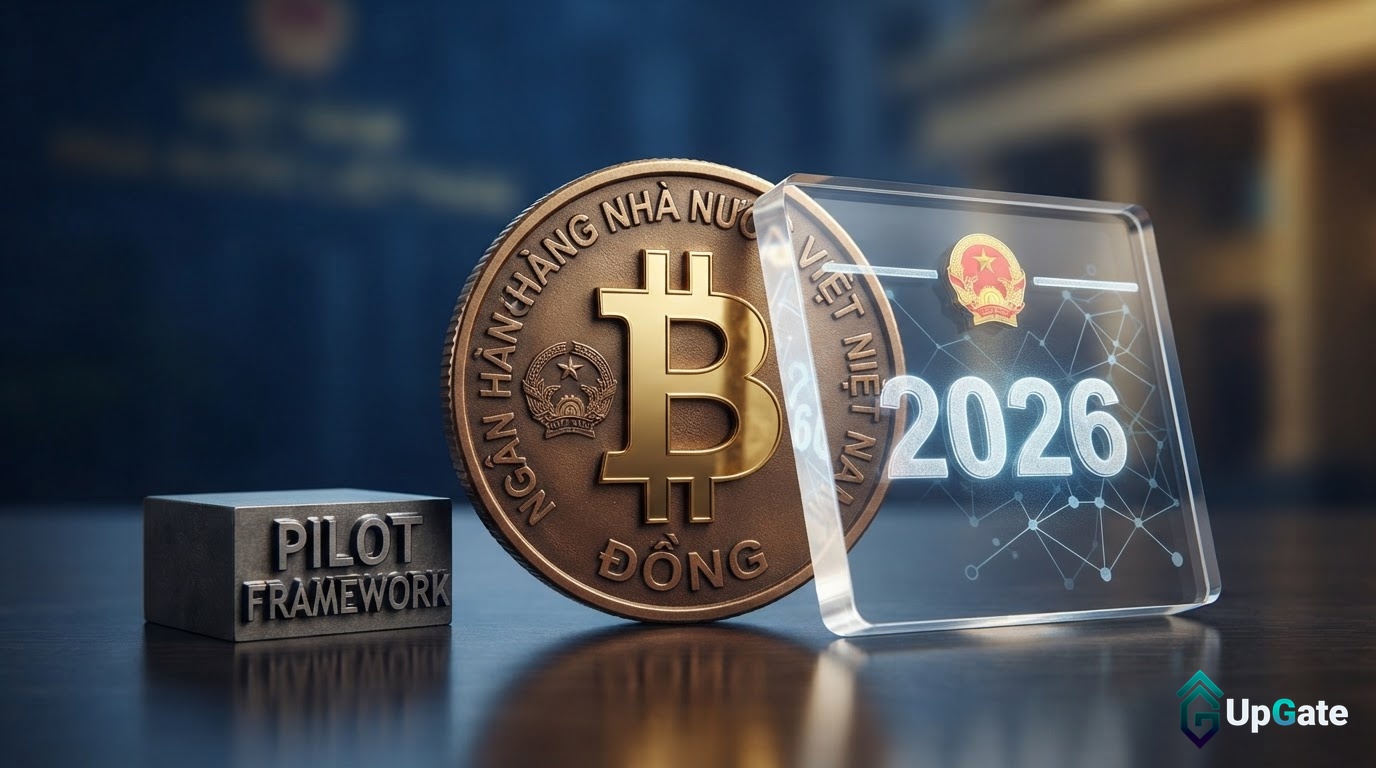
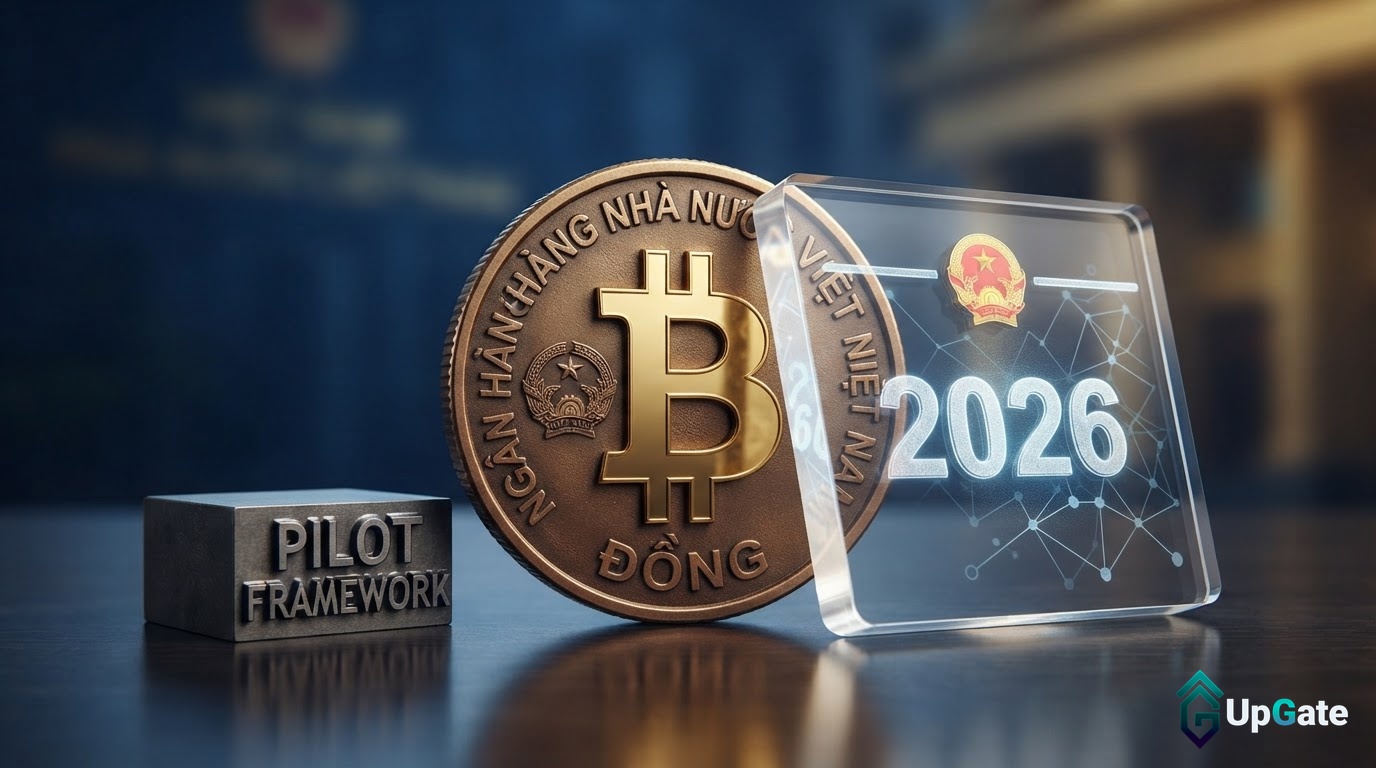
    Vietnam is reportedly developing a pilot legal framework for crypto-asset service providers, with plans to issue the first licenses in 2026. This initiative is part of the country’s broader efforts to modernize its financial market oversight.

    The development signals Vietnam’s move towards regulating the burgeoning crypto-asset sector. The country is actively building a pilot legal framework, a crucial step in establishing formal oversight for businesses operating within the digital asset space. The timeline indicates that the first licenses are anticipated to be issued in 2026.

    This regulatory push aims to modernize Vietnam’s financial market oversight. By establishing clear guidelines and a licensing process, the country seeks to bring greater structure and control to the crypto-asset industry, adapting its financial regulations to the evolving landscape of digital finance.

    While specific details of the pilot framework are yet to be fully disclosed, the intention to license crypto-asset service providers by 2026 provides a clear target for the industry. The development is being closely watched by crypto investors, financial regulators, and blockchain industry participants interested in the Southeast Asian market.

    Why This Matters

    The materials describe a narrow update: Vietnam is establishing a pilot legal framework and intends to license its first crypto-asset service providers in 2026 as part of its efforts to modernize financial market oversight. The move by Vietnam is seen as an effort to modernize its financial market oversight.

    Broader Context

    Source materials place the factual news in this context: Vietnam has built a pilot legal framework and plans to license its first crypto-asset service providers in 2026.

  • US Senate Vote on CLARITY Act Preserves Regulatory Patchwork; Bitcoin Recovers from Initial Dip

    US Senate Vote on CLARITY Act Preserves Regulatory Patchwork; Bitcoin Recovers from Initial Dip

    The US Senate’s decision not to advance the CLARITY Act on September 15 has maintained the existing regulatory framework for digital assets in the United States, leading to a temporary price drop for Bitcoin followed by a recovery. The bill’s core aim was to establish clearer boundaries between the Securities and Exchange Commission (SEC) and the Commodity Futures Trading Commission (CFTC) and create federal rules for crypto markets.

    Following the vote, Bitcoin’s price declined to a multi-week low of $75,000. However, the cryptocurrency subsequently recovered, surpassing $81,000 by Friday. Experts suggest this market reaction indicates the outcome was largely anticipated and ‘priced in’ by traders, who had treated a failed vote as the likely scenario for weeks.

    Regulatory Patchwork Persists

    Alvin Kan, COO at Bitget Wallet, noted that the failure of the CLARITY Act preserves the current US regulatory patchwork. He explained that the vote did not introduce new restrictions on self-custody or self-hosted wallets. However, Kan cautioned that protections that might have been included in the proposed legislation, such as those covering users controlling their own assets and developers providing non-custodial software, remain without a stronger statutory foundation.

    This continued regulatory uncertainty could disproportionately affect smaller companies within the crypto space. Recent data from Electric Capital indicates a decline in the US share of global crypto developers, dropping from 38% in 2015 to 19%. Similarly, the US share of centralized-exchange volume growth between 2024 and 2025 is estimated to be between 2% and 5%.

    Incremental Regulatory Development Continues

    The CLARITY Act is not definitively dead, as a procedural vote by Senator Thom Tillis allows for the possibility of reconsideration. However, the legislative calendar makes passage this year increasingly difficult. In the interim, the SEC and CFTC are expected to continue utilizing their existing authorities to regulate the digital asset industry.

    This ongoing regulatory development was demonstrated by the SEC’s recent introduction of a five-week exemption for certain tokenized-stock trading, illustrating that regulatory progress can occur even without comprehensive congressional legislation, a scenario previously predicted by Bitwise’s CIO.

    Iliya Kalchev, a Nexo Dispatch analyst, commented on Bitcoin’s price movement, suggesting that the initial $3,000 drop to $75,000 should not be overlooked. However, he echoed the sentiment that the subsequent rebound pointed to the market having already factored in the vote’s outcome, viewing it more as a confirmation than a surprise. Kalchev concluded that the US is likely to continue legislating crypto incrementally as political conditions allow, with market structure unlikely to remain an exception.

    The failure of the CLARITY Act leaves the US crypto regulatory landscape with continued uncertainty. While the market has shown resilience, the lack of clear federal rules may continue to impact developer activity and market share, with existing regulatory bodies expected to fill the void through their current powers.

    Why This Matters

    The materials describe a narrow update: The US Senate failed to advance the CLARITY Act, which aimed to establish clearer regulatory boundaries for crypto markets. The long-term impact of the CLARITY Act’s failure on the US regulatory landscape for crypto.

    Broader Context

    Source materials place the factual news in this context: The CLARITY Act’s failure to advance has preserved the current US regulatory patchwork.

  • Morpho Powers cirBTC on Arc Lending

    Morpho Powers cirBTC on Arc Lending

    Circle’s Arc blockchain launched with Morpho integrated as its primary lending engine, yielding immediate results. On its first day, deposits exceeded $150 million across USDC and EURC vaults, with all borrowing collateralized by cirBTC, Circle’s 1:1 Bitcoin-backed wrapped token.

    Core Concept: Liquidity Without Selling Bitcoin

    The fundamental concept is simple: users can hold Bitcoin and still access liquidity without needing to sell their holdings. cirBTC represents a claim on actual Bitcoin held in segregated custody. This allows holders to deposit cirBTC as collateral on Morpho’s lending markets and borrow USDC or EURC against it.

    Morpho Blue and Fintech Integration

    Morpho Blue, the protocol’s permissionless lending layer, manages variable-rate earning and borrowing positions. It also offers integration with APIs tailored for fintech applications. Chainlink’s proof-of-reserves system provides verification that the underlying Bitcoin is indeed held in custody.

    Arc as the Primary Venue for cirBTC

    The supply of cirBTC on Ethereum was capped at approximately 40 BTC outstanding as of mid-August. This suggests that the primary focus for activity was always intended to be on Arc itself, rather than on existing blockchain networks.

    Institutional Backing and Network Security

    Morpho’s architecture enables isolated markets with configurable risk parameters. The validator set for Arc includes prominent institutions such as BlackRock, DTCC, and Visa, who are securing the network.

    Streamlined Transactions with USDC Gas Fees

    Arc utilizes USDC for gas fees, removing the inconvenience of requiring a native token solely for transaction purposes.

    Upcoming Fixed-Rate Lending and Traditional Finance Engagement

    Morpho Midnight, a fixed-rate lending product, is reportedly under development for Arc. Institutional treasuries typically favor predictable borrowing costs, and the lack of fixed-rate options has been a significant barrier preventing deeper engagement from traditional finance in on-chain lending.

    Key Metrics to Monitor

    Future indicators to watch will include the utilization rates of Morpho’s cirBTC vaults, the speed at which new cirBTC is minted, and whether fixed-rate products offered through Morpho Midnight attract a different segment of borrowers compared to the current variable-rate markets.

  • ویتنام و اتریش در نظارت بر رمزارزها همکاری می‌کنند

    ویتنام و اتریش در نظارت بر رمزارزها همکاری می‌کنند

    ویتنام چارچوب قانونی آزمایشی ایجاد کرده و قصد دارد در سال ۲۰۲۶ اولین ارائه‌دهندگان خدمات دارایی رمزارزی خود را مجوز دهد.

    ایجاد چارچوب‌های نظارتی

    گزارش‌ها حاکی از آن است که ویتنام قصد دارد در سال ۲۰۲۶، تحت یک چارچوب قانونی آزمایشی، اولین ارائه‌دهندگان خدمات دارایی رمزارزی خود را مجوز دهد. این اقدام در حالی صورت می‌گیرد که این کشور آسیای جنوب شرقی به دنبال مدرن‌سازی نظارت بر بازار مالی خود است. معاون وزیر دارایی ویتنام، نگوین […]