Tag: Adoption & Partnerships

  • Ripple News and XRP Price Update: August 19

    Ripple News and XRP Price Update: August 19

    Ripple Expands in South Korea, Secures $275 Million Amid XRP Price Slump

    Despite a challenging week for XRP token holders in terms of price performance, the company behind the digital asset has made several significant strategic moves. Concurrently, data indicates a notable increase in XRP whale activity. This report will delve into these developments and more.

    South Korean Expansion and Digital Finance Push

    Yesterday, Ripple announced a collaboration with Jeonbuk Bank, marking the first deployment of Ripple Payments in South Korea. This initiative is designed to facilitate faster cross-border remittances for businesses, aiming to streamline international transfers and reduce the delays inherent in traditional banking systems.

    Park Choon-won, President of Jeonbuk Bank, stated, “With this partnership with Ripple, JB Jeonbuk Bank is ready to move beyond its role as a regional bank and emerge as a digital finance leader that meets global standards. This partnership will become a new growth engine for the bank, and we will lead innovation that reshapes the financial paradigm, going beyond the adoption of new technology.”

    This move follows other recent engagements in South Korea, including partnerships with Kyobo Life Insurance and KBank, focused on enhancing digital finance and blockchain integration.

    $275 Million Private Placement for US Operations

    In another significant development, Ripple announced yesterday that it has secured a $275 million private placement of senior unsecured notes issued by Ripple Prime. This funding is intended to support the company’s ongoing and expanding business operations in the United States. According to Ripple, the fundraiser saw participation from a “diverse base of institutional investors in key financial markets.”

    Ripple Prime plans to allocate the proceeds to working capital and general corporate purposes within a regulated entity, responding to increasing client demand for a modern, multi-asset clearing, prime brokerage, and financial services platform.

    Institutional Interest in XRP ETFs Grows

    Recent filings with the U.S. Securities and Exchange Commission (SEC) reveal a growing exposure to XRP among major Wall Street firms through spot exchange-traded funds (ETFs). Jane Street Group leads this trend, holding over 1.2 million shares. Other prominent institutions disclosing XRP ETF holdings include Bank of America, Morgan Stanley, Wolverine Asset Management, Gallagher Capital Management, Main Street Group, and National Bank of Canada.

    XRP ETFs concluded the previous business week with modest gains, attracting just over $2 million in inflows. Notably, net inflows reached $5.81 million on August 19, the highest for the month.

    XRP Price Struggles Despite Positive Developments

    Despite Ripple’s expansion efforts, new partnerships, and the growing institutional interest, the underlying XRP asset has failed to see a price boost. Instead, XRP has experienced a consistent decline, falling below the $1.00 mark for the first time in nearly two years. As of this report, XRP has been unable to decisively reclaim this level, even as Bitcoin has surged past $64,000.

    Network Activity and Whale Accumulation

    On a more positive note, network activity on the XRP ledger has shown an uptick. Daily active addresses exceeded 35,500 in August. Furthermore, the number of whales holding at least one million XRP increased by 32 over the past three months. These large market participants engaged in significant accumulation last week, acquiring 72 million XRP tokens within a 24-hour period.

    Meanwhile, analysts remain divided on the future price trajectory of XRP. Some predict further declines below $1.00 before any potential rebound, while others are optimistic about a recovery from recent levels.

  • Pragmatic Play’s Crypto Genesys Slot Game Debuts on 1win Platform

    Pragmatic Play’s Crypto Genesys Slot Game Debuts on 1win Platform

    As of August 19th, 2026, Pragmatic Play’s new crypto-themed slot game, Crypto Genesys, is now available on the 1win crypto entertainment platform. This release signifies an expansion of 1win’s entertainment offerings, specifically targeting audiences interested in crypto-related gaming experiences.

    According to the press release, Crypto Genesys features a scatter-pays system across a 6-reel, 5-row grid, allowing winning symbols to land anywhere. The game incorporates mechanics such as tumbles, which clear winning symbols for consecutive wins, and multiplier symbols that can enhance payouts. Players can also engage with Free Spins, utilize an Ante Bet option to increase their chances of triggering bonus rounds, or opt for the Buy Free Spins feature for direct access to the bonus round.

    The article states that Crypto Genesys is characterized by high volatility, offering a maximum win potential of up to 15,000 times the player’s stake. This high-risk, high-reward profile is designed for players seeking significant potential returns within a crypto-inspired digital environment. The game’s visual identity includes a cyberpunk metropolis setting and crypto-inspired tokens, notably a Bitcoin symbol.

    1win, founded in 2016 and operating across Asia, Latin America, and Africa, is positioned as one of a limited number of platforms offering Crypto Genesys. This strategic selection of platforms suggests a targeted approach by Pragmatic Play and highlights 1win’s role in diversifying its entertainment portfolio beyond traditional cryptocurrency transactions to include specialized gaming content.

    The introduction of Crypto Genesys on 1win can be interpreted as a strategic move by the platform to cater to a specific demographic interested in the intersection of cryptocurrency and entertainment. This aligns with 1win’s broader strategy of adapting its entertainment products to regional audiences and engaging with a diverse range of public figures.

    Why This Matters

    The materials describe a narrow update: Crypto Genesys, a new slot game with a crypto theme, has been made available on the 1win platform. 1win is expanding its entertainment offerings beyond cryptocurrency transactions to include gaming experiences designed specifically for crypto-oriented audiences.

    Broader Context

    Source materials place the factual news in this context: Crypto Genesys takes players into a neon-lit cyberpunk metropolis where digital currencies meet futuristic gameplay.

  • Nasdaq Explores Extended Trading Hours, Approaching Crypto Market Models

    Nasdaq Explores Extended Trading Hours, Approaching Crypto Market Models

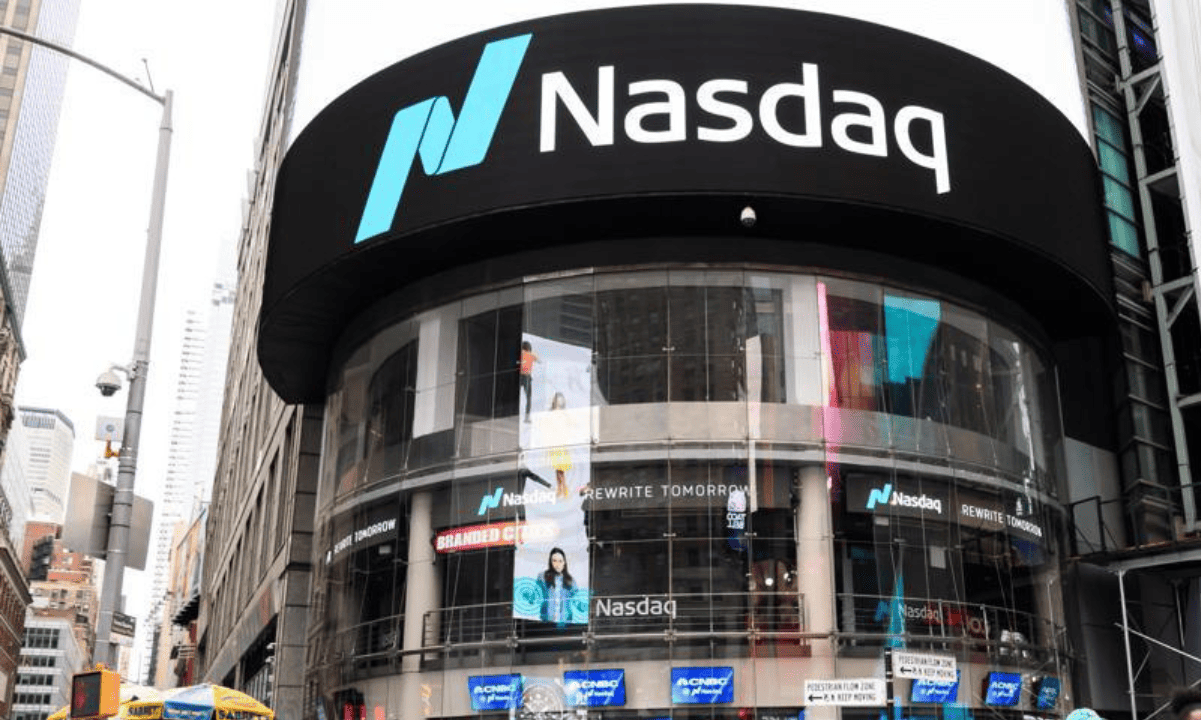
    Nasdaq is planning to introduce a nearly continuous trading week, operating 23 hours a day, five days a week, starting in December 2026. This development, which is subject to SEC approval and other technical requirements, introduces an overnight trading session from 9 p.m. to 4 a.m. Eastern Time, in addition to the exchange’s existing extended hours. The core trading session, from 9:30 a.m. to 4 p.m. ET, will remain the primary window for price discovery.

    The proposed overnight session will run from 9 p.m. Sunday through 8 p.m. Friday, with a one-hour daily pause for processing. Nasdaq is targeting Sunday, December 6, 2026, for the launch. However, certain order types, including unpriced market orders and opening and closing auction orders, will not be available during the overnight period. Any order that remains open at 4 a.m. will be automatically canceled.

    Convergence with Crypto Markets

    Nasdaq’s move to extend trading hours into overnight periods mirrors operational models long utilized by cryptocurrency exchanges. According to BitGo CEO Mike Belshe and crypto analyst Nate Geraci, traditional markets are increasingly adopting concepts pioneered in the crypto space. Geraci commented on X that traditional finance exchanges are now “playing by crypto’s rules” and predicted that major exchanges might eventually move toward 24/7 trading. Belshe indicated that innovations from the crypto industry have already influenced traditional markets.

    While Nasdaq’s plan brings its trading schedule closer to the always-on model characteristic of crypto markets, it does not equate to a 24/7 trading environment. Nasdaq Texas, PSX, and Nasdaq’s options exchanges will maintain their current schedules. The core 9:30 a.m. to 4 p.m. session will continue to be the primary pricing window.

    Broader Market Context

    This development occurs amidst broader trends in financial markets. Equity perpetual futures, a product offering exposure to stocks through continuously trading contracts, reached $250 billion in monthly volume in July, a significant increase from approximately $15 billion in April. Binance accounted for about 76% of this activity. Separately, stablecoins are seeing increased integration into mainstream payments, with PayPal reporting $486.4 billion in payment volume for the second quarter. PayPal’s PYUSD stablecoin has a supply of about $2.75 billion, while the total stablecoin market capitalization is just over $300 billion.

    The implementation of Nasdaq’s 23-hour trading day is contingent on regulatory approval from the SEC and the readiness of the industry’s Securities Information Processor. The specific limitations on order types and the automatic cancellation of open orders at 4 a.m. highlight the operational differences that may persist between Nasdaq’s extended hours and a fully continuous market.

    Why This Matters

    The materials describe a narrow update: Nasdaq intends to launch a nearly continuous trading week, operating 23 hours a day, five days a week, starting in December 2026. SEC approval for Nasdaq’s 23-hour trading plan.

  • Jeonbuk Bank Explores Faster Cross-Border Remittances with Ripple Payments

    Jeonbuk Bank Explores Faster Cross-Border Remittances with Ripple Payments

    Jeonbuk Bank is preparing to deploy Ripple Payments for cross-border remittances, a strategic initiative aimed at facilitating faster and more efficient international transactions for businesses. This partnership positions Jeonbuk Bank as the first regional bank in South Korea to adopt Ripple’s payment service, potentially streamlining international transactions that have traditionally faced multi-day delays.

    The primary objective of this collaboration is to support businesses, including import-export companies, IT startups, and online content creators, that have experienced significant delays when moving money across borders using conventional methods. Traditional transfers, often routed through the SWIFT network, can involve multiple intermediary banks and take several days to settle. In contrast, Ripple Payments is designed for settlement within seconds to minutes and operates 24/7, according to the FactSheet.

    Jeonbuk Bank anticipates this partnership will serve as a new growth engine, driving innovation in the financial sector. This initiative aligns with Ripple’s expanding presence in South Korea.

    Ripple’s strategic focus on the region is further evidenced by its April partnership with Kyobo Life Insurance to explore tokenized government bond transactions. Both entities are assessing the technical and regulatory requirements for utilizing Ripple Custody for asset storage, transfer, and settlement. Concurrently, KBank is conducting a two-phase proof of concept to test blockchain integration for cross-border transfers, employing Ripple’s Palisade digital wallet.

    Ripple has also increased its market visibility in South Korea with the listing of its stablecoin, RLUSD, on the country’s four major cryptocurrency exchanges: Upbit, Bithumb, Korbit, and Coinone.

    Despite the potential for enhanced efficiency, certain aspects remain uncertain. The exact timeline for Jeonbuk Bank’s full deployment of Ripple Payments has not been specified. Additionally, the technical and regulatory requirements for the Kyobo Life Insurance collaboration are still under assessment, and the outcome of KBank’s proof of concept is pending.

    Regarding XRP, the cryptocurrency associated with Ripple, market analysts have offered projections. According to the FactSheet, one analyst projects a potential decline of 20% to 40% for XRP, suggesting a price range between $0.85 and $0.65 as a possible accumulation zone. However, another market watcher noted that XRP’s four-hour Relative Strength Index (RSI) is near 42, with tighter price action indicating eased selling pressure. For a potential recovery, analysts are monitoring resistance levels at $1.015, $1.05, and $1.081. A sustained move above $1.081 may open the way toward $1.145 and $1.20. These figures represent analyst projections and not guaranteed outcomes, and the metric does not suggest price direction.

    The adoption of Ripple Payments by Jeonbuk Bank may signal a growing trend among South Korean financial institutions to explore blockchain technology for cross-border transactions, as indicated by KBank’s ongoing testing. Ripple’s multi-faceted approach in the region, encompassing partnerships with financial institutions and increased digital asset accessibility, underscores its strategic efforts to penetrate the South Korean market.

    Why This Matters

    The materials describe a narrow update: Jeonbuk Bank will deploy Ripple Payments to facilitate faster cross-border remittances for businesses, aiming to reduce the multi-day delays associated with traditional SWIFT network transfers. The exact timeline for the full deployment of Ripple Payments by Jeonbuk Bank.

    Broader Context

    Source materials place the factual news in this context: Ripple has partnered with Jeonbuk Bank in South Korea as the latter prepares to deploy Ripple Payments for cross-border remittances.

  • Stripe’s $7 Billion OpenRouter Deal: AI’s New Landscape

    Stripe’s $7 Billion OpenRouter Deal: AI’s New Landscape

    Stripe has reportedly agreed to acquire AI routing startup OpenRouter for over $7 billion, a deal that comes just three months after OpenRouter secured $113 million in funding at a valuation of $1.3 billion.

    A Negotiated Price

    While The Wall Street Journal reported last month that talks were closer to $10 billion, the final figure suggests significant negotiation. OpenRouter’s annualized revenue was estimated at around $50 million in March, according to Sacra. This implies a deal multiple approaching 50 times revenue, a valuation typically not seen for cash flow alone.

    Strategic Acquisition

    The acquisition raises questions about Stripe’s motives, given its primary business in digital payments. OpenRouter’s value lies in its position connecting approximately 8 million developers with over 400 AI models, offering a single API key that eliminates the need for multiple integrations. The company does not own GPUs or train models, instead taking a small percentage of the value from overall usage.

    Stripe already handled OpenRouter’s invoicing and tax services, making this a case of a vendor acquiring a key customer. The integration means that the decision of which AI model to use for a request and its associated cost will now reside within the same company as the payment collection. This also provides Stripe with real-time insight into enterprise AI spending across major AI labs.

    A Pattern of Expansion

    This move aligns with Stripe’s recent acquisition strategy. The company previously paid $1.1 billion for stablecoin firm Bridge and acquired wallet infrastructure company Privy. In January 2026, Stripe also acquired Metronome, a usage-based billing startup already utilized by OpenAI and Anthropic. Furthermore, Stripe co-developed Tempo, which features a Machine Payments Protocol enabling AI agents to request, authorize, and settle payments autonomously.

    The Question of Neutrality

    OpenRouter’s core appeal was its perceived neutrality, routing requests to models based on budget, latency, and quality requirements without favoring any specific provider. This stance was credible when its owners were venture capital firms without their own AI products. However, its neutrality may be perceived differently now that it is owned by a company that also provides payment services to AI labs. Stripe has not yet specified whether OpenRouter will remain an independent product, be integrated into its developer tools, or be refocused to align with Stripe’s own priorities. For now, users are not expected to notice any immediate changes.

    Geopolitical and Market Implications

    The acquisition also introduces a geopolitical dimension. U.S.-origin models saw their share of OpenRouter’s token volume decrease from roughly 70% in mid-2025 to about 30% a year later, with cheaper Chinese open-weight models filling the gap. The entity controlling the routing defaults will therefore have influence over this trend.

    Additionally, the acquisition could impact pricing power. As developers opt for more cost-effective models that meet their performance needs, routers like OpenRouter capture value while AI labs may see their leverage diminish.

    OpenRouter has already been actively shaping this landscape. Its Fusion API allows a single prompt to be sent to a selection of budget models, with their answers then merged. In Perplexity’s DRACO benchmark, a combination of Gemini 3 Flash, Kimi K2.6, and DeepSeek V4 Pro achieved a score of 64.7%, surpassing solo performances from GPT-5.5 (60%) and Claude Opus 4.8 (58.8%). Stripe now gains control over this capability.

    Neither Stripe nor OpenRouter has publicly confirmed the deal, and no timeline for regulatory review has been announced. In 2025, Stripe processed $1.9 trillion in payment volume and was valued at $159 billion in a February tender offer. At over $7 billion, the OpenRouter acquisition significantly surpasses its previous largest acquisition, Bridge, by more than six times.

  • Crypto-Athlete Partnerships Mature: From Sponsorships to Integrated Deals, BITmarkets Study Finds

    Crypto-Athlete Partnerships Mature: From Sponsorships to Integrated Deals, BITmarkets Study Finds

    The landscape of crypto-athlete partnerships is evolving beyond simple endorsements into more integrated and cautious models, according to a new study by BITmarkets. The analysis, titled ‘Crypto and Elite Athletes: More Than Just a Sponsorship,’ examines how top athletes are engaging with digital assets through NFT collections, fan tokens, equity stakes, and salary conversions, moving past traditional sponsorship deals.

    Published on August 17th, 2026, by cryptocurrency exchange BITmarkets, the study highlights a significant shift in sports and digital asset collaborations. While global crypto sports sponsorship spending reached an estimated $742 million in 2022, the market has since adopted a more cautious approach, moving away from the high-profile promotional campaigns of the past.

    Evolving Partnership Structures

    BITmarkets notes that prominent athletes are increasingly involved in diverse deal structures. These range from multi-year ambassador roles and NFT projects to venture investments, equity stakes, and direct conversion of salaries into crypto assets. The study cites examples such as Russell Okung converting half of his NFL salary into Bitcoin, and partnerships where Klay Thompson and Andre Iguodala converted parts of their salaries and supported fan giveaways.

    Market Maturation Post-2022

    This evolution reflects a broader market maturation. Following market disruptions, corporate failures, and increased regulatory scrutiny after 2022, the appetite for sweeping promotional campaigns has diminished. BITmarkets observes a shift towards a more selective model focused on compliant financial infrastructure, clearer disclosure, and practical uses for the technology. This signifies a move from speculative ventures to more sustainable and integrated collaborations.

    Quantifying Impact and League Growth

    The study also quantifies the impact of crypto on sports leagues. In the NBA, crypto sponsorship moved from being the 43rd-largest corporate sponsorship category to the second-largest within a single season, generating an estimated $100 million to $150 million in annual team and league revenue. However, the study indicates that the market’s legal and regulatory reckoning has significantly altered the playbook for these partnerships.

    Tangible Benefits and Future Outlook

    Digital collectibles and fan tokens are increasingly being linked to tangible benefits, such as physical rewards, stadium privileges, and voting rights. The BITmarkets study suggests that the market is learning what these partnerships need to offer to be lasting, moving beyond simple endorsements to create more value for both parties. The findings underscore a transition focused on compliant financial infrastructure and practical applications of crypto technology.

    BITmarkets, which offers trading in over 200 cryptocurrencies and emphasizes security with 99.9% of client funds held in cold storage, aims to make cryptocurrency more accessible and integrated with the broader financial world. While the study provides insights into these evolving dynamics, uncertainties remain regarding the exact structure and success metrics of all individual athlete partnerships beyond the top 10, and the long-term impact of the more cautious model on future crypto sponsorships.

    Why This Matters

    The materials describe a narrow update: BITmarkets released a study titled ‘Crypto and Elite Athletes: More Than Just a Sponsorship’ which analyzes the involvement of top athletes in crypto partnerships, moving beyond simple sponsorship deals to include NFT collections, fan tokens, equity stakes, and salary conversions. The exact structure and success metrics of all individual athlete partnerships beyond the top 10.

    Broader Context

    Source materials place the factual news in this context: BITmarkets previously analyzed football clubs and competitions.

  • BiggerZ Launches Integrated Betting Platform Emphasizing Transparency and Verifiability

    BiggerZ Launches Integrated Betting Platform Emphasizing Transparency and Verifiability

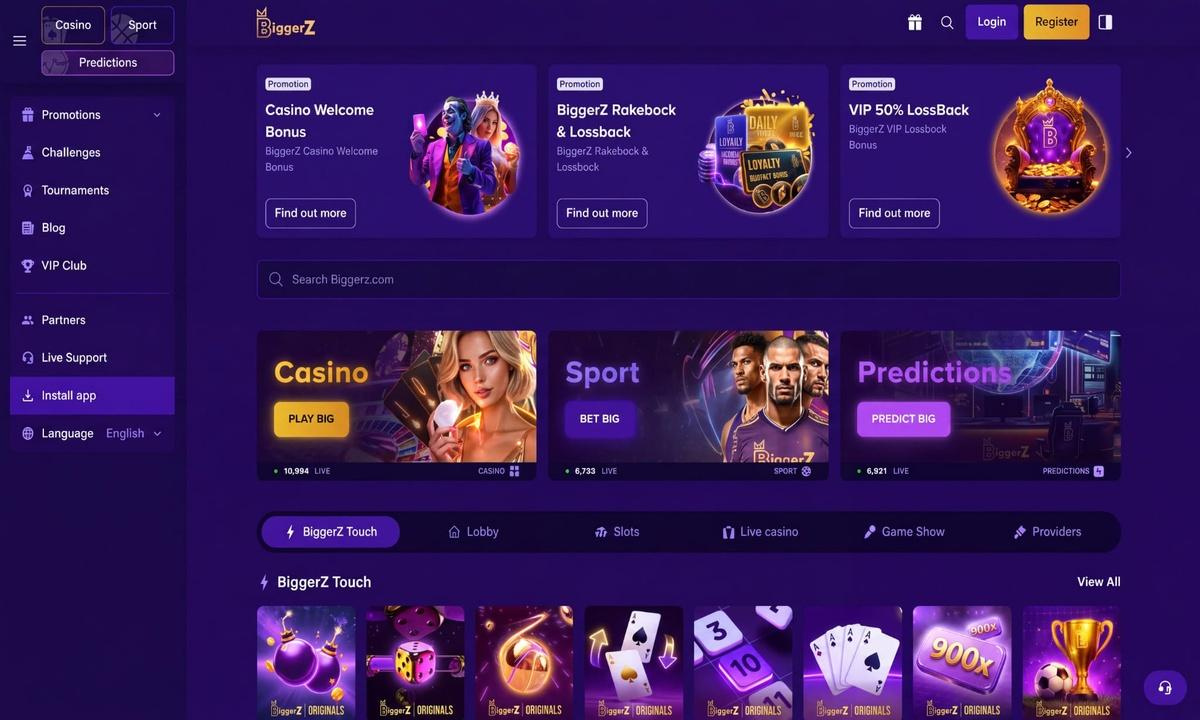
    BiggerZ has launched a new, unified platform that integrates casino gaming, sports betting, and prediction markets, offering users a single account and balance for all services. The platform, announced on August 16th, 2026, emphasizes transparency, verifiability, and clearly defined rules across its diverse offerings.

    Why This Matters

    The materials describe a narrow update: BiggerZ has launched a platform that integrates casino gaming, sports betting, and prediction markets under a single account and balance. Specific details on which fiat payment methods are supported.

    Broader Context

    Source materials place the factual news in this context: As online betting platforms expand across crypto, casino gaming, sports and prediction markets, BiggerZ is taking a different approach to how these products are presented to players: fairness should be explained rather than simply claimed.

    Platform Principles and Features

    BiggerZ states its approach is built on four core principles: transparency, clarity, verifiability, and defined rules. This philosophy is applied across its proprietary ‘BiggerZ Touch’ games, sportsbook settlement processes, and prediction market resolutions. According to BiggerZ, fairness should be explained rather than simply claimed, and users should understand the mechanisms governing outcomes before placing bets.

    For its ‘BiggerZ Touch’ games, the platform incorporates a provably fair transparency layer, which BiggerZ claims allows players to independently verify results. Third-party slots and live dealer games continue to operate under their respective providers’ certified systems and RNG controls. However, BiggerZ Touch adds a distinct verification mechanism for eligible in-house game outcomes.

    Sportsbook and Prediction Markets

    The same emphasis on fairness extends to BiggerZ’s sportsbook and prediction markets. In the sportsbook, fairness is primarily a matter of settlement clarity, with defined market rules, live betting conditions, void bets, and settlement conditions to help users understand how their bets will be resolved. For prediction markets, transparency centers on defined resolution criteria. These markets can cover real-world outcomes across various categories, including crypto, sports, finance, politics, culture, entertainment, and major world events. Each market is linked to specific resolution criteria, with its wording, timing, settlement conditions, and specified data source determining the final outcome.

    Payments and Verification

    BiggerZ also applies its principles to payments and account management. The platform supports cryptocurrency deposits, which are credited after required network confirmations. BiggerZ states it offers instant crypto withdrawals for eligible approved transactions, subject to network conditions and any necessary account verification. The company notes that requirements affecting fund access or account activity are intended to be available to players before they deposit or place a bet.

    The platform supports both cryptocurrency and selected fiat payment methods. BiggerZ is operated by CDK PLAY INC SRL and is licensed by the Government of the Autonomous Island of Anjouan, Union of Comoros.

    Brand Visibility

    BiggerZ has also focused on building brand visibility through partnerships with globally recognized figures across music, sport, and entertainment. These collaborations are intended to provide social proof and brand visibility alongside the platform’s focus on transparent game mechanics, settlement rules, and verifiable outcomes.

    Specific details remain uncertain regarding which fiat payment methods are supported, the exact criteria for ‘eligible approved transactions’ for instant crypto withdrawals, the specific network conditions that may affect withdrawals, and the precise nature of account verification required.

  • Bank Leumi Eyes Cryptocurrency Trading Relaunch in Israel, Partnership with Galaxy Digital Expected Early 2027

    Bank Leumi Eyes Cryptocurrency Trading Relaunch in Israel, Partnership with Galaxy Digital Expected Early 2027

    Bank Leumi, through its digital investment arm Pepper, is preparing to reintroduce cryptocurrency trading services in Israel, with an expected availability in early 2027. The bank has partnered with Galaxy Digital to provide the necessary trading and custody infrastructure, aiming to offer customers access to digital assets like Bitcoin, Ether, and Solana within its Leumi Trade application.

    This planned relaunch follows a previous attempt by Pepper Invest in March 2022, which was halted due to regulatory hurdles. The current initiative is underpinned by significant regulatory shifts in Israel that have created a more permissive environment for financial institutions engaging with digital assets. In mid-2026, the Bank of Israel removed previous restrictions on crypto-linked deposits and the refusal of funds from licensed providers. Concurrently, the Capital Market Authority established wallet security and capital standards, requiring 2 million New Israeli Shekels for non-custody firms and 2.5 million New Israeli Shekels for custody firms, with mandatory customer-asset segregation.

    Further regulatory clarity arrived with an August 1 circular, which expanded the scope of tradable digital assets. The circular permits trading in the top 50 cryptocurrencies by market capitalization, provided they exceed a $500 million threshold. This framework is seen as creating a regulated, lower-friction pathway for banks like Leumi to offer crypto services directly to their retail customers.

    The partnership with Galaxy Digital is central to Bank Leumi’s strategy. Galaxy Digital, which holds a New York DFS BitLicense and a money-transmission license obtained in May 2026, will supply the technological backbone for the service. Execution of trades will be managed through GalaxyOne Institutional, Galaxy Digital’s platform designed for banks and asset managers. Custody solutions will be provided by GK8, a provider of air-gapped wallet technology.

    Bank Leumi, which serves approximately 2.5 million retail customers, aims to integrate cryptocurrency trading into its existing Leumi Trade application, where customers already manage stocks and bonds. This integration is intended to offer a seamless experience for users.

    While the service is expected to become available in early 2027, the exact launch date remains contingent on final regulatory sign-off from the Bank of Israel. The previous attempt’s stall serves as a reminder of the critical role regulatory approval plays in the rollout of such services. The current regulatory framework, however, suggests a more streamlined path forward for institutions like Bank Leumi.

    Why This Matters

    Bank Leumi’s planned cryptocurrency trading service, expected in early 2027, signifies a potential shift in traditional banking’s approach to digital assets in Israel, following a period of regulatory uncertainty. The service will offer Bitcoin, Ether, and Solana within its Leumi Trade application, enabled by a partnership with Galaxy Digital and new regulations.

    Broader Context

    Up until mid-2026, Israeli banks faced restrictions on crypto-linked deposits and could refuse fiat from crypto sources. New regulations implemented by the Bank of Israel and the Capital Market Authority have since created a more permissive environment, establishing standards for crypto custody and allowing trading in the top 50 coins by market cap above a $500 million threshold. This has paved the way for institutions like Bank Leumi to offer crypto services.

  • Crypto Player Nets $1.749 Million USDC Payout After Seven-Figure Wager on Paris Saint-Germain

    Crypto Player Nets $1.749 Million USDC Payout After Seven-Figure Wager on Paris Saint-Germain

    A crypto player received a $1.749 million USDC payout on August 14th, 2026, following a seven-figure wager on Paris Saint-Germain. The transaction, which involved Paris Saint-Germain playing against Aston Villa in the 2026 UEFA Super Cup, is fully traceable on the Ethereum network, demonstrating the transparency of on-chain cryptocurrency movements.

    According to a press release, the entire payout was conducted in USDC, a stablecoin pegged to the US dollar. Both the initial deposit and the subsequent withdrawal are publicly verifiable on the Ethereum blockchain, underscoring the growing utility of stablecoins in high-value iGaming transactions.

    This significant payout follows another substantial transaction reported in July 2026, where Mia Khalifa received $1.65 million after a $1 million bet on Spain to defeat Argentina in the 2026 FIFA World Cup final. The occurrence of two seven-figure transactions within weeks suggests a trend of increasing high-stakes activity on platforms like 1win.

    The player in the recent payout was reportedly connected to 1win’s Global Crypto Ambassador network, a program designed to link 1win with established crypto communities through crypto-native creators and Web3 participants. Founded in 2016, 1win operates in the global gaming industry across Asia, Latin America, and Africa, offering regionally adapted entertainment products. The platform also collaborates with international figures such as Luis Suarez, Jon Jones, and Gable Steveson, and in 2026, welcomed rapper Tyga, UFC fighter Ilia Topuria, and reggaeton star Nicky Jam to its VIP community.

    The complete cycle of the recent transaction, from deposit to payout in USDC and recorded on Ethereum, highlights the role of stablecoins in facilitating high-value iGaming. The on-chain traceability offers transparency for these financial movements. While these events showcase the operational capacity of platforms and the utility of stablecoins, they should be viewed within the context of platform operations rather than as definitive market indicators.

    Why This Matters

    The materials describe a narrow update: A crypto player, connected to 1win’s Global Crypto Ambassador network, received a payout of 1. The growing presence of high-stakes players on the platform is highlighted by two seven-figure wagers within weeks.

    Broader Context

    Source materials place the factual news in this context: The article is a press release dated August 14th, 2026, from Willemstad, Curaçao.

  • ForumPay Introduces Payment Flow for Merchants Accepting Cards and Bank Transfers

    ForumPay Introduces Payment Flow for Merchants Accepting Cards and Bank Transfers

    ForumPay has launched a new payment flow that enables merchants to accept payments via Visa, Mastercard, and bank transfers in select markets. The system automatically converts these funds into cryptocurrency, processes them through ForumPay’s infrastructure, and settles the amount in fiat currency to the merchant, thereby shielding merchants from chargeback liability and the costs associated with PCI-DSS compliance for card acceptance.

    ForumPay says this approach allows businesses to expand their checkout payment options without taking on the compliance architecture, risks, and costs typically required for card acceptance. Merchants can offer card and bank payments without registering as a card acceptance business, thus avoiding chargeback liability and PCI-DSS compliance costs.

    According to ForumPay, merchants receive the exact invoiced amount, paying only their usual crypto acceptance fees. Crucially, ForumPay passes additional card and bank transfer costs directly to the payer.

    ForumPay’s core processing technology aims to help businesses attract new customers and increase revenue. The company claims its wallet-agnostic solution allows crypto consumers to spend their preferred cryptocurrency from any wallet for various purchases. The transactional experience is described as similar to other popular payment methods but simpler, faster, and more secure.

    This development offers businesses a novel way to expand payment options, potentially reducing operational burdens and costs linked to traditional payment acceptance. ForumPay is a crypto payment infrastructure company providing cryptocurrency-to-fiat payment technology. The new payment flow was reported on August 11th, 2026, and aims to bridge traditional payment rails with crypto infrastructure.

    Why This Matters

    ForumPay’s new payment solution enables merchants to accept payments via Visa, Mastercard, and bank transfers in select markets. This new payment flow could alter how payments are processed, offering merchants a way to avoid traditional processing costs and liabilities, with associated costs shifted to the payer.

    Broader Context

    ForumPay is a crypto payment infrastructure company.