Tag: Negative

  • Pi Network Rally Falters, Bitcoin Dips Below $63K

    Pi Network Rally Falters, Bitcoin Dips Below $63K

    Bitcoin Dips Below $63,000 as Relief Rally Falters

    Bitcoin’s brief Sunday morning recovery proved short-lived, with the cryptocurrency falling back below the $63,000 mark on Monday and touching $62,200 for the second time in recent days.

    Larger-cap altcoins have mirrored Bitcoin’s decline. Ethereum has slipped below $1,850, while XRP is approaching a familiar support level.

    The previous trading week began on a more optimistic note, with Bitcoin holding steady above $64,000 and reaching $65,600 on multiple occasions. However, a second rejection at that level proved significant, pushing the cryptocurrency below $62,800 just ahead of the Federal Open Market Committee (FOMC) meeting.

    Bitcoin’s volatility increased in the hours surrounding the FOMC announcement, where the Federal Reserve opted to keep interest rates unchanged despite speculation of a potential hike. On Friday morning, BTC experienced another surge, reaching $65,400. However, this level attracted strong selling pressure from bears, leading to a sharp downturn.

    In the subsequent hours, Bitcoin shed approximately $3,000, falling to $62,400. It managed a rebound to $63,000 on Saturday, but dipped again to $62,200 later that day. A relief rally on Sunday morning, spurred by news of a de-escalation in US-Iran tensions and the potential reopening of the Strait of Hormuz, saw Bitcoin stall at $63,700.

    Monday’s trading session proved unfavorable for bulls, driving the cryptocurrency down to $62,200 once more. While this level has so far halted the steepest declines, Bitcoin remains down over 4% for the week. Its market capitalization has fallen to $1.250 trillion, with its dominance over altcoins dropping below 56.5%, according to CoinGecko data.

    Ethereum encountered resistance at $1,980 during a July rally and is now trading below $1,850 following another minor daily decrease. XRP is struggling to maintain its position above $1.05, a level analysts have identified as a critical “battlefield.” Should XRP hold this support, analysts suggest it could still see a significant rebound.

    Other cryptocurrencies, including Solana (SOL), Dogecoin (DOGE), Rain (RAIN), Cardano (ADA), and Monero (XMR), are also trading in negative territory. Binance Coin (BNB) and Hype (HYPE) have seen only marginal gains. Pi Network’s PI token had an impressive weekend, posting gains of 5-6% even as the broader market struggled. However, its upward momentum has stalled, with the asset now down over 5% to below $0.084.

    MemeCore and Algorand are among the few altcoins showing daily gains, while BEAT has experienced a significant drop of 24%, followed by a 6% decline in Ondo (ONDO).

    The total cryptocurrency market capitalization has decreased by approximately $40 billion in the past day, now standing at $2.220 trillion, according to CoinGecko.

  • Meta’s ‘Pervert Glasses’ Spark Controversy

    Meta’s ‘Pervert Glasses’ Spark Controversy

    Meta’s Smart Glasses Face “Pervert Glasses” Backlash Amid Privacy Concerns

    Meta is developing AI-powered smart glasses designed to serve as a smartphone replacement. However, these devices are increasingly being labeled “pervert glasses” online, and for understandable reasons.

    Despite Meta’s inclusion of privacy protections in the glasses’ design, critics are raising alarms about their potential misuse and data handling practices.

    Growing Public Apprehension

    The backlash against AI-powered glasses is so significant that users are reportedly hesitant to wear them in public.

    Genesis of the “Pervert Glasses” Moniker

    The controversy surrounding Meta’s AI glasses, and the origin of their unflattering nickname, stems from several concerning incidents.

    In January, a BBC investigation revealed that women were being secretly filmed with Meta’s Ray-Ban smart glasses after being approached in public. These videos were subsequently posted to TikTok without consent, garnering hundreds of thousands of views and comments. The BBC identified one account that had shared over 100 similar videos.

    A joint investigation by Swedish newspapers in February uncovered that contractors in Nairobi, hired to train Meta’s AI, reviewed footage captured by the smart glasses. This footage reportedly included individuals using the bathroom, undressing, changing clothes, as well as credit card numbers and intimate moments, reigniting concerns about how such sensitive data is shared with Meta’s AI systems.

    In March, Meta was hit with a class-action lawsuit alleging that the company failed to adequately disclose that human contractors could review content shared with Meta AI. Later that month, Democratic senators Edward Markey, Jeff Merkley, and Ron Wyden questioned the company regarding its reported facial recognition plans, warning that such technology could facilitate real-time identification, stalking, and harassment.

    Calls for Abandonment of Facial Recognition

    The ACLU, along with 75 other organizations, urged Meta in April to abandon plans to integrate facial recognition into future versions of the glasses, deeming it “a red line society must not cross.” This coalition cautioned that the technology could enable wearers to identify strangers in public and link them to personal information.

    The following month, Texas Attorney General Ken Paxton launched an investigation into Meta’s AI glasses, citing concerns that the devices could secretly record individuals, collect facial data, and mislead consumers about the use of their personal information.

    Attempts to Address Recording Concerns

    In July, Meta updated its Ray-Ban smart glasses after users discovered methods to bypass the recording indicator light that signals when the camera is active. The update is designed to disable the camera if it detects tampering with the light, as part of a broader effort to prevent covert recording.

    However, this update did little to quell the public outcry. In the same month, advocacy groups, both online and in major cities like New York, London, and Washington, initiated campaigns highlighting the privacy implications of the devices.

    Regulatory and Event-Based Scrutiny

    By the end of July, Police Scotland opened an investigation into a TikToker, Scott Margerison, accused of secretly filming people with Meta smart glasses. To safeguard attendees, event organizers such as Comic Con (Monopoly Events) and DEF CON have banned the devices from their venues due to privacy concerns.

  • XRP Tests Critical Support Zone Amid Selling Pressure; Future Direction Uncertain

    XRP Tests Critical Support Zone Amid Selling Pressure; Future Direction Uncertain

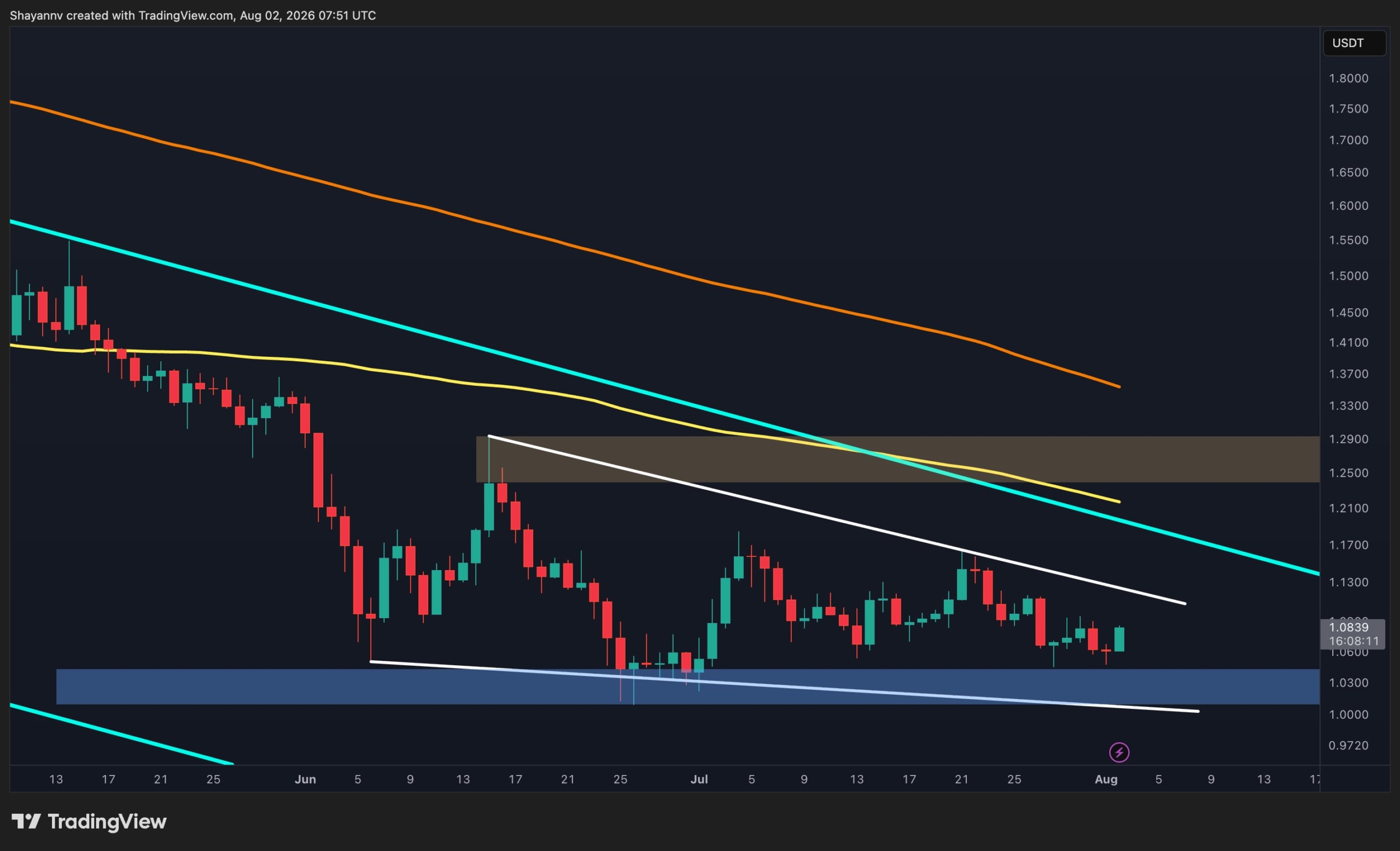
    XRP is currently navigating a critical support zone between $1.01 and $1.04, a level that has historically prevented deeper declines. The asset is experiencing significant selling pressure and remains below a descending resistance trendline and major moving averages, indicating a bearish market structure. The outcome of this test at the support zone remains uncertain, with the potential for further downside if this level fails.

    Technical Indicators Point to Bearish Structure

    According to the analysis, XRP continues to trade beneath a descending resistance trendline and remains well below major moving averages. This technical setup preserves the broader bearish market structure. Recent price action shows failed attempts at recovery, with sellers appearing to maintain control and pushing the price back toward the key demand zone.

    The Significance of the $1.01-$1.04 Support Zone

    The support area between $1.01 and $1.04 has proven to be a significant level, having prevented deeper declines in recent weeks. This makes it the most important short-term level to monitor for XRP holders and traders. However, the data suggests that if XRP breaks decisively below this zone, it could accelerate a decline toward the next major support level around $0.89.

    Short-Term Dynamics and Potential Scenarios

    On shorter timeframes, such as the 4-hour chart, XRP has continued to print lower highs and lower lows while remaining capped by the descending resistance trendline. A recent rejection near $1.09 was followed by another decline toward the $1.01 to $1.04 demand zone, underscoring the current lack of buying momentum. This area remains the last significant short-term defense for the bulls.

    The article suggests that if this support fails, the recent price movement is likely to intensify and extend the decline toward lower levels. Conversely, for any meaningful recovery to occur, buyers would first need to reclaim the descending trendline. Until this happens, rallies are likely to face selling pressure and remain corrective in nature.

    The central question remains whether XRP buyers can defend this crucial support zone, or if sellers will succeed in pushing the price below $1. The current market dynamics indicate that the outcome is uncertain. A notable move below the $1.01-$1.04 support zone could lead to a decline towards $0.89, a scenario that remains a possibility rather than a certainty. Buyers need to regain control and push XRP back above the descending trendline for a more optimistic outlook.

    Broader Context

    Within the scope of the sourced market analysis, XRP is described as follows: The latest price action suggests sellers are maintaining control.

  • Strategy Reports $8.23B Q2 Loss Amidst Bitcoin Volatility; Coinbase Revenue Declines

    Strategy Reports $8.23B Q2 Loss Amidst Bitcoin Volatility; Coinbase Revenue Declines

    Strategy reported a net loss of $8.23 billion for the second quarter of 2026, primarily due to unrealized losses in its Bitcoin holdings. Concurrently, Coinbase experienced a 19% annual revenue decline over the 12 months ending June 30, with a notable drop in trading volumes.

    Strategy’s Financial Performance

    In Q2 2026, Strategy recorded an unrealized loss of $8.32 billion, linked to Bitcoin’s price performance. Despite this, the company increased its Bitcoin holdings by 846 units during the three-month period ending June 30. Strategy also saw an increase in its U.S. dollar holdings and Bitcoin per share by 12% and 5%, respectively. In contrast to the current quarter’s loss, Strategy had an income of $10 billion in Q2 2025. Over the last 12 months, total revenue grew by 6.9%, from $114.5 million in Q2 2025 to over $122 million in Q2 2026. Gross profits for Q2 2026 reached $81.6 million, representing a 69% gross margin, up from $78.7 million in the prior year’s second quarter. The CEO, Phong Le, stated that convertible debt was reduced to just under $7 billion.

    Executive Commentary and Strategy

    Michael Saylor, executive chairman and founder, commented that Strategy is evolving its business model amidst muted Bitcoin sentiment, establishing Digital Credit as a new asset class. He expressed the goal of returning STRC to health with stable demand, high liquidity, and low volatility trading near par, viewing this as the optimal path for long-term shareholder value. The CEO also indicated that Strategy intends to repurchase STRC shares if they trade below $100, according to the company’s report.

    Coinbase’s Financial Performance

    Coinbase’s financial report for the 12 months ending June 30 revealed a 19% decrease in revenue. Quarterly trading volumes fell by 24% to just over $145 billion. Transaction revenue saw a 21% drop, with consumer transactional revenue declining 20% compared to Q1 2026. Coinbase attributed this decrease to a 24% decline in crypto spot trading volume. Fee collection from subscriptions and services dipped by 5% in the quarter but still constituted nearly half of Coinbase’s net revenue. The company’s earnings before interest, taxes, depreciation, and amortization (EBITDA) stood at $208 million, though adjusted losses exceeded $300 million. Notably, the average amount of USDC held across Coinbase products reached a record high of $20 billion by the end of the quarter, representing over 30% of all USDC in circulation.

    These reports from Strategy and Coinbase highlight the volatility and inherent risks within the cryptocurrency market. Strategy’s significant net loss, driven by unrealized asset depreciation, occurred alongside operational revenue growth. Coinbase, conversely, is navigating challenges in transactional revenue due to reduced trading activity, while its subscription services and stablecoin holdings demonstrate resilience.

    Why This Matters

    The financial reports from Strategy and Coinbase reveal significant challenges, including substantial losses and revenue declines, underscoring the inherent volatility and risks within the cryptocurrency market, even as some companies demonstrate resilience in specific revenue streams or asset holdings.

    Broader Context

    Source materials place the factual news in this context: Strategy Posts $8.2B Q2 Loss as Coinbase Revenue Falls 19%.

  • Crypto Hacks Top $1.1B in H1 2026

    Crypto Hacks Top $1.1B in H1 2026

    Crypto Exploits Reach Record High in First Half of 2026, $1.1 Billion Stolen

    The first six months of 2026 have marked the most active period for cryptocurrency exploits on record, with hackers pilfering $1.1 billion across 212 incidents, according to a new report from Blockaid.

    Major Incidents Drive Significant Losses

    Four substantial exploits involving KelpDAO, Drift, Resolv, and CoW Swap accounted for approximately $707 million of the total losses. KelpDAO experienced the most significant single loss, with hackers stealing $292 million in cryptocurrency by fabricating a cross-chain message that drained the protocol’s Ethereum reserves. Drift Protocol, a perpetuals exchange operating on the Solana chain, also sustained a major blow, losing $285 million in a mere 12 minutes.

    North Korean Nexus Identified

    Blockaid has linked both the KelpDAO and Drift Protocol incidents to TraderTraitor, a state-sponsored North Korean faction operating under the broader Lazarus Group. The theft of $32 million from Humanity Protocol was also attributed to this same attacker cluster, bringing the total losses linked to North Korea to $609 million, representing about 55% of all funds stolen during the period.

    Escalating Attack Frequency

    The pace of attacks accelerated throughout the first half of the year, with monthly incidents increasing from 18 in January to 57 in June. April proved to be the most devastating month, as the KelpDAO and Drift Protocol hacks alone resulted in a combined loss of $577 million, pushing the total for that month to $635 million.

    Privileged Key Misuse Dominates Costly Attacks

    Privileged key misuse emerged as the most financially damaging attack vector in the first half of 2026, with losses reaching an estimated $790 million, or nearly three-quarters of all funds stolen during the period, Blockaid reported. Unbacked mint exploits ranked second in terms of value, highlighted by the $80 million breach at Resolv. However, code-level hacks were the most frequent, responsible for nearly four out of every five attacks by count.

    AI Agents Emerge as New Targets

    Artificial intelligence agents have become a new frontier for attackers. In May, hackers employed a prompt injection attack to trick Bankr’s AI agent into authorizing an unauthorized transaction valued at approximately $216,000.

    Cross-Chain Bridges Under Siege

    Cross-chain bridges also faced significant challenges, with attackers compromising the verification systems of KelpDAO and Taiko by submitting forged proofs and attestations that were accepted by the destination chains.

    Evolving Attack Methods

    Security teams encountered novel attack methodologies in 2026. Blockaid identified four incidents involving EIP-7702 wallet delegation attacks, a technique where a wallet can transfer control to a smart contract. Legacy smart contracts continue to present a persistent vulnerability, with data indicating around five such cases in May and June, including two targeting Aztec Connect and one affecting Raydium’s AMM V3.

    Continued Pressure on Crypto Infrastructure

    Recent incidents occurring outside the reporting period underscore the ongoing pressure on crypto infrastructure. On July 23, AFX Trade, BSquaredNetwork, and Verus were targeted in separate attacks on the same day, collectively resulting in losses exceeding $35 million. Verus had previously experienced another exploit approximately two months prior, with Blockaid linking both incidents to the same bridge contract and bug class.

    Recovery Varies by Attack Type

    The success of fund recovery differed based on the nature of the attack. According to the report, code-related incidents sometimes enabled security teams to freeze assets or negotiate their return. In contrast, attacks involving compromised keys typically resulted in funds being laundered through mixers or routed across different blockchains.

  • AI Familiarity Grows, But Americans’ Trust and Comfort Decline, Gallup Reports

    AI Familiarity Grows, But Americans’ Trust and Comfort Decline, Gallup Reports

    Americans are increasingly knowledgeable about artificial intelligence, yet their comfort and trust in the technology have diminished, according to a new report from Gallup. This shift in sentiment coincides with a rise in the belief that AI causes more harm than good and growing expectations of job losses, with younger adults exhibiting a particularly pronounced increase in skepticism.

    Published Tuesday, the Gallup report reveals that 70% of Americans now consider themselves at least somewhat knowledgeable about AI, up from 64% in 2024. However, this growing familiarity has not fostered greater confidence. The proportion of Americans who believe AI does more harm than good has climbed to 39%, an increase from 31% in 2025. Conversely, only 9% believe AI does more good than harm, while 52% perceive an equal balance of harm and good.

    The trend is particularly pronounced among younger adults. Nearly half of those aged 18 to 29 now state that AI does more harm than good, a significant jump from 36% last year. This demographic also shows a steeper decline in trust towards businesses using AI responsibly. Currently, 20% of adults aged 18 to 29 trust businesses at least “some” to use AI responsibly, down from 30% previously. The percentage of this age group with no trust at all in businesses to use AI responsibly has increased from 29% to 41%.

    Concerns about AI’s impact on employment are widespread. Nearly eight in 10 Americans, or 79%, now believe AI will reduce the number of U.S. jobs over the next decade, an increase from 73% in 2025. This expectation is higher among younger adults, with 75% anticipating job losses, up from 62% previously. Adults aged 45 to 59 also show a significant increase in this concern, with 84% expecting job losses, up from 75% previously.

    Overall trust in businesses to use AI responsibly has declined across the population. Currently, 27% of Americans express at least “some” trust in businesses to use AI responsibly, down from 31% in 2025.

    Gallup’s findings align with other recent surveys highlighting public unease with AI, even as its use becomes more common. A March NBC News poll found that 56% of Americans had recently used AI tools such as ChatGPT, Microsoft Copilot, or Google Gemini. Despite this familiarity, 57% of respondents in that poll felt the technology’s risks outweighed its benefits.

    Further underscoring public concerns, an Anthropic survey conducted in June found that job losses were the primary concern regarding AI across all states and political parties. This survey also indicated a low level of trust in AI companies, with only 15% of respondents trusting them to make decisions about the technology’s development and use.

    Gallup also noted that Americans increasingly perceive AI as performing comparably to humans on tasks like driving, financial advice, and medical advice. However, people are still rated higher than AI across all measured categories, including hiring, creative work, and academic assistance.

    The report does not specify the exact year for “last year” or “previous” in relation to the current report’s publication date, and the precise definition of “harm” and “good” as perceived by Americans regarding AI remains open to interpretation. It is also uncertain whether these trends in AI sentiment will continue or reverse.

    Why This Matters

    The materials describe a narrow update: A Gallup report indicates that while more Americans feel knowledgeable about AI, a greater proportion now believe it causes more harm than good, expect it to reduce jobs, and trust businesses less to use it responsibly. The exact year for ‘last year’ and ‘previous’ in relation to the current report.

    Broader Context

    Source materials place the factual news in this context: In a report published Tuesday, polling company Gallup said Americans are cooling toward artificial intelligence after two years of growing more comfortable with the technology.

  • Crypto Projects Lost Nearly $1 Billion in H1 2026 Amid Widespread Audit Failures

    Crypto Projects Lost Nearly $1 Billion in H1 2026 Amid Widespread Audit Failures

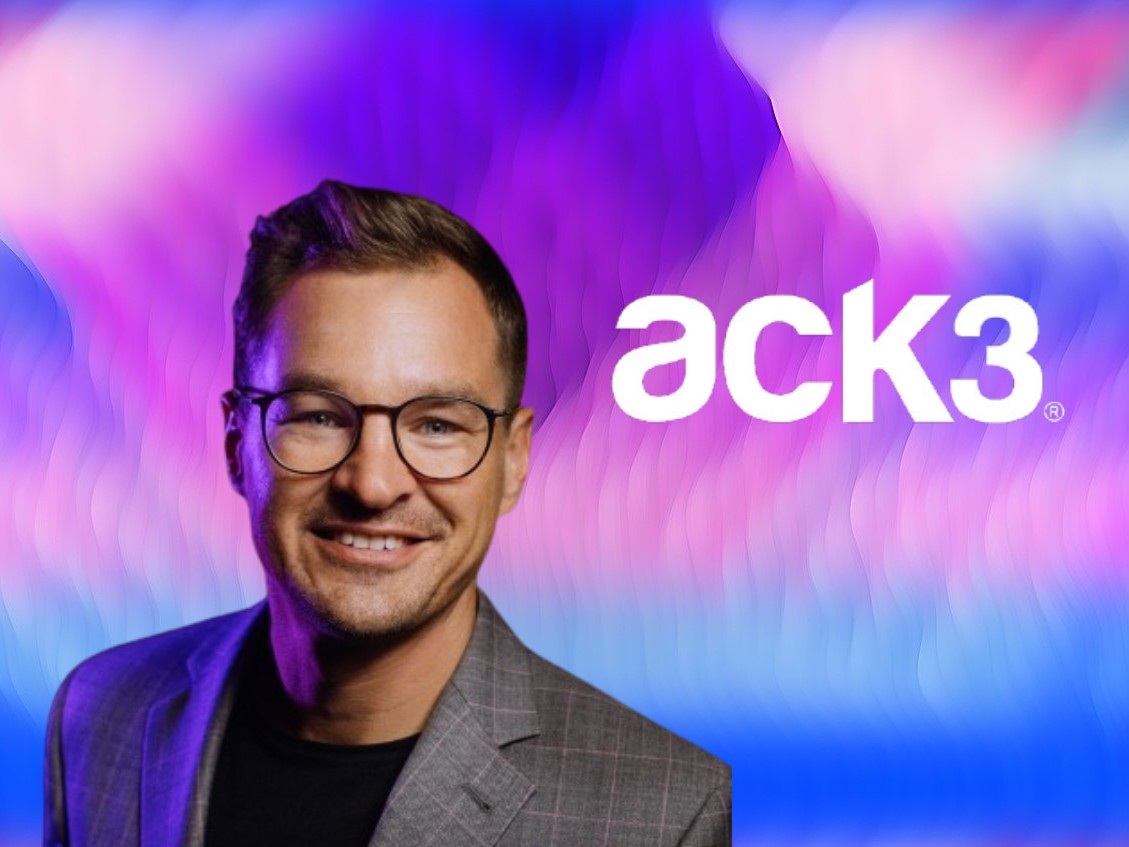
    In the first half of 2026, hackers stole approximately $940 million from cryptocurrency projects, with a significant majority of these losses stemming from vulnerabilities that security audits failed to cover. According to data compiled by security research house ack3, 94.4% of the stolen funds originated from code or infrastructure that was not examined during audits.

    Across the first six months of the year, 135 exploits were verified, resulting in an average loss of $6.96 million per incident. The findings highlight a critical gap between the perceived security offered by audits and the actual protection they provide against prevalent threats.

    Key Attack Vectors Beyond Smart Contracts

    Many of the most substantial losses were not due to complex smart contract bugs, but rather compromised private keys and social engineering tactics. Two major incidents alone accounted for $577 million, or roughly 61% of the total losses. In April, Kelp DAO’s rsETH lost $292 million after attackers forged a LayerZero cross-chain message by compromising the protocol’s message verifier. Shortly before that, Drift lost $285 million when operatives, linked by researchers to North Korea, successfully compromised admin keys through social engineering.

    This pattern of compromised keys and signing infrastructure also affected other projects. Step Finance reported losses of $40 million, Humanity Protocol lost $32 million, and Resolv’s USR stablecoin saw $24.5 million drained. Cross-chain bridges also remained a significant target, with Verus losing $11.5 million, Syscoin $8 million, and Taiko $1.7 million.

    Even established projects were not immune. Polymarket experienced two separate incidents in May and June, including a $700,000 internal wallet drain and a $3.1 million front-end supply-chain attack. The MEV bot jaredfromsubway.eth was also exploited for $7.5 million by a honeypot token.

    Projects that had not undergone audits also suffered considerable losses. Truebit, for instance, lost $26.4 million due to an integer-overflow error in its mint pricing.

    Outdated Audits and Limited Scope

    Furthermore, the timeliness and scope of existing audits were frequently insufficient. Ack3 reported that 17 of the 20 nearest relevant audits were at least six months old by the time the attacks occurred. Josef Gattermayer, CEO and Founder of ack3, stated that “‘Audited’ is a marketing word until you ask three questions: what exactly was reviewed, how long ago, and who controls the keys today.” He added, “The auditors can read every line of the code. They can’t read the developer’s mind when clicking a link from ‘HR’.”

    The analysis by ack3 underscores that while audits may examine code, they often fail to address the human element, key management, and the broader infrastructure that attackers exploit. The significant financial losses in the first half of 2026 serve as a stark reminder of the ongoing security challenges within the cryptocurrency ecosystem.

    Why This Matters

    The materials describe a narrow update: In the first half of 2026, hackers stole approximately $940 million from crypto projects. The exact identity of all hackers involved.

    Broader Context

    Source materials place the factual news in this context: Crypto investors were fleeced of almost a billion dollars in the first half of 2026, and the industry’s favorite comfort blanket did little to stop it.

  • CLARITY Act Faces Critical Weekend as Ethics Negotiations Continue, Passage Odds Uncertain

    CLARITY Act Faces Critical Weekend as Ethics Negotiations Continue, Passage Odds Uncertain

    The CLARITY Act faces a critical weekend as ongoing negotiations over its ethics provisions have coincided with a decrease in the perceived probability of its passage this year. With the Senate scheduled to begin its August recess next week, the current timeframe is crucial for the bill’s advancement.

    According to prediction markets, the CLARITY Act currently has a 31%-35% probability of becoming law this year, a significant drop from its peak of 70% earlier in the year. Eleanor Terrett noted on X that this weekend represents a “high-stakes waiting game” for supporters of the legislation.

    Ethics Provisions and State Attorney General Authority

    Negotiations are reportedly focused on the ethics provisions and the authority of state attorneys general. Political disagreements and new ethics proposals have contributed to the declining odds. A counteroffer from the White House, which includes provisions related to state attorneys general, is currently under consideration. This proposal reportedly centers on whether state attorneys general should retain authority in enforcing certain ethics provisions involving federal officials.

    Bipartisan negotiations are continuing between Senator Thom Tillis and Ruben Gallego. Both lawmakers believe the bill requires a stronger ethics package than initially proposed. Sources familiar with the matter indicate that Tillis, Gallego, and other Democrats did not approve of the initial offer, advocating for state attorneys general to have the ability to sue the Department of Justice if it fails to enforce ethics laws against federal officials.

    Uncertainty and Future Prospects

    There are few clear indications regarding the next steps for the ethics provisions. If lawmakers do not advance the bill before the upcoming recess, its prospects are likely to deteriorate further as political attention shifts towards the midterm elections.

    Many key figures in the cryptocurrency industry have expressed support for the bill. Michael Saylor, Chairman of the world’s largest corporate holder of bitcoin, believes that America needs clarity for digital assets and stated that Bitcoin may succeed with or without legislation. He reiterated this stance in the past 24 hours.

    The White House proposal reportedly includes a duration for ethics provisions extending to January 2029. However, uncertainties remain regarding the acceptance of the White House’s counteroffer, the specific details of the state attorney general’s role, and the long-term implications beyond 2029. The ultimate outcome of the CLARITY Act’s passage remains uncertain.

    Why This Matters

    The materials describe a narrow update: Negotiations are ongoing for the CLARITY Act, focusing on ethics provisions and the authority of state attorneys general. Whether the White House’s ethics counteroffer will be accepted remains uncertain.

    Broader Context

    Source materials place the factual news in this context: The CLARITY Act is a highly anticipated regulatory bill.

  • Suno AI Loses German Copyright Lawsuit

    Suno AI Loses German Copyright Lawsuit

    German Court Rules Against AI Music Startup Suno in Copyright Case

    A German court has ruled against AI music startup Suno, siding with music rights organization GEMA in a copyright infringement lawsuit. The Munich Regional Court determined that Suno violated copyright law by utilizing music from GEMA’s catalog to train its artificial intelligence models and by reproducing protected works without the necessary licenses.

    The ruling mandates that AI companies must secure licenses for the commercial use of GEMA’s repertoire, encompassing both the training of AI models and the subsequent generation of music.

    The legal challenge specifically focused on six songs, including well-known tracks like “Daddy Cool,” “Rasputin,” “Forever Young,” and “Mambo No. 5.” GEMA had accused Suno of training its AI on these copyrighted songs without obtaining prior permission.

    In response to the verdict, Suno stated that its platform was designed to assist users in creating original music, rather than replicating existing songs. The company expressed its belief that the ruling stems from a misunderstanding of its technology’s operational principles and indicated it is exploring its legal recourse.

    “Our tools empower individuals to create new songs, whether they are established artists, product developers, songwriters integrating our tools into their workflows, or everyday music enthusiasts,” Suno said in a statement. “From inception, we trained our models to generate new songs, not to reproduce existing ones, and have implemented safeguards within our platform. We disagree with today’s ruling, which is based on a fundamental misrepresentation of how Suno’s technology functions, its application, and the relevance of U.S. law. We are currently evaluating all available options, including an appeal.”

    This decision follows a similar copyright victory for GEMA approximately eight months ago against OpenAI. In that case, a Munich court found that ChatGPT had unlawfully reproduced copyrighted song lyrics.

    The current ruling also arrives as Suno faces increasing legal scrutiny regarding the methodology behind its AI model development. Earlier this month, leaked source code revealed that the company’s training data included over 113,000 hours of YouTube Music, 62,000 hours from Pond5, and 12,000 hours from Deezer. This information lends support to claims from the music industry that Suno trained its AI on copyrighted recordings without authorization, allegations that the company continues to contest in court.

  • Kentucky Industrial Alliance Sues Cave City Over Data Center Moratorium Near Mammoth Cave National Park

    Kentucky Industrial Alliance Sues Cave City Over Data Center Moratorium Near Mammoth Cave National Park

    Kentucky Industrial Alliance has filed lawsuits against Cave City, Kentucky, challenging a one-year moratorium on new data center development and the city’s annexation of land where the company plans to build a large AI and cloud computing campus. The moratorium was approved days after the company submitted its plans, and the lawsuits were filed recently, according to a report by The Lexington Herald-Leader.

    The proposed campus is a significant undertaking, with Kentucky Industrial Alliance developing a project valued at a proposed $4.8 billion. The campus is planned for 600 acres and would have a capacity of 1.2 gigawatts. The company claims the development would create approximately 360 direct and indirect jobs and generate millions of dollars in annual tax revenue.

    Cave City officials stated that they needed time to evaluate developments of this scale. Residents and local officials have raised concerns about potential impacts on groundwater, sinkholes, and power demand in the area, which is situated near Mammoth Cave National Park. The National Parks Conservation Association has also voiced concerns, warning that the rapid expansion of the data center industry necessitates stronger safeguards around national parks.

    Kentucky Industrial Alliance disputes these environmental concerns, asserting that the campus would utilize a closed-loop cooling system. The company also stated in a statement, “Every major project deserves thoughtful consideration based on accurate information and respectful discussion.” The company is challenging the city’s 2024 annexation of the property where the campus is slated to be built.

    This legal challenge in Kentucky is part of a broader national trend. Several other states, including Maine, New York, Pennsylvania, Michigan, and Virginia, have considered or advanced moratoriums or other restrictions on new AI data center projects. Data center development in Virginia, for example, increased by over 500% since 2015. This growing scrutiny of data centers, particularly near protected landscapes, underscores the challenges facing the industry.

    In a related development, a Georgia resident, Ansley Brown, recently settled with Georgia Power after opposing the utility’s acquisition of land for a transmission line expected to primarily serve AI data centers. This line is anticipated to carry 70-80 percent of its electricity to data centers and required the acquisition of 300 parcels of land.

    The long-term environmental impact of the proposed data center, the exact amount of annual tax revenue it may generate, and the extent to which the new Georgia Power transmission line will supply data centers remain uncertain.

    Why This Matters

    The materials describe a narrow update: Kentucky Industrial Alliance filed lawsuits against Cave City after the city imposed a one-year moratorium on new data centers and challenged the annexation of land where the company plans to build a large AI and cloud computing campus. The long-term environmental impact of the proposed data center.

    Broader Context

    Source materials place the factual news in this context: The lawsuit comes as lawmakers across the country move to slow AI data center development.