Tag: Negative

  • Polymarket’s US stock foray sparks regulatory worries

    Polymarket’s US stock foray sparks regulatory worries

    Polymarket Ventures into Private Company Valuations with New Prediction Markets

    Polymarket, a prominent prediction market platform, is venturing into the highly exclusive realm of private company valuations. In May 2026, the company launched contracts tied to the milestones of “unicorn” companies—privately held startups valued at over $1 billion. These new offerings encompass approximately 1,600 private companies with a collective valuation exceeding $5 trillion.

    New Contracts Target Unicorn Milestones

    The newly introduced contracts allow users to speculate on various outcomes for some of the world’s most significant privately held firms. These include the timing of initial public offerings (IPOs), valuation thresholds, and activity in secondary share markets. Data for resolving these markets will be sourced exclusively from Nasdaq Private Market. Notably, these equity-linked markets are accessible only through Polymarket’s offshore platform, which is unavailable to U.S. residents.

    U.S. Operations and Regulatory Scrutiny

    Polymarket’s domestic operations are managed by QCX LLC, a subsidiary regulated by the Commodity Futures Trading Commission (CFTC). Polymarket acquired QCX LLC in July 2025, three years after settling with the CFTC for $1.4 million due to prior unregistered activities. The U.S. platform currently hosts prediction markets focused on public stock metrics, such as the daily direction of the S&P 500 and market capitalization rankings.

    Legal Experts Raise Concerns Over Jurisdiction

    Legal experts have voiced concerns that equity-tied contracts could be classified as security-based swaps. Such a classification would place them under the jurisdiction of the Securities and Exchange Commission (SEC) rather than the CFTC. Security-based swaps are subject to distinct registration requirements, disclosure obligations, and anti-fraud provisions.

    New York Lawsuit Targets Gambling Operations

    On September 24, 2026, New York Attorney General Letitia James and Governor Kathy Hochul initiated a lawsuit against Polymarket, alleging illegal unlicensed gambling operations. This legal action specifically targets Polymarket’s sports-related contracts.

    Federal Preemption and State Enforcement

    The extent to which federal preemption shields CFTC-regulated platforms from state-level gambling statutes remains an open question. Even if Polymarket’s U.S. platform, regulated by the CFTC, is protected from state gambling laws, the offshore platform offering the equity contracts operates in a different legal landscape. New York’s lawsuit could potentially establish a precedent that prediction market operators with any U.S. connection face state enforcement actions, irrespective of where specific contracts are offered.

    Information Asymmetry in Private Markets

    A significant challenge in private company prediction markets is the inherent asymmetry of information. Employees, investors, and board members often possess material nonpublic information that could provide them with substantial advantages in markets tied to company milestones. Unlike public equity markets, which have established regulatory frameworks to prevent insider trading and informational edge, private company prediction markets currently lack such safeguards.

    Potential SEC Intervention and Regulatory Framework

    Should the SEC determine that these equity-linked contracts qualify as security-based swaps, Polymarket would be compelled to adhere to a significantly different regulatory framework. This could involve registering as a security-based swap execution facility, implementing mandatory reporting, and complying with Regulation SCI for market infrastructure.

    Industry Precedent and Trader Risks

    Other prediction market operators, such as Kalshi, are also expanding into financial event contracts. A definitive ruling on the regulatory classification of equity-linked prediction markets would set a crucial precedent for the entire industry. For traders currently utilizing the offshore platform to speculate on unicorn milestones, the primary risk is the potential for regulatory actions to disrupt markets, necessitate contract unwinding, or alter resolution terms with little advance notice. Polymarket has previously settled with the CFTC once.


  • Security Firm Questions THORChain’s Decentralization Over Transaction Halting Ability

    Security Firm Questions THORChain’s Decentralization Over Transaction Halting Ability

    GoPlus Security has publicly challenged THORChain’s decentralization claims, citing the protocol’s ability to halt transactions and its role in processing funds linked to the Democratic People’s Republic of Korea (DPRK). The critique, which emerged on September 26, centers on THORChain’s threshold signature scheme (TSS) vaults, arguing they represent a fundamental difference from the architecture of Bitcoin and Ethereum.

    According to GoPlus Security, THORChain’s TSS vaults allow validators shared control over outbound transfers and the capability to halt transactions. This contrasts with Bitcoin and Ethereum, where users hold their own private keys, and no validator committee can collectively freeze or halt fund movements. GoPlus asserts that THORChain halts require a minimum of three validators to enact and four to reverse. This technical distinction, GoPlus argues, means a system where validators can collectively halt transactions resembles a financial intermediary more than a base-layer blockchain.

    Context: Bitget Hack and DPRK-Linked Funds

    The security firm’s challenge gained prominence following the Bitget exchange hack, which resulted in losses of approximately $387.5 million. GoPlus identified funds processed through THORChain during the incident as ‘highly likely DPRK-linked.’ Specifically, around 101.5 BTC, valued at about $8.5 million, and approximately 27.63 million XRP, worth around $43 million, were processed via THORChain in the aftermath of the hack.

    This is not the first time THORChain has been associated with funds linked to illicit activities. According to multiple trackers, since at least 2023, the protocol has processed over $1 billion in funds attributed to DPRK operations. The typical pattern observed involves converting stolen Ethereum into Bitcoin using THORChain’s cross-chain capabilities.

    THORChain’s Architecture and Governance

    THORChain operates as a cross-chain liquidity protocol utilizing its native token, RUNE. It features a validator set of approximately 100 nodes and is designed to allow users to swap assets across different blockchains without centralized intermediaries. The protocol employs a governance system called Mimir for parameter changes and emergency halts.

    GoPlus Security’s argument suggests that THORChain’s architecture, which necessitates active validator participation in signing transactions and allows for collective control over outbound transfers, fundamentally differs from the permissionless nature often associated with networks like Bitcoin. This difference, GoPlus implies, challenges THORChain’s ability to claim a similar level of decentralization.

    While THORChain’s defenders may argue that blocking specific transactions would compromise the protocol’s neutrality and turn validators into compliance officers, the technical architecture remains a point of contention. The distinction is significant, as regulatory frameworks increasingly differentiate between protocols based on their operational architecture rather than their stated goals.

    Uncertainties and Implications

    Uncertainties remain regarding the practical application of THORChain’s halting mechanism, such as whether validators have collectively refused to sign a transaction. The exact total amount of DPRK-linked funds processed by THORChain is also not definitively established. However, the core technical capability for validators to halt transactions, as highlighted by GoPlus Security, presents a significant point of discussion regarding THORChain’s decentralization claims and its potential classification within the evolving regulatory landscape.

    Why This Matters

    The materials describe a narrow update: GoPlus Security publicly questioned THORChain’s decentralization narrative on September 26, arguing that its threshold signature scheme (TSS) vaults, which allow validators shared control over outbound transfers and the ability to halt transactions, are structurally different from Bitcoin and Ethereum. Whether THORChain’s validators have ever collectively refused to sign a transaction.

    Broader Context

    Source materials place the factual news in this context: The critique didn’t arrive in a vacuum. It landed one day after the Bitget exchange hack, which resulted in losses of roughly $387.5 million.

  • Kalshi Loses Appeal: Prediction Market Contracts Not Futures

    Kalshi Loses Appeal: Prediction Market Contracts Not Futures

    Sixth Circuit Rules Unanimously: Kalshi Sports Contracts Not Futures Exchanges, State Gambling Laws Apply in Ohio and Tennessee

    The U.S. Sixth Circuit Court of Appeals ruled unanimously on Friday that sports contracts offered by prediction market platform Kalshi do not meet the definition of futures exchanges, allowing gambling laws in Ohio and Tennessee to apply. This decision solidifies Kalshi’s losses in both states and signals a growing jurisdictional battle over prediction markets that is now heading toward the Supreme Court.

    The three-judge panel on the Sixth Circuit found that Kalshi failed to adequately demonstrate that its sports event contracts fit the definition of an “exchange” under the Commodity Exchange Act. The Act defines an exchange as pertaining to events with “potential financial, economic, or commercial consequences.” The court interpreted this to include only events inherently carrying financial ramifications, such as interest rate hikes or debt defaults. The impact of sporting events on sponsors, advertisers, and local businesses, the court argued, was “too indirect, too vague, and too speculative” to qualify.

    The ruling upholds a March decision by Ohio Chief Judge Sarah D. Morrison, which denied Kalshi’s request for a preliminary injunction. Simultaneously, it overturns a February injunction granted to Kalshi by Tennessee Chief Judge Aleta A. Trauger, remanding the case to the district court.

    Kalshi began listing sports event contracts in January 2025. The Ohio Casino Control Commission demanded the platform cease operations without a license, prompting Kalshi to file a lawsuit. In January, Tennessee’s Sports Gambling Committee also issued an order, adding Polymarket and Crypto.com’s Nadex to a watchlist.

    Dani Lever, a spokesperson for Kalshi, told Courthouse News that the company disagrees with the ruling, stating, “The law does not require exchanges to have ‘inherent’ financial consequences, and even if it did, sports clearly do.”

    Lever added that the decision highlights how “fragmented rules between states do not work… markets cannot function when rules change at every state border, which is why Congress created a single federal regulator to set nationwide rules.”

    The core of the dispute lies in the Dodd-Frank Act’s definition of an exchange as encompassing contracts related to events with “potential financial, economic, or commercial consequences.” The court found the impact of sporting events too indirect, deeming even Kalshi’s “mention markets” insufficient.

    Judge Julia Smith Gibbons wrote in the opinion, “It is not conceivable that a market would need to know the probability of a random word being spoken by a broadcaster on television.”

    The ruling points out that Kalshi itself acknowledged in earlier litigation that its sports contracts “lack inherent economic significance.” A biography of former CFTC Chairman Gary Gensler’s associate mentions that Kalshi’s interpretation would lead to “vast amounts of ordinary gambling activity” being subject to criminal penalties, including “all sports wagers made in casinos, on online sports betting platforms, or among friends at a bar.”

    As of the end of September, over a dozen states have initiated lawsuits or enforcement actions against Kalshi. New Jersey won a Third Circuit ruling in April, Ohio and Tennessee secured Sixth Circuit victories in September, and Nevada won a Ninth Circuit ruling in August. Kalshi’s record across three circuit courts stands at one win and three losses.

    New Jersey Attorney General Jennifer Davenport formally requested the U.S. Supreme Court to review the Third Circuit’s decision on September 2. A ruling from Maryland’s Fourth Circuit Court of Appeals is still pending.

    Kalshi’s data indicates that trading volume reached $38.67 billion in August, underscoring the rapid expansion of prediction markets.

    This latest ruling signifies that the jurisdictional war over prediction markets is advancing to the Supreme Court. With New Jersey, Ohio, and Tennessee having secured victories in different circuit courts, the Supreme Court’s final decision will shape the regulatory landscape for prediction markets nationwide. A Kalshi victory would place sports contracts on prediction markets under unified CFTC jurisdiction, while a win for the states could necessitate state-by-state licensing for prediction markets.

  • Bitget Hackers Move $83M XRP; XRPL Freeze Unsupportable, Ripple Powerless

    Bitget Hackers Move $83M XRP; XRPL Freeze Unsupportable, Ripple Powerless

    Hackers Move Over Half of Stolen XRP, XRPL’s Lack of Freeze Functionality Leaves Ripple Powerless

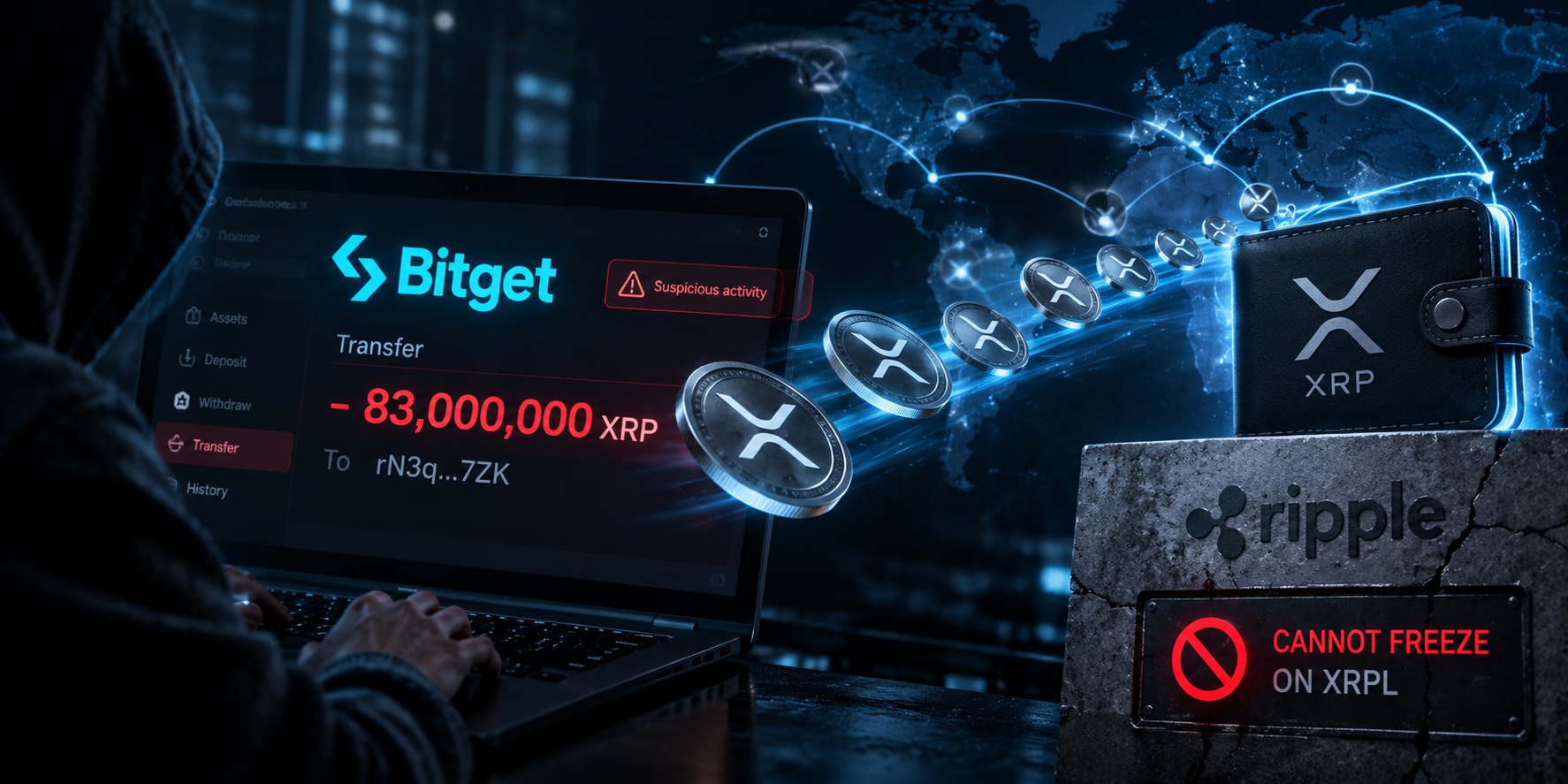
    Hackers involved in the Bitget exchange breach have significantly moved over half of the 103 million XRP tokens, valued at approximately $83 million, that were initially stolen. The XRP Ledger (XRPL), however, does not support a freeze function, leaving payment company Ripple unable to intervene.

    According to on-chain records from the XRP Ledger, approximately 54 million XRP, worth around $83 million, has been transferred out of five initial wallets controlled by the hackers. This represents more than half of the stolen XRP, with less than half of the compromised assets remaining accessible.

    Unlike stablecoins such as Circle’s USDC and Tether’s USDT, which can be frozen on their respective blockchains by blacklisting addresses, XRP, the native currency of the XRP Ledger, lacks this inherent freeze capability. While Ripple issues its own tokens on the chain, it does not possess control over transactions involving native XRP.

    This technical limitation means that as long as the XRP remains within wallets controlled by the hackers, there is no mechanism to prevent its movement or sale. Recovery efforts are contingent on the hackers transferring the XRP to an exchange that does support freeze functionality, allowing that exchange to restrict the account and block withdrawals.

    The pace of the hackers’ transfers notably accelerated on Saturday. At 04:32 UTC, the five wallets held approximately 70 million XRP. Eight hours later, this figure had dwindled to just 49 million XRP. The hackers have been observed distributing the funds across a larger number of wallets, with some transfers following routes previously utilized by the initial wallet.

    One attempted transfer of approximately 521,000 XRP failed due to insufficient balance in the originating account. Roughly an hour later, a second wallet sent the same amount to the same recipient, suggesting a deliberate fund allocation strategy rather than random activity.

    XRP was trading around $1.54 on Saturday, marking a roughly 4% decline over the preceding 24 hours, though it maintained a 9% gain for the week. At this price, the initially stolen 103 million XRP was valued at approximately $160 million, representing about 4% of XRP’s daily trading volume of around $4.4 billion.

    The actual impact on XRP’s price from a large-scale sell-off would depend on market depth. However, current transfer patterns suggest the hackers are prioritizing diversification and holding rather than immediate liquidation, potentially to avoid triggering significant market volatility associated with large sell orders.

    Bitget revised its total stolen amount to $387.5 million on Friday, an increase from the initial estimate of $350 million, to include assets stolen from the Zcash and TRON chains. The exchange confirmed these were all part of the same attack and not new incidents.

    Bitget reiterated that its protection fund will fully cover the losses, ensuring user funds remain unaffected. The planned phased resumption of withdrawals is as follows: Bitcoin on September 28, Ethereum on September 29, USDT on September 30, and other cryptocurrencies on October 2.

  • Tether Partner Bank Frozen by US with $89M; USDT Stable, But Stablecoin Risks Exposed

    Tether Partner Bank Frozen by US with $89M; USDT Stable, But Stablecoin Risks Exposed

    Tether’s Partner Bank Faces Asset Freeze, Highlighting Stablecoin Counterparty Risk

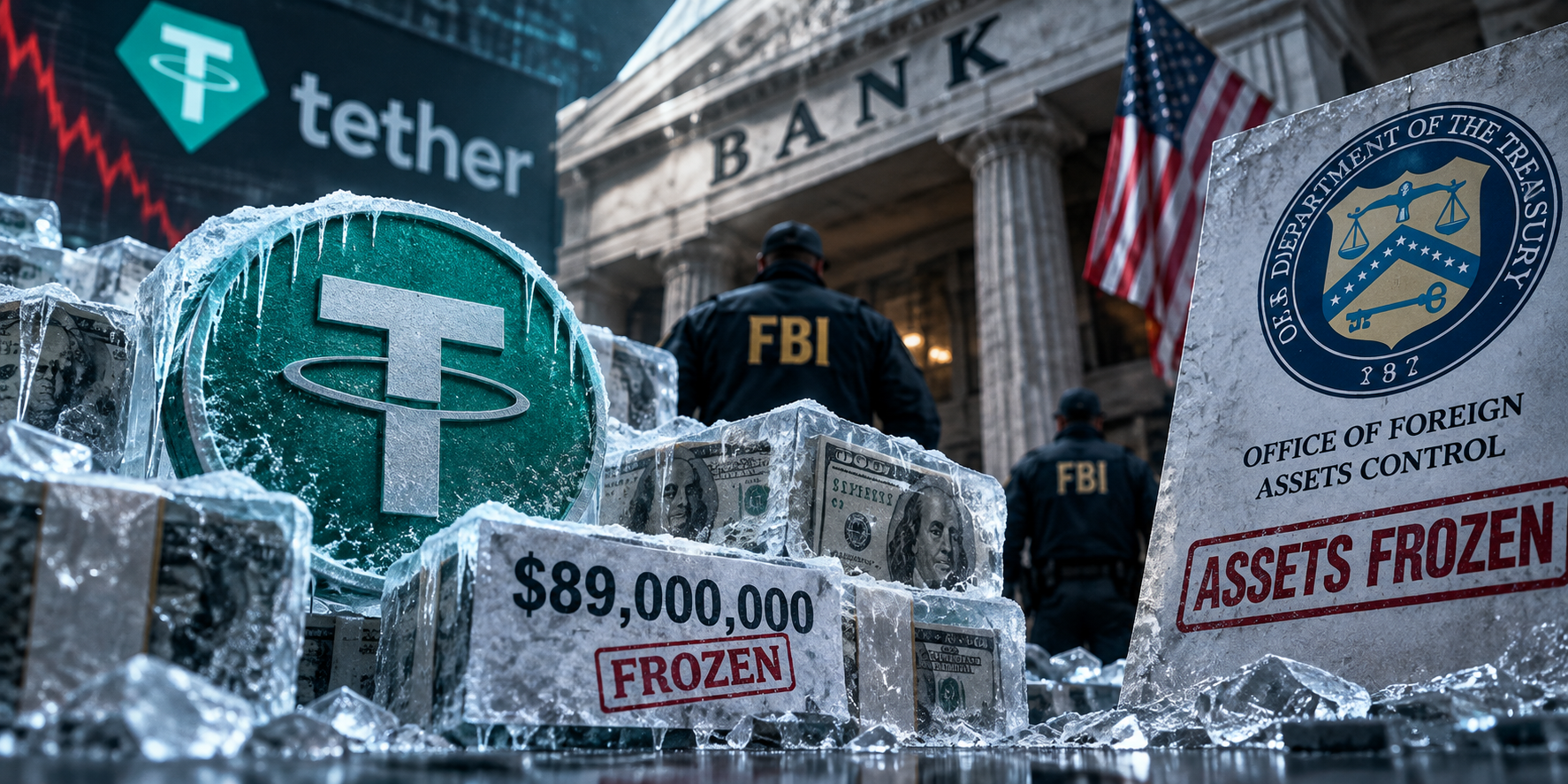
    Tether, the issuer of the world’s largest stablecoin, USDT, confirmed on Thursday that its partner bank, EQIBank, has had $89 million in assets frozen by U.S. prosecutors. While this represents a relatively small portion of Tether’s overall holdings, the incident underscores the persistent counterparty risk inherent in the banking relationships underpinning stablecoins.

    A Tether representative stated that the frozen assets constitute “less than 0.034%” of the group’s total assets, which stood at $18.775 billion as of June. This translates to approximately $6.4 million, a figure that would have a negligible impact on Tether’s reserve ratios and poses no direct threat to USDT’s peg to the U.S. dollar.

    However, the asset freeze, as reported by the Financial Times and The Information, has illuminated an often-overlooked risk for stablecoin issuers. Stablecoins do not directly hold U.S. dollars; instead, they rely on a complex network of banks and payment processors to manage customer deposits and redemptions.

    EQIBank’s funds originated from payment processor Capstone, which held funds for EQIBank within the U.S. and routed customer money through accounts at Wells Fargo and JP Morgan. According to court filings, Capstone allegedly misrepresented its business activities to the banks.

    U.S. prosecutors subsequently seized funds from these accounts and initiated civil forfeiture proceedings, accusing Capstone of misrepresenting its business model to financial institutions. EQIBank later announced that the $89 million freeze included cryptocurrency assets, such as 450,000 BTC and 150,000 ETH.

    In an email, a Tether representative stated, “Tether was unaware of Capstone’s actions” and reiterated that the EQIBank assets held by the group represented “less than 0.034% of the group’s assets.”

    Tether’s total assets, as declared in June, included approximately 50% in short-term U.S. Treasury bills maturing within one year, with the remainder held by custodian banks in New York and various partner institutions. EQIBank was responsible for facilitating wire transfers for USDT purchases and redemptions but did not hold Tether’s primary reserves.

    In contrast, Circle, the issuer of USDC, employs a more transparent strategy, holding assets across multiple banks and clearinghouses in various jurisdictions and publishing monthly reserve details.

    Meanwhile, EQIBank also provides banking services to several cryptocurrency exchanges, including processing some transactions for Binance, Kraken, and Coinbase. This interconnectedness means that the failure of a single banking partner could simultaneously impact the liquidity of multiple platforms.

    This incident demonstrates that even a stablecoin leader like Tether is not entirely immune to banking risks. The operational model of stablecoins depends on a chain of “banking conduits,” from deposit banks to payment processors and clearinghouses, each presenting potential counterparty risks.

    Compared to the liquidation of Bitcoin holdings, the risks associated with stablecoins are more “institutional” in nature, driven not by market sentiment but by the operational efficiency of the funding channels themselves.

    While a hypothetical collapse of EQIBank would reduce Tether’s reserve ratio by 0.034%, it would not materially affect USDT’s dollar peg. However, the event serves as a reminder that stablecoin “reserves” are not entirely insulated and are distributed across a network of banks and payment processors.

    Future observations will focus on whether Tether will disclose more detailed reserve breakdowns and whether EQIBank’s network of banking partners harbors additional potential liquidity risks.

  • US Prosecutors Seek $84.2 Million from Tether-Linked Bank

    US Prosecutors Seek $84.2 Million from Tether-Linked Bank

    DOJ Seeks to Seize $84 Million Linked to Tether Payments

    The U.S. Department of Justice is seeking to seize $84.2 million that allegedly flowed through accounts used for processing payments for Tether, the cryptocurrency issuer.

    Unlicensed Money Transmitter Targeted

    The funds are tied to Capstone Ltd., a Montana-based payments firm that operated as an unlicensed money transmitter in at least six states, according to a civil forfeiture complaint filed on July 15 in the Eastern District of California. The complaint, before Judge Dale A. Drozd, alleges that Capstone misrepresented itself to banks as an ordinary IT services company.

    Owners Named, Company Denies Wrongdoing

    Capstone’s owners, identified as Kotaro Shimogori and Mary Jeanne Thompson, are named in the complaint. The FBI executed a search warrant at a Sacramento residence in connection with the case. Their attorney told the Financial Times that the company “denies any wrongdoing” and hopes to “resolve this matter quickly.”

    Breakdown of Seized Funds

    Of the $84.2 million targeted for forfeiture, $79.11 million originated from a Wells Fargo Securities account in Capstone’s name on September 14. Civil forfeiture allows the government to seize assets linked to alleged criminal activity without requiring a criminal conviction of the owner.

    Additional funds include $2.06 million held at JPMorgan Chase, $1.86 million in a separate Wells Fargo account, and just over $1.1 million split between two wallets holding USDT, Tether’s stablecoin designed to maintain a one-dollar peg.

    Digital Bank Faces Liquidation Risk

    Behind Capstone is EQIBank, a digital bank licensed in Dominica. Prosecutors claim EQIBank directed how Capstone moved the money. EQIBank has previously warned that the loss of these funds, representing approximately 80% of its total holdings, could lead to its liquidation.

    Tether’s Limited Exposure

    Tether confirmed that EQIBank handled its USDT purchase and redemption transfers. However, in a statement to Reuters, Tether insisted it had “no knowledge of the conduct by Capstone alleged by the Department of Justice.” A spokesperson stated that the total exposure was less than 0.034% of group assets, a minimal share compared to Tether’s reported $187.75 billion in assets at the close of the second quarter.

    Past Scrutiny for Tether and Bitfinex

    This is not the first instance of Tether and its sister company, Bitfinex, facing scrutiny from prosecutors regarding their financial operations. In 2021, both companies reached a settlement with the New York Attorney General after admitting that USDT was not always backed dollar-for-dollar as advertised. They paid an $18.5 million fine and agreed to cease trading in New York.

    Innocent Owner Defense Filed

    Capstone and EQIBank have filed an innocent owner defense regarding the seized funds. Under Supplemental Rule G, which governs forfeiture cases, claimants have 21 days to respond to the government’s complaint after a formal claim is filed with the court.

  • DOJ Probes Binance Again Amid Iran Sanctions Review, $61M Money Laundering Case Emerges

    DOJ Probes Binance Again Amid Iran Sanctions Review, $61M Money Laundering Case Emerges

    DOJ Reopens Investigation into Binance Over Iran Sanctions

    The U.S. Department of Justice is once again scrutinizing Binance, the world’s largest cryptocurrency exchange, to determine if it knowingly allowed transactions involving Iran, potentially violating U.S. sanctions. The probe is being jointly led by the U.S. Attorney’s Office for the Southern District of New York and the DOJ’s Criminal Division. This development follows a civil forfeiture case filed last week by Manhattan prosecutors seeking to seize $61 million.

    Federal prosecutors are investigating whether Binance breached U.S. sanctions against Iran by failing to block certain transactions on its platform, according to a report by Bloomberg. The investigation, spearheaded by the Manhattan U.S. Attorney’s Office with the DOJ’s Criminal Division also involved, is focused on whether Binance tacitly permitted such transactions while aware of their nature.

    Sources familiar with the matter told Bloomberg that prosecutors are examining Binance’s compliance measures, though specific transactions under scrutiny have not been disclosed. While the DOJ’s investigation may not result in any charges, the signal it sends is significant: this marks another instance of Binance facing federal scrutiny over Iran sanctions, following its $4.3 billion guilty plea in 2023.

    Spokespersons for the Manhattan U.S. Attorney’s Office and the DOJ declined to comment. Binance issued a statement asserting, “We have a zero-tolerance policy for sanctions violations and fully cooperate with law enforcement to continuously root out and block malicious actors.”

    This latest investigation is not an isolated event. Just last week, the Manhattan U.S. Attorney’s Office filed a civil forfeiture complaint seeking to seize $61 million allegedly laundered through Binance from illicit Iranian oil sales. Notably, that case did not accuse Binance itself of wrongdoing but targeted two Hong Kong-registered companies, accusing them of misrepresenting commercial activities.

    Following that filing, Binance reiterated its commitment to not allowing any transactions involving sanctioned entities and pledged continued cooperation. The proximity of these two events highlights a persistent compliance concern: financial flows related to Iran.

    Binance has spent the past three years attempting to cultivate an image of cooperation with law enforcement. In 2023, the company pleaded guilty to multiple U.S. departmental investigations, admitting to failures in complying with U.S. banking and sanctions regulations. It agreed to pay a $4.3 billion fine and accept oversight from two corporate compliance monitors. Co-founder Changpeng Zhao (CZ) also pleaded guilty to failing to establish an effective anti-money laundering regime, stepped down as CEO, and was pardoned by former President Trump after serving four months.

    Since then, Binance has emphasized the expansion of its compliance team to over 1,500 individuals, representing approximately 25% of its global workforce. In a March blog post, the company stated, “No exchange can guarantee that risk will never touch its platform; the key is whether risk is detected, investigated, mitigated, and reported when it arises.”

    The expansion of the compliance team also comes against the backdrop of an internal investigation that surfaced in February. Reports from media outlets including Fortune, The Wall Street Journal, and The New York Times indicated that Binance’s internal probe uncovered over $1 billion in funds flowing through the platform to Iran-related entities. While Binance disputed certain details of these reports, it simultaneously stated its cooperation with law enforcement and maintained the robustness of its compliance systems.

    As the U.S. and Israel continue to exert pressure on Iran, the DOJ has recently engaged in multiple enforcement actions targeting the country. For Binance, as the world’s largest cryptocurrency exchange, any compliance lapse carries the potential to become the starting point for future legal cases.

  • Hong Kong Banker Jailed for $1.6B Fraud and Crypto Bribes

    Hong Kong Banker Jailed for $1.6B Fraud and Crypto Bribes

    Former Hong Kong Banker Sentenced to Four Years for Financial Fraud

    A former Hong Kong bank manager has been sentenced to four years in prison after accepting over $470,000 in cryptocurrency bribes to authenticate fraudulent financial documents valued at more than $1.6 billion. The case implicates China Construction Bank (Asia), fintech firm Vesttoo, and a broader network of alleged co-conspirators.

    Lam Chun-yin, 32, a former customer relationship manager at China Construction Bank (Asia), pleaded guilty to conspiracy to accept bribes. Between April and June 2022, Lam received more than $470,000 in Tether (USDT) in exchange for authenticating several fake standby letters of credit. These documents falsely claimed to have been issued by CCB and included two forged collateral letters totaling over $1.6 billion.

    At the time of the offenses, Lam was working in retail banking for individual clients and lacked the authority to handle commercial credit facilities or issue letters of credit. The fraudulent documents were connected to transactions involving Vesttoo Limited, a financial technology company that operated a platform for insurance-linked investments. Investors on the platform were required to provide bank-issued standby letters of credit as collateral. Following Yu Po Holdings’ entry as an investor, a group arranged for Lam to serve as the CCB contact responsible for verifying these documents. Lam subsequently authenticated the documents falsely in return for the cryptocurrency payments.

    The scheme was uncovered during an internal investigation by CCB (Asia). The bank determined that neither it nor its affiliated entities had issued the letters of credit or collateral documents involved.

    District Court Judge Ernest Lin Kam-hung sentenced Lam to four years in prison and ordered him to repay approximately HK$3.7 million, equivalent to the value of the bribes received. The judge emphasized the necessity of deterrent sentences, even for first-time offenders, given the case’s impact on Hong Kong’s banking and insurance sectors and its potential to harm the city’s reputation as a global financial hub.

    Lam also faced a charge related to the use of false instruments, which the court decided to leave on file without proceeding.

    Hong Kong’s Independent Commission Against Corruption (ICAC) stated that corrupt groups are increasingly utilizing cryptocurrency to conceal illicit payments. The agency has also secured arrest warrants for other individuals linked to the case.

  • ECB Chief Lagarde Blocks Binance EU Expansion? Binance Declines Comment

    ECB Chief Lagarde Blocks Binance EU Expansion? Binance Declines Comment

    ECB President Reportedly Intervened to Block Binance’s Greek License

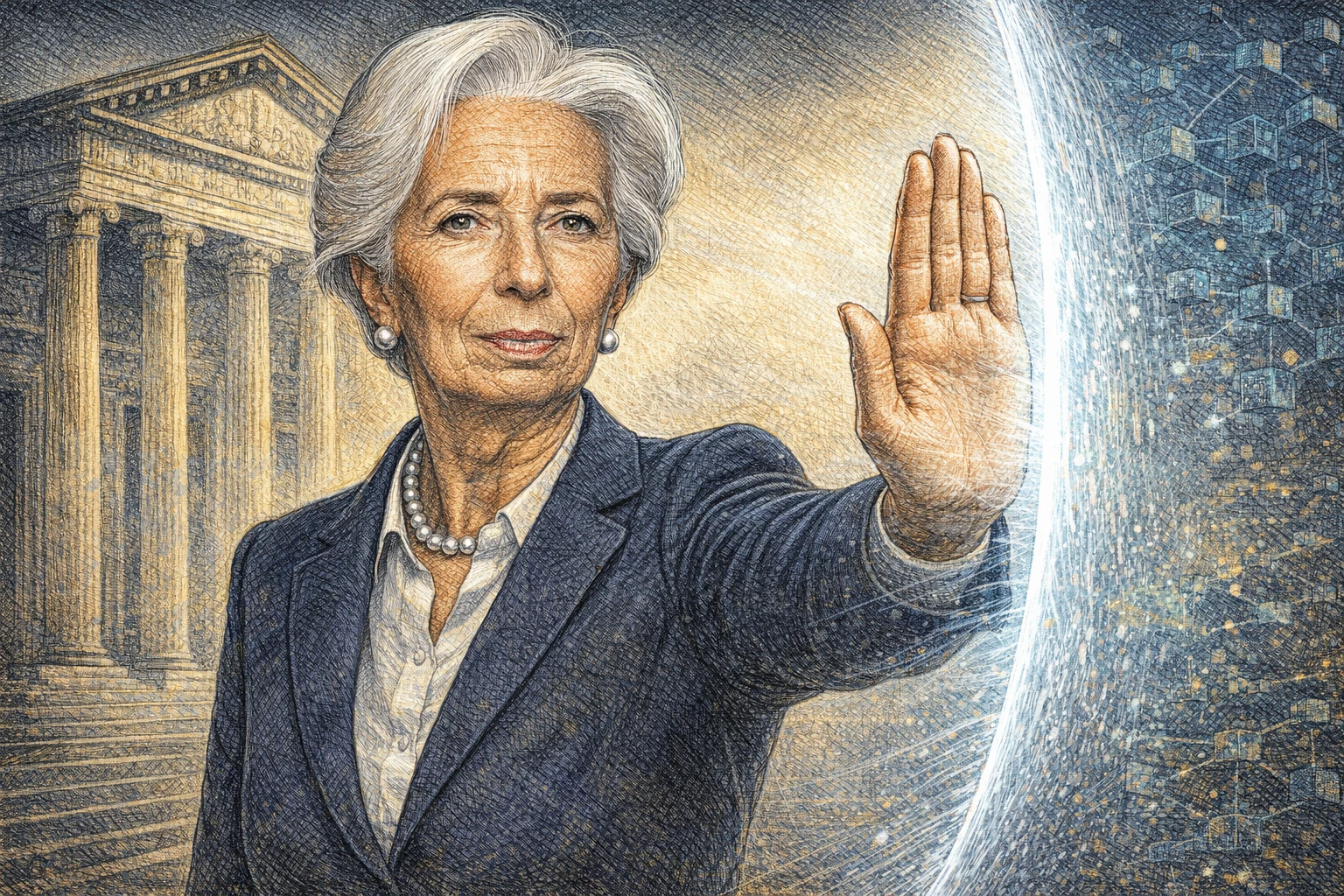
    The Wall Street Journal has reported a significant development that has sent ripples through Europe’s cryptocurrency sector: European Central Bank (ECB) President Christine Lagarde is alleged to have personally intervened in Binance’s application for a Markets in Crypto-Assets (MiCA) license in Greece, urging Greek Prime Minister Kyriakos Mitsotakis to reject it. Binance, when contacted, stated, “We do not comment on speculation.” However, if the ECB’s involvement in an exchange licensing process is confirmed, it signifies that cryptocurrency compliance has escalated to the level of sovereign central banks.

    Lagarde’s Alleged Pressure on Greek Authorities

    The Wall Street Journal reported on Friday that a deputy chairman of the Hellenic Capital Market Commission (HCMC) informed Binance executives that Lagarde had exerted pressure through the Greek government to prevent the license from being granted to the world’s largest cryptocurrency exchange. Dramatically, Greek authorities had informed the European Securities and Markets Authority (ESMA) in early June that they were “prepared to approve” the application, indicating the process was nearing completion before being halted.

    Binance submitted its MiCA license application in Greece in January of this year. MiCA is the European Union’s unified regulatory framework for crypto-assets. Once it took effect on July 1, entities with a license could operate across all 27 EU member states, effectively serving as a golden ticket for exchanges seeking to enter the European market.

    Rumors and Withdrawal

    By mid-June, rumors began circulating that the HCMC might reject the application. Subsequently, crypto intelligence platform The Big Whale was the first to break the story about Lagarde’s alleged involvement, though it lacked corroboration from authoritative media at the time.

    Days before the MiCA deadline on July 1, Binance formally withdrew its Greek application, stating it would seek to reapply in another EU jurisdiction. While the prevailing assumption at the time was that this was a result of the HCMC’s unilateral review, the WSJ’s report this week has shed clearer light on “who was applying pressure from behind the scenes.”

    Strategic Implications for Digital Euro

    If Lagarde did indeed intervene, the underlying logic is not difficult to surmise. The ECB is vigorously pursuing the development of a digital euro. The presence of a colossal exchange, controlled externally and operating legally within Europe with a MiCA license, would pose a competitive threat to the issuance of the digital euro and the stablecoin ecosystem.

    The ECB has repeatedly issued public warnings about the threat posed by U.S. stablecoins to European financial sovereignty. For Lagarde, allowing an exchange deeply intertwined with dollar-pegged stablecoins (USDT/USDC) unfettered access to Europe directly conflicts with the strategic direction of the digital euro.

    This also explains why the Greek HCMC, despite being “prepared to approve,” ultimately backed down. Faced with direct intervention from the European Central Bank, it is exceedingly difficult for a regulatory body of a single member state to resist.

    Binance’s Response and Future Path

    Binance’s official response was notably brief: “We will not comment on speculation. In Europe, Binance remains committed to operating on a long-term, compliant basis under the EU’s Markets in Crypto-Assets Regulation.”

    This statement carries three layers of meaning. Firstly, it neither confirms nor denies Lagarde’s alleged involvement, avoiding a direct confrontation with the ECB. Secondly, the emphasis on “remains committed” signals to the EU market that Binance has no intention of withdrawing. Thirdly, it deliberately shifts the focus back to the regulatory framework itself, rather than engaging in political maneuvering.

    In practice, Binance now has two potential paths: reapplying in another EU country (though Lagarde’s pressure might extend across borders), or indirectly gaining market access by acquiring a European platform that already holds a license. Whichever path is chosen, the ECB has clearly integrated “crypto compliance” into its strategic chessboard.

  • ECB Chief Blocks Binance EU Entry, Digital Euro Battle Goes Public

    ECB Chief Blocks Binance EU Entry, Digital Euro Battle Goes Public

    ECB President Lagarde Personally Urged Greek PM to Reject Binance’s EU License Bid

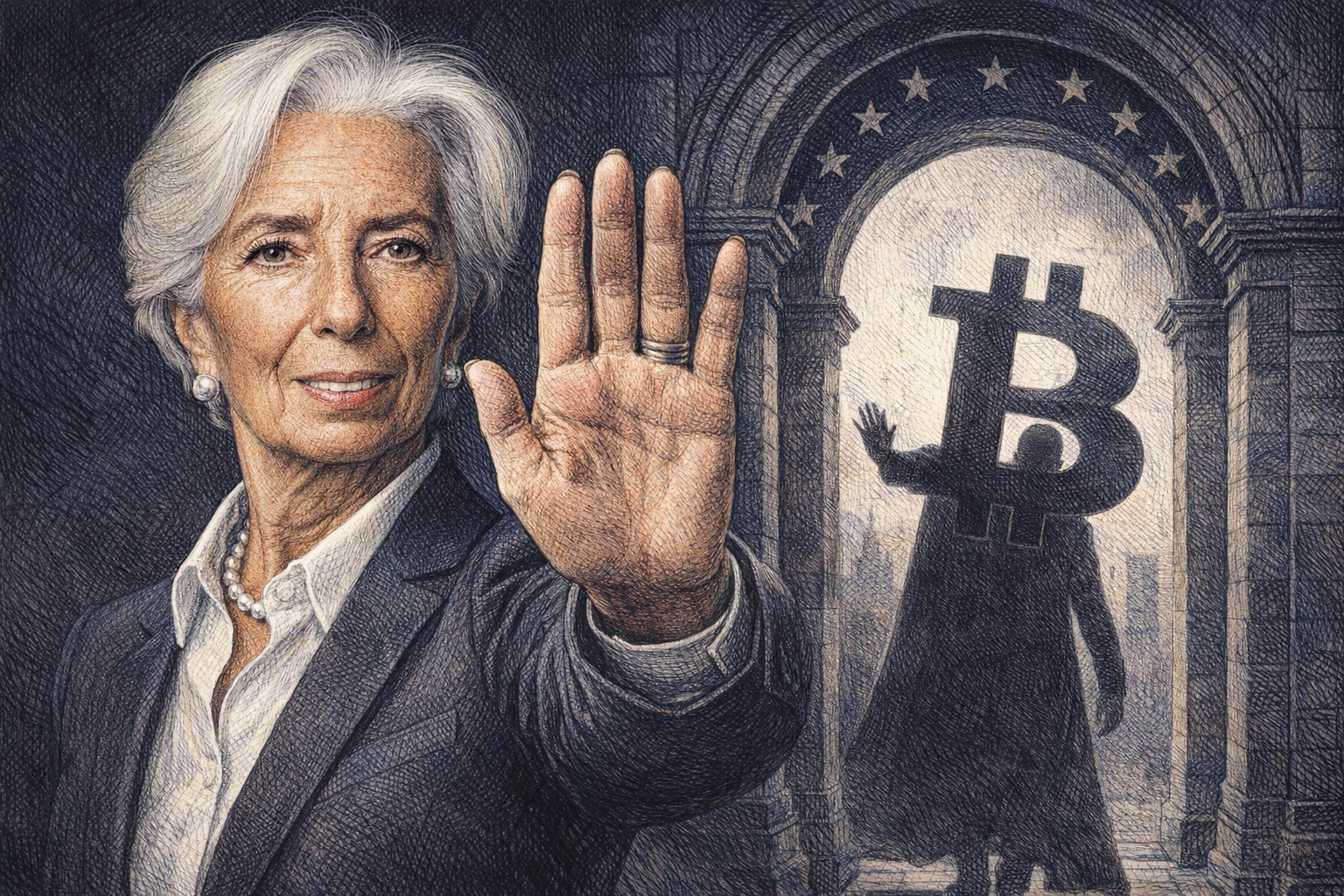
    European Central Bank President Christine Lagarde personally intervened to block Binance’s attempt to secure an EU-wide cryptocurrency license, according to a report by The Wall Street Journal. Lagarde reportedly urged Greek Prime Minister Kyriakos Mitsotakis to reject Binance’s application.

    Binance voluntarily withdrew its application in mid-June and subsequently began halting its crypto trading services in France, Poland, Italy, and Spain starting in July.

    Lagarde’s direct involvement reportedly came during a meeting in May, where she conveyed to Mitsotakis that Binance was “not welcome” in Europe. This stance reportedly superseded the Greek Finance Minister’s initial preference, effectively halting Binance’s planned European expansion at the last minute.

    Binance had submitted its application for a Crypto-Asset Service Provider (CASP) license under the Markets in Crypto-Assets (MiCA) framework in January 2023 through a holding company established in Greece. The application was filed with the Hellenic Capital Market Commission (HCMC).

    Under MiCA’s passporting mechanism, a license approved by a single member state allows operations across the entire EU. In early June, the HCMC had informed the European Securities and Markets Authority (ESMA) of its intention to approve the application. At the time, Binance was preparing for its formal entry into the European market, with CEO Richard Teng even planning a visit to Athens.

    However, the situation reversed before the HCMC could make its final decision. According to sources cited by The Wall Street Journal, an HCMC official informed Binance that Lagarde opposed the application. Binance subsequently withdrew its application in mid-June. After missing the July 1 deadline for MiCA transitional licenses, the company ceased marketing to EU users.

    The ripple effect was swift. Starting July 1, Binance suspended its spot, leveraged, and futures trading services in France, impacting approximately 2 million French users. The service suspensions later extended to Poland, Italy, and Spain. Binance had previously stated that the HCMC had completed its review and determined the application met MiCA requirements.

    The report outlines two primary reasons for Lagarde’s opposition.

    Firstly, Binance’s past regulatory issues in the United States served as a significant compliance red flag. Binance and its founder, Changpeng Zhao, pleaded guilty in 2023 to violating U.S. anti-money laundering and sanctions laws, agreeing to a $4.3 billion settlement. This history led Lagarde to view Binance as a high-risk entity.

    Secondly, and more profoundly, Lagarde reportedly feared that securing an EU license would accelerate the adoption of dollar-denominated stablecoins in Europe, thereby undermining the European Central Bank’s ongoing digital euro initiative.

    Data from CryptoQuant indicates that as of February 2024, Binance held approximately $47.5 billion in stablecoins, representing 65% of centralized exchange stablecoin reserves, a substantial increase from $35.9 billion a year prior.

    With services now halted in France, Poland, Italy, and Spain, and the previously promising route through Greece blocked, Binance is compelled to seek alternative entry points in other member states or patiently await a potential cooling of ECB concerns regarding the digital euro.

    This case also highlights a deeper contradiction within European regulation. The original intent of MiCA was to enable national regulators to issue licenses based on unified standards, preventing political interference in market access. However, this instance demonstrates a precedent where a central bank president bypassed formal channels to exert private pressure and influence outcomes.

    As the market share of dollar stablecoins continues to expand, the ECB has evidently prioritized “preserving euro monetary sovereignty” over “open market competition.” The contest between the digital euro and dollar stablecoins appears to be just beginning.