Tag: Regulation & Policy

  • Hyperliquid Launches in US

    Hyperliquid Launches in US

    Trump Signals Push to Bring Offshore Crypto Derivatives Platform Onshore

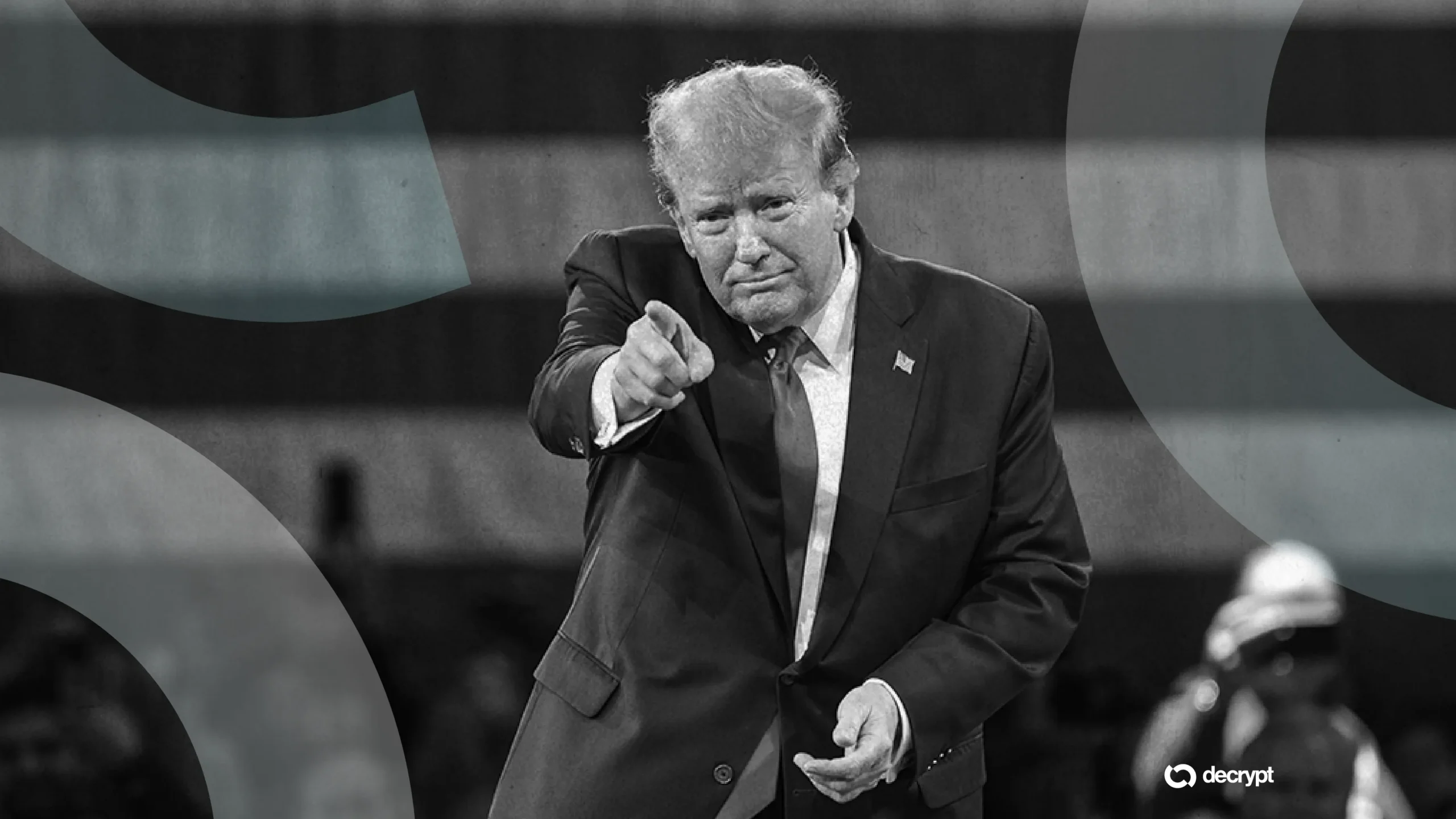
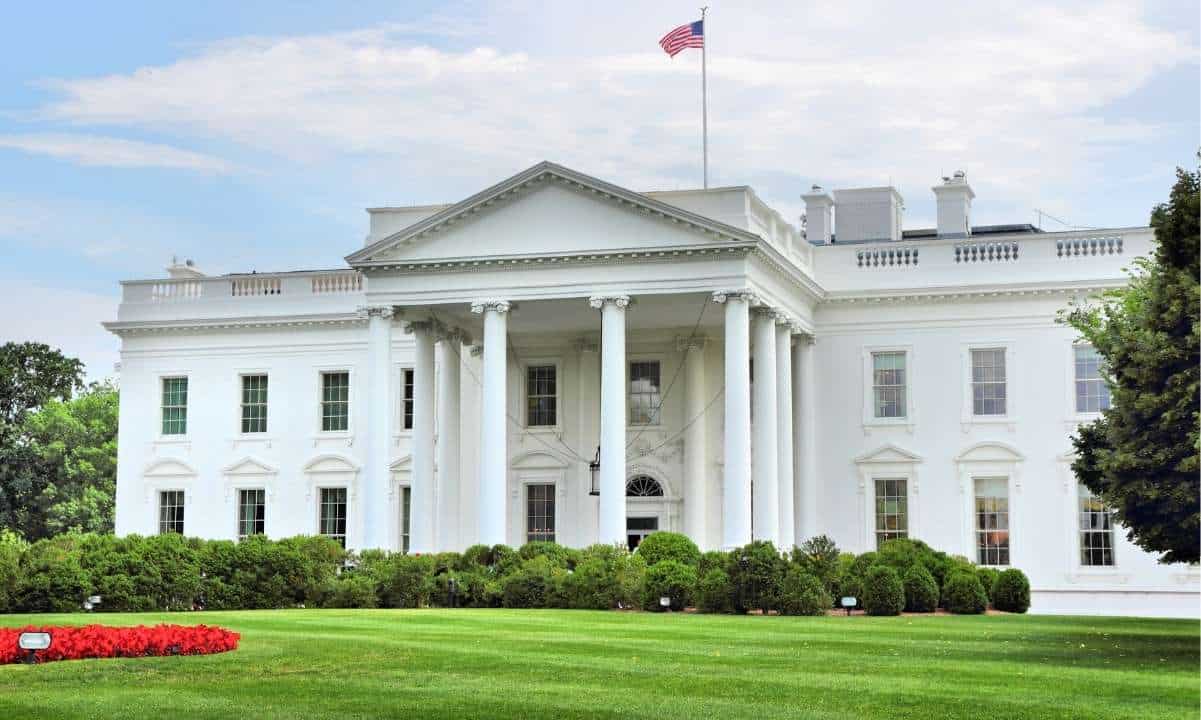
    Former President Donald Trump announced that the Commodity Futures Trading Commission (CFTC) is actively working to bring the popular offshore cryptocurrency derivatives platform Hyperliquid into the United States. The statement, made during a meeting at the White House with executives from major financial and crypto firms, sent ripples through the market.

    Trump indicated that CFTC Chair Michael Selig is spearheading efforts to establish Hyperliquid’s presence in the U.S. in a “fully compliant and legal fashion.” He expressed a desire to see this development, stating, “We would really like to see it.”

    The news had an immediate impact on cryptocurrency prices. Hyperliquid’s native token, HYPE, surged 23% to a peak of $72. Another derivatives platform leader, LIT, saw a 20% increase, reaching a new local high. The broader crypto market also experienced gains, with Bitcoin climbing to $72,000, Ethereum rising by 20% to over $2,300, and Solana reaching $87. Stocks of publicly traded crypto-related companies also saw significant boosts, with Coinbase and Circle each jumping 17%, and Robinhood stock gaining 10%.

    Hyperliquid is an offshore platform that allows traders to engage in leveraged bets using perpetual futures – contracts without an expiration date – by simply connecting a cryptocurrency wallet, bypassing the need for a traditional brokerage account. U.S. residents are currently prohibited from legally accessing the platform. This operational model circumvents the intermediary typically assumed by U.S. derivatives regulations, which has historically led to offshore operations for many crypto platforms due to registration, customer protection, and market oversight requirements. The CFTC has been laying groundwork for such a move, having previously cleared Coinbase Derivatives for perp-style Bitcoin and Ethereum futures slated for April 2025, and approving Kalshi for a similar product.

    The meeting also touched upon broader legislative efforts. Trump urged Congress to pass a revised version of the Clarity Act, a market structure bill designed to delineate authority over digital assets between the Securities and Exchange Commission (SEC) and the CFTC. He framed this legislation as crucial for maintaining a competitive edge against China. The bill is scheduled for a return to the Senate floor in September, following the lawmakers’ recess. However, it still requires approximately six Democratic votes to overcome a potential filibuster and reach the 60-vote threshold needed for passage.

    The current landscape suggests a divergence in regulatory approaches. While the SEC recently proposed its first formal cryptocurrency rules, President Trump’s public directive to the CFTC to find a pathway for a major offshore derivatives venue highlights a distinct regulatory push. With the Clarity Act facing legislative hurdles, the SEC and CFTC appear to be proceeding with rule-making, potentially exerting pressure on Congress to either act on legislation or allow the agencies to establish their own regulatory frameworks for digital assets.

    Attention now turns to the CFTC’s Innovation Advisory Committee, which is set to convene for its inaugural meeting on Thursday.

  • Trump Eyes US Crypto Leadership: Key Takeaways from White House Meeting

    Trump Eyes US Crypto Leadership: Key Takeaways from White House Meeting

    White House Signals Stronger Stance on Digital Assets, Trump Urges Congressional Action

    President Donald Trump convened with leaders from major cryptocurrency firms, including Coinbase, Ripple, and Gemini, at the White House on Wednesday, signaling a concerted effort by the administration to bolster its position within the digital asset sector.

    The discussions centered on the proposed Digital Asset Market Clarity Act, Bitcoin, and strategies to encourage greater cryptocurrency activity within the United States.

    President Trump urged Congress to pass a “fair version” of the CLARITY Act, asserting that its enactment would be crucial for maintaining U.S. leadership, particularly in relation to China. The bill, which cleared the House of Representatives in July 2025, has faced legislative inertia in the Senate. Key sticking points include provisions related to tokenized equities, stablecoin rewards, and potential conflicts of interest involving the Trump family and the cryptocurrency industry.

    Brian Armstrong, CEO of Coinbase, expressed his belief that the legislation would establish a “durable” U.S. crypto policy capable of enduring for decades. Armstrong anticipates the bill securing “more than 60 votes” when the Senate considers a cloture motion on September 15. President Trump echoed this optimism, describing the bill as “very bipartisan” with significant Democratic support.

    During the meeting, President Trump also indicated that the U.S. has explored plans to acquire “sizable” quantities of Bitcoin and other cryptocurrencies. He further stated, “We’re going to ensure America remains the undisputed leader, not only in Bitcoin and crypto, but also in technologies like prediction markets and artificial intelligence.”

    The trading platform Hyperliquid was also a subject of discussion. President Trump noted that Commodity Futures Trading Commission Chair Michael Selig is working to integrate the perpetuals-focused platform into the U.S. in a “fully compliant and legal fashion.” Following these remarks, the price of HYPE surged by over 20%, reaching $71.

    The cryptocurrency market responded positively to the White House meeting and the latest regulatory signals. Bitcoin saw a 7% increase, touching $70,000, while Ethereum experienced a more substantial gain of nearly 18%, climbing to $2,327. XRP also trended upward, reaching $1.14.

    However, the industry’s primary concern remains in Washington. While President Trump can advocate for legislative progress, the CLARITY Act must still navigate significant political obstacles in the Senate. For instance, Democratic Senator Ruben Gallego has advised lawmakers against rushing the process, urging a more deliberate approach to a Senate vote. Speaking at the SALT Wyoming Blockchain Symposium on Wednesday, Gallego highlighted ongoing disagreements between Democrats and Republicans concerning ethics and stablecoin yields.

    “Don’t go for a fast vote. A fast vote gets you a fast result, but I’m not sure it’s the result you want,” Gallego stated.

    Notably, Senate Democrats have sought to include provisions that would prohibit public officials, including the president, from trading digital currencies. Senator Gallego indicated that efforts to convey these ethical considerations to the White House have yielded minimal progress.

  • Ripple CTO Emeritus David Schwartz Raises Concerns Over AI Regulation’s Impact on Free Speech

    Ripple CTO Emeritus David Schwartz Raises Concerns Over AI Regulation’s Impact on Free Speech

    David Schwartz, Ripple’s CTO emeritus, has voiced significant concerns that government regulations targeting AI safety and copyright could grant authorities unprecedented control over political and social speech. Schwartz articulated these worries in a series of posts on X, formerly Twitter, suggesting that the frameworks being developed to govern artificial intelligence might inadvertently empower officials over public discourse.

    Schwartz’s argument focuses on two key regulatory areas: the use of copyrighted material for AI training and the definition of AI safety. He explained that if training AI models on copyrighted content is deemed copyright infringement, Congress, which controls copyright exceptions, could dictate the permissible uses of AI speech-generating tools. This scenario, according to Schwartz, would effectively allow lawmakers to shape the nature and scope of AI-generated speech.

    Furthermore, Schwartz warned that government-defined AI safety rules could pose a substantial threat to free expression. He posited that if the government establishes the criteria for what constitutes ‘safe’ AI, then the most powerful tools for producing political and social speech could become usable only in ways that officials permit. This, he argued, represents a “totally unprecedented threat to freedom of speech.”

    These concerns were initially prompted by Schwartz’s reaction to a Change.org UK campaign advocating for limits on press coverage for individuals. This campaign gained traction following extensive media attention on sociology professor Jason Arday, who was the subject of 249 articles in the 22 days preceding his death on August 14. Schwartz questioned whether AI or “natural stupidity” posed a greater threat to free speech, sparking a discussion about AI’s role in generating speech.

    Schwartz elaborated that AI has become an exceptionally effective tool for producing speech, and governments are currently navigating multiple regulatory challenges concerning its use. He echoed sentiments previously expressed by Erik Voorhees, founder of ShapeShift, who argued in late July that governments should not be the arbiters of what forms of intelligence are deemed safe, cautioning that such power could expand into a broader veto over speech and encryption.

    The broader debate over AI governance and its impact on speech is not isolated. Proposals for federally backed bodies to test and certify advanced AI models, such as one suggested by Google DeepMind CEO Demis Hassabis and supported by OpenAI CEO Sam Altman and Microsoft’s Satya Nadella, have also surfaced. However, figures like Coinbase chief Brian Armstrong have suggested that existing laws related to fraud, torts, and consumer protection might be sufficient to address potential AI-related harms.

    Schwartz’s perspective highlights a critical uncertainty: who ultimately decides what AI systems can create, know, and discuss. The potential for AI safety regulations and copyright law interpretations to grant governments significant oversight over digital communication remains a key concern, with the implications for political and social discourse yet to be fully determined.

    Broader Context

    Source materials place the factual news in this context: David Schwartz, Ripple’s CTO emeritus, has warned that government rules around AI safety and copyright could give authorities unprecedented control over political and social speech.

  • Trump Meets Crypto Executives, Urges Congress to Pass Clarity Act Amid Regulatory Shifts

    Trump Meets Crypto Executives, Urges Congress to Pass Clarity Act Amid Regulatory Shifts

    President Donald Trump convened with cryptocurrency and finance executives at the White House on Wednesday, urging Congress to pass a “fair version” of the Clarity Act. This proposed legislation aims to establish federal rules for digital assets and clarify the regulatory authority between the Securities and Exchange Commission (SEC) and the Commodity Futures Trading Commission (CFTC).

    The meeting, held just before the inaugural session of the CFTC’s Innovation Advisory Committee, included prominent industry leaders such as the CEOs of Coinbase, Ripple, Robinhood, Nasdaq, Intercontinental Exchange, and Blockchain.com, alongside co-founders of Gemini and Chainlink, and the founder of a16z crypto. CFTC Chair Michael Selig, SEC Chair Paul Atkins, and White House crypto advisor Patrick Witt were also present.

    Trump characterized the Clarity Act as “powerful structure legislation” crucial for maintaining U.S. leadership over China and fostering innovation. He indicated that market structure legislation is the next priority for his administration’s digital asset agenda, with the bill anticipated to return to the Senate floor in September. However, its passage hinges on securing approximately six Democratic votes to meet the 60-vote threshold.

    During the discussions, Trump voiced criticism of the Biden administration’s approach to crypto regulation, alleging that it employs enforcement tactics to push businesses overseas. He referenced his administration’s past policies, such as a strategic Bitcoin reserve and a ban on a U.S. central bank digital currency, as examples of proactive measures. Trump also noted that Michael Selig is actively working to facilitate the compliant and legal integration of Hyperliquid into the United States.

    In parallel, the SEC on Tuesday proposed new rules that could potentially ease the process for crypto companies to issue tokens and raise capital by exempting certain token offerings from securities regulations. Notably, executives from prediction market platforms Kalshi and Polymarket were reportedly not invited to the White House meeting, suggesting a focused discussion on specific industry segments.

    Despite the concerted push for legislative clarity, significant uncertainties persist regarding the Clarity Act’s eventual passage and the precise nature of any “fair version” that might be enacted. The ultimate impact and adoption of the SEC’s proposed rules also remain undetermined, leaving the future direction of digital asset regulation in the U.S. subject to ongoing developments.

    Why This Matters

    The materials describe a narrow update: President Trump hosted a meeting with cryptocurrency and finance executives at the White House. Whether Congress will pass a “fair version” of the Clarity Act.

    Broader Context

    Source materials place the factual news in this context: The Clarity Act is expected to return to the Senate floor in September after lawmakers left for their August recess without holding a procedural vote.

  • SEC Clarifies Crypto Rules

    SEC Clarifies Crypto Rules

    SEC Proposes First Formal Crypto Rules for Token Fundraising

    For the past decade, the Securities and Exchange Commission (SEC) has navigated cryptocurrency fundraising through litigation, pursuing token issuers on a case-by-case basis without establishing clear, published rules. This approach is now set to change.

    Yesterday, the SEC unveiled “Regulation Crypto Assets,” its inaugural formal rulemaking for the cryptocurrency sector. This new framework outlines two distinct pathways for selling tokens without requiring full registration with the SEC.

    The smaller option permits a one-time fundraising effort of up to $5 million over a four-year period. A more substantial path allows for up to $75 million in capital to be raised within any 12-month span. This latter ceiling is comparable to the framework established by Reg A+ Tier 2, a “mini-IPO” structure created by Congress through the JOBS Act. Both pathways mandate narrative disclosures based on core principles, resembling a whitepaper more than a formal registration statement. The $75 million tier further necessitates financial statements and ongoing reporting. The proposed rules would also supersede state-level registration requirements for exempt offerings and certain secondary market transactions.

    A significant addition is a crucial safe harbor provision. Under the proposal, a token would no longer be considered an investment contract once the issuer has fulfilled or permanently ceased all essential managerial efforts it committed to. Chairman Paul Atkins has directly linked this framework to the Token Safe Harbor initially proposed by Commissioner Hester Peirce in February 2020, a measure the industry has been advocating for ever since.

    This represents a notable departure from the SEC’s past practices. The initial wave of Initial Coin Offerings (ICOs) in 2017 faltered as the SEC classified token sales as unregistered securities offerings, leading to a series of lawsuits. Since then, projects have largely structured themselves around this ruling. This has resulted in the proliferation of offshore entities like Cayman and Swiss foundations, sales restricted to non-U.S. buyers, accredited investor-only rounds under Reg D, and the design of airdrops and points programs to circumvent classification as sales. These complex structures emerged due to the absence of a clear, onshore legal avenue.

    The proposed rules now offer explicit guidelines for token sales within the United States. If these proposals are adopted, a resurgence of ICO activity is anticipated.

    Corporate Treasuries & ETFs

  • SEC Proposes Crypto Fundraising Exemptions and Conditional Safe Harbor, Acknowledging Limitations

    SEC Proposes Crypto Fundraising Exemptions and Conditional Safe Harbor, Acknowledging Limitations

    The U.S. Securities and Exchange Commission (SEC) has proposed a new framework, Regulation Crypto Assets, aimed at modernizing federal securities regulations for digital assets. The proposal introduces two exemptions for crypto asset offerings and a conditional safe harbor intended to delink crypto assets from investment contracts, with the SEC acknowledging that these pathways are not universally applicable.

    Why This Matters

    The SEC has proposed Regulation Crypto Assets, which includes two exemptions from registration under the Securities Act of 1933 for crypto asset offerings and a conditional safe harbor that could delink a crypto asset from an investment contract. The safe harbor conditions must be satisfied for a crypto asset to be deemed not to be subject to an investment contract.

    Broader Context

    This proposal follows a March 2026 interpretation from the SEC and the Commodity Futures Trading Commission (CFTC) that addressed how federal securities laws apply to certain crypto assets and transactions. The SEC has presented these proposed rules and the earlier interpretation as part of a tailored securities offering regime for crypto assets.

    Fundraising Pathways: New Exemptions Proposed

    The proposed Regulation Crypto Assets includes two exemptions from registration requirements under the Securities Act of 1933. A startup exemption would permit offerings of up to $5 million over a four-year period, while a broader fundraising exemption would allow for offerings of up to $75 million within each 12-month period. Both exemptions require principles-based narrative disclosures from issuers. Issuers operating under these exemptions would remain subject to antifraud and antimanipulation provisions. Additionally, state securities-law registration and qualification requirements would be preempted for offers and sales of securities issued under these proposed exemptions, as well as for certain secondary-market transactions.

    Conditional Safe Harbor for Investment Contracts

    Alongside the fundraising exemptions, the SEC has proposed a conditional safe harbor related to the definition of an investment contract. If the safe harbor’s conditions are met, a crypto asset could be deemed not to be subject to an investment contract for the purposes of the Securities Act of 1933 and the Securities Exchange Act of 1934. Commissioner Hester M. Peirce explained that this safe harbor could allow an issuer of an investment contract to delink a crypto asset from that contract. The primary condition is that the issuer has completed or permanently ceased all essential managerial efforts that it represented or promised to undertake in relation to the investment contract.

    Context and Remaining Uncertainties

    SEC Chairman Paul S. Atkins stated that the proposal aims to provide crypto-asset entrepreneurs and market participants with pathways to raise capital under federal securities laws while broader legislative efforts continue. However, the SEC acknowledges that the proposed framework is not a universal solution. The exemptions are limited by their respective offering caps and disclosure conditions, and the safe harbor is conditional. Commissioner Peirce noted that the exemptions and safe harbor “will not fit every model” and invited public feedback. The proposal is subject to public comment for 60 days after publication in the Federal Register. Areas for further feedback include facilitating a role akin to equity for crypto assets, allowing token holders to share in the growth and value of the enterprise building a crypto network, though this is not a feature established by the current proposal.

    The SEC stated that Regulation Crypto Assets comes as Congress works to establish a lasting regulatory framework for digital assets.

  • SEC Introduces New Crypto Token Offering Pathways

    SEC Introduces New Crypto Token Offering Pathways

    SEC Proposes New Rule to Streamline Crypto Fundraising

    The Securities and Exchange Commission (SEC) has put forth a new rule designed to ease fundraising for cryptocurrency companies by offering two exemptions from standard securities registration requirements. The proposal, dubbed “Regulation Crypto Assets,” outlines two distinct pathways for capital raising: one capped at $5 million every four years and another at $75 million annually. Additionally, it includes a safe harbor provision that could exclude certain crypto assets from the legal definition of a security.

    Details of the Proposed Exemptions

    Under the proposed framework, the smaller exemption allows for a one-time offering of up to $5 million over a four-year period. Companies utilizing this exemption would be required to provide investors with narrative disclosures about the offering in plain language, a departure from the detailed format typically found in full registration statements. The requirements for this smaller exemption are described as relatively informal.

    The larger exemption permits companies to raise up to $75 million within any 12-month period. However, this option comes with more stringent obligations, including the submission of financial statements and ongoing reporting requirements for as long as the company continues to raise funds under this exemption.

    Safe Harbor for Certain Crypto Assets

    The proposed rules also introduce a conditional safe harbor that would remove specific crypto assets from the “investment contract” definition, a key component of both the Securities Act of 1933 and the Securities Exchange Act of 1934. If a project meets the stipulated conditions, primarily related to whether management has completed or permanently ceased the work promised to investors, the associated token would no longer be considered an investment contract and, consequently, not a security. SEC Chairman Paul Atkins stated that this change would take effect “once an issuer has completed or permanently ceased all essential managerial efforts” it committed to.

    “Congress designed our securities laws to amplify – within specific guardrails – opportunities for entrepreneurs to innovate and build new products,” Atkins commented. “Advancing this regulatory framework is a key element in our strategy to advance the rule books for the modern era and another step by the Commission to onshore innovation in crypto asset markets for generations to come.”

    Preemption of State Regulations and Broader Context

    The proposed rule would also preempt state securities registration and qualification requirements for offerings conducted under either exemption, as well as certain secondary market sales.

    This proposal builds upon the SEC’s interpretation from March 2026, which initially clarified the application of federal securities law to certain crypto assets and transactions. The announcement comes just one day before a White House meeting scheduled for August 19. Executives from prominent crypto firms including Ripple, Coinbase, Chainlink, Paradigm, Kalshi, and a16z are expected to attend this meeting with regulators, as previously reported.

    President Donald Trump is reportedly expected to participate, and Chairman Atkins is also slated to attend, according to updates from journalist Eleanor Terrett. While some reports suggest that executives from traditional finance sectors might also be present, an official guest list has not been confirmed.

    The timing of the SEC’s proposal and the upcoming White House meeting occurs as the CLARITY Act, a broader legislative effort to delineate authority between the SEC and the Commodity Futures Trading Commission (CFTC) over digital assets, remains stalled in the Senate. Lawmakers departed for their August recess without a vote on the bill, and Majority Leader John Thune has filed for cloture, setting a potential vote for September 15.

    Disputes over ethics provisions, anti-money laundering rules, and proposals for stablecoin rewards for customers have contributed to the legislative delays. Banks, in particular, have reportedly lobbied against the stablecoin reward concept, fearing it could divert deposits from traditional financial systems.

    The SEC will accept public comments on “Regulation Crypto Assets” for a period of 60 days following its publication in the Federal Register.

  • Trump Crypto Firm Linked to Chinese AI Flagged as Security Risk

    Trump Crypto Firm Linked to Chinese AI Flagged as Security Risk

    World Liberty Financial Partners with AI Firm Using Chinese Models Flagged by U.

    S.

    World Liberty Financial, a company backed by former President Donald Trump, is collaborating with an artificial intelligence firm that utilizes models from Chinese technology companies previously identified by the Trump administration for national security risks. The partnership involves World Liberty’s USD1 stablecoin, which is accepted by the AI firm, WorldClaw, as payment for access to its AI models. Ryan Fang, an executive at World Liberty, also serves as an advisor to WorldClaw.

    WorldClaw’s AI Model Offerings

    Hong Kong-based WorldClaw provides access to a wide array of AI models, with 43 out of its 90 offerings developed by Chinese companies, including prominent names like Alibaba, Baidu, and Z.ai. The platform also features models from U.S. companies OpenAI and Anthropic.

    A spokesperson for World Liberty, David Wachsman, stated that WorldClaw operates independently and pointed out that major U.S. firms also offer AI models from both Chinese and American developers. “This is a common and widely accepted approach,” Wachsman told Reuters.

    However, several of the Chinese AI firms featured on WorldClaw have faced scrutiny from the U.S. government. In January 2025, Z.ai, formerly Zhipu AI, was added to the Commerce Department’s Entity List, which restricts its access to U.S. technology. In June, the Pentagon designated Alibaba and Baidu as “Chinese Military Companies Operating in the United States,” prohibiting the Department of Defense from engaging in business with them.

    An Alibaba spokesperson contested the designation, asserting that the company is neither a Chinese military entity nor part of any military-civil fusion strategy. The spokesperson described the Pentagon’s decision as “arbitrary and capricious” and indicated plans to sue for its removal.

    The extent of any financial gains by the Trump family from WorldClaw, or the specific financial terms between the companies, remains undisclosed. While World Liberty executive Ryan Fang advises WorldClaw, Donald Trump Jr. and Eric Trump have publicly promoted the firm.

    Allegations of AI Model Distillation

    The news emerges amid accusations that several Chinese AI firms available through WorldClaw have engaged in distillation attacks against U.S. AI developers. In February, Anthropic alleged that DeepSeek, Moonshot AI, and MiniMax used approximately 24,000 fraudulent accounts to generate over 16 million exchanges with its Claude model. This was achieved through model distillation, a method where one AI model learns by analyzing the outputs of another. In June, Anthropic urged Congress to strengthen export controls and impose penalties for large-scale model extraction.

    “We believe combating the threat of illicit distillation requires coordinated action between government and industry, and we will continue working with Congress and the administration to maintain American AI leadership,” an Anthropic spokesperson told Decrypt.

  • SEC Proposes Crypto Fundraising Exemptions

    SEC Proposes Crypto Fundraising Exemptions

    SEC Proposes New Rules for Crypto Fundraising, Offering Exemptions from Full Registration

    The Securities and Exchange Commission (SEC) on Tuesday unveiled proposed new rules that could allow cryptocurrency projects to raise funds without undergoing the full securities registration process. This move marks a significant shift in the agency’s approach, coming shortly after a meeting last week concerning these measures was unexpectedly postponed.

    Dubbed “Regulation Crypto Assets,” the proposal includes a startup exemption that would permit digital token offerings of up to $5 million over a four-year period. A second exemption would enable token issuers to raise as much as $75 million annually, provided they submit financial statements and ongoing reports.

    Both proposed exemptions would necessitate disclosures, while existing federal antifraud and antimanipulation regulations would remain in effect.

    These proposals arrive at a critical juncture for the cryptocurrency industry. Hopes for the passage of the Clarity Act, a significant piece of market-structure legislation, were recently dashed following setbacks in negotiations. The Clarity Act, if enacted, would have formally legalized most cryptocurrency activities in the United States. However, SEC Chair Paul Atkins had previously indicated in late July that the Commission was prepared to introduce its own regulatory framework if the bill failed to materialize.

    SEC Commissioner Hester Peirce acknowledged that the proposed exemptions would not encompass every type of crypto project. She encouraged the cryptocurrency industry to provide feedback on how the rules should be further developed.

    “The Commission wants to accommodate innovation on many fronts, and our rules need to be tailored to changing market developments and designed to protect investors and market integrity,” Peirce stated. “This proposal is one step on a long road toward a clear, sensible, enforceable regulatory framework for crypto.”

    The proposal also introduces a conditional safe harbor that would allow an issuer to “delink” a crypto asset from the investment contract through which it was originally sold. This provision could enable a token initially tied to a securities transaction to become independent of that contract, provided the issuer meets the SEC’s stipulated conditions.

    The unveiling of these rules follows the SEC’s abrupt cancellation of a meeting on Regulation Crypto Assets last week, citing an “unforeseen scheduling issue.”

    On Monday, Crypto In America reported that SIFMA, a Wall Street trade group representing broker-dealers, investment banks, and asset managers, had discussed the possibility of a legal challenge to the SEC’s authority. Concurrently, the White House had reportedly requested the agency postpone the meeting amid ongoing Clarity Act negotiations.

    The announcement also coincides with advancements in crypto regulations by other federal agencies. On Monday, the U.S. Treasury Department proposed regulations implementing the GENIUS Act. These regulations would generally require stablecoin issuers to obtain federal or state licenses starting in January 2027, with restrictions on crypto platforms selling stablecoins from unapproved issuers set to take effect in July 2028.

  • Global Regulatory Pressure Mounts on Prediction Markets; South Korea Blocks Polymarket

    Global Regulatory Pressure Mounts on Prediction Markets; South Korea Blocks Polymarket

    South Korea has blocked domestic access to the prediction market platform Polymarket, with authorities determining that its services facilitate illegal gambling. The Korea Communications Commission announced the decision on August 18, following a review that concluded Polymarket’s structure encourages gambling behavior. The commission rejected Polymarket’s claims of being outside South Korean jurisdiction.

    This action by South Korea is part of a growing international trend of regulatory intervention and legal challenges targeting prediction markets. France blocked Polymarket last month, and Australia and Germany imposed access restrictions in 2025, classifying the platform as an illegal gambling service. More than 30 countries, including Italy, Indonesia, and Argentina, have also restricted or blocked Polymarket.

    The Korea Communications Commission stated that Polymarket’s structure, combined with wagers on events outside users’ control, “encourages gambling behavior.” The commission also asserted that technical changes or service methods do not exempt a platform from complying with domestic law, directly countering Polymarket’s argument that it operated outside South Korean jurisdiction after removing Korean-language services and disabling payments in Korean won.

    The platform initially came under scrutiny in South Korea in late May when police began investigating users on suspicion of gambling. The country’s media watchdog subsequently opened its own review on July 6, leading to the August 18 decision.

    Meanwhile, prediction markets are also facing legal pressure in the United States, though the legal questions vary by jurisdiction. In Baltimore, city officials and Mayor Brandon M. Scott filed separate lawsuits on August 13 against both Polymarket and its competitor Kalshi. According to CryptoPotato, the lawsuits accuse the platforms of offering sports betting without the necessary licenses in Maryland. The complaints also allege that both companies presented their products in a way that could mislead consumers into believing they were legal and regulated.

    Baltimore is seeking penalties, consumer restitution, disgorgement, and other legal remedies. The city’s argument is that classifying these offerings as “event contracts” or prediction-market trades does not alter their fundamental nature as unlicensed sports betting. Kalshi is also facing a separate legal challenge from New York officials regarding its operations within the state.

    These regulatory actions and legal battles highlight significant uncertainties surrounding prediction markets. Key questions remain about the exact nature of their “event contracts” and whether they constitute illegal sports betting across different jurisdictions. The outcomes of the lawsuits filed by Baltimore and New York officials are also pending, as is Polymarket’s response to the increasing international enforcement actions.

    This global trend towards stricter oversight suggests a significant regulatory challenge in defining and governing prediction markets, which often operate in perceived grey areas. The increasing enforcement actions could impact the future operations and accessibility of such platforms.

    Why This Matters

    South Korean authorities have blocked domestic access to Polymarket, determining its services constitute illegal gambling. This action, alongside similar moves in France and ongoing legal battles in the US, underscores a global trend of regulatory intervention in prediction markets, raising questions about their legality and future operations.

    Broader Context

    South Korea’s decision to block Polymarket is part of a broader international pattern of regulatory scrutiny. Authorities in multiple jurisdictions, including France, Australia, and Germany, have classified Polymarket as an illegal gambling service or imposed access restrictions. In the US, cities like Baltimore are pursuing legal action, alleging that prediction markets operate as unlicensed sports betting platforms. These developments highlight the evolving regulatory landscape for prediction markets worldwide.