Tag: Regulation & Policy

  • SEC, CFTC Issue Digital Asset Guidance as CLARITY Act Stalls in Senate

    SEC, CFTC Issue Digital Asset Guidance as CLARITY Act Stalls in Senate

    The Securities and Exchange Commission (SEC) and the Commodity Futures Trading Commission (CFTC) have jointly released guidance classifying digital assets, establishing a temporary regulatory map for the cryptocurrency market. This move comes as legislative efforts to provide statutory clarity through the CLARITY Act remain stalled in the Senate.

    The joint guidance categorizes digital assets into five types: digital commodities, digital collectibles, digital tools, stablecoins, and digital securities. This classification aims to offer a working framework for market participants, addressing what SEC Chair Paul Atkins described as the agency’s “persistent failure to provide clarity” on whether crypto assets implicate federal securities laws. “For over a decade, market participants have operated without clear guidance on the fundamental question – does a crypto asset implicate federal securities laws? So today, I’m pleased to announce that the SEC’s persistent failure to provide clarity on this question is over,” Atkins stated.

    Why This Matters

    The materials describe a narrow update: The SEC and CFTC jointly released guidance classifying digital assets into five categories (digital commodities, digital collectibles, digital tools, stablecoins, and digital securities). The direction of Bitcoin following CPI data.

    Broader Context

    Source materials place the factual news in this context: The SEC issued joint guidance with the CFTC last week, classifying digital assets into five categories: digital commodities, digital collectibles, digital tools, stablecoins, and digital securities, signaling that the agency will build its own crypto regulatory framework rather than wait indefinitely for the Senate’s stalled CLARITY Act.

    Guidance vs.

    Statute

    However, the guidance is explicitly an interpretation, not a statute, meaning it can be revised or withdrawn by a future commission without congressional approval. This distinction is crucial for market participants pricing regulatory risk. The SEC’s classification places digital securities firmly under its jurisdiction, while noting it can still assert authority over other asset types in specific cases. This ambiguity is precisely what market structure legislation, such as the CLARITY Act, was intended to resolve.

    Legislative Roadblocks

    The CLARITY Act has faced significant hurdles in the Senate. While it passed the House with a 294-134 vote in July 2025, its progress in the Senate has been slow. The Senate Banking Committee advanced the bill 15-9 in May, but it has been on the Senate calendar since June 1 without a floor vote. Further complications arose when Republicans added an ethics provision on July 22, which Democrats rejected. The Senate Agriculture Committee also advanced its section of the bill without Democratic votes.

    According to Ian Katz, managing partner at Capital Alpha, regulators are proceeding with interpretations because formal rulemaking is slow. “They’re not completely putting the brakes on, waiting for legislation,” he commented. The SEC’s guidance is seen by some as overdue rather than optional, with Atkins previewing a broader framework that could include exemptions for startups and fundraising, and safe harbors for assets that have outgrown securities treatment – elements typically found in statute.

    Market Implications and Outlook

    The timeline for legislative action is becoming increasingly urgent. Senator Bernie Moreno stated, “If we don’t get the CLARITY Act passed by May, digital asset legislation will not pass for the foreseeable future.” Even if the Senate Banking Committee marks up its bill in April, it would need to be merged with the Agriculture Committee’s version, secure a 60-vote threshold on the Senate floor, and be reconciled with the House’s version, all before political cycles potentially freeze legislative activity.

    For traders and investors, the stalled legislative process means continued regulatory uncertainty. The SEC’s interpretation, unlike a passed statute, lacks permanence. This gap between statutory law and agency interpretation is expected to continue influencing how durable pricing power crypto regulation carries.

    Amidst this regulatory landscape, the crypto market is also bracing for economic data, such as the upcoming CPI report, which could impact Bitcoin’s price, currently consolidating around $64,000.
  • CFTC Intervenes to Maintain Kalshi Trading Amidst New York AG Lawsuit

    CFTC Intervenes to Maintain Kalshi Trading Amidst New York AG Lawsuit

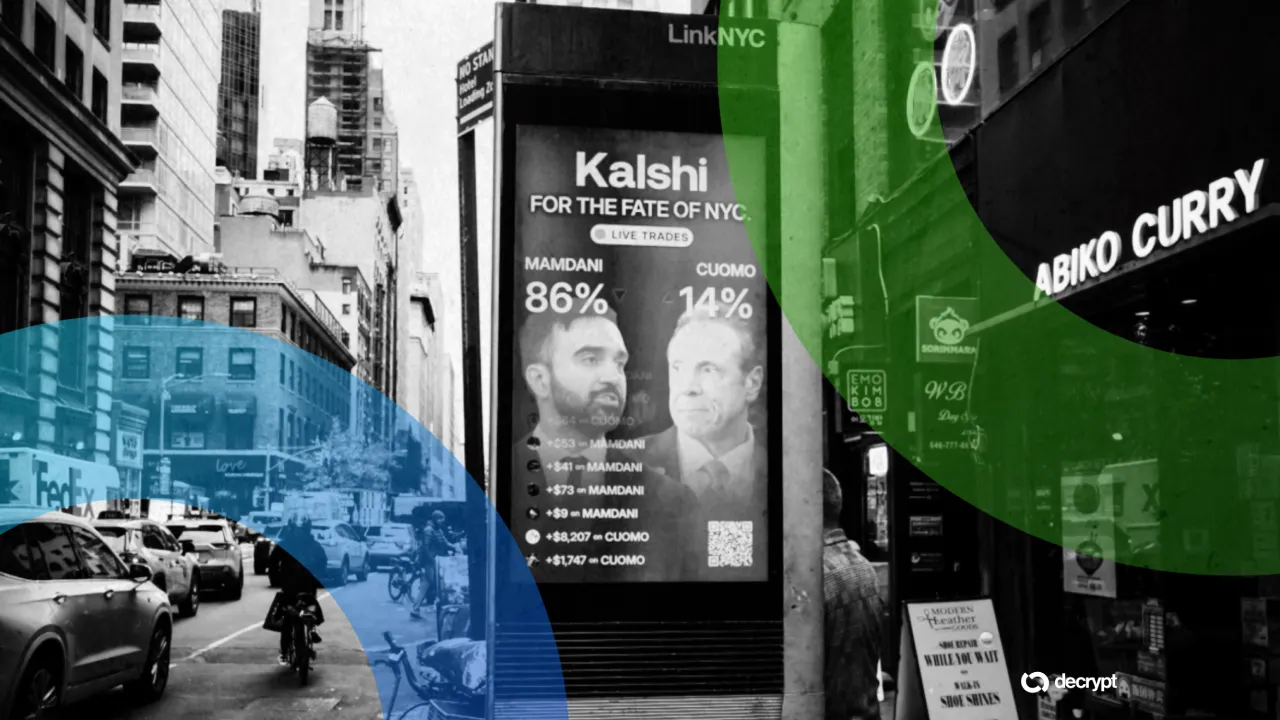
    The Commodity Futures Trading Commission (CFTC) invoked its emergency authority on Tuesday to order Kalshi to continue trading, following the exchange’s notification of a market emergency. This intervention comes after the New York Attorney General filed a lawsuit seeking to halt Kalshi’s nationwide offering of event contracts and demanding over $36 billion in damages.

    The CFTC’s order directs KalshiEX to operate in line with the Commodity Exchange Act, the federal standards governing designated contract markets. The exchange had notified the CFTC of a market emergency on July 31, the same day New York Attorney General Letitia James filed her petition in state court. The lawsuit seeks a restraining order to prevent Kalshi from offering event contracts across the country and claims damages exceeding $36 billion, according to the petition.

    CFTC Chairman Michael Selig criticized the New York Attorney General’s action, stating that the state is attempting to regulate interstate financial markets under state gaming laws. According to CFTC Chairman Michael Selig, New York wanted event contract derivatives to “waste away under its iron curtain of state gaming laws” before any final ruling. He argued that exchanges matching bids in one state against offers in another, and clearing trades centrally, constitute interstate financial venues rather than gambling operations. “New York has no business regulating these interstate financial markets,” Selig stated, adding that Congress did not intend for derivatives exchanges to be subject to a patchwork of state gaming laws.

    The petition filed by the New York Attorney General reportedly cites Kalshi’s valuation at $22 billion and its annualized trading volume at $178 billion. The petition treats Kalshi as an unlicensed gambling business across eight counts, seeking three times its gains and $100,000 for every sports wagering offer.

    Kalshi has faced previous legal setbacks. On July 7, a judge in the Southern District of New York denied Kalshi a preliminary injunction against the state gaming regulator. Further, on July 27, a judge refused protection pending appeal for the exchange. In June, Michigan restrained Kalshi’s sports markets, and in July, Washington obtained a preliminary injunction against the platform.

    The CFTC has indicated it has sued nine states and has filed amicus briefs in the Sixth and Ninth Circuits, as well as before the Supreme Judicial Court of Massachusetts. President Donald Trump has publicly supported the CFTC’s stance, describing state officials who oppose prediction markets as “SCUM.”

    Significant uncertainties remain regarding the ultimate outcome of the New York lawsuit and the broader regulatory status of event contracts. The legal definition of these instruments as interstate financial markets versus gambling operations is a central point of contention, and the resolution of the CFTC’s lawsuits against nine states is also pending.

    The CFTC’s intervention highlights a critical juncture in the regulation of novel financial instruments, signaling a potential federal stance against state-level attempts to classify and regulate these markets as gambling. However, the legal challenges and jurisdictional conflicts underscore the ongoing debate over federal versus state authority in financial market oversight.

    Why This Matters

    The materials describe a narrow update: The CFTC used its emergency authority to order Kalshi to continue trading. The ultimate outcome of the New York lawsuit against Kalshi.

    Broader Context

    Source materials place the factual news in this context: The Commodity Futures Trading Commission has invoked its emergency authority to order Kalshi to carry on trading, acting on Tuesday after the exchange itself notified the agency of a market emergency.

  • SEC Proposes New Crypto Rules, Charting Independent Path Amid Legislative Delays

    SEC Proposes New Crypto Rules, Charting Independent Path Amid Legislative Delays

    The U.S. Securities and Exchange Commission (SEC) is set to consider proposing new rules for crypto investment contracts during an open meeting on August 14. This initiative marks an independent regulatory effort by the agency, proceeding while legislative efforts like the CLARITY Act face significant delays in Congress. The SEC’s process for finalizing new rules is typically extensive, requiring an estimated 12 to 18 months from the initial proposal through public comment periods, economic analysis, potential revisions, and a final vote.

    The SEC’s decision to advance rule proposals independently underscores its commitment to addressing the evolving digital asset landscape. This action occurs as the CLARITY Act, intended to provide regulatory clarity for digital assets, encounters procedural obstacles. Senate Majority Leader John Thune has filed cloture on the motion to proceed to the CLARITY Act, scheduling a procedural vote for September 15. This vote requires 60 votes to advance, and negotiators are still working to resolve disagreements concerning the bill’s stablecoin provisions and a bipartisan ethics agreement.

    In March, the SEC and the Commodity Futures Trading Commission (CFTC) jointly issued an interpretation establishing a five-category token taxonomy and defining the parameters for crypto investment contracts. While the upcoming SEC meeting notice did not specifically reference this interpretation, crypto investor Mark Chadwick suggests it could pave the way for rules allowing projects to issue tokens without the full burden of IPO-style registration. According to Coinbase’s chief policy officer, Faryar Shirzad, this effort demonstrates that “the work of bringing clear rules to digital assets isn’t waiting on Congress.”

    Further regulatory activity includes the CFTC’s new Innovation Advisory Committee, comprising representatives from firms such as Coinbase, Ripple, Robinhood, Kraken, Gemini, Polymarket, Kalshi, CME, and Nasdaq, which will hold its inaugural meeting on August 20.

    Despite these developments, considerable uncertainty persists. The SEC’s proposed rules are in their preliminary stages and will undergo a lengthy approval process. Likewise, the outcome of the CLARITY Act’s procedural vote on September 15 remains uncertain. Senator Cynthia Lummis, a sponsor of the bill, has voiced frustration over the legislative delays. Figures like Michael Saylor maintain that Bitcoin’s clarity is independent of the CLARITY Act, while Grayscale has proposed that regulators can address critical areas like custody, tokenized securities, and trading rules independently if Congress is unable to pass legislation this year.

    It is important to note that the SEC’s upcoming meeting is focused on considering rule proposals, not on finalizing or enacting rules. The entire regulatory process is anticipated to span well over a year, separate from the legislative timeline of the CLARITY Act, which faces an uncertain future.

    Why This Matters

    The materials describe a narrow update: The SEC will hold a meeting on August 14 to consider proposing new rules for crypto investment contracts, offering a tailored path for certain offerings. Whether the SEC’s proposed rules will be formally adopted.

    Broader Context

    Source materials place the factual news in this context: The announcement lands just days after the Senate pushed its next procedural vote on the CLARITY Act to mid-September, leaving federal regulators to press ahead on their own while lawmakers work out what’s left of the bill’s disputes.

  • SEC to Consider Proposed Rule for Crypto Capital Raises Amid Legislative Uncertainty

    SEC to Consider Proposed Rule for Crypto Capital Raises Amid Legislative Uncertainty

    The Securities and Exchange Commission (SEC) is scheduled to hold an open meeting on Friday, August 14, at 10 a.m. ET, to consider proposing new rules that would establish a tailored framework for certain digital-asset offerings. This potential formal rule could allow crypto projects to raise capital without undergoing the traditional securities registration process, marking a significant development distinct from previous staff statements.

    The SEC’s move towards a formal rulemaking process appears to be a response to the legislative stalemate in the Senate. The Digital Asset Market Clarity Act, intended to provide a legal foundation for the U.S. crypto market structure, did not advance before the Senate’s August recess. According to TD Cowen analyst Jaret Seiberg, this rulemaking is the agency’s answer to that stall.

    A formal rule carries more weight and durability than the stream of staff statements the SEC has issued this year concerning cryptocurrency staking, airdrops, and mining. These statements, while clarifying the agency’s stance, do not legally bind the SEC in the long term. A completed regulation, however, would be codified and remain on the books beyond any single chair’s tenure.

    The proposed framework, as understood from source claims, would permit developers to raise capital for a project without triggering registration requirements, provided they subsequently remain hands-off from the project’s active management. This offers a potential path for founders to exit SEC jurisdiction once control has been relinquished.

    SEC Chair Paul Atkins has previously advocated for an approach that includes a “Regulation Crypto Assets” strategy and a safe harbor for startups. He has described a potential startup exemption that could last up to four years. However, specific fundraising thresholds for any proposed exemption have not yet been published.

    Traders on the platform Myriad are currently placing 22% odds on the Digital Asset Market Clarity Act passing this year, indicating a degree of uncertainty surrounding legislative progress. The SEC’s proposed rule could offer a more immediate and structured regulatory path for the industry.

    Several uncertainties remain regarding the proposed rules. It is not yet clear whether the proposed rules will be opened for public comment, nor have the exact details of the tailored framework been fully disclosed. The SEC has not formally approved a new registration exemption for crypto projects, and crypto projects are not yet exempt from securities registration.

    The meeting notice regarding this open session was posted on August 10, in accordance with the Sunshine Act.

    Why This Matters

    The SEC will hold an open meeting to consider proposing new rules that would create a tailored framework for certain digital-asset offerings, potentially allowing crypto projects to raise capital without registering securities. The specific fundraising thresholds for the proposed exemption have not been published.

    Broader Context

    The Senate left for its August recess without advancing the Digital Asset Market Clarity Act, the bill meant to set a legal foundation for U.S. crypto market structure.

  • Zuckerberg’s Meta AI: XRP Poised for 2027 Breakthrough

    Zuckerberg’s Meta AI: XRP Poised for 2027 Breakthrough

    Meta AI Forecasts Significant XRP Revaluation Amidst Regulatory and Banking Developments

    Artificial intelligence from Meta is predicting a substantial shift in the valuation of XRP, suggesting the cryptocurrency is currently mispriced. The AI model posits that XRP could reach $1.01 in the short term, with a more ambitious outlook projecting a price range of $7 to $9 by the end of 2027, and a potential stretch case of $12 to $15.

    Regulatory Clarity Paves the Way for Institutional Adoption

    The foundation for this optimistic forecast appears to be rooted in recent regulatory advancements. Ripple’s settlement of its five-year legal battle with the U.S. Securities and Exchange Commission (SEC) in August 2025 for $125 million, which included the dropping of all appeals, confirmed that retail sales of XRP are not considered securities. Meta AI has characterized this as establishing the “clearest regulatory status in U.S. crypto.”

    Following this landmark settlement, six spot XRP Exchange Traded Fund (ETF) applications were filed. Analysts anticipate these products could attract between $5 billion and $8 billion in first-year inflows, signaling a significant institutional on-ramp that underpins the bullish thesis for XRP. Early ETF products are already experiencing net inflows, further validating this trend.

    Ripple’s Banking Ambitions and RLUSD Stablecoin

    Beyond regulatory clarity, Ripple is pursuing a more ambitious strategy by applying for a U.S. national bank charter and a Federal Reserve Master Account. This would enable Ripple to hold reserves for its stablecoin, RLUSD, directly with the Fed. RLUSD, backed by BNY Mellon, is designed for ISO 20022 compliant settlements. Ripple is also set to expand its presence in Japan through a partnership with SBI Holdings by early 2026.

    The company’s acquisitions of The Rail and Hidden Road are contributing to the development of a robust, bank-grade infrastructure. This ecosystem positions RLUSD as the settlement stablecoin, while XRP is intended to function as the native liquidity asset on the ledger.

    Bear Case: Timing and Market Inertia

    The primary concern for XRP’s performance, according to the bear case, is timing. If ETF inflows fall short of expectations and the broader market experiences sideways trading into 2026 without significant catalysts, XRP could remain range-bound between $1.50 and $2.50. In this scenario, regulatory clarity would be acknowledged but not yet fully monetized by the market.

    Technical Analysis: Chart Reflects Current Downtrend

    Current technical indicators do not yet support the optimistic price predictions. XRP traded above $3.30 in August of the previous year and has experienced a consistent decline since. A sharp drop occurred in October, bringing the price towards $2.40. By February, XRP fell below $1.80, reaching lows near $1.15.

    The spring saw XRP trading within a range of $1.30 to $1.55. This range was broken in June, and the downward trend has persisted. July and August have witnessed a slow but steady decline, with the price currently at its lowest point on the observed chart.

    The latest closing price was $1.02208, down 0.69% for the day. The trading session ranged from $1.01505 to $1.04020. Immediate support is identified at $1.01, followed by a psychological floor at $1.00. Resistance levels are noted at $1.10, $1.20, and $1.40.

    The Relative Strength Index (RSI) stands at 37.09, with its signal line at 41.54. The oscillator’s position, trailing the signal line by approximately 4.5 points, suggests that sellers currently maintain control of the market. This reading is approaching oversold territory but has not yet entered it, indicating weak and downward-trending momentum.

    Meta AI’s analysis highlights the ongoing development of infrastructure, which the current market price has yet to reflect. A reclaim of the $1.10 level would be the initial indication that this disconnect is beginning to narrow.

  • North Korea Exploits Crypto Crime for Laundering: RUSI

    North Korea Exploits Crypto Crime for Laundering: RUSI

    North Korea is increasingly funneling stolen cryptocurrency through money-laundering networks shared with scam syndicates and organized crime, making it harder for investigators to trace the illicit funds, according to a research paper published this month by the Royal United Services Institute (RUSI), a British defense and security think tank.

    The regime is estimated to have stolen at least $2.8 billion in virtual assets between January 2024 and September 2025, funds that the paper suggests are likely used to support its weapons programs. Authors Allison Owen and Noémi També focused their analysis on the critical stage where these digital assets are converted into usable cash, rather than the more widely documented movement through decentralized services.

    Ownership of the stolen cryptocurrency frequently changes hands before conversion. In some instances, a third party will purchase the illicit coins outright at a discounted rate. One investigator cited in the paper indicated that such a transfer of ownership can be inferred when the stolen funds are found mixed with proceeds from activities like “pig butchering” investment scams, or when they appear at addresses linked to entities such as Cambodia’s Huione Group, whose infrastructure was seized by the U.S. Justice Department in June. Elliptic, a firm that provided data for the research, believes these handovers often occur on the Bitcoin blockchain.

    Following the February 2025 Bybit hack, incident responders at ZeroShadow observed the North Korean regime relying on a complex network of launderers, over-the-counter (OTC) desks, and peer-to-peer traders. Many of these individuals are reportedly Chinese nationals working around the clock. TraderTraitor, the North Korean hacking group implicated in the theft, allegedly utilized Chinese organized crime groups to facilitate the movement of funds and the subsequent return of cash.

    This overlap between North Korea’s illicit finance activities and criminal ecosystems presents a significant challenge for compliance teams, as the markers of proliferation finance become difficult to distinguish from ordinary money laundering once the proceeds enter these networks.

    The accounts used for cashing out the cryptocurrency typically belong to individuals recruited as mules, primarily from the Philippines, Indonesia, and China. In these regions, credentials can be acquired cheaply enough to allow for bulk purchases and the opening of numerous accounts at scale. Interviewees indicated that these mules generally have no further involvement or knowledge of who they are ultimately working for.

    The conversion process is often conducted in small increments. Actors are observed selling approximately $7,000 worth of stablecoins at a time on peer-to-peer marketplaces, amounts designed to fall below thresholds that would trigger bank reviews. ZeroShadow also noted that larger sums, such as those from the Bybit hack, were broken down into $30,000 chunks to minimize the impact of potential asset freezes. Further indicators of suspicious activity at exchanges include logins via Astrill VPN and the filing of 50 to 70 support tickets by launderers to expedite the release of single held transactions.

    The conversion to fiat currency rarely occurs through simple bank transfers. Proceeds from OTC brokers are frequently deposited into accounts controlled by North Korea, often using UnionPay cards issued by Chinese banks. The RUSI paper identifies 19 Chinese banks that were flagged last year by the Multilateral Sanctions Monitoring Team as being used by the North Korean regime and its proxies.

    Of the approximately $1.5 billion stolen from Bybit, 95% was initially moved through decentralized services. The monitoring team reported that by September 2025, all of these funds had been converted into fiat or hard currency.

    The authors of the report are calling for enhanced regulatory guidance on correspondent banking relationships between exchanges, standardized customer onboarding questionnaires, secure channels for intelligence sharing, and the implementation of a Virtual Asset Service Provider (VASP) identifier in payment messages. This would enable receiving banks to more easily identify and flag suspicious transactions.

    The limited success in recovering stolen assets is evident in Bybit’s recent actions. The exchange announced Monday that it had sued North Korea and obtained an order freezing identified assets. Bybit has recovered $48.4 million and frozen an additional $30.5 million, collectively representing about 5% of the total amount stolen.

  • CLARITY Act Vote Stalls on Procedure, Not Final Decision

    CLARITY Act Vote Stalls on Procedure, Not Final Decision

    Senate Banking Committee Advances CLARITY Act Amidst Uncertain Future

    The CLARITY Act has cleared a significant hurdle, passing the Senate Banking Committee with a comfortable 15-9 bipartisan vote. However, its journey to becoming law is far from assured, with analysts now estimating a 75% chance of the bill failing to reach a final vote.

    This assessment comes from Jaret Seiberg, an analyst at TD Cowen Washington Research Group, who noted in a policy brief on August 10 that the CLARITY Act has shifted from a likely legislative victory to a highly uncertain prospect heading into September.

    The bill’s prospects have become a focal point for market participants, with traders on Kalshi placing bets on its passage by July 1, 2027. This market saw a 2% increase overnight, currently standing at 35%.

    The Digital Asset Market Clarity Act’s Objectives

    The Digital Asset Market Clarity Act (H.R. 3633) aims to establish a clear division of federal oversight for digital assets between the Securities and Exchange Commission (SEC) and the Commodity Futures Trading Commission (CFTC). Under the proposed legislation, digital commodities would fall under the CFTC’s purview, while assets deemed investment contracts would be regulated by the SEC.

    Senator Cynthia Lummis (R-WY) released updated text for the bill on July 22, underscoring the urgency of its passage. She described it as “the last real chance…to get this right.” Senate Agriculture Committee Chairman John Boozman (R-AR) highlighted the bill’s role in providing a clear regulatory framework for digital commodities. Meanwhile, Banking Committee Chairman Tim Scott (R-SC) emphasized its importance in protecting retail investors and combating illicit finance. Despite initial momentum, including the committee vote, progress in the Senate has stalled.

    SEC Initiates Crypto Rulemaking as Senate Recesses

    In a significant development, the SEC is poised to commence its first major cryptocurrency rulemaking process this week, following the Senate’s failure to pass the CLARITY Act before the August recess. The SEC is scheduled to meet on August 14 to propose “Regulation Crypto.” This proposal could potentially establish a legal pathway for certain digital assets.

    Procedural Hurdles and Potential Failure Scenarios

    Seiberg’s projection of a 75% failure rate, as reported by Bitcoin.com News, emerged after Senate Majority Leader John Thune filed for cloture on August 8. While an initial cloture vote is scheduled for September 15 at 2:15 p.m. ET, this procedural step does not guarantee the bill’s ultimate passage. Several potential scenarios could lead to its demise:

    With Republicans holding 53 seats, at least seven Democrats or independents would need to support the cloture motion for it to pass. Unresolved disputes concerning stablecoin yields, anti-money-laundering provisions, and regulatory authority continue to be points of contention.

    TD Cowen maintains that the bill is not definitively dead, but its path forward has become considerably more challenging. The most plausible route to passage would involve the initial cloture motion securing more than 60 votes. This would be followed by Democrats bringing their preferred ethics compromise to a floor vote. Should that amendment fail by a simple majority, crypto-friendly Democrats might then support final passage, having formally registered their objection.

    A less probable scenario involves the White House negotiating its own ethics agreement with Democrats to garner sufficient votes. A “lame-duck” scenario is also a possibility, but it would only materialize if Republicans retain control of both chambers of Congress beyond the midterm elections, pushing any resolution well past the current fall trading season.

    Market Implications of Delayed Clarity

    For traders anticipating a near-term regulatory catalyst, the extended timeline is a critical factor. Even the most optimistic outlook does not foresee regulatory clarity for cryptocurrencies arriving in September.

    Assets most sensitive to the SEC/CFTC market structure outcome appear to have already factored in this delay. XRP, which stands to benefit directly from a codified digital commodity classification under CFTC oversight, has experienced a softening of ETF inflows, mirroring the postponed regulatory timeline. This pattern has been observed previously, with price reactions documented after each procedural setback, including earlier postponements of Senate votes.

    The market’s reaction function on September 15 will be instructive. A clean cloture passage, accompanied by visible follow-through, amendment votes, and a clear path to final passage, would likely be interpreted as a significant de-risking event for tokens sensitive to market structure. Conversely, a cloture vote that is either postponed or yields no subsequent action would reinforce the bill’s drift toward TD Cowen’s base case, potentially leading to a reversal of gains for assets that had priced in regulatory tailwinds.

  • UK Lawmakers Grill Banks on Crypto Account Bans

    UK Lawmakers Grill Banks on Crypto Account Bans

    Parliamentarians Query UK Banks on Crypto Account Access

    Lawmakers on Parliament’s Crypto and Digital Assets All-Party Parliamentary Group (APPG) have formally requested that the chief executives of all major UK banks outline their policies regarding crypto and digital asset firms.

    The inquiry, initiated by Labour MP Gurinder Singh Josan and Lord Vaizey of Didcot, a former minister for the digital economy, stems from numerous reports of crypto and digital asset businesses encountering significant hurdles in opening bank accounts within the UK. The group has also received accounts of several banks imposing restrictions on crypto-related transactions.

    “Access to banking services represents one of the most substantial impediments to the growth of UK crypto and digital asset businesses, and could potentially jeopardize the success of the UK’s upcoming crypto regime,” the co-chairs stated in their letter. They further cautioned that limited banking access could influence investment decisions for firms considering the UK market.

    The letter poses six specific questions to each bank: their current policy on crypto firms, the reasons for not serving such businesses if they are currently excluded, any transaction limits imposed on crypto-related activities, the underlying factors influencing these decisions, whether the forthcoming regulatory regime will alter their approach, and what measures the government or regulators could implement to assist.

    Josan and Vaizey acknowledged the legal obligations banks face in combating financial crime and safeguarding consumers. However, they highlighted that many firms contend that banking decisions should be based on an individual company’s risk profile rather than the sector in which it operates. Lord Vaizey described the current situation to the Financial Times as “an unnecessary piece of friction” for businesses and a notable obstacle for entrepreneurs establishing companies in the UK.

    Several prominent UK banks, including HSBC, Nationwide, NatWest, Santander, and Starling, have curtailed crypto-related payments in recent years. Research published in January by the UK Cryptoasset Business Council indicated that banks were blocking or delaying approximately 40% of attempted transfers to crypto exchanges.

    According to reports, banks cite an increase in crypto-related scams and the potential for retail customers to incur substantial losses due to market volatility as reasons for these measures. HSBC, NatWest, Monzo, and Nationwide reportedly impose monthly transfer caps of between £5,000 and £10,000 to crypto exchanges, while Starling and Chase UK have implemented outright bans. It is also noted that crypto losses are not covered by the Financial Services Compensation Scheme.

    HM Treasury has acknowledged the issue. Economic Secretary Lucy Rigby informed Parliament in March that under the new regulatory framework, the government “would not expect” FCA-licensed firms to face banking restrictions “simply because of the sector they belong to.”

    This letter follows the APPG’s formal inquiry into banking access, which commenced on July 21 and is currently accepting written evidence until August 31 before submitting its findings to the government. The co-chairs emphasized that the letter is not intended to pre-empt the outcomes of this inquiry. The Financial Conduct Authority (FCA) finalized its rules for the sector in June, with the new regime set to become mandatory in October 2027.

    The challenge of “debanking” for crypto businesses is not unique to the UK. In the United States, some firms have attributed a reduction in banking relationships to a perceived pressure campaign, which they refer to as “Operation Chokepoint 2.0.” In one instance, crypto exchange Kraken reportedly won $22 million from an auditor it claimed abandoned the company during this period.

  • Brazil’s Crypto Market Faces October Licensing Deadline

    Brazil’s Crypto Market Faces October Licensing Deadline

    Brazil, a global powerhouse in cryptocurrency adoption, is poised for a significant regulatory overhaul as its authorities set a firm deadline for bringing the sector under formal supervision. A new report from blockchain security firm CertiK details the impending rules and their implications for businesses and users within this burgeoning market.

    Brazil ranks fifth worldwide in cryptocurrency adoption, according to Chainalysis data cited in the report. Between July 2024 and June 2025, the country saw $318.8 billion in on-chain value. Notably, nearly one-third of all cryptocurrency activity in Latin America flowed through Brazilian platforms and wallets, a volume roughly double that of Argentina and Mexico combined.

    A New Regulatory Era Dawns

    With the October 30, 2026, authorization deadline looming, Virtual Asset Service Providers (VASPs) in Brazil face a fundamental shift. Compliance is no longer a matter of stated intentions but a requirement to demonstrate robust security, governance, and operational readiness.

    The new regulatory framework is anchored in Law 14,478/2022, the Legal Framework for Virtual Assets. The Central Bank of Brazil (BCB) solidified this by publishing three key resolutions on November 10, 2025. These resolutions delineate licensing requirements, establish minimum capital thresholds, and integrate crypto activities with the nation’s foreign exchange regulations.

    Proving Compliance: The New Standard

    Any entity facilitating cryptocurrency trading, custody, or transfers—classified as a Virtual Asset Service Provider (VASP)—must apply for authorization by October 30, 2026. A critical component of this application is a “reasonable assurance report” from an audit firm registered with the securities regulator. This report must attest to the effectiveness of the firm’s anti-money laundering and sanctions compliance measures. Simply claiming adherence to regulations will no longer suffice; independent verification is now mandatory.

    Significant Entry Barriers

    The financial commitment to operate legally is substantial. Minimum capital requirements range from approximately R$10.8 million to R$37.2 million (roughly $2 million to $6.7 million), varying by license category. Furthermore, the BCB prohibits VASPs from using co-working spaces as their registered office. The CertiK report estimates that approximately 120 providers currently serve the Brazilian market, many of which operate without formal licensing.

    Onshoring Operations for Foreign Firms

    International companies that have served the Brazilian market from offshore entities are required to establish local operations within 270 days. The regulatory perimeter is clearly defined, aiming to end the model of operating with a Portuguese-language website, global liquidity, and no physical presence in Brazil.

    The “Stablecoin Nation” and Monetary Policy

    Brazil is characterized in the report as a “Stablecoin Nation.” Approximately 80% of declared crypto volume is transacted through dollar-pegged tokens, with USDT alone accounting for 88.7% of this flow. Total stablecoin activity reached R$1.13 trillion between 2019 and 2025. As previously reported, Tether’s USDT is already accessible at 24,000 ATMs nationwide, even as regulatory scrutiny has intensified over years, marked by exchange closures and ATM expansions.

    This significant reliance on foreign currency, whether direct or indirect, explains the Central Bank’s deep involvement in cryptocurrency regulation. CertiK argues that when a substantial portion of crypto transactions involves instruments pegged to foreign currencies, the issue transcends consumer protection and becomes a matter of monetary policy. This fundamental point, the report suggests, underlies the Central Bank’s leading role, the emphasis on foreign exchange and cross-border flows, and the anticipation of further stablecoin-focused regulations.

    Industry Vulnerabilities and Operational Risks

    According to CertiK’s Hack3d tracking, which has been covered previously, the industry lost $1.32 billion to hacks and exploits across 344 incidents in the first half of 2026. Wallet compromises accounted for $444.5 million of these losses, while phishing attacks resulted in $366.3 million. The two largest incidents, Kelp DAO ($291 million) and Drift Protocol ($285 million), stemmed from operational and infrastructure failures rather than vulnerabilities in smart contracts.

    Underestimating the Regulatory Hurdle

    Marcos Rocha of Veirano Advogados, a law firm that has advised on licensing applications, noted that the market has underestimated the complexity of the new requirements. “The most common issue we have observed is the underestimation of the complexity and timing involved in preparing an authorization application,” he stated, adding that the review process will be “thorough, detailed, and highly technical.”

    Antônio Neto, Head of Growth LATAM at the Solana Foundation, observed a growing trend of projects opting to operate under an already licensed VASP rather than pursuing their own licenses. He believes the Brazilian market is “structurally moving onto the regulated rail.”

    Consolidation and Acquisition as a Strategy

    The capital floor and the assurance bottleneck are expected to reshape the competitive landscape. The report posits that a license will become a valuable asset, and the acquisition of an already authorized local operator will emerge as the quickest entry route for foreign firms. This pattern has been observed in other jurisdictions following the implementation of regulatory frameworks like Europe’s MiCA and Dubai’s VARA, where unlicensed activity has migrated to compliant entities.

    Navigating the Gray Areas

    The report also highlights areas of regulatory ambiguity. Non-custodial wallets, DeFi front-ends, and tokenized securities are flagged as potential gray zones. The securities regulator (CVM) maintains that these remain within its purview, irrespective of the underlying blockchain technology. The CVM has explicitly stated that a tokenized share is still considered a share.

    The CertiK report concludes that Brazil’s crypto market is entering an era where “the ability to prove replaces the ability to promise.” For the approximately 120 providers currently serving Brazilian users, the deadline to submit applications to the Central Bank, complete with an independent assurance report, is October 30, 2026.

  • Grayscale: Crypto’s Plan B Without Clarity Act

    Grayscale: Crypto’s Plan B Without Clarity Act

    CLARITY Act Stalled, Grayscale Outlines Crypto’s Path Forward

    The CLARITY Act has been caught in political limbo as lawmakers depart for their August recess, prompting Grayscale to detail a potential roadmap for the U.S. cryptocurrency industry should Congress fail to enact the long-awaited market structure legislation this year.

    While acknowledging that a delay would initially represent a setback, the digital asset manager believes a path forward exists. Grayscale has previously commented on the bill’s potential and, in its latest analysis, conceded that an agreement within the current year remains technically feasible. However, the realities of the Senate’s schedule and the approaching midterm elections have made official passage increasingly challenging.

    The report emerges as Senate Majority Leader John Thune filed for cloture on the motion to proceed with the legislation before lawmakers left Washington last week. This procedural vote is slated for September 15 and requires 60 votes to succeed. Crucially, this is not a final vote on the bill itself, but rather a determination of whether senators can move forward to formally consider it.

    Should this procedural hurdle not be cleared, Grayscale argues that Washington possesses alternative avenues to advance crypto regulation, even in the absence of comprehensive congressional action. Foremost among these is the role of regulatory agencies.

    Both the Commodity Futures Trading Commission (CFTC) and the Securities and Exchange Commission (SEC) have demonstrated a more accommodating stance toward the crypto industry in recent years. These bodies can continue to develop rules and interpretations governing the market, even if Congress remains inactive.

    Nevertheless, these regulators face limitations in their ability to achieve significant progress without new legislation, particularly concerning the establishment of clear and permanent jurisdictional boundaries between them. Despite these constraints, they can still address key industry inflection points, including tokenized securities, custody, and trading.

    On a more positive note, institutional involvement in the crypto space has surged over the past few years, driven by the introduction of spot ETFs, stablecoins, tokenized real-world assets (RWAs), and increasing Wall Street participation, all occurring while the CLARITY Act remains in legislative flux. Zach Pandl, Grayscale’s Head of Research, highlighted that the GENIUS Act already provided a federal framework for payment stablecoins, which he described as a significant achievement.

    The bill’s stagnation at the close of the business week was a blow to the industry, though Thune’s cloture filing offered a glimmer of hope. However, several critical issues persist, including ethical disagreements, rules surrounding illicit finance, and specific language originating from the Senate Agriculture Committee.

    Republicans currently lack sufficient votes to advance the legislation independently, even with unanimous support from their party, as they require at least seven votes from Democrats or independents. These persistent difficulties, with no clear resolution in sight, have diminished expectations for the bill’s passage this year, leading Galaxy Research to reduce its probability estimate from 50% to just 30%.