Tag: Regulation & Policy

  • CLARITY Act Vote Delayed in Senate Until September Amidst Political Divisions

    CLARITY Act Vote Delayed in Senate Until September Amidst Political Divisions

    The US Senate will not vote on the CLARITY Act, a significant piece of legislation concerning cryptocurrency market structure, before their August recess. Consideration of the bill is now expected in September, following the Senate’s return.

    According to a spokesperson for Senate Majority Leader John Thune, Democrats remain opposed to holding a vote before the recess. This delay introduces a period of continued regulatory ambiguity for the crypto industry, which has been awaiting clearer legislative frameworks. The bill requires 60 votes to advance in the Senate, necessitating bipartisan support. Currently, the path to securing such a majority appears challenging due to political divisions.

    Reasons for the Delay

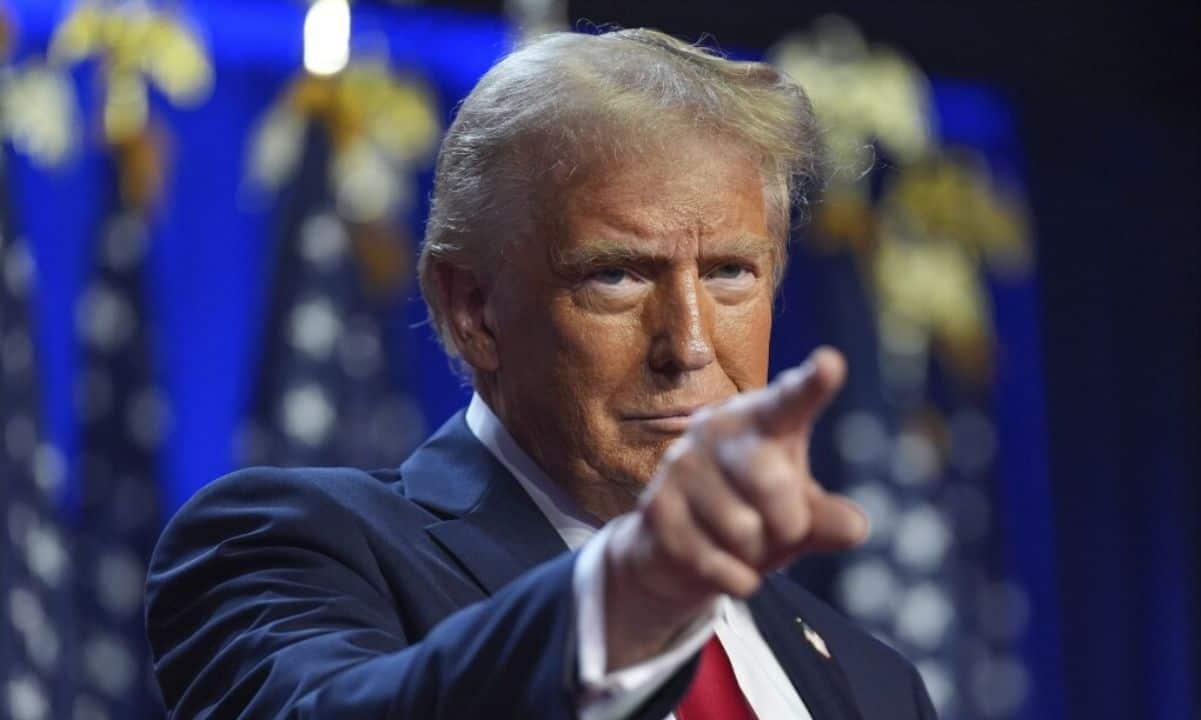
    Democrats are reportedly pushing for stronger safeguards to prevent potential financial benefits for President Donald Trump from the cryptocurrency market while he is in office. Additionally, some Republicans have expressed concerns. Senator Josh Hawley has stated he will oppose the bill unless issues raised by community banks are addressed. These differing viewpoints highlight the complex political landscape surrounding the CLARITY Act.

    Legislative Hurdles and Next Steps

    Even if the CLARITY Act were to pass the Senate, it would still need to return to the House of Representatives for approval before being sent to the President. This multi-step legislative process underscores the hurdles the bill faces.

    Potential Implications and Industry Outlook

    Industry observers suggest that while the delay might cause short-term market fluctuations, it does not necessarily derail the long-term growth prospects of the crypto sector. Matt Hougan, Chief Investment Officer at Bitwise, noted that missing the August vote would not be a critical blow and that the legislation could be revived later in the year. He indicated that the primary concern for institutional investors is the ongoing uncertainty surrounding the bill. Hougan believes that a clearer regulatory outlook, once achieved, could ultimately boost confidence and support a stronger crypto rally.

    Market Reaction

    Major cryptocurrencies showed a muted reaction to the news. On Friday, Bitcoin was trading around $64,100, while Ethereum slipped below $1,900. XRP experienced a decline of over 2.5%, trading at $1.02. BNB fell 1.4% to $587, and Solana decreased by more than 1.7% to $72.6.

    The postponement of the CLARITY Act vote means that senators have additional weeks to gather the necessary support. However, the specific nature of the safeguards sought by Democrats and the resolution of community bank concerns remain key uncertainties that may influence the bill’s future progress.

    Why This Matters

    The materials describe a narrow update: The US Senate will not vote on the CLARITY Act before their August recess, postponing consideration until September. Whether the CLARITY Act will gather sufficient support (60 votes) in the Senate.

    Broader Context

    Source materials place the factual news in this context: The industry’s biggest legislation has faced yet another setback.
  • SEC Buys Billion Airline Records for Traveler Tracking, Warrant Unlikely

    SEC Buys Billion Airline Records for Traveler Tracking, Warrant Unlikely

    SEC Purchased Access to Vast Airline Passenger Database

    The U.S. Securities and Exchange Commission (SEC) acquired access to a global airline ticketing database containing over one billion records, according to SEC documents obtained by 404 Media through a Freedom of Information Act request.

    The data originated from the Airlines Reporting Corporation (ARC), a central clearinghouse co-owned by American, Delta, and United airlines. ARC acts as an intermediary between carriers and travel agencies, and also resells booking information from platforms such as Expedia and Kayak.

    The records included passenger names, credit card details used for ticket purchases, departure and arrival cities, and flight numbers. Furthermore, the SEC’s subscription encompassed an alert system designed to cross-reference new bookings against a list of individuals under monitoring. This system flagged travel within the preceding 24 hours, with the agency requesting between one and 25 such alerts daily.

    Crucially, no court order was required for this data acquisition. The government reportedly purchased the information directly, bypassing the need for a warrant.

    Data Acquisition Raises Surveillance Concerns

    The SEC, primarily a financial regulator tasked with protecting American consumers from insider trading, fraud, and market manipulation, has drawn scrutiny for its procurement of this sensitive travel and payment data. Critics argue that the same digital trail left by airline passengers is strikingly similar to that left by cryptocurrency users, who often link credit cards to exchange accounts and travel for conferences or cross borders. This practice, they contend, blurs the lines between law enforcement and surveillance.

    The move comes as the SEC has reportedly scaled back major cryptocurrency enforcement actions during the second year of the Donald Trump presidency. The data broker workaround allows agencies to circumvent the warrant process they would typically need to obtain such records directly.

    The Internal Revenue Service (IRS) has also been expanding its surveillance of cryptocurrency investors using similar methods. A year-old SEC probe into Coinbase highlighted the agency’s significant interest in user data. The central question, according to observers, is not whether the SEC desires this information, but rather the means by which it is obtained.

    “Data Broker Loophole” Under Fire

    Critics have labeled this practice the “data broker loophole,” enabling agencies to acquire information they cannot legally subpoena. ARC’s Travel Intelligence Program (TIP) had previously supplied similar post-9/11 surveillance infrastructure to the FBI, IRS, and Homeland Security. However, pressure from lawmakers led to its shutdown in 2025.

    The newly released documents reveal that the program’s reach was more extensive than previously understood, encompassing foreign-to-foreign journeys alongside domestic travel.

    ARC defended its program, stating to 404 Media that TIP was established in the aftermath of the September 11, 2001, terrorist attacks. The company asserted that the program “has likely contributed to the prevention and apprehension of criminals involved in… money laundering” and terrorism, noting that money laundering is a frequent charge associated with cryptocurrency activities.

  • Japan Officially Protests U.S. Government’s Unauthorized Use of Anime and Game Intellectual Property

    Japan Officially Protests U.S. Government’s Unauthorized Use of Anime and Game Intellectual Property

    Japanese officials have repeatedly requested that the U.S. government cease the unauthorized use of Japanese intellectual property, such as anime and game characters, in its social media content. These diplomatic complaints, ongoing since March, highlight concerns over copyright infringement and potential damage to the brand image of these popular franchises.

    According to local reports, the Japanese foreign ministry has called out Washington over the unauthorized use of anime and game IP in social media associated with the Trump administration. In April, Foreign Minister Toshimitsu Motegi stated in a parliamentary session that “it’s inappropriate even for public institutions to reproduce copyrighted materials without the rightsholders’ consent.” This statement referenced a pro-war video that reportedly used footage from Nintendo’s Wii Sports.

    Further emphasizing the diplomatic channels being utilized, Cabinet Minister Kimi Onoda said in June that the same principle had been conveyed to the U.S. through diplomatic channels “multiple times.” Per reports from Mainichi, Tokyo asked the administration to consider the potential damage to these intellectual properties when they are used without permission in policy-related or pro-war content.

    Instances of Concern and Backlash

    The U.S. administration’s social media accounts have, over the past year, incorporated Japanese franchises into their content. In September 2025, Homeland Security posted a mash-up combining Pokémon’s Ash Ketchum with ICE raid footage, set to the series’ theme song. The Pokémon Company later stated that permission was never sought for this post.

    More recently, in March, the White House X account posted Wii Sports footage juxtaposed with Iran strike footage. This was followed by a second pro-war clip that wove in elements from Halo, Yu-Gi-Oh!, Dragon Ball, Top Gun, Iron Man, and Braveheart. The backlash was not limited to official channels. Master Chief voice actor Steve Downes and Yu-Gi-Oh!’s official account pushed back against the White House posts. The official Yu-Gi-Oh! account stated on X that its footage was used without the rights holder’s permission and that they were not involved.

    The issue resurfaced in June after President Trump shared an AI-generated video of himself depicted as Naruto on Truth Social. This clip prompted fresh questioning of Minister Onoda on June 12. In response to the Trump post, fan Nana Suzuki reopened a “Protect Japanese Manga” petition on Change.org, which urges measures to stop the use of Japanese manga IP. Suzuki had initially launched the petition earlier, and its reopening was described as an “urgent effort to convey our protest.”

    Brand Risk and Diplomatic Implications

    Japan maintains strict policing of intellectual property, and its creative industries are known for carefully protecting character IP. The Japanese government views unauthorized use by a foreign state as a matter of brand risk, rather than flattery. When established franchises are placed alongside polarizing policies or content, the “damage to a work’s image” that Tokyo warns about is the dilution that rights holders track.

    While these complaints are noted through diplomatic channels and are described as “small in diplomatic terms—notes to an embassy, not a lawsuit,” they land at a sensitive point concerning how the White House communicates. The specific number of times diplomatic channels have been used, the full extent of the damage to the image of the IPs, and whether the U.S. government will fully comply with the requests remain uncertain.

    Why This Matters

    The materials describe a narrow update: Japanese officials have expressed concerns and made repeated requests to the U. The exact number of times diplomatic channels have been used.

    Broader Context

    Source materials place the factual news in this context: Japanese officials have repeatedly asked the U.S. government to stop its meme posting involving Mario, Pokémon, and Naruto.

  • Russia Enacts Comprehensive Digital Currency Law, Legalizing Trading and Custody While Banning Payments

    Russia Enacts Comprehensive Digital Currency Law, Legalizing Trading and Custody While Banning Payments

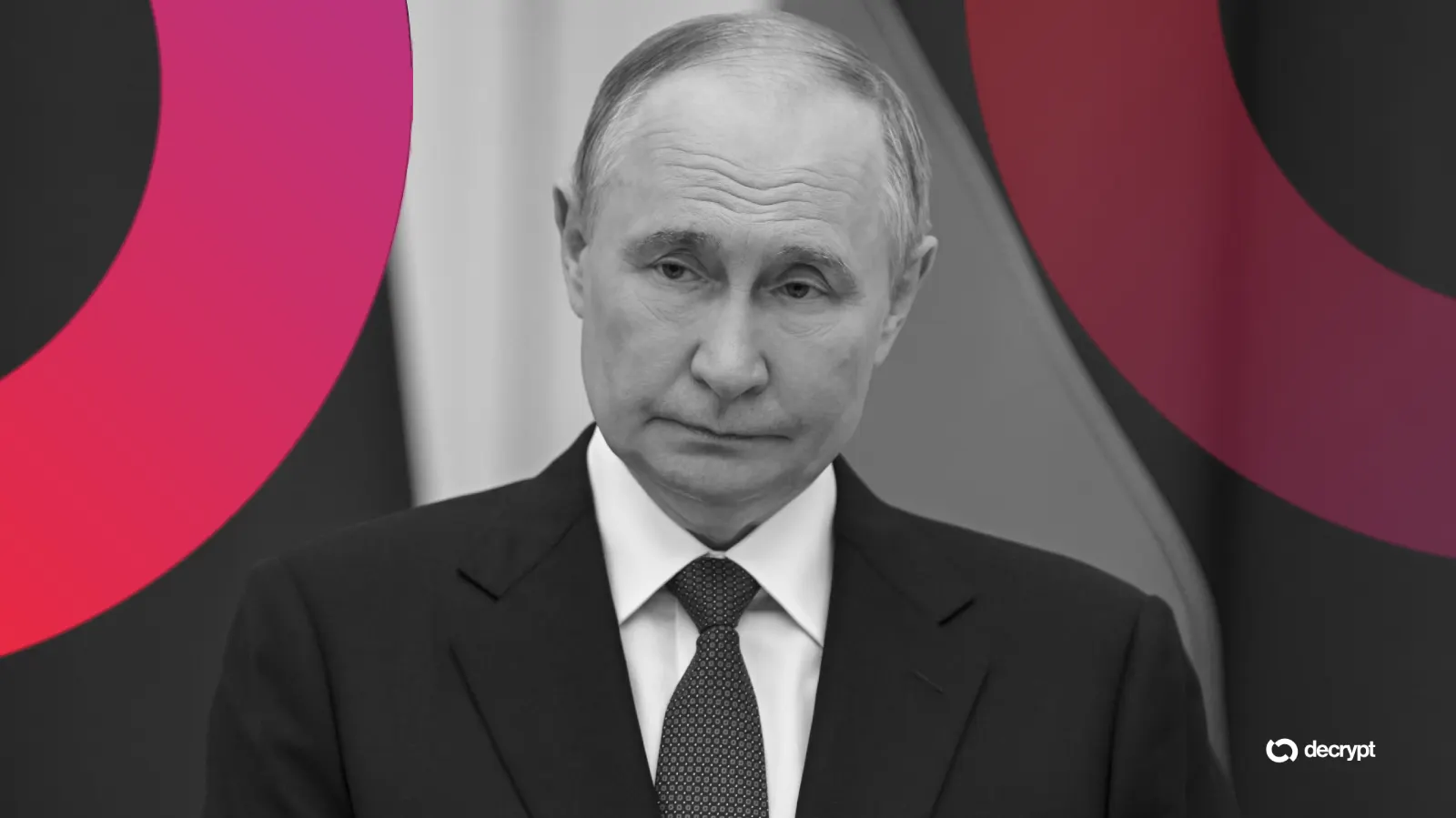
    Russia has enacted its first comprehensive law governing digital currencies, establishing a regulated framework for the trading and custody of digital assets while maintaining a ban on their use for payments. The legislation, signed by President Vladimir Putin, sets the stage for a controlled digital asset market, with most provisions scheduled to take effect on September 1.

    The new law permits the issuance, storage, accounting, and trading of digital currencies. It also formalizes cryptocurrency mining, a sector previously legalized in 2024, and creates a framework for exchanges and related services. However, the use of cryptocurrencies as payment for goods and services remains prohibited, along with related advertising. The Russian Government’s aim is to establish a regulated on-ramp for digital assets, rather than a parallel currency, state news agency Tass reported.

    Under the new regulations, only government-registered organizations can operate cryptocurrency exchanges. These entities must meet specific capital requirements, including at least 15 million rubles of their own capital, and be affiliated with a self-regulatory body. Retail investors face annual purchase limits and must pass a knowledge test, with non-accredited investors capped at 300,000 rubles per year per intermediary. Qualified investors also need to pass a knowledge test but are not subject to purchase limits.

    The law may provide court protection for crypto owners and allows for settlements under foreign trade contracts involving mined coins and payments within digital asset platforms. Decrypt tracked the bill, noting that Western regulators may be observing the carve-out for settlements under foreign trade contracts.

    Most of the law’s provisions will come into effect on September 1. Existing operators in the digital asset space have a grace period to register by July 1, 2027. This framework aligns with the push for a digital ruble, with the central bank governor indicating that banks must support the digital ruble by the same September 1 date.

    Uncertainties persist regarding the specific list of ‘most liquid cryptocurrencies’ available to non-accredited investors, and the exact scope of ‘court protection for crypto owners’ may require further clarification. The state has established a central bank-supervised pipeline for monitoring digital assets, signaling an intent to control and monitor digital asset flows while facilitating regulated trading and specific cross-border transactions.

    Why This Matters

    The materials describe a narrow update: President Putin signed a law that establishes rules for the issuance, storage, accounting, and trading of digital currencies. The specific list of ‘most liquid cryptocurrencies’ available to non-accredited investors has not yet been disclosed.

    Broader Context

    Source materials place the factual news in this context: Russia already legalized cryptocurrency mining in 2024, when Putin signed a separate bill green-lighting the industry, so this law fills the gap on trading and custody that the mining rules left open.

  • Senators Urge CFTC to Ban Wildfire Prediction Market Bets

    Senators Urge CFTC to Ban Wildfire Prediction Market Bets

    Democratic Senators Urge Crackdown on Wildfire Prediction Markets

    Nine Democratic senators are calling on the Commodity Futures Trading Commission (CFTC) to take decisive action against prediction markets that allow users to wager on wildfires. The lawmakers argue that such contracts create dangerous incentives to profit from natural disasters.

    In a letter sent earlier this week to CFTC Chair Michael Selig, Senator Jeff Merkley (D-Ore.), Senator Alex Padilla (D-Calif.), Senator Adam Schiff (D-Calif.), and six other Democratic senators urged the agency to ban wildfire-related event contracts. They warned that these markets could encourage arson, facilitate insider trading, and jeopardize public safety.

    “Offering bets on destructive wildfires threatens to minimize communities’ suffering all so the rich and powerful can profit,” the senators wrote. “There’s also the heightened risk—according to state and local fire officials—that individuals could be tempted to commit arson in order to make sure their bets are successful.”

    The senators highlighted reports indicating that Polymarket accepted over $1.2 million in bets linked to California’s Palisades and Eaton fires in 2025. They also pointed to newer platforms enabling users to bet on wildfires, asserting that these markets incentivize speculation on destructive events.

    “By offering contracts on fires, prediction market sites run the risk of encouraging people to influence fires that have already started, creating additional concerns around public safety and insider trading,” the letter stated.

    Prediction markets allow users to buy and sell contracts, essentially betting on the likelihood of future events occurring. Platforms such as Myriad, launched by Decrypt’s parent company Dastan, have seen rapid growth in recent years, enabling users to predict outcomes ranging from cryptocurrency market movements to geopolitical events.

    The senators are pressing for the CFTC to curb wildfire betting before the commencement of next year’s wildfire season.

    “While these bets appear to be offered only on the offshore Polymarket site, it is only a matter of time before other U.S. based Designated Contract Markets (DCMs) try to offer these,” the letter read. “The CFTC must lead the charge to rein in these contracts in the U.S. and offshore and put in place common-sense guardrails to prevent people from profiting as wildfires threaten communities.”

    This appeal comes as prediction markets face increasing scrutiny from lawmakers and regulators. In April, investment bank Bernstein projected that annual trading volume in these markets could reach $1 trillion by 2030, driven by the entry of more institutional investors. In the same month, President Donald Trump moderated his criticism of prediction markets, having previously likened them to a “casino.”

    The debate over the regulation of prediction markets has intensified in recent months. In May, Minnesota became the first state to ban prediction markets, a move that led to a lawsuit from the CFTC and the Department of Justice, who argued the state law conflicted with federal authority. In June, Kentucky sued Kalshi and Polymarket, alleging they operated illegal sports betting platforms. Further adding to the regulatory uncertainty, a federal judge in Michigan ruled that sports prediction markets are not under the purview of the CFTC, leaving the oversight of the industry in question.

  • Scammers Exploit MiCA Deadline Chaos

    Scammers Exploit MiCA Deadline Chaos

    Fraudsters Exploit Crypto Firm Shutdowns to Target Customers

    Scammers are impersonating European regulators and cryptocurrency exchanges in an effort to defraud customers who are being forced to move their assets as unlicensed firms shut down across the European Union.

    Companies that failed to secure a license by the July 1 deadline under the EU’s Markets in Crypto-Assets Regulation (MiCA) are now operating illegally and are required to instruct their customers to withdraw or transfer their holdings. According to the European Securities and Markets Authority (ESMA), the EU’s market watchdog, only 323 firms are listed on its register, which was updated at the end of July. Data provider VASPnet estimated last month that over 1,700 unlicensed companies would have to cease operations.

    This situation leaves a significant number of individuals needing to quickly move their funds to unfamiliar providers, a scenario that criminals are actively exploiting. “This moment is an opportunity for scammers more than usual,” Stéphane Pontoizeau, an executive director at France’s market regulator, the Autorité des Marchés Financiers (AMF), told the Financial Times.

    The AMF has documented instances where fraudsters have posed as its own staff, directing customers of unlicensed firms to transfer their assets to fraudulent websites. ESMA has acknowledged “fraudulent practices involving the misuse of ESMA’s logo and identity,” including the use of forged documents to promote scams. The Dutch regulator, the Autoriteit Financiële Markten, has advised traders to exercise caution with any third-party requests to move funds and to verify such requests against the official website and app of their provider.

    The AMF has opted against setting an aggressive deadline for unlicensed firms operating in France to wind down their operations. The regulator’s reasoning is that creating a sense of manufactured urgency can push individuals into scams. Consequently, it has urged customers to take their time in selecting a replacement provider. Pontoizeau stated that the regulator will refer cases to law enforcement where criminals impersonate the AMF or licensed companies.

    MiCA has replaced a fragmented system of national regulations with a single authorization that is valid across all 27 member states. The transition period for this regulation concluded on July 1. Major exchanges such as Coinbase, Kraken, and OKX are among those that have obtained licenses.

    Binance, the largest crypto exchange, is among those without a license. The company withdrew its application in Greece in June following reports that the regulator intended to reject it, and stated it would seek approval elsewhere. Spain’s securities regulator ruled out any extensions just days before the deadline.

    Chainalysis reported that losses from crypto scams and fraud reached $17 billion last year, a figure based on historical trends, compared to $6 billion five years prior. Impersonation is identified as one of the fastest-growing categories of crypto fraud that the firm tracks.

  • Coinbase Expands UK Services with FCA Authorization for Equities, Derivatives, and Tokenized Stocks

    Coinbase Expands UK Services with FCA Authorization for Equities, Derivatives, and Tokenized Stocks

    Coinbase has secured a full MiFID-equivalent investment services authorization from the UK’s Financial Conduct Authority (FCA), marking a significant expansion beyond cryptocurrency to include traditional equities, derivatives, and perpetual futures. This regulatory milestone allows Coinbase to offer a broader spectrum of financial products under a single regulated entity in the UK.

    The authorization is distinct from a cryptoasset registration or an e-money license, enabling Coinbase to legally provide traditional financial instruments. A key feature of the UK rollout is the introduction of tokenized stocks, which are backed 1:1 by underlying US equities and include dividend rights. These are delivered via Coinbase’s on-chain infrastructure, positioning them as a blockchain-native representation of actual equity exposure, rather than synthetic products or contracts for difference (CFDs).

    This strategic move rebrands Coinbase as on-chain capital markets infrastructure. The expanded product suite also encompasses multi-asset perpetual futures for crypto, equities, and commodities. This development places Coinbase in direct competition with established derivatives venues, targeting a retail audience that has historically faced limitations on leverage products under UK FCA regulations.

    For UK retail investors, the immediate benefit is access to US large-cap equities with near-continuous trading hours through the familiar Coinbase platform. The offering features zero commission, 24/5 access, and fractional shares starting from £1. Additionally, Coinbase One members can earn uncapped rewards on USDC trading balances, integrating stablecoin utility directly into equity trading.

    This UK expansion mirrors a similar product launched in the US, which provides access to over 8,000 US-listed stocks and ETFs with features such as 24/5 trading, zero commission, and fractional shares. According to a Coinbase announcement covered by MarketsMedia, the US launch was described as a foundational step toward a unified account spanning crypto, equities, and derivatives.

    The MiFID authorization provides Coinbase with a first-mover advantage ahead of the UK’s comprehensive crypto framework, which is anticipated to be fully operational around late 2027. Currently, competing exchanges holding only cryptoasset registrations cannot offer the same regulated equity and derivatives services.

    Despite these advancements, a significant uncertainty remains: whether Coinbase can effectively convert its existing UK crypto user base into active equity traders. The success of this conversion will be a critical determinant of the volume for these new services.

    Why This Matters

    The materials describe a narrow update: Coinbase received a full MiFID-equivalent authorization from the UK’s Financial Conduct Authority (FCA). Whether Coinbase can convert its existing UK crypto user base into active equity traders.

    Broader Context

    Source materials place the factual news in this context: Coinbase just secured full MiFID-equivalent authorization from the UK’s FCA.

  • CLARITY Act Faces Senate Recess Deadline, Introducing Regulatory Uncertainty for Crypto

    CLARITY Act Faces Senate Recess Deadline, Introducing Regulatory Uncertainty for Crypto

    The US Senate’s approaching August recess presents a critical deadline for the CLARITY Act, legislation designed to offer regulatory clarity to the crypto industry. A potential failure to pass the bill before the recess on August 7 could introduce significant regulatory uncertainty, impacting investor sentiment and capital allocation.

    To have a chance at a vote before the break, lawmakers must file for cloture on the CLARITY Act by Wednesday, August 5. If it does not pass this week, the legislation might enter a ‘walking dead’ state, though renewed efforts could emerge in a September session or during a December lame-duck session, as Congress often combines measures into year-end omnibus legislation.

    This legislative uncertainty is a concern for some professional investors, who may be delaying capital commitments to the crypto space until the CLARITY Act’s outcome is clearer. They are reportedly observing market reactions to the bill’s potential passage or failure. Paradoxically, some analysts suggest that if the bill fails this week, a sharp drop in its market odds could help remove uncertainty, potentially positioning the crypto market for a fall rally.

    Despite legislative hurdles, the crypto industry’s underlying momentum remains robust, supported by alternative regulatory pathways. According to Matt Hougan, Chief Investment Officer at Bitwise, the Securities and Exchange Commission (SEC) is prepared to introduce rules addressing many of the same issues covered by the CLARITY Act. Hougan noted that SEC rules might offer more short-term support for crypto and innovation than a bipartisan congressional bill, but cautioned that a future administration could appoint a less supportive SEC chair, potentially reversing such policies.

    Chris Dixon of Andreessen Horowitz shares a similar view, suggesting the CLARITY Act could help prevent future crises like FTX by granting regulators clearer oversight of crypto exchanges and establishing rules for disclosure, fraud, and insider trading. Dixon emphasized that the market outside stablecoins, estimated at 85% of the total market, still lacks a comprehensive federal regulatory framework.

    The crypto industry is also seeing increased involvement from major financial institutions and fintech firms. BlackRock has a Bitcoin ETF, while Nasdaq and JPMorgan are exploring asset tokenization. Visa, Mastercard, Stripe, and Coinbase are collaborating on a stablecoin platform, and Robinhood has developed a blockchain connecting with decentralized finance (DeFi) applications. Additionally, the Office of the Comptroller of the Currency has granted trust charters to firms like Circle, Ripple, and Paxos, integrating them further into the US banking system.

    Internationally, other jurisdictions are advancing crypto-friendly legislation, including the European Union, Japan, and Russia. This global progress, combined with domestic industry innovation, suggests that crypto’s development is unlikely to be halted by regulatory setbacks.

    Historically, regulatory progress has not always been linear. Hougan drew a parallel to the early internet, where Congress’s failure to advance major telecommunications reform in 1994 did not impede the internet’s rapid expansion, with companies like Netscape, Amazon, and eBay emerging before the eventual passage of the Telecommunications Act of 1996.

    While agencies like the SEC and the Commodity Futures Trading Commission (CFTC) can address many issues, legislation offers more lasting rules and greater confidence for long-term business investments. The potential failure of the CLARITY Act this week introduces a period of uncertainty, but the crypto industry’s established momentum, diverse technological advancements, and the availability of alternative regulatory mechanisms point towards its continued evolution and growth.

    Why This Matters

    The materials describe a narrow update: The CLARITY Act may not pass the US Senate before their August recess, potentially entering a ‘walking dead’ state. Whether the CLARITY Act will pass the US Senate before the August recess.

    Broader Context

    Source materials place the factual news in this context: The US Senate is scheduled to leave for its August recess on Friday, August 7, and return on September 14.

  • Binance-Affiliated Firms Sue RedotPay Founders for $473 Million Over Alleged User Diversion

    Binance-Affiliated Firms Sue RedotPay Founders for $473 Million Over Alleged User Diversion

    Binance-affiliated companies have initiated a lawsuit in Hong Kong against the co-founders of RedotPay, seeking approximately $473 million in damages. The central allegation is that RedotPay diverted over 470,000 users from Binance Card by enabling them to fund RedotPay’s payment cards through Binance Pay, which allegedly violated an existing commercial agreement.

    The legal action was filed by Nest Trading, Distributed Technologies Ltd., and Chaintecs Consulting Singapore against RedotPay’s co-founders Gao Zhangpeng, Chan Wa Choi, and Yao Chao. According to court filings cited by Bloomberg, the plaintiffs calculated the claimed damages using a lifetime customer value of $925 for each allegedly diverted user. Chaintecs has also commenced a related case in Singapore.

    Binance reportedly discontinued Binance Pay features and functionality on the RedotPay platform from April 3, 2026. The precise terms of the commercial agreement between Binance and RedotPay remain unclear, and it is uncertain whether RedotPay’s actions were intentional or accidental. The outcomes of the legal proceedings in Hong Kong and Singapore are yet to be determined.

    This dispute emerges as RedotPay has been actively expanding its presence in the crypto payments sector and preparing for a potential public listing. The company was reportedly in talks to raise up to $150 million. In the preceding year, RedotPay secured $194 million across two funding rounds in September and December 2025. By December 2025, RedotPay’s annualized total payment volume had surpassed $10 billion, marking a 300% year-over-year increase.

    RedotPay was reportedly targeting a U.S. initial public offering (IPO) that could value the business at over $4 billion. Financial institutions including JPMorgan Chase, Goldman Sachs, and Jefferies Financial Group were said to be advising RedotPay on this potential New York listing, which could occur as early as the current year. Investors in RedotPay include Coinbase Ventures, Circle Ventures, and Blockchain Capital.

    Meanwhile, Binance continues to expand its market reach and product offerings. The exchange reported a registered user base of 323 million across more than 100 countries, with a 7% increase in users during the first half of 2026. Institutional users also saw a significant rise of 9% in the same period. Binance’s cumulative trading volume reached $156 trillion, with an additional $11.4 trillion added in the first six months of 2026. Furthermore, its traditional finance products have generated over $80 billion in monthly trading volume since March, and its stock trading service, launched in June, achieved $1 billion in assets under management within its first month.

    The lawsuit highlights significant contractual and business practice questions within the competitive crypto payments industry. The success of RedotPay’s fundraising and potential public listing efforts may be impacted by these ongoing legal challenges, underscoring the importance of clear agreements and the potential risks associated with rapid growth and user acquisition strategies in the fintech space.

    Why This Matters

    The materials describe a narrow update: Binance-affiliated companies have filed a lawsuit against the co-founders of RedotPay, seeking damages of nearly $473 million. The exact terms of the commercial agreement between Binance and RedotPay.

    Broader Context

    Source materials place the factual news in this context: The dispute comes months after Binance’s decision to end its support for the company.

  • Senators Demand SEC Investigate Trump Meme Coin for Billions in Investor Losses

    Senators Demand SEC Investigate Trump Meme Coin for Billions in Investor Losses

    Senators Demand SEC Probe into Trump Meme Coin Amidst Billions in Investor Losses

    U.S. Senators Elizabeth Warren and Richard Blumenthal have formally requested that the Securities and Exchange Commission (SEC) investigate a meme coin associated with former President Donald Trump. In a letter addressed to SEC Chair Paul Atkins, the lawmakers expressed concerns that the digital asset may have been used to facilitate fraud or illicit gains at the expense of everyday investors.

    The senators cited reports indicating that approximately one million investors collectively lost over $3.8 billion on the token between its launch in January 2025 and the close of June 2026. This period predates Trump’s inauguration by mere days.

    During the same timeframe, the former President and his family reportedly amassed around $636 million through trading fees and other revenue streams tied to the token.

    Warren and Blumenthal argued that the stark disparity between investor losses and insider profits necessitates a formal SEC inquiry into the project’s structure and marketing practices. They highlighted allegations suggesting that certain traders may have profited from the meme coin’s launch before the general public had an opportunity to participate, raising suspicions of potential insider trading.

    The senators contended that these actions, coupled with the subsequent 98% decline in the TRUMP token’s price from its peak, bear the hallmarks of a “soft rug pull.”

    The letter references past SEC enforcement actions against comparable cryptocurrency schemes and recent advisories from state regulators, including New York’s, warning about pump-and-dump schemes and rug pulls prevalent in the meme coin sector.

    The “Official Trump” token experienced a rapid surge, exceeding $70 within hours of its debut. However, its value has since plummeted, trading below $1.50 as of press time. The token, which once ranked among the top 20 digital assets and was the second-largest meme coin, has fallen out of the top 100 altcoins by market capitalization a year and a half after its launch.

    Meanwhile, the team behind the token has been reportedly involved in numerous sales as the price continued to decline.