Tag: Regulation & Policy

  • CoinEx Denies Aiding Iran’s Sanctioned Crypto Market

    CoinEx Denies Aiding Iran’s Sanctioned Crypto Market

    CoinEx Denies Role in Laundering Sanctioned Iranian Funds

    Hong Kong – Seychelles-based cryptocurrency exchange CoinEx on Thursday vehemently denied allegations that it knowingly facilitated the movement of billions of dollars in sanctioned Iranian funds. The exchange pushed back against a report from The Wall Street Journal, which heavily relied on analysis from blockchain analytics firm TRM Labs.

    TRM Labs Links CoinEx to Iranian Platforms

    TRM Labs published a blog post detailing connections between CoinEx and over 60 Iranian platforms. Among these was Nobitex, an exchange recently sanctioned by the U.S. for allegedly supporting terrorist financing, sanctions evasion, and ransomware payments. TRM Labs stated that CoinEx has maintained a close relationship with Nobitex, described as Iran’s largest cryptocurrency exchange, and has had on-chain exposure to Iranian military entities. The firm further asserted that CoinEx was Nobitex’s “single largest external counterparty.”

    Exchange Cites Neutrality in Defense

    CoinEx defended its operations by emphasizing its role as a global exchange serving ordinary users worldwide, asserting it has no official ties to Iranian authorities or sanctioned entities. “We firmly reject any narrative that conflates ordinary user activity with state-level sanctions evasion, and any inference that equates on-chain fund flows with platform knowledge of, support for, or participation in illicit activity,” CoinEx stated in a post on X.

    Billions in Transactions Highlighted

    According to TRM Labs’ data, over $3.84 billion has flowed between CoinEx and a mining pool owned by the exchange’s parent company, ViaBTC, over the past seven years. TRM Labs characterized CoinEx as “the single biggest lifeline for Iran’s cryptocurrency ecosystem.” The analytics firm argued that CoinEx’s transaction exposure to more than 60 entities operating in Iran suggests this connectivity is “unlikely to be independent market behavior.”

    Allegations of Money Laundering Scheme

    TRM Labs also alleged that CoinEx’s platform was involved in a year-long money laundering scheme that concluded this month. During this period, the exchange reportedly received $67 million originating from Iran’s central bank through a complex series of transfers across multiple blockchains.

    CoinEx Responds to Sanctions

    In response to the sanctions against Nobitex, CoinEx stated on X that it had taken swift action. These measures included strengthening the identification of Iranian users, implementing comprehensive geo-fencing, detecting suspicious transactions, and increasing efforts to take action against accounts engaged in illicit activity on the platform.

    U.S. Intensifies Crypto Sanctions

    Recent reports indicate that the Iranian government has begun accepting Bitcoin for payments related to transit through the Strait of Hormuz. However, U.S. Treasury Secretary Scott Bessent has highlighted the U.S. government’s proactive stance on cryptocurrency sanctions. Days before Nobitex and three other exchanges were sanctioned, Bessent announced that the U.S. had seized $1 billion worth of cryptocurrency from entities linked to Iran, suggesting that some individuals may not have been aware their digital assets had been targeted.


  • CoinEx Identified as Iran’s Top Crypto Sanctions Exit Route

    CoinEx Identified as Iran’s Top Crypto Sanctions Exit Route

    Blockchain Analytics Firm Identifies Major Sanctions Evasion Channel for Iran

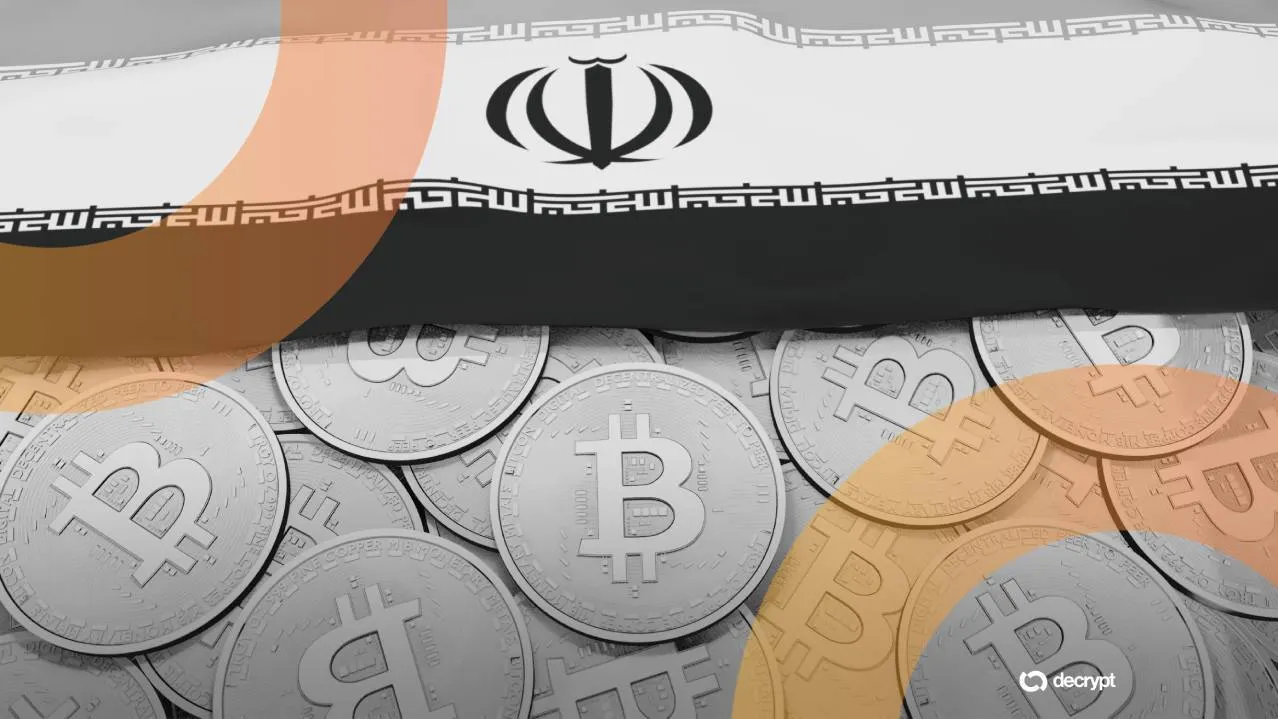
    A blockchain analytics firm has identified a significant channel through which sanctioned Iranian entities have moved billions of dollars into global cryptocurrency markets, with a particular focus on the exchange CoinEx. TRM Labs reported that since 2019, approximately $3.84 billion has flowed from wallets linked to over 60 sanctioned Iranian entities through CoinEx, positioning the exchange as a primary external gateway for Iranian capital.

    Extensive Flows Between CoinEx and Iranian Exchange

    A substantial portion of this total, $2.7 billion, moved specifically between CoinEx and Nobitex, Iran’s largest domestic cryptocurrency exchange. This activity, averaging around $1 million daily since 2018, represents the largest identified cryptocurrency sanctions evasion pipeline tied to Iran to date.

    Report Follows Recent US Treasury Actions

    The TRM Labs report emerged three weeks after the U.S. Treasury Department sanctioned four Iranian crypto exchanges as part of its “Economic Fury” campaign. Treasury Secretary Scott Bessent also confirmed the seizure of $1 billion in cryptocurrency from Iranian exchanges and wallets since the start of the ongoing conflict. CoinEx itself is not currently among the sanctioned entities, a discrepancy that highlights the gap between observed blockchain data and enforcement actions.

    Compliance Gap Raises Concerns

    TRM Labs documented a significant compliance gap, noting that CoinEx’s share of illicit transaction volume stands at nearly 8%, far exceeding the 0.3% threshold observed at compliant exchanges. This ratio, approximately 27 to one, forms the quantitative basis for TRM’s conclusion that the relationship between CoinEx and Nobitex suggests a “coordinated arrangement rather than organic adoption.”

    Concentration of Volume Points to Arrangement

    Further details reinforce this interpretation. By 2024, CoinEx had become Nobitex’s largest external counterparty by volume, nearly nine times larger than the next biggest exchange. TRM Labs described this concentration as “inconsistent with independent market behavior.” Additionally, between 5% and 10% of the trading volume for major Iranian domestic exchanges is routed through CoinEx, a uniformity that would be statistically improbable if each exchange were making independent routing decisions.

    Mining Pool Involvement Adds Another Layer

    The involvement of CoinEx-affiliated mining pool ViaBTC adds another dimension. TRM Labs traced $154 million in exposure from ViaBTC to Nobitex through mining payouts. More notably, ViaBTC provided emergency liquidity to Nobitex following a $90 million hack in June 2025, an event that left Nobitex facing operational challenges. The intervention of an affiliated mining pool as a liquidity backstop for a sanctioned exchange suggests a pattern beyond mere coincidence.

    Pipeline Architecture and State Ties

    The pipeline’s architecture is described as straightforward: sanctioned Iranian entities, including those linked to the Islamic Revolutionary Guard Corps (IRGC) and Iran’s domestic financial system, transferred funds to Nobitex. Nobitex, which handled approximately 50% of Iran’s crypto trading volume according to a June 2 Chainalysis report, then routed capital outward through CoinEx. This provided access to global liquidity and the ability to convert funds into dollar-equivalent stablecoins, circumventing Iranian sanctions enforcement.

    This flow has been active on the CoinEx-Nobitex corridor since at least 2018, and for the broader universe of sanctioned entities tracked by TRM Labs, since 2019. Nobitex’s own political exposure intensified the stakes; in May 2026, the exchange was reportedly linked to individuals connected to Supreme Leader Ali Khamenei, suggesting the pipeline served interests at the highest levels of the Iranian state.

    CoinEx Replaces Binance Amidst Enforcement Pressure

    The displacement of other exchanges from Nobitex’s external routing is also significant. CoinEx surpassed Binance as Nobitex’s largest foreign counterparty by 2024, following increased U.S. enforcement pressure on Binance. This transition illustrates a dynamic where pressure on one exchange does not eliminate demand but rather reassigns it to other venues.

    CoinEx Denies Allegations

    In response to the TRM Labs report, CoinEx issued a denial on X, stating it has no commercial relationship with the Iranian government or domestic Iranian exchanges and has never provided funding channels to sanctioned parties. The exchange also contested TRM Labs’ interpretive framework, arguing that “onchain fund flows do not demonstrate a platform’s knowledge of or participation in illicit activity.”

    Transaction Flows vs. Contractual Relationships

    The denial focuses on contractual relationships, while the TRM Labs report documents transaction flows. These are distinct evidentiary categories, and the distinction is crucial. U.S. Office of Foreign Assets Control (OFAC) sanctions exposure does not require proof of a formal commercial agreement but rather demonstrated facilitation of transactions involving sanctioned parties.

    Whether CoinEx was aware of the identities behind the wallets moving $3.84 billion through its platform is a compliance question. However, the existence of these flows at a rate 27 times higher than compliant exchanges precedes that question.

  • Binance Update Impacts European Users

    Binance Update Impacts European Users

    Binance Faces Regulatory Hurdles in Europe, Shifts Licensing Strategy

    Binance’s ongoing struggles with European regulators have become a significant point of concern for its user base. The central question now is whether the cryptocurrency exchange can meet local regulatory requirements by the July 1 deadline and what the implications will be for its customers if it fails to do so.

    Earlier this week, Reuters reported that Binance is intensifying its efforts to secure operating permits within the European Union. Gillian Lynch, Binance’s head for Europe and the United Kingdom, indicated that the company might abandon its pursuit of a license in Greece and explore alternative EU member states.

    In an official announcement aimed at quelling growing speculation, Binance confirmed its decision to withdraw its Markets in Crypto-Assets (MiCA) license application with the Hellenic Capital Market Commission (HCMC) in Greece. The company stated it would instead seek authorization in another EU member state.

    “When we are ready to announce that Member State, we will do so publicly. We made this decision after careful consideration of the status and the timeline of the process in Greece, with our users’ interests at the center,” Binance said in its statement.

    The exchange emphasized that Europe remains a crucial market and reiterated its commitment to operating under a “clear, fair, and harmonized MiCA framework.” Binance expressed confidence in achieving full compliance in the coming months, underscoring that serving local users and fostering long-term growth in the region continue to be top priorities.

    Binance has advised its users to monitor their email and in-app notifications for updates, review all communications from the exchange, and contact customer support with any questions regarding their options.

    “Please be cautious of scams: Binance will never contact you by phone. All communications will be sent through official Binance channels or by email. We will never ask for your password, 2FA codes, or private keys,” the company warned.

    The exchange also stressed that addressing this regulatory matter is a primary responsibility, assuring clients that their assets remain secure and accessible at all times.

    Binance CEO Richard Teng also commented on the situation, stating the company’s dedication to obtaining a MiCA license within the next few months. He pledged to “providing clarity, minimizing disruption, and keeping users informed directly.”

    Teng’s remarks on X (formerly Twitter) generated considerable debate, with many users criticizing Binance for its perceived slow progress on regulatory compliance. Some pointed out that the exchange has had ample time to meet EU rules, suggesting that the prolonged absence of a license has eroded trust.

    Other critics questioned the initial choice of Greece, describing it as “the slowest EU member state” with notoriously protracted administrative procedures.

    The uncertainty has prompted some users to consider moving their assets to rival platforms. Coinbase recently announced Luxembourg as its base for MiCA compliance, while Kraken has also highlighted its existing authorization to operate within the European Union.

  • Kalshi Aims for $40B Valuation After $1B Raise

    Kalshi Aims for $40B Valuation After $1B Raise

    Prediction market Kalshi is reportedly in discussions to secure new funding at a valuation of approximately $40 billion, according to The Financial Times. This funding round, which could be finalized as early as the third quarter, would represent a near doubling of Kalshi’s valuation from just last month, when it raised $1 billion from investors including Sequoia Capital, Andreessen Horowitz, Coatue, and Morgan Stanley.

    This valuation surge marks a dramatic ascent for Kalshi, which was valued at around $5 billion in October 2025 and $11 billion by December of the same year.

    Public Listing on the Horizon?

    A public listing may follow the funding round. CEO Tarek Mansour indicated to CNBC on Wednesday that Kalshi is “basically thinking about” an initial public offering, though not within the current year. “A company of our financial profile with the rate of growth that we’re seeing, that sort of conversation has to happen,” he stated. The Information has previously reported that a listing is unlikely before late 2027 or 2028.

    Explosive Growth Amidst Legal Battles

    Kalshi has experienced explosive growth, claiming an annualized trading volume of $178 billion by April 2026, a 32-fold increase year-on-year. However, the platform is also embroiled in an intensifying legal dispute between state and federal authorities over regulatory jurisdiction of prediction markets.

    Last week, derivatives giant CME Group filed a lawsuit against the Commodity Futures Trading Commission (CFTC) over the latter’s approval of Kalshi’s “perpetual” futures. These contracts allow traders to speculate on cryptocurrency prices, directly competing with CME’s own products. Kalshi maintains that its event contracts fall under the exclusive jurisdiction of the CFTC as swaps, a position shared by the Trump-appointed agency.

    States, however, view the situation differently, characterizing the sports markets as unlicensed gambling operations. Arizona initiated criminal charges in March, a Massachusetts judge prohibited Kalshi’s sports markets in January, and Nevada has extended a ban on prediction markets. This month, Kentucky filed a lawsuit against Kalshi and rival platform Polymarket, accusing them of operating illegal sportsbooks.

    The CFTC responded on Tuesday by suing Kentucky to prevent its enforcement actions, marking the ninth state the agency has taken to court and the first led by a Republican attorney general. Former President Donald Trump has emphasized the “critically important” nature of federal authority over these markets, and his son, Donald Trump Jr., serves as an advisor to both Kalshi and Polymarket.

    Regulatory Uncertainty Looms

    The ultimate outcome of these legal challenges remains uncertain. A federal judge in Michigan recently ruled that sports prediction markets do not constitute swaps, and former CFTC and SEC chair Gary Gensler has filed a brief arguing in support of this stance. With multiple states engaged in active litigation and conflicting rulings accumulating, the question of regulatory authority over prediction markets appears destined for the Supreme Court.

    For Kalshi’s potential investors, the resolution of these regulatory battles carries significant weight. Kentucky alleges that 89% of the platform’s 2025 volume originated from sports-related contracts, the very markets that states are attempting to ban. Furthermore, according to The Financial Times, approximately two-thirds of bets placed on Kalshi result in losses for users.

  • Binance Convert Now Supports Recurring Transactions for bStocks

    Binance Convert Now Supports Recurring Transactions for bStocks

    Binance Introduces Recurring Purchases for Tokenized Stocks

    Binance has announced a new feature allowing eligible users to set up recurring transactions for bStocks on Binance Convert, simplifying the automation of bStock purchases according to a user’s preferred schedule.

    bStocks are tokenized securities issued by BTech Holdings Limited, an affiliate of the Binance group. These are classified as certificates representing certain financial instruments, as outlined in paragraph 92 of Schedule 1 to the Financial Services and Markets Regulations (FSMR). Importantly, bStocks represent an interest in underlying securities held by the issuer, rather than direct ownership of the underlying shares. Holders of bStocks do not gain direct ownership of shares in the listed companies.

    Each bStock is tokenized security backed 1:1 by a U.S. share held by a regulated custodian. These tokenized securities were the first to be admitted to the FSRA Official List, issued under an FSRA-approved prospectus, and traded on a Recognized Investment Exchange.

    Eligible users can now access fractional U.S. stock exposure starting from as little as the equivalent of 0.01 USDC. This provides an entry point into tokenized securities backed by real shares, held in custody. The specific entry point available to users may differ based on their country or region of residence, verification status, and product availability.

    To set up recurring bStock transactions via the Binance App (iOS version 3.16.3 and Android version 3.15.7):

    1. Navigate to the Homepage and tap [Trade], then select [Convert] or [Buy/Sell].
    2. Choose the [Recurring] mode.
    3. Input the desired purchase amount and select the preferred transaction frequency.
    4. Review the transaction details and confirm the recurring plan.

    Binance users can initiate their bStocks journey with recurring transactions starting from the equivalent of 0.01 USDC. The platform also teased an upcoming promotion where eligible users who set up recurring bStock transactions can share rewards.

    USDC Redemption Rights

    Holders of USDC have a legal claim against Circle SAS, the EU issuer of USDC. These holders are entitled to request redemption of their USDC from Circle SAS at any time and at par value.

  • Kalshi Sues Illinois Over Sports Prediction Market Tax

    Kalshi Sues Illinois Over Sports Prediction Market Tax

    Kalshi Sues Illinois Over Prediction Market Tax

    Kalshi filed a lawsuit against Illinois on Wednesday, asserting in federal court that the state lacks the authority to impose taxes on prediction markets.

    The legal challenge comes after Illinois Governor JB Pritzker signed a bill into law last week. This legislation not only establishes a statewide tax on cryptocurrency transactions but also creates a “Sports Wagering Fund.” Beginning July 1, this fund will levy a 15% tax on the gross receipts derived from sports-related prediction market wagers.

    In justifying the taxation of these wagers, Illinois has contended that sports-related prediction markets function as a form of state-regulated sports betting. This stance directly contradicts the argument put forth by industry leaders and the Trump administration, which maintain that these markets are swaps overseen by the Commodity Futures Trading Commission (CFTC) at the federal level.

    Kalshi’s lawsuit argues that the state has no right to tax its sports-related income, asserting that such income does not constitute gambling-related revenue.

    “On July 1, 2026… Kalshi will be subject to criminal penalties in Illinois unless it either ceases to offer Illinois residents sports event contracts that are perfectly lawful in the eyes of Kalshi’s exclusive federal regulator or pays Illinois millions of dollars and submits to the state’s regulatory regime,” the complaint states.

    Kalshi’s legal action mirrors a move by the Trump CFTC, which last week amended an existing lawsuit against Illinois to protest the state’s new tax. The CFTC also filed a motion for a preliminary injunction, seeking to block Illinois from implementing the law next week.

    These disputes over the new Illinois tax represent the latest development in an ongoing, nationwide jurisdictional battle between states and the federal government concerning the future of prediction markets. The Trump administration has actively supported the rapidly growing sector, even as both Republican and Democratic states argue that platforms like Kalshi and its competitor, Polymarket, are offering unregulated gambling to individuals as young as 18.

    With lawsuits on this matter currently active in nearly every federal jurisdiction, the U.S. Supreme Court is likely to be the ultimate arbiter of this issue.

  • Binance Scraps Greek MiCA License Bid, EU Users Uncertain

    Binance Scraps Greek MiCA License Bid, EU Users Uncertain

    Binance Withdraws Greek MiCA License Application, Seeks EU Compliance Elsewhere

    Leading cryptocurrency exchange Binance has formally withdrawn its application for a Markets in Crypto Assets (MiCA) license in Greece, signaling a strategic shift as it navigates European Union regulatory requirements. The announcement, made by the company on Wednesday, comes just a week after a Reuters report indicated that the Greek financial regulator, the Hellenic Capital Market Commission (HCMC), was poised to reject the application.

    “Binance has decided to withdraw its MiCA licence application with the Hellenic Capital Market Commission (HCMC) in Greece and pursue authorization in another EU Member State,” the firm stated. Binance added that it had engaged constructively and in good faith with the HCMC over several months. The exchange noted that the absence of a response ahead of the July 1 deadline prompted the decision to “move forward” in a manner that would best serve its users.

    The exchange also indicated that it would be taking necessary steps before the July 1 deadline to ensure compliance with applicable regulations. This may affect some users, and Binance stated it would communicate directly with those impacted to provide clear information on the next steps.

    Firms aiming to legally offer crypto services within the European Union are required to obtain a MiCA license by the July 1 deadline, or risk being compelled to cease operations in the region.

    While Binance’s immediate future in the European market remains uncertain, the company assured users on Wednesday that their funds are safe and secure, though some users might experience impacts from the license application withdrawal.

    “We are in the process of contacting all of our EU users,” a Binance representative said. “Those communications will explain whether any action is required, what options may be available, any relevant timelines, and where to go for support.”

    Binance initially submitted its application in Greece in January, with a spokesperson telling Decrypt at the time that the country was chosen partly due to its recent economic growth.

    Despite this apparent setback, the company reiterated its long-term commitment to the European market. “While we withdrew our application in Greece, Binance remains committed to Europe,” the exchange stated. “Europe is an important region for Binance, and our ambition to operate under a clear, fair, and harmonized MiCA framework remains unchanged.”

    Once a crypto firm secures approval in one EU nation, it gains the ability to “passport” its license, effectively extending its regulatory compliance to the other 27 member states. However, last year, French regulators expressed concerns about the “passporting” mechanism, threatening to block firms that had obtained regulatory approval in less stringent EU jurisdictions.

    A representative for Binance did not immediately respond to Decrypt’s request for comment.

  • South Korea, US Discuss Unified Crypto Rules Amid Scandals

    South Korea, US Discuss Unified Crypto Rules Amid Scandals

    US and South Korea Discuss Crypto Regulation to Bridge Global Gaps

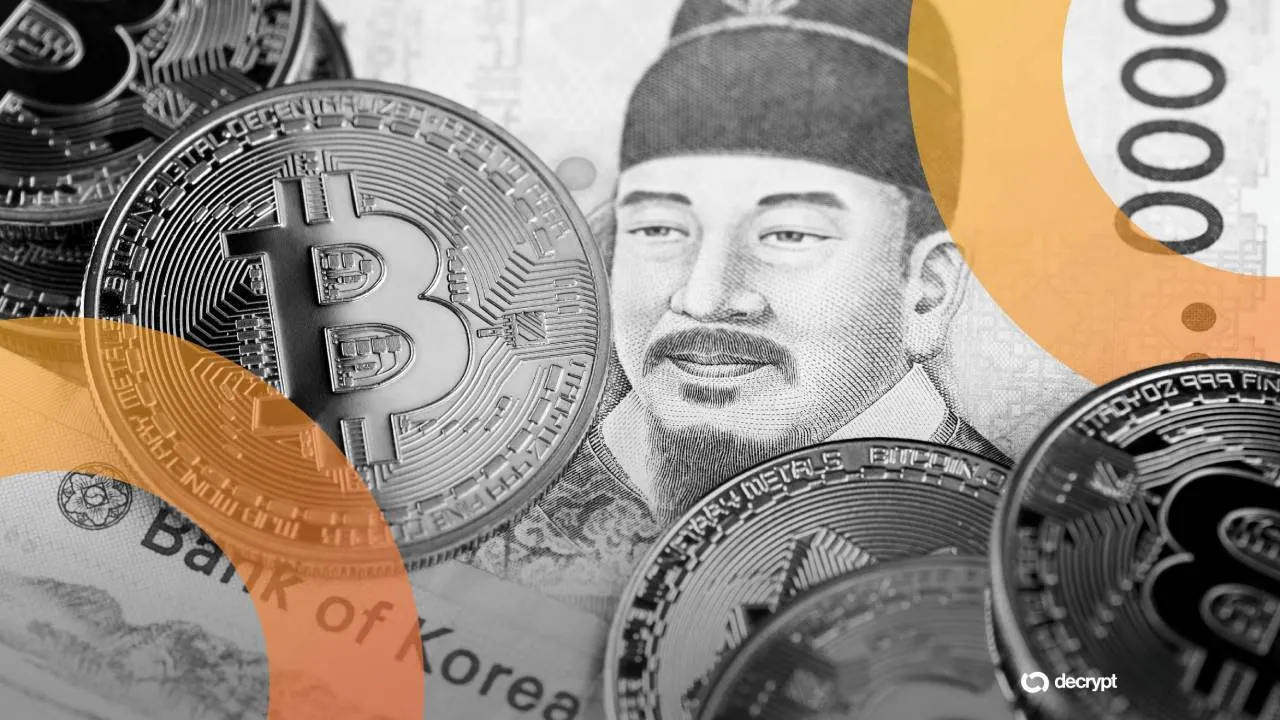
    The U.S. Securities and Exchange Commission (SEC) met with a delegation of South Korean officials and digital asset industry representatives on Tuesday, aiming to harmonize cryptocurrency regulatory approaches between Washington and Seoul.

    The coalition, representing one of Asia’s most dynamic digital markets, engaged with the SEC’s crypto task force on key issues including stablecoin regulation, tokenized securities, and cross-border coordination, according to a commission memorandum and meeting outline.

    The outline noted that decisions made by U.S. regulators and lawmakers are poised to influence South Korea’s developing digital asset regulations. “Unnecessary divergence between major jurisdictions may create uncertainty,” the document stated. “Korea is a significant digital asset market in Asia, with active retail participation, growing institutional interest, and an ongoing policy debate.”

    Tuesday’s meeting underscored the extent to which global market participants look to U.S. regulatory clarity to shape international frameworks, as Wall Street accelerates its integration of digital assets into traditional finance.

    In the U.S., proposed legislation has sparked debate. Some lawmakers contend that the CLARITY Act could position America as a global leader in crypto regulation, while others express concerns that its passage might weaken worldwide anti-money-laundering protections.

    Addressing Recent Setbacks in South Korea

    A notable point of discussion was digital asset custody, following a high-profile incident earlier this year where South Korea’s national tax agency inadvertently revealed seed phrases capable of unlocking seized crypto wallets. Although $4.8 million in cryptocurrency was quickly stolen, the funds were subsequently recovered.

    In the same month, South Korean regulators launched an investigation into Bithumb, one of the country’s largest crypto exchanges, after the firm mistakenly credited users with $43 billion in Bitcoin. Bithumb offered compensation to users after the error caused a temporary dip in Bitcoin’s price on the exchange.

    The discussions also encompassed the regulation of crypto trading platforms. Earlier this month, South Korean law enforcement identified Bithumb CEO Lee Jae-won as a bribery suspect, alleging he hired relatives of a legislator. The exchange’s headquarters were subsequently raided.

    Classification Standards and Tokenized Assets

    During their visit to the U.S. capital, the South Korean delegation indicated a particular interest in developing classification standards for digital assets. This echoes the crypto industry’s past disputes with regulators during the Biden administration regarding whether tokens should be classified as securities.

    Concurrently, the group explored how South Korean regulations could be adapted to support digital representations of real-world assets, such as stocks and bonds. Earlier this year, the SEC postponed an exemption for tokenized assets due to concerns surrounding third-party issuers.

    Cryptocurrency has gained significant traction in South Korea. A survey released by local regulators in March indicated that 11.13 million users were registered with regulated entities, representing approximately 20% of the nation’s population, assuming each account belongs to a unique individual.

  • Trump Scraps Housing Bill Signing, Dismisses CBDC Ban

    Trump Scraps Housing Bill Signing, Dismisses CBDC Ban

    President Donald Trump abruptly canceled a White House signing ceremony Wednesday for a sweeping, bipartisan housing bill that includes a provision banning the U.S. government from issuing a central bank digital currency until 2031.

    Bipartisan Housing Bill Faces Uncertainty

    The legislation, known as the 21st Century ROAD to Housing Act, represents a rare piece of federal law with broad support across both political parties. Its aims include easing restrictions on new home construction nationwide and preventing major financial institutions from acquiring large portions of the U.S. housing stock.

    The Senate overwhelmingly approved the bill with an 85-5 vote on Monday, followed by a swift endorsement from the House of Representatives, which passed it 358-32.

    Digital Dollar Ban Included in Legislation

    Earlier this year, cryptocurrency and privacy advocates successfully incorporated language into the bill that temporarily prohibits the Federal Reserve from establishing a central bank digital currency, or CBDC—a digital asset backed by the U.S. government. This moratorium on a potential digital dollar would remain in effect through the end of 2030.

    While other major global economies, including the European Union, are advancing plans to introduce their own CBDCs, U.S. conservatives have voiced strong opposition to the theoretical creation of an American version. They argue that such a currency could grant the government access to sensitive data regarding citizens’ private financial transactions.

    Last-Minute Cancellation Sparks Questions

    The ban was anticipated to take effect immediately, with President Trump scheduled to sign the housing bill into law at a prominent ceremony at the U.S. Capitol.

    However, just hours before the event, the president opted to cancel, characterizing the legislation as “of minor importance.” He stated he would not sign it into law until Congress passes the SAVE America Act, a controversial bill favored by Trump for months that would significantly restrict voting rights in the United States. Republican leadership has consistently indicated that this bill has little to no chance of passage.

    Should President Trump ultimately veto the housing bill, Congress would need to override the veto with a two-thirds supermajority in both chambers. The bill had already secured sufficient support to meet this threshold during its initial passage, but it remains uncertain whether these dynamics will hold following the president’s decision.

    The president’s cancellation of the signing ceremony appeared to be a last-minute development. A stage had already been set up at the Capitol for the event, and mere minutes before Trump’s announcement, his aides were publicly promoting the housing bill’s potential positive impacts online.

  • SBI Launches Japan’s First Trust Bank-Backed Yen Stablecoin

    SBI Launches Japan’s First Trust Bank-Backed Yen Stablecoin

    Japan Unveils First Trust Bank-Backed Yen Stablecoin

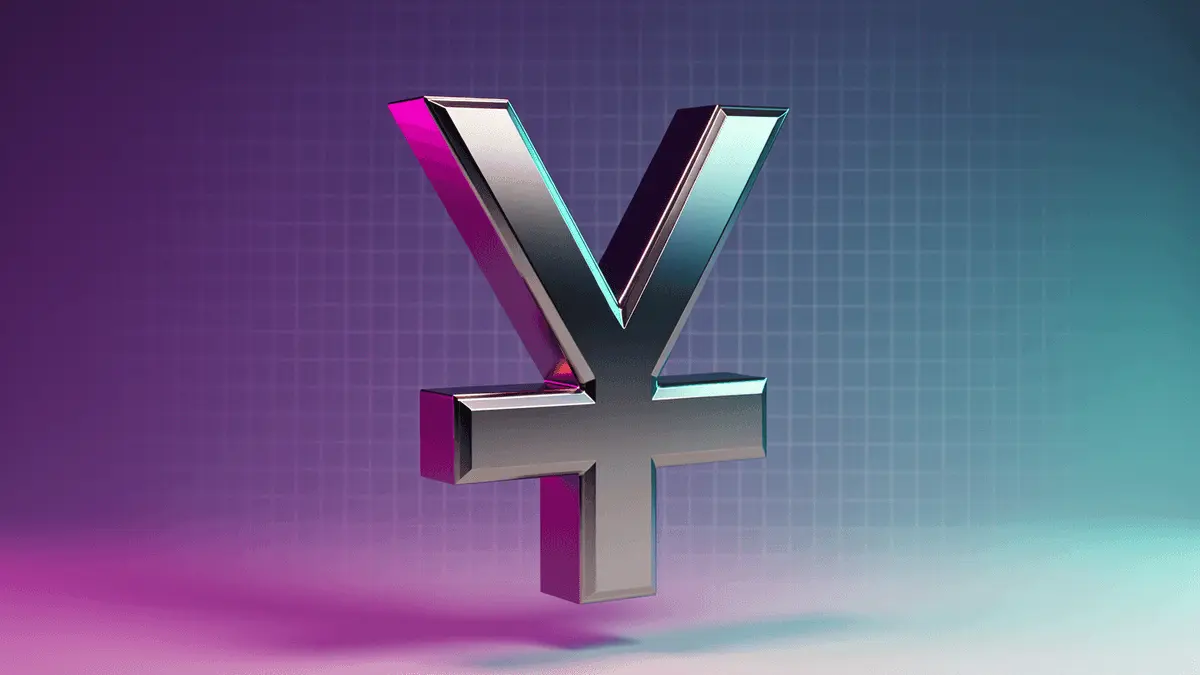
    Tokyo, Japan – Japan has officially launched its first yen-denominated stablecoin backed by a trust bank, marking a significant development in the nation’s digital asset landscape. JPYSC, issued by SBI Shinsei Trust Bank and distributed exclusively through SBI VC Trade, began trading today, June 24.

    Developed jointly by the SBI Group and Startale Group, JPYSC is pegged 1:1 to the Japanese yen. Crucially, it is classified as an electronic payment instrument under Japan’s Payment Services Act and, unlike previous attempts at yen stablecoins in the domestic market, carries no transaction cap.

    A New Era for Yen Stablecoins

    Prior stablecoins in Japan, operating under a fund-transfer framework, were limited to a 1 million yen ceiling for both transactions and balances. This restriction confined their utility primarily to retail payments. JPYSC’s removal of this cap opens the door for institutional-scale on-chain settlement, transactions involving tokenized real-world assets (RWAs), and cross-border foreign exchange use cases that were previously structurally unfeasible.

    Trust Law Backing and Regulatory Pathway

    The key differentiator for JPYSC within Japan’s crypto regulatory framework lies in its issuance architecture. SBI Shinsei Trust Bank holds reserve assets, including cash and highly liquid yen-denominated instruments, in a segregated trust account. This structure grants JPYSC holders a direct legal claim under trust law to the underlying yen.

    The stablecoin’s classification as an electronic payment instrument under the Payment Services Act reflects this robust structure. Japan’s revised regulatory framework established a specific legal pathway for trust bank-issued stablecoins, and JPYSC is the first to emerge through this route.

    Global Collaboration and Future Potential

    Singapore-based Startale Group, a co-developer alongside SBI, provided the blockchain infrastructure and developer tooling for JPYSC. Sota Watanabe, CEO of Startale, described the token as essential infrastructure enabling “Japanese retail users, enterprises, and global financial institutions” to conduct on-chain transactions.

    “We received approval from the JFSA and issued the first bank-backed JPY stablecoin on Ethereum,” a representative from the project stated. “On day one, we issued approximately $70 million, and we plan to scale further. This is an internal launch; withdrawals to Ethereum and other chains from the SBI exchange will be possible following regulatory clearance.”

    Outpacing Competitors

    While JPYC received approval in October 2025 as Japan’s first legally recognized yen stablecoin, it operated under the fund-transfer framework with its 1 million yen cap. Japan’s three major banks – MUFG, SMBC, and Mizuho – are jointly developing their own stablecoin, with plans to commence commercial transactions in fiscal year 2026. JPYSC has preempted this initiative with a structural advantage not yet publicly matched by the megabank project.

    Startale has outlined a multi-chain architecture for JPYSC, targeting deployment across various public chains via Sony-backed infrastructure. If realized, this would further distinguish the token. A single-chain yen stablecoin functions as a payment rail; however, a multi-chain stablecoin with no transaction cap and trust-law reserve backing positions itself as foundational settlement infrastructure for Japan’s burgeoning on-chain financial market.

    Phased Rollout and Future Applications

    Initial access to JPYSC is currently limited to holders of SBI VC Trade accounts. SBI has indicated this restriction will remain until the regulatory and tax treatment is fully clarified, a prudent approach for a novel financial instrument. This phased rollout, however, means the token’s near-term addressable market is confined to SBI’s existing exchange clientele.

    SBI VC Trade has announced plans to introduce a JPYSC lending service in the near future, which would add yield-generating capabilities to the settlement instrument and potentially accelerate institutional adoption. The tokenized RWA use case is considered a more significant long-term prospect. A yen-denominated stablecoin with no cap and trust-law backing is a natural settlement layer for Japan’s growing pipeline of tokenized securities, real estate, and structured products.

    The global regulatory trajectory for stablecoins underscores the importance of JPYSC’s structure. Ripple’s RLUSD, for instance, secured MiCA approval in the EU based on its regulated, reserve-backed design. Regulatory legitimacy is increasingly a prerequisite for stablecoins targeting institutional capital flows, and JPYSC appears to meet this standard within the Japanese regulatory framework.