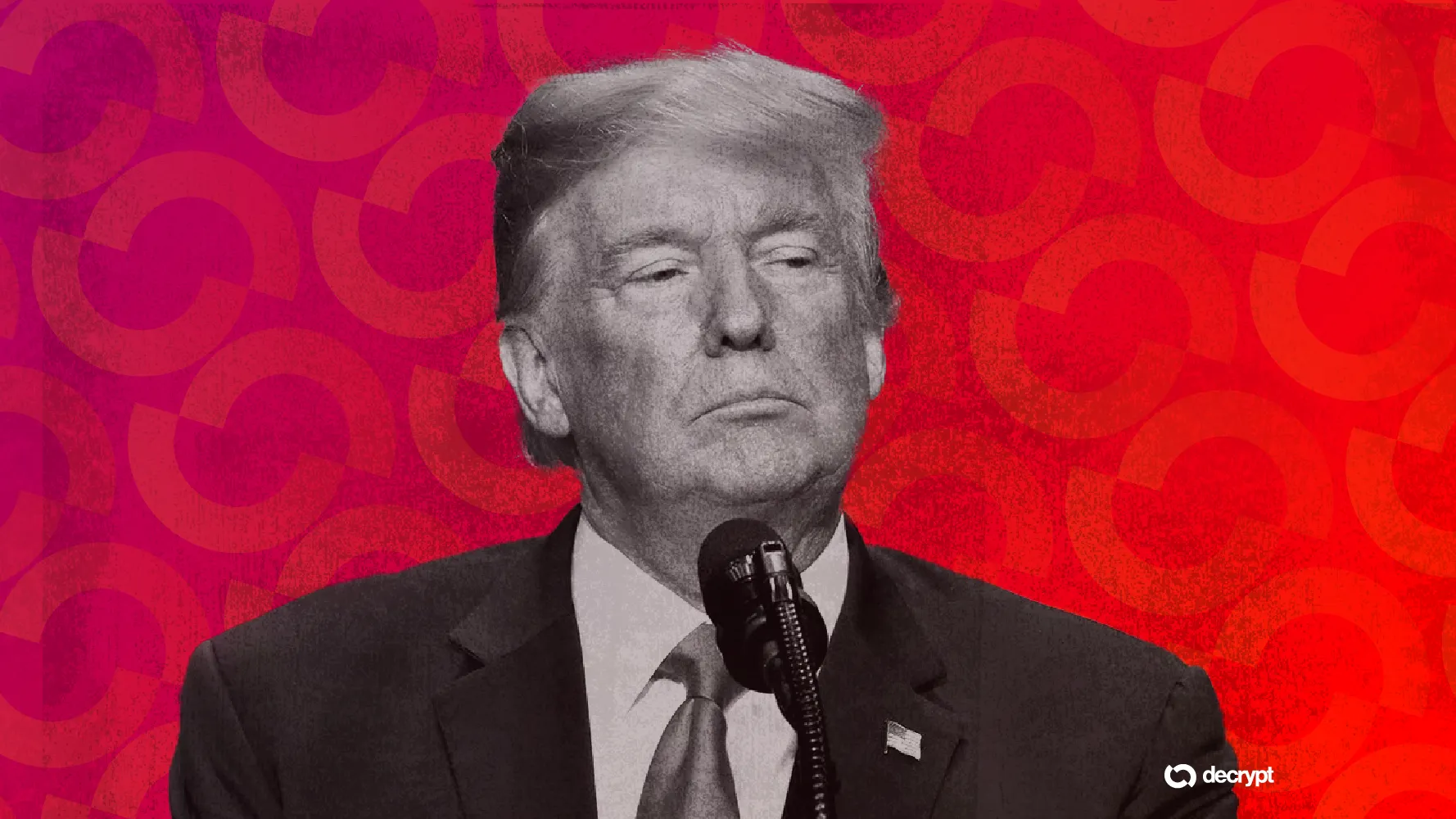
President Donald Trump abruptly canceled a White House signing ceremony Wednesday for a sweeping, bipartisan housing bill that includes a provision banning the U.S. government from issuing a central bank digital currency until 2031.
Bipartisan Housing Bill Faces Uncertainty
The legislation, known as the 21st Century ROAD to Housing Act, represents a rare piece of federal law with broad support across both political parties. Its aims include easing restrictions on new home construction nationwide and preventing major financial institutions from acquiring large portions of the U.S. housing stock.
The Senate overwhelmingly approved the bill with an 85-5 vote on Monday, followed by a swift endorsement from the House of Representatives, which passed it 358-32.
Digital Dollar Ban Included in Legislation
Earlier this year, cryptocurrency and privacy advocates successfully incorporated language into the bill that temporarily prohibits the Federal Reserve from establishing a central bank digital currency, or CBDC—a digital asset backed by the U.S. government. This moratorium on a potential digital dollar would remain in effect through the end of 2030.
While other major global economies, including the European Union, are advancing plans to introduce their own CBDCs, U.S. conservatives have voiced strong opposition to the theoretical creation of an American version. They argue that such a currency could grant the government access to sensitive data regarding citizens’ private financial transactions.
Last-Minute Cancellation Sparks Questions
The ban was anticipated to take effect immediately, with President Trump scheduled to sign the housing bill into law at a prominent ceremony at the U.S. Capitol.
However, just hours before the event, the president opted to cancel, characterizing the legislation as “of minor importance.” He stated he would not sign it into law until Congress passes the SAVE America Act, a controversial bill favored by Trump for months that would significantly restrict voting rights in the United States. Republican leadership has consistently indicated that this bill has little to no chance of passage.
Should President Trump ultimately veto the housing bill, Congress would need to override the veto with a two-thirds supermajority in both chambers. The bill had already secured sufficient support to meet this threshold during its initial passage, but it remains uncertain whether these dynamics will hold following the president’s decision.
The president’s cancellation of the signing ceremony appeared to be a last-minute development. A stage had already been set up at the Capitol for the event, and mere minutes before Trump’s announcement, his aides were publicly promoting the housing bill’s potential positive impacts online.
Leave a Reply