Category: Uncategorized

  • CoinEx Ceases Operations After Nine Years, Users Must Withdraw Funds by December

    CoinEx Ceases Operations After Nine Years, Users Must Withdraw Funds by December

    Cryptocurrency Exchange CoinEx to Cease Operations

    Cryptocurrency exchange CoinEx announced Tuesday it will cease operations and begin an orderly wind-down, with the platform set to close on December 22, exactly nine years after its launch in 2017. Users have until this deadline to withdraw their funds.

    Founder and CEO Haipo Yang cited a combination of prolonged market weakness and increasing compliance demands as the reasons for the decision. “The security and compliance risks of running a crypto exchange have become increasingly difficult to contain,” Yang wrote on X, characterizing the closure as a deliberate exit rather than a forced one.

    Yang stated that he had seriously considered selling CoinEx but ultimately decided against it, aiming for what he described as a “clean ending” for the platform’s staff, users, and CoinEx token holders, rather than transferring ownership to a new entity.

    The wind-down process will follow a fixed schedule. New account registrations and referral rewards have already been halted, and futures trading has transitioned to a reduce-only mode. Non-spot services concluded on September 22, with spot trading set to end on September 29. Withdrawals will remain open until the final closure on December 22.

    Holders of CoinEx’s native token, CET, will also have a built-in off-ramp. Between September 15 and September 29, CoinEx will repurchase the token at its original listing price of 0.005 USDT, with no volume cap. Any remaining balances will be automatically converted at the same rate.

    CoinEx stated that its reserve ratio is above 100%, indicating that user assets are fully backed throughout the wind-down process. At the time of the announcement, its reported 24-hour trading volume was in the tens of millions of dollars, significantly lower than that of major global exchanges.

    The closure of CoinEx adds it to a growing list of exchanges that have ceased operations this year. BitMEX announced its shutdown after 11 years, and BitMart followed days later, winding down its own nine-year operation.

    CoinEx’s exit also comes months after facing scrutiny over its alleged ties to Iran. In June, TRM Labs claimed that over $3.8 billion had flowed between CoinEx and numerous sanctioned Iranian platforms over a seven-year period, a charge the exchange denied at the time.

    Withdrawals will continue to be available until December 22, 2026, when CoinEx will formally cease all operations.

  • XRP Faces 9% Drop Amid CLARITY Act Setback

    XRP Faces 9% Drop Amid CLARITY Act Setback

    XRP Tumbles as Regulatory Hopes Fade, Market Eyes Fed Decision

    XRP is currently trading at $1.30, following a sharp overnight decline that saw the token shed over 9% in less than 12 hours. While XRP is known for its volatility, the critical question now is whether $1.30 will serve as more than a temporary bounce point before another downward move.

    Regulatory Setback Fuels Uncertainty

    A procedural vote failure on the CLARITY Act late last night has reignited the regulatory uncertainty that XRP has been striving to overcome for years. Ripple CEO Brad Garlinghouse described the setback as “stings” in a post on X, a rare public display of frustration from a CEO typically measured in his public statements.

    Garlinghouse stated, “Our team gave everything we had to get the Clarity Act across the finish line. So did most of the industry. This was an opportunity bigger than Ripple or one company – we did this for the industry, for consumers and to cement the US’s position as the crypto…”

    Market-Wide Sell-off, XRP Leads Decline

    The broader cryptocurrency market also experienced a downturn, with Bitcoin briefly dipping below $75,000 before recovering. Ethereum, BNB, and Solana saw declines of 3-5%, indicating a market-wide risk-off sentiment rather than an XRP-specific issue. However, XRP’s decline was notably steeper than that of the major cryptocurrencies. This heightened sensitivity highlights how the absence of regulatory clarity, which had been priced in, is now being factored out.

    Technical Levels and Future Scenarios

    XRP is trading at $1.30, down from an intraday low near $1.27 after the CLARITY Act news emerged. Current liquidity and open interest data suggest that while the sell-off was rapid, it has not yet triggered the cascading liquidations characteristic of a full market breakdown. The immediate technical challenge lies at the $1.30 level, which could shift from support to resistance if buyers fail to reclaim it decisively.

    Three potential scenarios for XRP’s next move are being considered, all contingent on the Federal Reserve’s upcoming interest rate decision. A 25 basis point hike is anticipated to push XRP towards the psychological support level of $1.00, with intermediate targets at $1.21 and $1.10. If the Fed keeps rates unchanged, it could support a reclaim of the $1.30 level, with potential resistance at $1.36 and $1.45.

    In a best-case scenario, a surprise rate cut, though considered unlikely, could pave the way for XRP to reach $1.60, then $1.68, and potentially $1.86. Analysis of triangle patterns suggests a possibility of $2.19 if resistance levels are overcome, though this scenario is currently viewed as having low probability.

    Shift Towards Less Regulated Assets

    The significant overnight drop in a top-five cryptocurrency serves as a stark reminder of how susceptible large-cap digital assets remain to single legislative developments. Traders who had bet on the CLARITY Act narrative are now facing losses, awaiting a Fed decision beyond their control. This situation creates a pain point that could drive capital towards assets with less regulatory scrutiny and no immediate resistance ceilings to contend with.

    One such asset gaining attention is Maxi Doge ($MAXI), a meme token that emphasizes leverage trading culture over legal precedent. The project has reportedly raised $4.8 million in presale funding at a price of $0.0002839, offering a substantial 65% APY staking reward for early holders. Its branding leans into a hyperbolic “gym-bro” aesthetic, but its underlying mechanics are based on standard presale economics, including a treasury fund for liquidity and partnerships. Investors are advised to research Maxi Doge before its next presale tier pricing.

  • Shiba Inu’s Shibarium Gets ‘Useful’ Update

    Shiba Inu’s Shibarium Gets ‘Useful’ Update

    Shibarium Update Fails to Spark Shiba Inu Rally Amidst Declining Metrics

    Shiba Inu, the popular meme coin, has largely maintained a low profile in recent weeks, refraining from major announcements. However, the development team has broken its silence with a new update concerning its layer-2 scaling solution, Shibarium. Despite this news, the SHIB token remains in negative territory on both daily and weekly charts, with several indicators suggesting a potential for further decline.

    Shiba Inu announced via its official X account that it has rolled out a “small but useful” update for Shibarium. The update involved refreshing its RPC listing in the Ethereum-lists/chains registry, with Chainlist now reflecting the revised connection details.

    The move garnered mixed reactions from the community. While some X users praised the update for enhancing access to the protocol, many others dismissed it as insignificant and even labeled the layer-2 scaling solution a scam.

    This frustration may be linked to Shibarium’s dwindling activity. Following a security exploit last year, daily transactions on the network have plummeted to the low thousands, and at times, even the hundreds. This sharp decline indicates weak user engagement and could be eroding investor confidence. Prior to the exploit, the network was processing millions of transactions daily.

    While Shiba Inu continues to hold its position as the second-largest meme coin, its valuation has seen a 6% drop over the past week. The token is currently trading at approximately $0.000005196, according to CoinGecko. Its market capitalization stands just above $3 billion, ranking it as the 33rd-largest cryptocurrency.

    Furthermore, SHIB’s token burning program suggests that bearish sentiment may persist. Data indicates a nearly 90% decrease in the burn rate over the last month, meaning a minimal number of tokens have been permanently removed from circulation. The primary objective of the burning mechanism is to reduce the overall supply of the meme coin, thereby potentially increasing its value through scarcity. However, the current lack of activity in this area presents a significant hurdle to achieving this goal.

    Shiba Inu’s seasonal performance also warrants attention. September has historically been a challenging month for the token, with its price closing the period in negative territory in three out of the last five instances. With approximately two weeks remaining in the month, it remains to be seen whether September’s performance will balance out or if bears will further solidify their advantage.

  • Binance System Upgrade Scheduled for September 22, 2026

    Binance System Upgrade Scheduled for September 22, 2026

    Binance Announces Scheduled System Upgrade

    Singapore, Singapore – September 16, 2026 – Cryptocurrency exchange Binance announced today that it will undergo a scheduled system upgrade to enhance its service experience. The upgrade is slated to commence on September 22, 2026, at 06:00 UTC and is expected to conclude at 09:00 UTC on the same day, with an estimated duration of at least three hours.

    During this maintenance period, users may experience disruptions to several key account functions, including login, registration, and two-factor authentication (2FA/MFA) processes.

    Additionally, services related to asset management will be temporarily unavailable. This includes deposits, internal transfers, withdrawals, and payment functionalities.

    Binance advises users experiencing errors during the upgrade window to wait a brief period before attempting the action again.

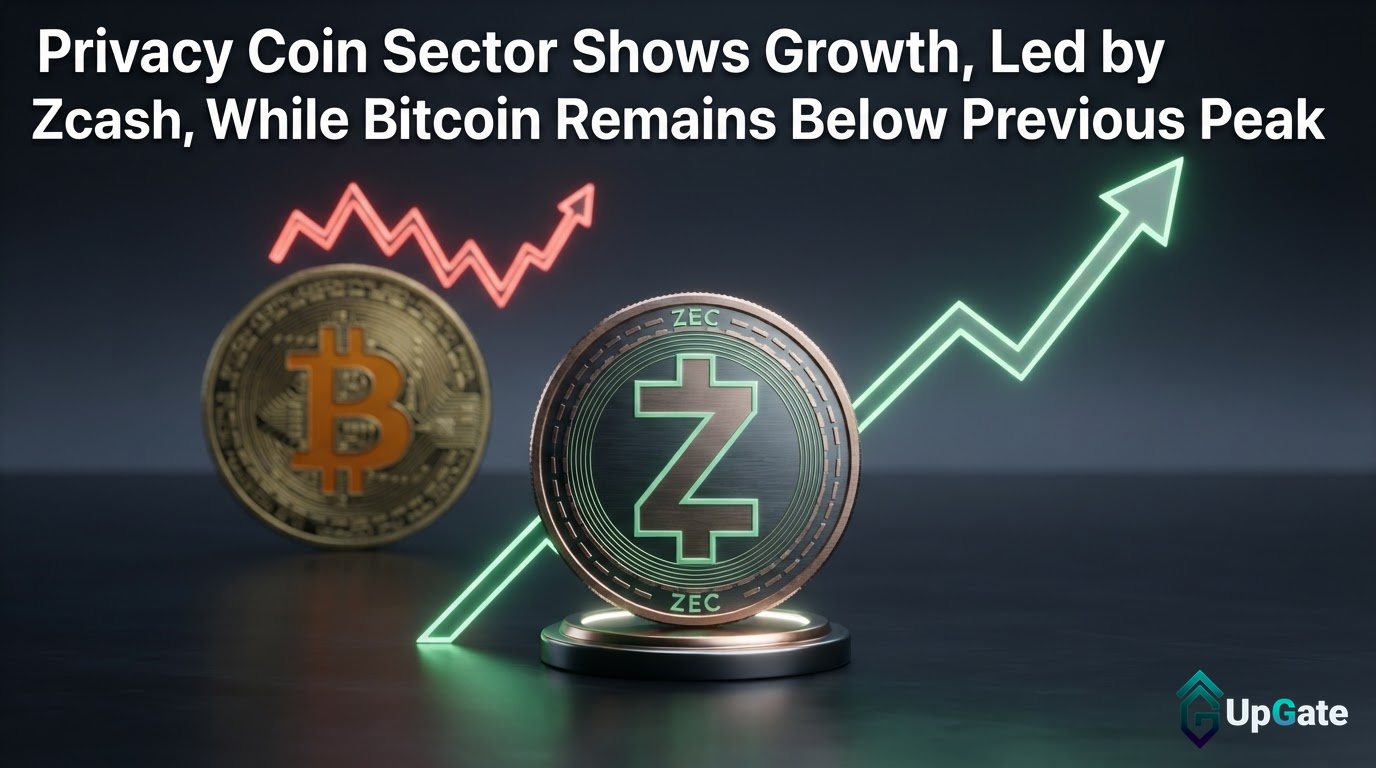
  • Privacy Coin Sector Shows Growth, Led by Zcash, While Bitcoin Remains Below Previous Peak

    Privacy Coin Sector Shows Growth, Led by Zcash, While Bitcoin Remains Below Previous Peak

    The privacy coin sector has seen a significant increase of 213% since Bitcoin’s peak in October 2025, with Zcash (ZEC) identified as a primary driver of this growth. In contrast, Bitcoin is trading below its previous all-time high.

    Privacy Sector Performance
    The privacy sector’s combined market capitalization has grown from $7.1 billion a year ago to $33.6 billion currently, according to Wise Crypto. Zcash alone accounts for approximately 62% of this total market cap. Over the past year, Zcash’s market capitalization has increased 25-fold, climbing from a ranking of #82 to a high of #7, and is currently positioned at #9.

    Grayscale’s Zcash ETF, trading under the ticker $ZCSH, surpassed $500 million in assets within two weeks of its launch. Monero (XMR), another significant privacy coin, has approximately doubled in value over the same period, despite facing delistings from several exchanges. Data from Glassnode indicates that the privacy sector is the only segment of the cryptocurrency market trading above its October 2025 peak levels, with other categories experiencing double-digit declines.

    Among the top 25 largest cryptocurrency assets, only four are currently trading above their October 2025 levels: ZEC, HYPE, XMR, and WBT. At the time of writing, Zcash was trading around $1,140, marking a 32% increase in the last two weeks and over 2,100% in the past year. However, this is still significantly below its 2016 all-time high of approximately $3,190.

    In comparison, Bitcoin was trading near $77,000, having experienced a slight decrease of just over 1% in the past 24 hours and approximately 34% over the past year. Bitcoin is currently about 39% below its all-time high from October 2025.

    Expert Perspectives and Uncertainties
    Investor Dan Tapiero commented that the performance of ZEC and HYPE indicates a broader diversification of activity within the crypto space beyond Bitcoin, Ethereum, and Solana. Egor Sidelska of Infinex argued that privacy is a developing area in crypto, suggesting ZEC has potential for future gains. However, some analysts, such as filbfilb, have expressed caution regarding the sustainability of the Zcash growth. His valuation models, based on transaction activity compared to Bitcoin at a similar issuance stage, suggest potential prices around $944, though convergence scenarios indicate higher fair value if Zcash continues to close the gap.

    The growth in the privacy coin sector, particularly driven by Zcash, presents a notable divergence from Bitcoin’s current performance. While Zcash has seen substantial gains, uncertainties remain regarding the long-term sustainability of this trend and its precise valuation based on underlying transaction activity. The impact of factors like exchange delistings on other privacy coins, such as Monero, also warrants observation.

    Why This Matters

    The privacy coin sector has increased by 213% since Bitcoin’s October 2025 peak. The long-term sustainability and trustworthiness of Zcash’s performance are subject to ongoing analysis.

    Broader Context

    Privacy coins have climbed 213% since Bitcoin’s October 2025 peak even as BTC itself remains well below that high, according to a breakdown posted today by analyst Wise Crypto.

  • Senate’s Failure to Advance Clarity Act Maintains Digital Asset Regulatory Uncertainty

    Senate’s Failure to Advance Clarity Act Maintains Digital Asset Regulatory Uncertainty

    The US Senate on Tuesday failed to advance the Clarity Act, a bill intended to establish federal rules for digital assets, leaving the industry in a state of continued regulatory uncertainty. The failure to secure the necessary 60 votes for a cloture vote means the legislation will not move forward for consideration, prolonging the absence of clear federal guidelines.

    The Clarity Act proposed creating a federal framework for digital assets, with oversight divided between the Securities and Exchange Commission (SEC) and the Commodity Futures Trading Commission (CFTC). Its inability to advance underscores the ongoing challenges in legislating digital asset regulation.

    Following the vote, Stand With Crypto, an advocacy group backed by Coinbase, voiced disappointment. “Today’s vote was a failure of leadership,” stated Mason Lynaugh, a representative for the group. “67 million crypto-owning Americans have waited years for the basic clarity needed to use, build, and invest in digital assets safely. Today, the Senate chose to keep them waiting.”

    Stand With Crypto announced plans to incorporate senators’ votes on the Clarity Act into its lawmaker scorecards ahead of the upcoming midterm elections. “This November, crypto voters will show up and demonstrate their power at the ballot box,” the group declared. The organization also highlighted that its supporters had contacted Congress nearly 50,000 times in August, emphasizing the Clarity Act as its top policy priority for its three million grassroots advocates nationwide.

    “The results of today’s vote make it clear which officials are with our community, and which are against us—and we’ll make sure our advocates are ready to cast their ballots accordingly in this and future elections,” Lynaugh added.

    The legislative setback occurred after last-minute negotiations over ethics restrictions, protections for software developers, and oversight of crypto trading businesses. Democrats had submitted a counteroffer on Monday after Republicans released revised legislation on Sunday, but the sides remained divided.

    In parallel, banking groups had sought tighter limits on stablecoin rewards, raising concerns that such rewards could divert deposits from traditional banks and reduce lending capacity.

    The continued lack of federal regulatory clarity for digital assets presents ongoing challenges for the industry’s ability to safely use, build, and invest. The precise impact of this uncertainty and the timeline for future legislative attempts remain unclear. The political mobilization by groups like Stand With Crypto indicates that digital asset regulation will likely remain a significant issue in the lead-up to elections.

    Why This Matters

    The materials describe a narrow update: The Senate failed to secure the 60 votes needed for a cloture vote, preventing the Clarity Act from moving forward for consideration. The specific electoral consequences for senators who voted against the Clarity Act.

    Broader Context

    Source materials place the factual news in this context: The setback followed last-minute negotiations over ethics restrictions, protections for software developers, and oversight of crypto trading businesses.

  • Wall Street Anticipates Fed Rate Hike: Impact on Bitcoin, Bonds, and Trump

    Wall Street Anticipates Fed Rate Hike: Impact on Bitcoin, Bonds, and Trump

    Wall Street is bracing for the Federal Reserve to implement a policy it hasn’t pursued since 2023: an interest rate increase.

    The Federal Open Market Committee is concluding its two-day meeting on Wednesday, and according to CME’s FedWatch tool, the probability of a quarter-point hike stands at 94.5%, a significant jump from below 50% just a month ago. This rapid shift from an unlikely scenario to near-universal expectation was detailed in a Wall Street Journal survey published this week. The survey found that nearly every major bank now anticipates a rate hike on Wednesday. Most, including Barclays, Citigroup, JPMorgan, Morgan Stanley, and UBS, are forecasting a total of 50 basis points in tightening by the end of the year.

    More hawkish projections come from Bank of America, Deutsche Bank, and RBC, which are calling for 75 basis points of tightening this year. Goldman Sachs, at the more dovish end of those expecting a hike, has penciled in only this week’s quarter-point increase and no further action. Jefferies and Oxford Economics stand out as outliers, forecasting a rate cut in December and in 2027, respectively.

    Higher interest rates make borrowing more expensive, which in turn slows consumer spending and negatively impacts assets that benefit from lower investment costs, such as stocks and Bitcoin. Conversely, it makes safer government bonds more attractive, drawing capital away from riskier investments. However, the primary concern for markets is not the immediate rate hike itself, but rather the uncertainty surrounding the number of future increases. This ambiguity often leads markets to reprice assets in anticipation of the Federal Reserve’s actions and statements.

    Inflationary Pressures Drive Rate Hike Decision

    The rationale for a rate increase is rooted in persistent inflation that has proven resistant to moderation. In August, headline Consumer Price Index (CPI) registered an annual rate of 3.4%, with core inflation at 2.5%. Both figures remain comfortably above the Federal Reserve’s 2% target. The ongoing conflict with Iran has also contributed to rising oil prices, adding another layer of price pressure that neither tariffs nor rate cuts can easily counteract.

    Internal Fed Divisions and Economic Data

    The Federal Reserve maintained its benchmark interest rate at 3.50% to 3.75% in July. However, that decision was made by a narrow 9-3 vote, with three policymakers already advocating for a rate hike at that time. This internal division, coupled with a stronger-than-expected August jobs report, has evidently shifted the committee’s sentiment toward tightening policy heading into this week’s meeting.

    Political Crosscurrents and Fed Independence

    The impending rate hike places Federal Reserve Chair Kevin Warsh in a challenging position. President Donald Trump appointed Warsh to his role in January and, at his swearing-in ceremony in May, urged him to be “totally independent” while simultaneously expressing his expectation for lower interest rates. The current trajectory of monetary policy has not aligned with the President’s stated desires.

    President Trump, Vice President JD Vance, and Treasury Secretary Scott Bessent have all publicly called for rate cuts in the past two weeks. President Trump has even gone as far as to threaten trade repercussions against countries with trade surpluses with the U.S. if interest rates are not reduced. Warsh, however, has maintained that the President has had no influence on the Federal Reserve’s decisions.

    Market Reactions and Asset Performance

    The rate hike is set to be announced just two months before the November midterm elections, a period when polls already indicate voter dissatisfaction with high prices and borrowing costs. The decision to raise rates is, in part, a response to inflationary pressures exacerbated by policies, such as tariffs and the approach to the Iran conflict, that President Trump himself has championed.

    Bond markets have already reacted ahead of Wednesday’s announcement. The 10-year Treasury yield reached 5.04% this week, its highest level since July 2007, as traders factored in both the anticipated rate hike and a prolonged period of elevated interest rates. The two-year yield, which is more closely tied to Federal Reserve policy, hit its highest level since July 2024. Higher Treasury yields make these government securities more attractive compared to riskier assets and tend to strengthen the U.S. dollar, creating headwinds for assets like cryptocurrencies that typically benefit from low-cost capital.

    Cryptocurrency Market Volatility

    The cryptocurrency market is already experiencing turbulence. On Tuesday, Bitcoin was trading around $75,700, down approximately 3.2% for the day. This decline followed the failure of the Clarity Act, a long-awaited market structure bill for the crypto industry, to pass its Senate cloture vote. Bitcoin has since retreated significantly from its September peak of nearly $82,000. Technical indicators suggest that a daily close below $73,200 could lead to further declines, potentially reaching $71,000 and even $66,900, which would negate the recent price surge that also triggered Bitcoin’s current golden cross.

    Divergent Views on Rate Hike Impact

    Not all analysts view a rate hike as unequivocally bearish for the crypto market. Some argue that a quarter-point increase, primarily aimed at anchoring long-term Treasury yields rather than a significant tightening of financial conditions, could leave the medium-term outlook for cryptocurrencies largely unaffected. In this perspective, the key factor will be whether the Federal Reserve’s decision and Chair Warsh’s subsequent press conference introduce surprises relative to market expectations.

    Higher-beta altcoins are anticipated to experience more pronounced percentage swings than Bitcoin, regardless of the outcome, due to their thinner liquidity and higher leverage.

    The Federal Reserve’s statement and updated economic projections, known as the dot plot, are scheduled for release at 2 p.m. ET on Wednesday. This will be followed by Chair Warsh’s press conference at 2:30 p.m. ET. Traders will be closely scrutinizing these events for any indications of whether policymakers still foresee only one additional rate hike this year, or if their outlook aligns more closely with the two further increases projected by Bank of America, Deutsche Bank, and RBC.


  • XRP Ledger Batch V1.1 Amendment Nears Activation Following Security Rebuild

    XRP Ledger Batch V1.1 Amendment Nears Activation Following Security Rebuild

    The XRP Ledger’s Batch V1.1 amendment is one validator vote away from reaching the 80% threshold required for activation, marking a significant step after a security rebuild addressed a critical flaw in the original version.

    Security Rebuild Addresses Critical Flaw

    The Batch V1.1 amendment, also known as XLS-56, is designed to enable multiple transactions from different accounts to execute atomically within a single ledger close. If any transaction in a batch fails, the entire operation reverts, ensuring an all-or-nothing outcome. This feature, which does not require smart contracts, is intended for use cases such as atomic swaps, coordinated settlements, and potentially streamlining NFT minting and transfers.

    The original Batch V1.0 amendment contained a signature-validation bug that was discovered before its mainnet deployment. The flaw, identified in February, involved an early return in the checkBatchSign function. This could have allowed validation to return success without verifying all signers if a signer account did not yet exist on the ledger, potentially enabling unauthorized transactions on behalf of other accounts. Crucially, because the bug was found pre-mainnet, no funds were at risk.

    Rigorous Testing and Review Process

    In response to this critical flaw, a comprehensive security rebuild was undertaken for Batch V1.1. RippleX developer Mayukha Vadari reported that the amendment shipped with xrpld version 3.3.0 and is now up for validator voting. The rebuild process was extensive, incorporating a senior engineering review, adversarial testing, external security reviews, and AI-assisted analysis. This included review by four senior engineers, a Sherlock Batch Attackathon, a Halborn reassessment, a Common Prefix audit, Cantina AI scanning, and rigorous Devnet and testnet regression testing. The team also addressed additional bugs identified through newer AI red-teaming efforts, fixing issues related to MPT validation bypasses, node crashes, path size validation, signature verification, signer ordering, and transaction hashing.

    Validator Sentiment and Next Steps

    Validator sentiment is currently close to the activation threshold. The most recent snapshot shows 27 trusted validators have voted in favor of the amendment, with eight against, resulting in approximately 77% support. This places the amendment just one vote shy of the 80% required to initiate the 14-day activation countdown. FrancisBovineSwift described the current voting status as “nearly there.”

    This security rebuild for Batch V1.1 follows other recent scrutiny of XRPL amendments, including the withdrawal of the Permission Delegation amendment due to a high-severity bug found before mainnet deployment. The current Batch V1.1 amendment has undergone additional review in light of these past events.

    To enhance transparency in the amendment process, an XRPL testing dashboard was launched this month, tracking which transaction types, fields, and result codes have been exercised on Devnet, making amendment testing more visible to the community.

    While Batch V1.1 is nearing activation, the exact date remains dependent on the final validator votes. The specific details of all ‘other issues’ addressed during the rebuild beyond the primary signature-validation bug are not fully detailed in the provided information.

    Why This Matters

    The materials describe a narrow update: The XRP Ledger’s Batch V1. The exact date of activation is dependent on the final validator vote.

    Broader Context

    Source materials place the factual news in this context: The XRP Ledger’s Batch V1.1 amendment is one validator vote short of reaching the 80% threshold needed to begin its 14-day activation countdown, after a security rebuild that followed a critical flaw in the original version.

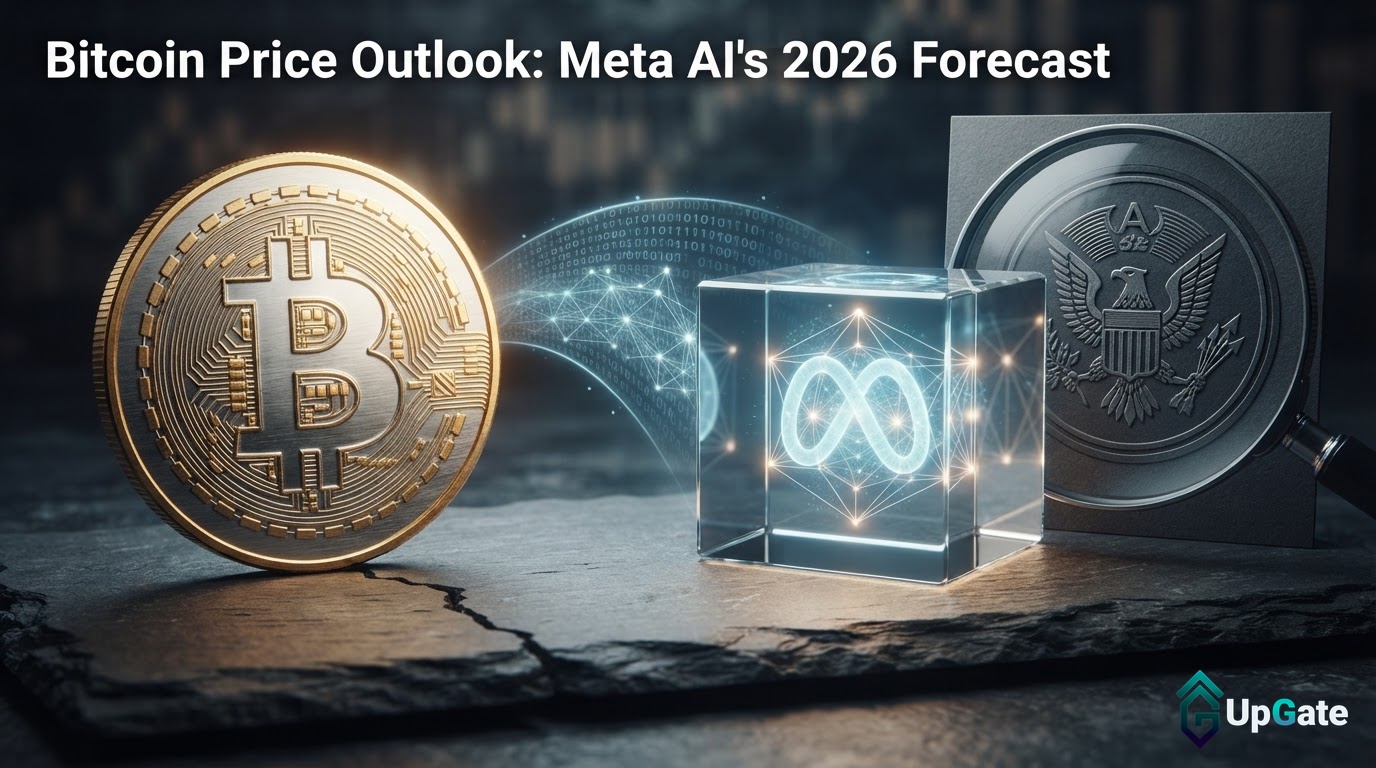
  • Bitcoin Price Outlook: Meta AI’s 2026 Forecast Amidst Regulatory Watch and Market Uncertainty

    Bitcoin Price Outlook: Meta AI’s 2026 Forecast Amidst Regulatory Watch and Market Uncertainty

    Recent market data for Bitcoin presents a mixed picture, with U.S. spot Bitcoin ETFs experiencing inflows of $159.9 million on September 14, while the cryptocurrency’s weekly close was $63,078, down 2.74%.

    Amidst this current market activity, Meta AI has issued a price prediction for Bitcoin, forecasting a range between $78,000 and $92,000 by the end of 2026, with a base case scenario of $85,000. According to the analysis, September 15 is a key date, as the U.S. Senate is expected to vote on the Clarity Act. The passage of this act could potentially remove a significant policy overhang for the cryptocurrency market. Another catalyst mentioned in the analysis is the ARMA proposal, which could authorize the U.S. Treasury to purchase Bitcoin, a move that would require a 20-year federal hold on those coins, potentially removing supply permanently.

    Current Market Indicators

    The current technical indicators for Bitcoin show a Relative Strength Index (RSI) at 39.06, with its signal line at 39.32. This reading is below the midline and approaching oversold territory, suggesting that while momentum may be weak, the pace of decline could be slowing. The RSI metric does not suggest price direction.

    Historical Context and Bearish Scenarios

    Historically, the market has seen significant price movements. According to the analysis, Bitcoin may have peaked near $126,000 in mid-2025, followed by a structural break in late 2025 that saw prices trend from $120,000 toward $84,000. An early 2026 leg down reportedly reached lows near $58,000, with a recovery attempt in Spring reaching approximately $82,000 before failing in June and returning prices to the low $60,000s. Recent weeks have seen the formation of a shallow base with higher lows, though without substantial recent price movement.

    Support levels for Bitcoin are identified at $72,000, $68,000, and $66,000, while resistance is noted at $80,000, $82,000, and $87,000. The Meta AI prediction suggests a potential increase of 35% from current levels to its base case, but this is a speculative forecast.

    Uncertainties and Future Outlook

    However, significant uncertainties remain. The outcome of the Senate vote on the Clarity Act is not guaranteed, and the specifics and impact of the ARMA proposal are also subject to change. The analysis also presents a bear case scenario, referencing potential renewed ETF outflows and past cycle peaks. The Bitcoin thesis is increasingly tied to specific dates and policy developments, turning market uncertainty into a tradable probability on platforms like Kalshi, which allow users to speculate on real-world outcomes.

    It is important to note that these predictions are based on AI analysis and potential future events, and the actual market trajectory may differ. The passage of the Clarity Act or the ARMA proposal, for instance, would represent significant policy shifts, but their enactment and precise effects are not certain. Investors are advised to consider these AI-driven forecasts alongside current verified market data and the inherent uncertainties of regulatory and economic factors.

    Why This Matters

    Meta AI has provided a price prediction for Bitcoin by the end of 2026, ranging from $78,000 to $92,000 with a base case of $85,000. The market is also watching whether the Clarity Act can clear the 60-vote threshold in the Senate.

    Broader Context

    This week in Washington and one day of ETF flows explain why the calendar suddenly matters for Bitcoin’s market outlook.

  • XRP Liquidity on Binance Surges to Six-Month High, But Market Direction Remains Unclear

    XRP Liquidity on Binance Surges to Six-Month High, But Market Direction Remains Unclear

    XRP’s liquidity on Binance has reached a six-month high, with its 30-day liquidity index climbing to 0.0675. While this indicates improved market efficiency, the data does not provide a clear indication of the asset’s future price direction, as the deeper order book can equally support both accumulation and distribution.

    Liquidity and Turnover Metrics

    The 30-day turnover for XRP on Binance has recovered to approximately $4.6 billion, a significant increase from the $2 billion to $3 billion observed during July and August. This enhanced liquidity means that trades can be executed with less price slippage. According to the data, if buying pressure builds, the improved depth could allow XRP to grind higher with less slippage than during the thinner summer conditions. Conversely, if sellers take control, the same depth could absorb a larger decline without the exaggerated price swings typical of illiquid markets.

    August Performance and Broader Market Context

    In August, XRP saw a notable price increase, closing the month up approximately 28.5%, marking its strongest August performance since 2021. U.S. spot XRP ETF products also experienced inflows totaling $153.55 million during the same month. Binance’s XRP spot volume for August was roughly $7.28 billion, also a six-month high. Other exchanges like Upbit and Bithumb also reported strong monthly XRP trading volumes in August, suggesting the liquidity recovery is not solely a Binance-specific phenomenon.

    Mixed Signals from Flows and Derivatives

    Despite these positive liquidity and volume metrics, the market direction remains ambiguous. Recent flow data from Binance on September 11th showed significant activity, with over 91 million XRP moved into the exchange and over 113 million XRP moved out. Both figures represented six-month highs in single-day volume, with withdrawals outpacing deposits by 22.7 million XRP. However, Binance’s total XRP holdings only rose by 0.43% over the full week ending September 11th.

    In the derivatives market, the seven-day change in XRP open interest on Binance improved from -27% on August 29 to 1% by September 6. The average open interest is currently around $476.7 million, showing a modest week-over-week increase of 0.23%. This easing in funding rates and liquidations on both sides of the derivatives market reinforces a near-term range-bound outlook rather than signaling an imminent trend resolution.

    Technical Indicators and Conclusion

    Technically, XRP is currently trading near $1.40, positioned above its 20-day Exponential Moving Average (EMA) of $1.37 and its 200-day EMA of $1.33. The Relative Strength Index (RSI) stands at 55.92, indicating a neutral-to-constructive setup. While the RSI is above the midpoint and comfortably below overbought territory, these indicators do not point to an immediate breakout or a decisive directional move.

    The current data indicates that XRP is in a market re-engaging after a quiet summer. However, the lack of a decisive breakout leaves questions about where XRP price support and resistance currently sit. The structure suggests a market holding above trend support without a clear catalyst forcing a significant move. Traders observing the six-month liquidity peak should recognize it as a sign of a market that can move more efficiently, but not one that has definitively indicated its intended direction.

    Why This Matters

    The materials describe a narrow update: XRP’s 30-day liquidity index on Binance has risen to 0. Which side (accumulation or distribution) actually controls the XRP market.