Tag: Macro Economy

  • Warsh’s First Fed Decision Looms Over Crypto

    Warsh’s First Fed Decision Looms Over Crypto

    Fed Policy Decision Looms as Key Event for Crypto Market

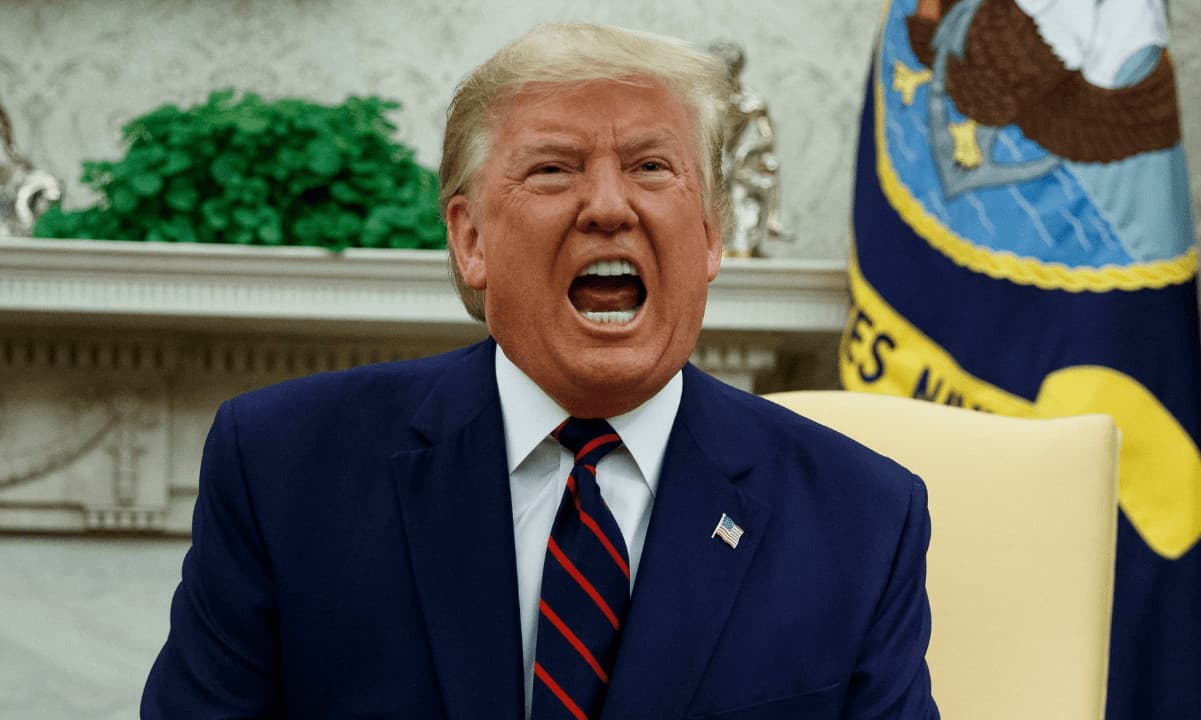
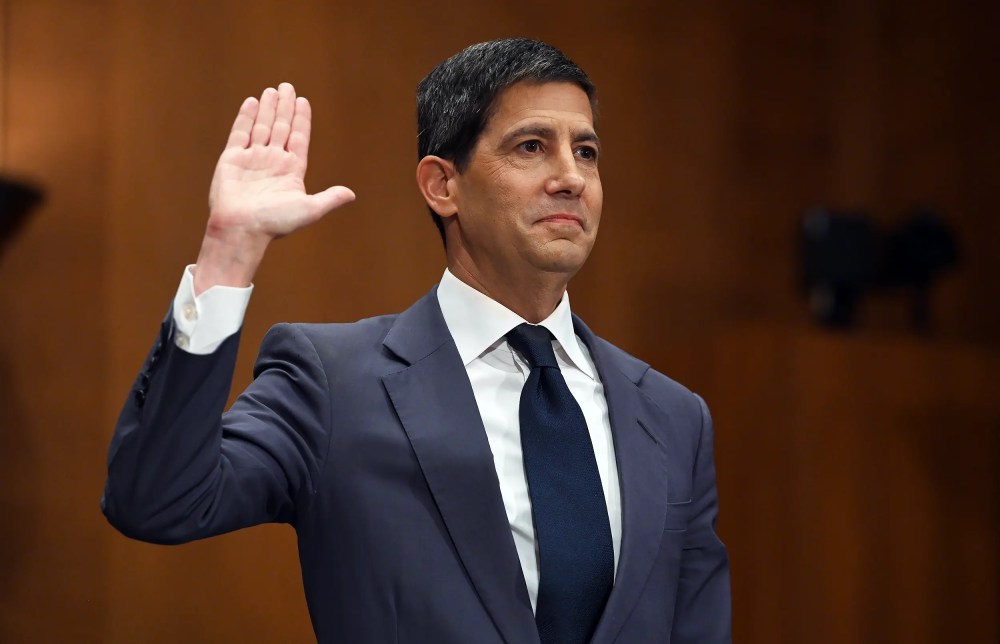
    The Federal Open Market Committee (FOMC) is set to convene on Wednesday, June 17, for a policy decision that marks the first under new Chair Kevin Warsh. Bitget CEO Gracy Chen has identified this meeting as a pivotal macroeconomic event for the cryptocurrency sector.

    Chen described the current economic landscape as exceptionally challenging, characterized by persistent inflation and a White House keen on increasing liquidity, all while the Federal Reserve appears more internally divided than in recent years.

    Market observers, based on online commentary, do not anticipate any changes to interest rates, with a hold being widely priced in. Some analysts, such as HaxKai, suggest that focusing solely on the rate decision itself is a misdirection, stating that “watching the rate decision itself is watching the wrong thing.”

    Instead, the focus is expected to be on the FOMC’s “dot plot,” which signals future rate expectations, and, crucially, on how Warsh navigates his inaugural press conference as chair. Chen believes that cryptocurrencies have evolved into a truly cross-asset class, a dynamic that older analytical frameworks fail to adequately capture.

    “The old idea that crypto only trades on crypto-native narratives is outdated,” Chen posted on X. “Today, BTC, US equities, gold, FX and commodities are all reacting to the same macro question: Where is liquidity going next?”

    Chen anticipates that if Warsh adopts a hawkish tone, the U.S. dollar is likely to strengthen, exerting downward pressure on gold and risk assets. Conversely, a dovish stance from Warsh could potentially trigger a relief rally across equities and cryptocurrencies. However, she cautioned that the market would likely scrutinize the justification for any easing measures given the prevailing high inflation.

    This perspective is supported by recent data. An analysis by Charlie Bilello on June 16 indicated that Bitcoin and gold are the only major asset classes showing losses year-to-date in 2026, with cryptocurrency down 27%, while the S&P 500 has gained 9% and small-cap stocks have risen 19%.

    Previous analysis by XWIN Research on Warsh suggested a greater emphasis on balance sheet reduction over interest rate cuts. This research also posited that reducing liquidity through quantitative tightening could negatively impact risk assets, even if short-term rates remained unchanged.

    In contrast, investor Ran Neuner expressed a “mega bullish” outlook heading into the meeting. His reasoning is that any indication of the Fed moving away from a rate hike path could bolster risk assets, particularly if inflation expectations decline alongside lower oil prices.

    HaxKai, however, remains less optimistic. They pointed out that Bitcoin has historically declined following most FOMC meetings and noted that the recent rally from $59,000, which stalled at $67,000 earlier this week, leaves considerable room for a downturn. Consequently, they advised traders to exercise caution and avoid making immediate moves in the aftermath of the announcement.

    At the time of this report, Bitcoin was trading near the $65,000 mark, representing a roughly 2% decrease from the previous day but a nearly 6% gain over the preceding seven days.
  • Japan Rates Surge to 30-Year Peak, Crypto Market Unfazed

    Japan Rates Surge to 30-Year Peak, Crypto Market Unfazed

    Crypto Markets Remain Stable as Japan Raises Interest Rates to 30-Year High

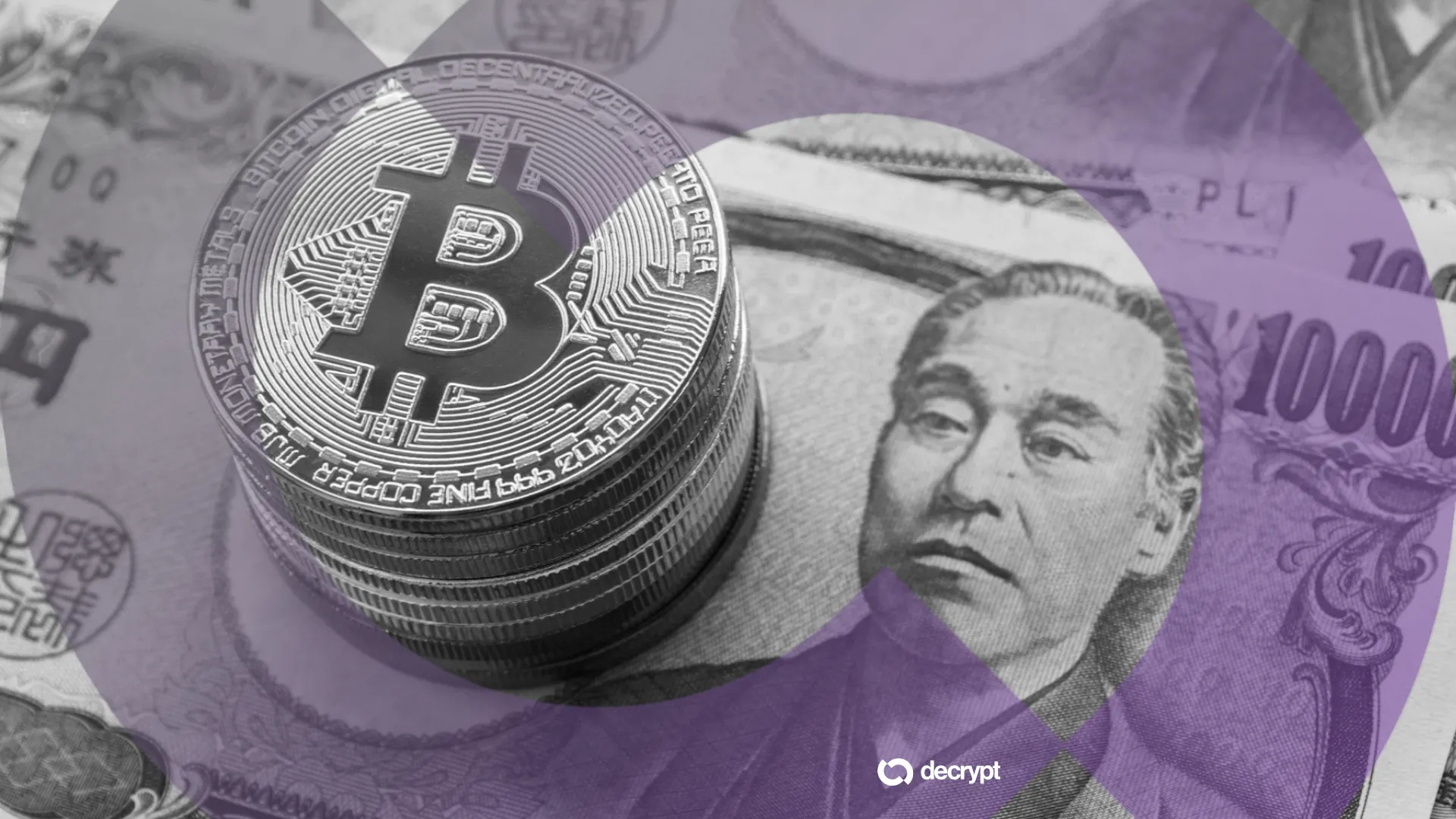
    Tokyo, Japan – Cryptocurrency markets showed resilience on Tuesday, holding steady even as the Bank of Japan implemented its first interest rate hike in 17 years, pushing benchmark rates to a three-decade high amid concerns over rising domestic inflation.

    The Bank of Japan’s policy board voted 7-1 to raise its benchmark interest rate to approximately 1%, with the new guideline taking effect on June 17. Policymakers cited the risk of inflation exceeding the 2% target, driven by higher oil prices impacting consumer goods, and signaled expectations for further rate increases.

    In a separate development, a relief rally had previously boosted crypto markets following President Trump’s announcement of a deal with Iran over the weekend. This de-escalation of tensions, which the Bank of Japan had linked to rising oil prices, propelled Bitcoin above $65,000 from its earlier low $60,000s. A formal signing of the deal is anticipated on Friday.

    At the time of reporting, Bitcoin was trading around $66,000, a 1.1% decrease on the day, according to CoinGecko data. Sentiment on the prediction market Myriad, operated by Dastan, the parent company of Decrypt, remained predominantly bearish, with traders assigning a 64% probability to Bitcoin’s next move being a decline to $55,000.

    The Bank of Japan noted that Japan’s economy has “recovered moderately” despite weakening factors associated with the Middle East. Strong corporate profits and a robust job market have helped to cushion the impact on economic activity. The central bank’s guidance suggests the broader economy is expected to align with a “baseline scenario” of moderate growth, albeit at a slower pace. Government measures aimed at mitigating energy costs are anticipated to reduce the risk of a sharp economic slowdown.

    Tuesday’s quarter-point increase to 1% marks the highest level for Japan’s benchmark rate in over three decades, a level last seen in 1995.

    Historically, Bank of Japan rate hikes have exerted pressure on crypto markets by unwinding the yen carry trade. This strategy involves investors borrowing yen at low interest rates to invest in higher-yielding assets abroad, profiting from the interest rate differential while the yen remains weak.

    Despite this historical precedent, Bitcoin and the broader crypto market remained stable following Tuesday’s rate hike, even as traders appeared to have anticipated a potential selloff.

    The total market capitalization of cryptocurrencies hovered around $2.34 trillion, down 1.4% for the day, according to CoinGecko. Data from CoinGlass indicated a decrease in open interest for Bitcoin futures over the preceding day, suggesting traders had reduced their leveraged positions, thereby limiting the potential for a significant selloff.

    “The Yen carry trade has failed to trigger any meaningful disruption in either crypto or global equities this time around,” Ryan Yoon, senior analyst at Tiger Research, told Decrypt. He added that the memory of previous carry trade scares is “still incredibly fresh,” leading investors to “refuse to panic” as the market appears to have “fully recovered” from earlier shocks.

    Decades of low and negative interest rates have supported global markets, with Japan currently carrying public debt exceeding 200% of its GDP, the highest among advanced economies, according to IMF data.

    Yoon suggested that the yen carry trade would likely remain “just another headline” unless Japan’s policy shift significantly drains liquidity from the U.S. market. He explained that once the market processes a narrative and realizes “the sky isn’t falling,” such scares “lose their power to move prices.”

    Maksim Balashevich, founder and CEO of Santiment, commented that Japan’s rate hike held less market significance now, as it had been “priced in before.” He posited that “The ‘unknown’ events of the future, which aren’t fully priced in and able to move markets significantly, must be some other pieces of unveiling reality.”

    Tuesday’s rate hike was accompanied by a commitment to increase bond purchases if long-term yields rise sharply, thereby capping the extent of monetary tightening. The Bank of Japan confirmed its intention to continue reducing these purchases by approximately ¥200 billion (about $1.3 billion) each quarter until early 2027, after which they are expected to stabilize near ¥2 trillion (approximately $12.5 billion).

  • SpaceX Stock Surges on $60 Billion Cursor Acquisition Deal

    SpaceX Stock Surges on $60 Billion Cursor Acquisition Deal

    SpaceX Acquires AI Coding Startup Cursor in $60 Billion All-Stock Deal

    SpaceX shares surged to a new high on Tuesday, surpassing $210 per share, following the announcement of a $60 billion all-stock acquisition of AI coding startup Cursor. The deal extends a post-initial public offering rally for Elon Musk’s company, according to MarketWatch.

    The acquisition of Cursor was detailed in a Form 8-K filing submitted to the U.S. Securities and Exchange Commission.

    “SpaceX has exercised the option to acquire [Cursor] in an all-stock transaction with the goal of building the world’s most useful AI models,” SpaceX stated in a post on X. “For the past few months, SpaceXAI has been jointly training a model with Cursor, which will be released in Cursor and GrokBuild soon.”

    The acquisition had been under negotiation for several months. The filing revealed that SpaceX secured an exclusive option in April to acquire Anysphere, the parent company of Cursor, with a stipulated $10 billion breakup fee if the deal did not proceed.

    Following the exercise of this option on June 16, SpaceX entered into a $60 billion merger agreement with Anysphere and its subsidiary X67. This transaction will make the AI coding startup a wholly owned subsidiary of SpaceX. Shareholders of Anysphere are set to receive SpaceX Class A stock, with the valuation based on the company’s average share price over the seven trading days preceding the deal’s completion. The acquisition is anticipated to finalize in the third quarter of 2026, subject to regulatory approval.

    Cursor, founded in 2022 as Anysphere, has rapidly established itself as a prominent AI coding platform. Its rise coincides with the increasing adoption of generative AI and AI agents by developers for software creation and review. Prior to the acquisition agreement, Cursor was reportedly in the process of securing a $2 billion funding round that would have valued the company at $50 billion. Earlier this year, Cursor unveiled Cursor 3, the latest iteration of its software, which it described as a “unified workspace for building software with agents.”

    “We’re excited to join forces with [SpaceX] to advance the frontier of useful AI,” Cursor posted on X. “Expect significant improvements to Cursor soon.”

    However, Cursor has not been without its challenges. In April, Jeremy Crane, founder of PocketOS, alleged that an AI agent powered by Cursor deleted his startup’s database within nine seconds, subsequently providing an explanation for the incident.

    The acquisition announcement comes just days after SpaceX’s significant IPO, which saw its shares climb above $200 and reach $210 on Tuesday. In its confidential filing with the SEC in April 2026, SpaceX identified AI as a substantial growth area, projecting the market for AI infrastructure to reach as high as $2.4 trillion and enterprise applications to $22.7 trillion. The acquisition of Cursor is expected to bolster SpaceX’s strategic expansion into AI-powered development and infrastructure.

    “We look forward to working closely with the Cursor team to advance our frontier AI capabilities,” SpaceX stated on X.

  • Analyst: US-Iran Peace Deal Could Spark Massive Bull Rally

    Analyst: US-Iran Peace Deal Could Spark Massive Bull Rally

    Analyst Predicts ‘Massive Bull Rally’ if US-Iran Peace Deal Is Signed

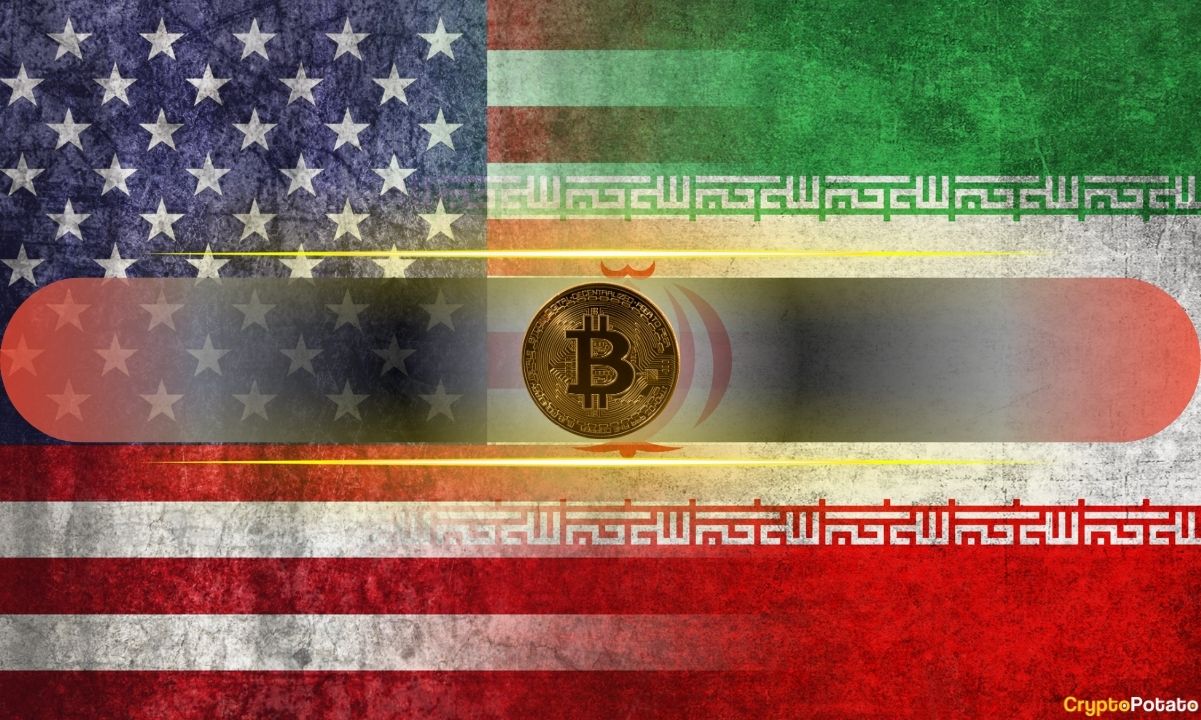
    Simon Dedic, founder of Moonrock Capital, has suggested that a potential peace deal between the United States and Iran, reportedly slated for June 19, could trigger a significant rally across risk assets. This outlook is based on historical market behavior following the resolution of past conflicts.

    Dedic’s thesis posits that cryptocurrency, as the most volatile major asset class, would be the primary beneficiary once geopolitical tensions in the Middle East subside.

    In a June 15 post on X, Dedic began with a caveat, labeling any attempt to predict outcomes based on U.S. President Donald Trump’s statements or actions as “a fool’s game.” He drew a parallel between the president’s unpredictability and the performance of the Official Trump meme coin, which saw a surge of over 20% in the preceding week. However, he maintained that if the Iran deal proceeds as planned this Friday, the market setup would mirror previous instances where conflict-related uncertainty dissipated rapidly.

    To illustrate, Dedic cited historical data showing the S&P 500 gaining 44% in the year following the end of the Korean War. Similarly, the S&P 500 rose 25% in the year after the Iraq War concluded. The analyst also highlighted that in 19 out of 20 post-World War II conflicts, markets typically recovered fully within an average of just 28 days after hostilities ceased.

    Dedic assesses that the Iran situation has been the principal drag on recent risk appetite. He noted that Bitcoin (BTC) was trading near $65,000, a substantial 48% decline from its all-time high, with many altcoins experiencing even steeper drops. He anticipates that the removal of this “overhang” would lead to a swift repricing of cryptocurrencies, given their sensitivity to shifts in risk sentiment.

    “Everyone who’s been looking like an idiot for the last few months will soon look like a genius,” Dedic wrote.

    President Trump confirmed the “Great Deal” on Truth Social. Market commentary account The Kobeissi Letter reported that the proposed agreement would extend the current ceasefire, reopen the Strait of Hormuz, and initiate negotiations concerning Iran’s nuclear program. The deal is also expected to pave the way for discussions on lifting sanctions against Iran and unfreezing its assets, including approximately $1 billion in cryptocurrency seized under Operation Economic Fury.

    The market showed an immediate reaction to Trump’s announcement. S&P 500 futures climbed 0.8%, while Nasdaq futures gained 1.3%. Bitcoin (BTC) also advanced to its highest level in nearly two weeks.

    Ethereum (ETH) reclaimed the $1,800 mark, having traded below this level since June 5. Data from CoinGecko indicates it briefly touched $1,700 on June 9 before retreating.

    Other cryptocurrencies such as XRP, Solana, and Cardano also registered gains following the news of the peace deal. Among the major altcoins, Hyperliquid saw the most significant uptick, with its price just above $68 at the time of writing, marking a 10% increase within a single day.

  • Crypto Markets: 3 Key Movers This Week

    Crypto Markets: 3 Key Movers This Week

    Markets Brace for Key Economic Data and Fed Decision Amid Peace Deal Hopes

    Cryptocurrency markets saw modest gains over the weekend and continued their upward trend on Monday, raising questions about the sustainability of this momentum throughout the week.

    Meanwhile, a significant peace deal involving Iran has been announced, with Pakistan confirming the agreement, U.S. leaders and Iranian media endorsing it, and Qatar offering its backing, according to The Kobeissi Letter. This development coincides with U.S. stock futures trading in positive territory and a notable decline in oil prices. The question on many minds is whether this week will finally see a definitive resolution to the ongoing tensions.

    President Trump announced on Truth Social late Sunday, “The deal with the Islamic Republic of Iran is now complete. Congratulations to all!” He further stated, “I hereby fully authorize the toll-free opening of the Strait of Hormuz, and, simultaneously herewith, authorize the immediate removal of the United States Naval blockade.”

    In response to these developments, oil prices have plummeted to their lowest levels since before the conflict began. West Texas Intermediate (WTI) crude dropped 4% to $80 per barrel, while Brent Crude fell 3.4% to $84 per barrel.

    The economic calendar for the week ahead is packed with significant data releases. Monday will feature May’s Industrial Production figures, followed by May Housing Starts on Tuesday. Wednesday is set to release the month’s Retail Sales report.

    However, all eyes will be on the Federal Reserve’s interest rate decision and Kevin Warsh’s inaugural meeting as Fed Chair on Wednesday. Economists remain divided on how Warsh will navigate interest-rate policy.

    “It all puts Warsh in a difficult position,” Joseph Brusuelas, chief economist at RSM, commented to MarketWatch. “He campaigned for the job with a promise of rate cuts, which the executive branch has called for. But the recent rise in prices and the broadening out of inflation make any rate cuts difficult. It’s this quandary that will define the start of the Warsh era at the Fed.”

    Key Events This Week:

    • Monday: May Industrial Production data
    • Tuesday: May Housing Starts data
    • Wednesday: May Retail Sales data
    • Wednesday: Fed Interest Rate Decision and Kevin Warsh’s First Meeting as Fed Chair
    • Thursday: June Philly Fed Manufacturing Index

    According to the CME Fed Watch tool, there is currently a 96.6% probability that interest rates will remain unchanged this week. Thursday will also see the release of June’s Philly Fed Manufacturing Index, while U.S. markets will be closed on Friday for the Juneteenth federal holiday.

    Digital assets are experiencing a rare green Monday in Asia, with markets collectively gaining 1.3% following the news of the Middle East peace deal.

    Bitcoin has climbed 1.6% to reclaim the $65,500 mark, its highest level in 11 days. The cryptocurrency faces resistance just above $67,000, which will be the next target for sustained upward momentum.

    Ether has seen a 2.3% increase but remains relatively weak, trading just above $1,700. The psychological barrier of $2,000 represents a significant hurdle for the asset to overcome. Altcoins have largely followed the positive trend, with notable gains observed in Hyperliquid, Zcash, and Cardano.

  • SpaceX IPO: Ripple’s XRP Price Outlook

    SpaceX IPO: Ripple’s XRP Price Outlook

    SpaceX’s historic IPO, the largest in history, has debuted on Wall Street with a staggering $1.77 trillion valuation, having raised $75 billion. The offering also proved to be a significant draw for retail investors, attracting over $100 billion in orders. This monumental financial event prompts the question of how it might impact popular altcoins, particularly those favored by retail investors.

    Impact on XRP

    When considering XRP, the connection to this massive financial event is more complex than with Bitcoin, according to ChatGPT. The AI suggests the outlook may be less optimistic than some investors anticipate. While SpaceX has publicly acknowledged a substantial Bitcoin exposure, there is no clear indication that it holds XRP, utilizes the XRP Ledger, or plans to integrate Ripple’s payment technology.

    Consequently, XRP’s price trajectory is expected to be more influenced by broader market dynamics than by SpaceX’s IPO or stock performance. ChatGPT warns that the short-term outlook for Ripple’s token is leaning bearish, as such a large listing can drain liquidity from speculative markets, especially when retail investors are heavily involved.

    “XRP remains a high-beta crypto asset,” the AI noted, “and when traders require cash to participate in a massive IPO, altcoins are often among the first positions to be reduced.”

    Gemini echoed this sentiment, identifying a “liquidity vacuum” as an immediate threat to the cross-border token. The exchange added that even XRP’s dedicated retail community faces a challenge when a “generational tech narrative like SpaceX emerges.”

    Long-Term Potential

    However, Gemini also pointed to a potential long-term benefit for XRP, drawing a parallel to Bitcoin’s narrative. The “wealth effect” generated by the IPO could prove highly advantageous for XRP in the long run. As the initial excitement and capital raise of $75 billion subside, a significant amount of new wealth will have been generated for early private investors. This capital often flows “down the risk curve,” potentially benefiting high-cap altcoins that can offer “asymmetric returns.”

    ChatGPT also highlighted a positive aspect, stating the IPO is not “purely negative” for XRP. If SpaceX’s stock performs strongly and the broader market enters a risk-on phase, XRP could see gains alongside other large-cap cryptocurrencies.

    XRP’s Independent Bull Case

    Beyond the SpaceX IPO, XRP possesses its own independent bullish case. The company behind XRP is actively expanding its presence in payments, stablecoins, tokenization, and institutional infrastructure.

    “If the market begins rewarding real-world utility again,” the analysis suggests, “XRP could still outperform many speculative tokens, even if it is not directly linked to SpaceX.”

  • Crypto Giants Face Setback Amid Trump’s Condemnation of Israel’s Actions

    Crypto Giants Face Setback Amid Trump’s Condemnation of Israel’s Actions

    Trump Criticizes Israeli Attacks, Citing Iran Deal Hopes

    U.S. President Donald Trump issued sharp criticism of Israel’s latest actions, which occurred on the same day he had anticipated the announcement of a permanent deal with Iran.

    The Israeli government, led by Benjamin Netanyahu, conducted a new series of strikes on Beirut’s southern suburbs earlier today. These actions could potentially jeopardize the Iran deal, which was already considered precarious.

    “This morning’s attack on Beirut should not have happened, particularly on a special day when we are so close to a Peace Deal with Iran,” Trump stated in a message on Truth Social. “Israel has the right to defend itself against threats, but the attack it was responding to was very small and meaningless, nobody was hurt, injured, or killed, and should not disrupt this important process.”

    Lebanon’s civil defense reported at least three fatalities and seven injuries resulting from the attacks, according to Al Jazeera.

    Trump reiterated his previous day’s assertion that the United States and Iran were expected to announce a deal later today, a prospect that had already been met with skepticism by some Iranian authorities.

    In his latest post, he also called for de-escalation from all parties, including Israel and Hezbollah, suggesting this could usher in “the beginning of a long and beautiful peace.”

    Cryptocurrency Markets React to Geopolitical Developments

    Major cryptocurrencies experienced modest gains over the preceding day, potentially fueled by optimism surrounding the anticipated permanent peace deal and the expected opening of the Strait of Hormuz. However, the recent Israeli attacks and Trump’s subsequent condemnation have stalled this progress.

    Bitcoin (BTC) fell below $64,000 in recent minutes, after reaching a high of $64,800 earlier today. Ethereum (ETH) is down more than 1%, while XRP has declined by 2% to $1.13, following another rejection at the $1.15 mark.

    With the trading day not yet concluded, further volatility is anticipated later today or, more likely, tomorrow morning with the opening of futures and traditional markets. President Trump is also scheduled to travel to France for a G7 meeting.

  • Crypto Poised for Gains as Iran Tensions Ease

    Crypto Poised for Gains as Iran Tensions Ease

    Global Markets Rally on Iran De-Escalation, Crypto’s Response Muted

    Optimism surged across global financial markets following U.S. President Donald Trump’s announcement that planned American strikes on Iran had been canceled.

    New data from Santiment revealed a significant uptick in social media discussions surrounding peace talks, ceasefires, agreements, and conflict resolution, reaching their highest point this month. This surge coincided with reports indicating that negotiators are nearing a potential deal.

    The proposed agreement is understood to encompass an extension of the ceasefire, the reopening of the Strait of Hormuz, and the resumption of diplomatic discussions. Santiment noted that this development elicited a strong and swift reaction in traditional markets within an hour of the news breaking.

    Equities experienced a sharp upward movement, while gold and silver prices also climbed. Traders adjusted their positions in anticipation of a more stable geopolitical landscape and an improved economic outlook.

    In contrast, cryptocurrency markets exhibited a less immediate and pronounced response compared to traditional assets. Bitcoin managed to reclaim the $63,000 mark, bringing its weekly gains to a modest 1.7%. However, Santiment suggests that if confidence in a finalized deal continues to grow, the crypto market may still find room for recovery as traders react to diminishing geopolitical uncertainty, potentially in 2026.

    Separately, online interest in cryptocurrencies has also shown signs of revival. Alphractal reported an increase in Google searches related to crypto in June, signaling renewed engagement from retail investors. The platform observed that individuals are actively searching for various crypto assets as they reconnect with the market, noting that spikes in Google Trends often correlate with periods of heightened fear or excitement.

    Other analysts, however, are awaiting stronger confirmation of a sustained market upturn. Michaël van de Poppe, founder of MN Fund, pointed out that Bitcoin has remained largely range-bound, failing to achieve a confirmed breakout above the critical $64,000 to $65,000 resistance zone. He emphasized that reclaiming this level is essential for renewed momentum across the crypto markets.

    Van de Poppe suggested that a significant immediate move following the market open appeared unlikely, partly due to the anticipated SpaceX IPO. Nevertheless, he indicated that if lower timeframes continue to show higher lows and tensions in the Middle East de-escalate, the market could witness a strong week with improved liquidity flowing into crypto assets.

  • OpenAI Sparks Price War, Validates DeepSeek’s Strategy

    OpenAI Sparks Price War, Validates DeepSeek’s Strategy

    OpenAI is reportedly considering significant price reductions for its developer and enterprise offerings, a move that could signal a broader shift in the generative AI market. The Wall Street Journal reported that these discussions are underway as OpenAI anticipates similar price cuts from competitor Anthropic. Both companies have reportedly filed confidentially for initial public offerings (IPOs) this month, underscoring a period of intense competition and financial pressure, as neither has yet achieved profitability.

    A Tightening Market

    “I think we’ll have a lot of ways we can help people get more value for less spend,” Sam Altman, OpenAI’s CEO, was quoted as saying at a recent event, according to The Wall Street Journal. This statement comes as OpenAI grappled with a challenging financial quarter. In Q1 2026, the company posted an adjusted operating margin of -122%, indicating a loss of $1.22 for every dollar earned.

    The competitive landscape is intensifying. As previously reported by Decrypt, ChatGPT’s dominance in global generative AI web traffic has waned, dropping from 77.6% in May 2025 to 53.7% by April 2026. Furthermore, the Ramp AI Index reveals that more companies are now subscribing to Anthropic’s services than OpenAI’s. Anthropic has experienced explosive growth, with its annualized run rate soaring from $9 billion at the end of 2025 to $47 billion by May 2026, a remarkable 422% increase in just five months. This surge is largely attributed to its Claude Code product, and Q2 2026 marked the company’s first profitable quarter.

    In response, OpenAI has prioritized its own coding tool, Codex, but faces the challenge of catching up in a rapidly evolving market.

    The “Tokenmaxxing” Frenzy

    Both OpenAI and Anthropic are engaged in a fierce battle to capture market share amidst what is being described as the most significant tech boom since the dot-com era. Businesses across all sectors are scrambling to integrate AI into their operations. Uber’s Chief Technology Officer, for instance, reportedly exhausted the company’s entire 2026 AI budget by April. Employees at JP Morgan are also spending more on AI tools than their own salaries, according to the bank’s chief data officer for its payments division.

    This phenomenon has been dubbed “tokenmaxxing” by Silicon Valley observers, referring to the practice of consuming vast quantities of AI tokens—the units of data processed by AI models—often without a clear return on investment. Palantir CEO Alex Karp likened the trend to a “porn addiction” at AIPCon last week, while JP Morgan analysts published a note this month titled “AI Bills Are Out of Control.” Companies most vulnerable to the fallout from this trend are those now contemplating price wars.

    Structural Pressures and Open Source Competition

    Tommy Shaughnessy of Delphi Ventures highlighted a structural challenge in a widely shared X post this week. He argued that the initial $20 per month flat fee for AI services was priced below the actual cost of heavy usage, serving as a loss-leader to drive adoption rather than cover compute expenses. As businesses scale their AI needs, they transition to API access, incurring per-token costs that consume significantly more computing power.

    However, this perspective is not universally shared. Some analysts believe that the concentration of AI capabilities in the Western hemisphere allows companies to command premium prices for prompt processing, citing the lower costs of Chinese AI models as evidence. If this is the case, substantial price adjustments might be feasible without jeopardizing financial stability.

    The competitive pressure is amplified by the rapid growth of open-source inference providers, which offer compute power for AI models. These platforms are increasingly supporting leading Chinese AI models such as DeepSeek, GLM, MiMo, Kimi, and Minimax. These models are demonstrating competitive performance on coding benchmarks, often at a fraction of the cost of closed-source alternatives.

    “Chinese labs open source frontier-grade models,” Shaughnessy wrote. “The model is the single biggest cost an inference provider has, and they get it for free.” This dynamic suggests a continuous downward pressure on AI intelligence pricing, making margin recovery a complex mathematical challenge for companies like OpenAI and Anthropic. The prevailing theory holds that this trend would only reverse if China were to shift towards closed-source models, which would then benefit U.S.-based AI labs. Thus far, China’s AI sector appears committed to an open-source approach.

  • Crypto Dips as War Intensifies, Mythos Launches

    Crypto Dips as War Intensifies, Mythos Launches

    GM!

    Crypto Falls Amidst War Escalation and Mythos Release

    Two major macroeconomic events on Tuesday impacted cryptocurrency and broader markets.

    A U.S. Army Apache helicopter went down near the Strait of Hormuz, an incident President Trump attributed to Iran, stating the U.S. “must respond.” Reports from the Associated Press and CBC indicate the military has already begun retaliatory strikes. Both crew members were rescued and are safe. The crash occurred a day after President Trump brokered a renewed Iran-Israel ceasefire and amidst ongoing U.S.-Iran talks. Axios reports the working theory is an Iranian drone of undetermined intent. The U.S. has initiated “defensive” retaliatory strikes.

    On the same afternoon, Anthropic released Claude Fable 5, the public version of its Mythos model, which had been kept under a restricted security program since April. The model scores 78% on a vulnerability-discovery benchmark and is specifically designed to identify software bugs, a capability that could be concerning for a market still reeling from recent hacks. Requests related to cybersecurity, biology, or chemistry are rerouted to the older Opus 4.8, a safeguard Anthropic states is activated in under 5% of sessions. The uncapped Mythos 5 remains accessible only to vetted firms.

    Cryptocurrency markets did not significantly react to these headlines but experienced a sell-off overnight ahead of this morning’s Consumer Price Index (CPI) print, which many anticipate will be high. The lack of a strong reaction to the Iran escalation is unsurprising, given market behavior in recent weeks. However, Mythos was expected to be a more significant development. Now, with users reporting that the model will not even review smart contracts and typically reverts to Opus 4.8, this highly anticipated Mythos release may prove to be inconsequential for the crypto sector. The CPI figures will be revealed shortly.

    Crypto Tax Bills Hit a Wall in the House

    A House Ways and Means Committee hearing intended to advance cryptocurrency tax reform instead exposed divisions within the committee.

    The committee considered seven discussion drafts, each addressing a distinct aspect of tax code related to digital assets. Key proposals included [details to follow]. Other drafts covered stablecoin transactions and the integration of digital assets into existing securities tax frameworks.

    However, political considerations intervened. Pro-crypto Democrats raised questions about exemptions for staking and mining, and party leadership suggested postponing the entire package until after the midterm elections. For an industry that has recently achieved notable legislative successes, this situation serves as a reminder that tax reform presents a more challenging battle. While the bills remain viable, their legislative timeline has now been extended.

    Morpho Raises $175M to Move Credit Markets Onchain

    Lending protocol Morpho has closed a $175 million funding round co-led by a16z crypto, Paradigm, and Ribbit Capital. The round also saw participation from a significant roster of strategic investors, including Apollo, VanEck, Circle Ventures, Ledger, SBI Group, and France’s Bpifrance.

    The deal values Morpho at up to $2 billion, positioning it as one of the largest funding rounds in the history of decentralized finance (DeFi).

    The Morpho protocol operates an open credit network that enables banks, fintech companies, and asset managers to establish their own on-chain lending markets, each with customizable risk parameters, without the need for extensive infrastructure development. The protocol currently holds over $11 billion in deposits and counts Coinbase, Kraken, Binance, Galaxy, Bitwise, and Anchorage among its users. Co-founder Paul Frambot, who initiated the project in Paris at the age of 20, originally built it on top of Aave and now promotes it as a platform for anyone to create their own Aave-like system.

    The newly acquired capital will be allocated towards technical development and deeper integrations with institutional clients, with the objective of making Morpho the default credit layer as more of the financial industry transitions to blockchain technology.

    The clear takeaway is that demand for institutional crypto products remains robust.