Tag: Neutral

  • Clarity Act Vote Delayed to September, Extending Crypto Regulatory Uncertainty

    Clarity Act Vote Delayed to September, Extending Crypto Regulatory Uncertainty

    The U.S. Senate will not vote on the Clarity Act, a bill aimed at structuring the cryptocurrency market, before its August recess, postponing the decision until September. This delay prolongs regulatory uncertainty for the digital asset industry.

    Senate Majority Leader John Thune reported the postponement. The Senate is scheduled to reconvene in mid-September for a limited session before the November midterm elections, creating a narrow window for the bill’s potential passage later this year.

    The Clarity Act previously cleared the Senate Banking Committee with a 15-9 vote in May. However, securing the 60 votes needed for passage on the Senate floor remains a significant hurdle. A source familiar with the matter indicated that Senate Democrats have been hesitant to vote on the bill before the midterms, citing the crypto industry’s growing political influence. The delay is intended to allow more time to build the necessary support.

    Key issues continue to affect the bill’s progress, including debates over stablecoin rewards, the adequacy of law enforcement tools against illicit finance, and ethics provisions concerning President Donald Trump’s cryptocurrency holdings. An addendum, negotiated by Senators Thom Tillis and Ruben Gallego and currently being worked out with the White House, reportedly requires the president to divest from crypto-related businesses. Bloomberg reported that such a divestiture could allow him to defer federal capital gains tax on these holdings for potentially years, with gains potentially escaping taxation entirely if replacement investments are held until death.

    Without a deferral provision, President Trump would face a 20% federal capital gains tax rate. Trump reported $1.4 billion in crypto and meme coin earnings for 2025 and holds a 38% stake in World Liberty Financial through an affiliated company. Commerce Secretary Howard Lutnick and Treasury Secretary Scott Bessent have utilized similar divestment provisions for their own holdings.

    The addendum also reportedly includes a clause allowing state attorneys general to pursue enforcement of ethics measures if the Justice Department declines to act. Whether President Trump will accept these terms remains unresolved.

    Galaxy Research had previously lowered its odds of the bill’s passage this year to a coin toss in June. Ji Hun Kim, CEO of the Crypto Council for Innovation, stated that the postponement is disappointing but that the legislative direction remains unchanged. He emphasized that prolonged regulatory ambiguity risks pushing businesses offshore and leaving consumers exposed.

    Should the Clarity Act falter, an alternative regulatory pathway exists. SEC Chair Paul Atkins indicated last month that the agency is prepared to develop its own cryptocurrency rules if legislative efforts stall. The industry has expressed resistance to this approach, as rules created by an agency can be reversed by a future administration.

    The path forward for the Clarity Act remains uncertain, with the September vote representing a potential next step for determining the regulatory framework of the cryptocurrency market.

    Why This Matters

    The materials describe a narrow update: The U. Whether the addendum negotiated by Senators Thom Tillis and Gallego will be accepted by President Trump.

    Broader Context

    Source materials place the factual news in this context: The U.S. Senate will not vote on the Clarity Act before its August recess, pushing the crypto market structure bill to September and into the closing weeks before midterm campaigning consumes the calendar.

  • CLARITY Act Vote Delayed in Senate Until September Amidst Political Divisions

    CLARITY Act Vote Delayed in Senate Until September Amidst Political Divisions

    The US Senate will not vote on the CLARITY Act, a significant piece of legislation concerning cryptocurrency market structure, before their August recess. Consideration of the bill is now expected in September, following the Senate’s return.

    According to a spokesperson for Senate Majority Leader John Thune, Democrats remain opposed to holding a vote before the recess. This delay introduces a period of continued regulatory ambiguity for the crypto industry, which has been awaiting clearer legislative frameworks. The bill requires 60 votes to advance in the Senate, necessitating bipartisan support. Currently, the path to securing such a majority appears challenging due to political divisions.

    Reasons for the Delay

    Democrats are reportedly pushing for stronger safeguards to prevent potential financial benefits for President Donald Trump from the cryptocurrency market while he is in office. Additionally, some Republicans have expressed concerns. Senator Josh Hawley has stated he will oppose the bill unless issues raised by community banks are addressed. These differing viewpoints highlight the complex political landscape surrounding the CLARITY Act.

    Legislative Hurdles and Next Steps

    Even if the CLARITY Act were to pass the Senate, it would still need to return to the House of Representatives for approval before being sent to the President. This multi-step legislative process underscores the hurdles the bill faces.

    Potential Implications and Industry Outlook

    Industry observers suggest that while the delay might cause short-term market fluctuations, it does not necessarily derail the long-term growth prospects of the crypto sector. Matt Hougan, Chief Investment Officer at Bitwise, noted that missing the August vote would not be a critical blow and that the legislation could be revived later in the year. He indicated that the primary concern for institutional investors is the ongoing uncertainty surrounding the bill. Hougan believes that a clearer regulatory outlook, once achieved, could ultimately boost confidence and support a stronger crypto rally.

    Market Reaction

    Major cryptocurrencies showed a muted reaction to the news. On Friday, Bitcoin was trading around $64,100, while Ethereum slipped below $1,900. XRP experienced a decline of over 2.5%, trading at $1.02. BNB fell 1.4% to $587, and Solana decreased by more than 1.7% to $72.6.

    The postponement of the CLARITY Act vote means that senators have additional weeks to gather the necessary support. However, the specific nature of the safeguards sought by Democrats and the resolution of community bank concerns remain key uncertainties that may influence the bill’s future progress.

    Why This Matters

    The materials describe a narrow update: The US Senate will not vote on the CLARITY Act before their August recess, postponing consideration until September. Whether the CLARITY Act will gather sufficient support (60 votes) in the Senate.

    Broader Context

    Source materials place the factual news in this context: The industry’s biggest legislation has faced yet another setback.

  • USDT Perpetual Contract Tick Size Change August 11, 2026

    USDT Perpetual Contract Tick Size Change August 11, 2026

    Bybit to Adjust Tick Sizes for Perpetual Contracts to Enhance Market Liquidity

    Singapore, [Date] – Cryptocurrency exchange Bybit announced it will implement adjustments to the tick size of several Perpetual Contracts, a move aimed at increasing market liquidity and improving the overall trading experience for its users. The changes are scheduled to take effect on August 11, 2026, at 8:30 AM UTC.

    Tick Size Adjustments

    The adjustment will affect a range of trading pairs, with specific changes detailed below:

    • COMPUSDT: Tick size will change from 0.001 to 0.01.
    • HYPEUSDT: Tick size will change from 0.001 to 0.01.
    • ARUSDT: Tick size will change from 0.0001 to 0.001.
    • ATOMUSDT: Tick size will change from 0.0001 to 0.001.
    • BEATUSDT: Tick size will change from 0.0001 to 0.001.
    • CAKEUSDT: Tick size will change from 0.0001 to 0.001.
    • GRAMUSDT: Tick size will change from 0.0001 to 0.001.
    • LITUSDT: Tick size will change from 0.0001 to 0.001.
    • MORPHOUSDT: Tick size will change from 0.0001 to 0.001.
    • MOVRUSDT: Tick size will change from 0.0001 to 0.001.
    • NEARUSDT: Tick size will change from 0.0001 to 0.001.
    • PENDLEUSDT: Tick size will change from 0.0001 to 0.001.
    • RENDERUSDT: Tick size will change from 0.0001 to 0.001.
    • RPLUSDT: Tick size will change from 0.0001 to 0.001.
    • 1000000MOGUSDT: Tick size will change from 0.00001 to 0.0001.
    • 1000TOSHIUSDT: Tick size will change from 0.00001 to 0.0001.
    • AGLDUSDT: Tick size will change from 0.00001 to 0.0001.
    • ALLOUSDT: Tick size will change from 0.00001 to 0.0001.
    • APRUSDT: Tick size will change from 0.00001 to 0.0001.
    • EIGENUSDT: Tick size will change from 0.00001 to 0.0001.
    • FORMUSDT: Tick size will change from 0.00001 to 0.0001.
    • GRASSUSDT: Tick size will change from 0.00001 to 0.0001.
    • IMXUSDT: Tick size will change from 0.00001 to 0.0001.
    • IOUSDT: Tick size will change from 0.00001 to 0.0001.
    • JUPUSDT: Tick size will change from 0.00001 to 0.0001.
    • KGENUSDT: Tick size will change from 0.00001 to 0.0001.
    • MAGMAUSDT: Tick size will change from 0.00001 to 0.0001.
    • METUSDT: Tick size will change from 0.00001 to 0.0001.
    • MMTUSDT: Tick size will change from 0.00001 to 0.0001.
    • RAVEUSDT: Tick size will change from 0.00001 to 0.0001.
    • SOONUSDT: Tick size will change from 0.00001 to 0.0001.
    • SUSHIUSDT: Tick size will change from 0.00001 to 0.0001.
    • THETAUSDT: Tick size will change from 0.00001 to 0.0001.
    • TRXUSDT: Tick size will change from 0.00001 to 0.0001.
    • UAIUSDT: Tick size will change from 0.00001 to 0.0001.
    • VELVETUSDT: Tick size will change from 0.00001 to 0.0001.
    • WIFUSDT: Tick size will change from 0.00001 to 0.0001.
    • XLMUSDT: Tick size will change from 0.00001 to 0.0001.

    Traders are advised to review and adjust their trading strategies in light of these upcoming changes. Bybit expressed its understanding for any potential inconvenience and thanked its users for their continued support.

  • Bybit to Support Babylon Network Upgrade

    Bybit to Support Babylon Network Upgrade

    Bybit to Support Babylon Network Upgrade

    Cryptocurrency exchange Bybit has announced its support for the upcoming Babylon (BABY1) v4.4.0 network upgrade. The upgrade is scheduled to occur on August 7, 2026, at approximately 09:00 AM UTC, or upon reaching block height 4,171,630.

    In preparation for the transition, Bybit will temporarily suspend deposits and withdrawals for Babylon (BABY1) starting at 08:30 AM UTC on August 7, 2026. Trading activities will remain unaffected during this period.

    Bybit has stated that no further announcements will be made regarding the resumption of deposit and withdrawal services. Users wishing to be notified when these services are back online are advised to visit the Deposit or Withdrawal page and activate the “Set Alert” feature.

    Further details about the network upgrade can be found in the official release notes.

  • AI Price Predictions for XRP: Speculative Outlook Hinges on Uncertain Adoption and Regulation

    AI Price Predictions for XRP: Speculative Outlook Hinges on Uncertain Adoption and Regulation

    Recent price predictions for XRP, generated by ChatGPT AI, suggest a potential significant increase to between $5 and $8 by the end of 2026. However, these forecasts are heavily contingent on substantial institutional adoption and regulatory clarity, factors that remain uncertain.

    According to ChatGPT AI, the optimistic price scenario hinges on XRP transitioning from a speculative token to a foundational element of financial infrastructure. This shift would be driven by increasing institutional adoption and a clearer regulatory landscape. A more conservative outlook from the AI places XRP’s price between $2 and $4. Potential catalysts mentioned include the introduction of spot XRP Exchange-Traded Funds (ETFs), expanded usage of Ripple Payments, and increased activity on the XRP Ledger, such as tokenized real-world assets and stablecoin settlements.

    Despite these optimistic projections, the analysis also highlights significant counterarguments and risks. One concern is that Ripple’s enterprise growth might increasingly benefit other assets, such as stablecoins like RLUSD, rather than XRP itself. Furthermore, demand for spot XRP ETFs is described as underwhelming, and there is a risk that on-chain utility may not generate sustained token demand. Any of these factors could lead to XRP remaining range-bound, potentially between $1.50 and $3.

    Current Market Reality and Technicals

    The current market data for XRP presents a different picture than the speculative AI predictions. XRP closed at $1.07050, marking a slight decrease of 0.23% or $0.00251 on the day, with its trading session ranging from $1.05377 to $1.07584. Historically, XRP has seen significant price fluctuations, topping above $3.20 in September and experiencing a sharp decline since. Notable price movements include a wick down toward $1.60 in October, a break below the $1.80 level in February leading to a low around $1.15, and a period of consolidation between $1.30 and $1.55 in the spring. A low near $1.03 was recorded in July, and the price has since traded sideways.

    Technical indicators offer further context. The Relative Strength Index (RSI) for XRP stands at 44.56, with the signal line at 44.91. Both readings are below the midline, suggesting mildly bearish territory, and indicate that momentum has flattened rather than turned upward. The article suggests that reclaiming a price level of $1.20 would be the first indication that institutions are beginning to view XRP as infrastructure.

    Navigating Predictive Uncertainty

    It is important to note that ChatGPT is describing a market scenario that has not yet materialized. The success of the higher price predictions is contingent upon multiple factors aligning, including the scaling of real-world utility and significant ETF inflows. The inherent uncertainties surrounding regulatory clarity, the actual level of institutional adoption, and the effectiveness of on-chain utility in driving demand mean that these AI-driven price targets should be viewed with caution.

    The analysis also touches upon event trading platforms like Kalshi, a CFTC-regulated exchange, as a means to trade on specific outcomes. This highlights the precision required in market forecasting, where timing and specific event resolution are critical, contrasting with broader market speculation. Ultimately, while AI can generate predictions, the actual trajectory of XRP will depend on a complex interplay of market forces, regulatory developments, and sustained adoption.

    Why This Matters

    The materials describe a narrow update: ChatGPT AI has analyzed XRP’s potential recent price action, suggesting a significant increase to $5-$8 by the end of 2026 if it transitions from a speculative token to financial infrastructure, driven by institutional adoption and regulatory clarity. Whether XRP will be treated as financial infrastructure or a speculative token by institutions.

    Broader Context

    Source materials place the market analysis in this context: The article discusses the potential price movement of XRP based on predictions from ChatGPT AI.

  • PEPE Token Outflow: Ambiguous Signal Amidst Meme Coin Volatility

    PEPE Token Outflow: Ambiguous Signal Amidst Meme Coin Volatility

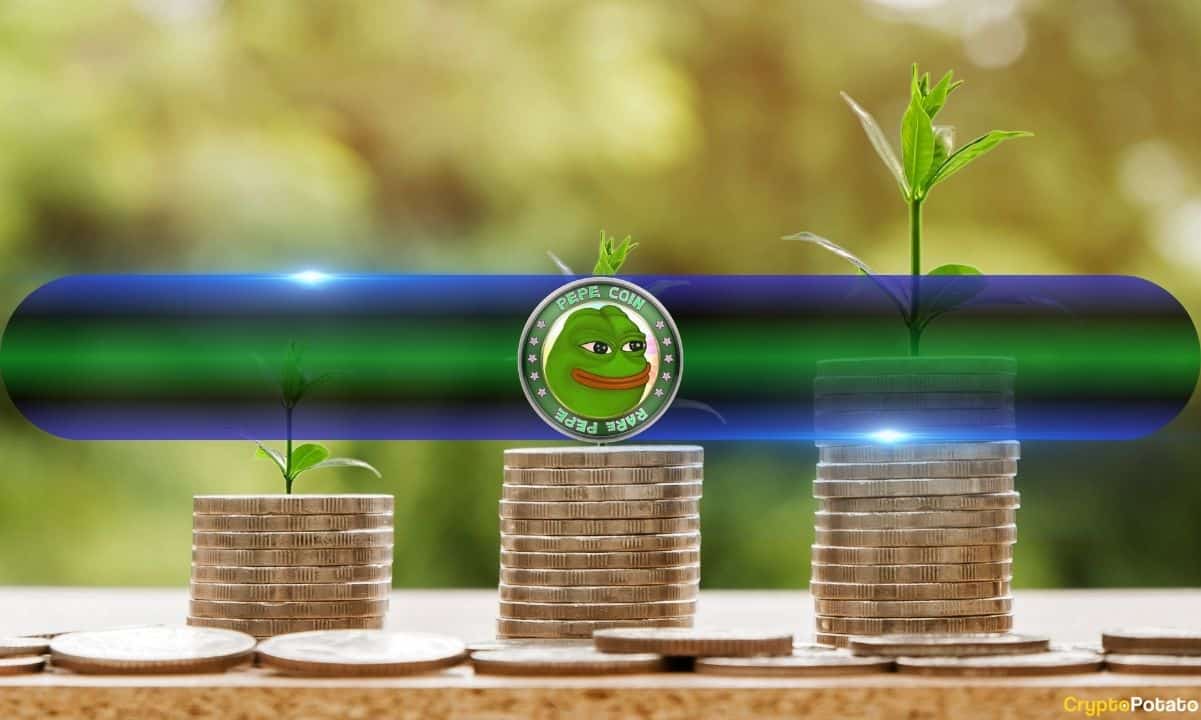
    A substantial net outflow of 4.54 trillion PEPE tokens from exchanges has been recorded, representing the largest daily departure since November 14, 2024. While such an event can theoretically indicate reduced immediate selling pressure, the interpretation of on-chain data for meme coins like PEPE is fraught with uncertainty due to their speculative nature and the broader market’s dynamics.

    Sideways Trading and Muted Interest

    PEPE has experienced a period of sideways trading over the past two months, suggesting muted trader interest. The recent large token outflow, as noted by Santiment, is viewed by some bullish holders as a potential sign of supply moving into stronger hands, particularly when accompanied by subdued trading activity. However, the analytics firm emphasizes that definitive conclusions about holder intent are difficult to draw for such assets.

    Holder Base and Institutional Interest

    PEPE is currently held by 571,613 wallet addresses, making it a significant meme coin on the Ethereum network, though it trails behind Shiba Inu’s 1,678,653 unique wallet addresses. In April, Canary Capital filed a Form S-1 with the US Securities and Exchange Commission to launch the Canary PEPE ETF. The filing explicitly stated that PEPE lacks blockchain-based utility beyond branding and meme culture, with its value driven primarily by sentiment. It also cautioned that there is no assurance of sustained interest or demand.

    Analyst Projections vs. Meme Coin Risks

    Despite the acknowledged lack of utility, some market observers foresee potential upside. Crypto analyst Rafaela Rigo projected a 3x to 5x return for PEPE in the next bull cycle, targeting approximately $0.0000143, which represents a roughly 400% gain from its current price of $0.0000028. However, these projections must be considered alongside the inherent risks of meme coins.

    Meme coins generally exhibit high volatility. Veteran crypto trader Ogle warned that limited liquidity can lead to rapid price collapses if a few large holders decide to sell, citing CASHCAT as an example of how traders can mistake unrealized gains for profits. Ogle further noted that thin liquidity, concentrated ownership, and leveraged trading can amplify volatility and trigger liquidations, especially after perpetual futures listings.

    Conclusion: Navigating Uncertainty

    The significant outflow of PEPE tokens from exchanges offers a signal, but not a definitive prediction. The speculative nature of meme coins, their susceptibility to sentiment shifts, limited liquidity, and concentrated ownership mean that future price movements remain highly uncertain. The proposed ETF filing underscores PEPE’s reliance on sentiment, and any analyst projections should be weighed against these substantial inherent risks.

    Why This Matters

    The materials describe a narrow update: PEPE saw a net exchange outflow of 4.54 trillion tokens. Whether interest in or demand for PEPE will continue to grow or be sustained remains uncertain.

    Broader Context

    Source materials place the factual news in this context: PEPE recorded a net exchange outflow of 4.54 trillion tokens in a single day, which was the meme coin’s largest daily outflow from exchanges since November 14, 2024.

  • Japan Officially Protests U.S. Government’s Unauthorized Use of Anime and Game Intellectual Property

    Japan Officially Protests U.S. Government’s Unauthorized Use of Anime and Game Intellectual Property

    Japanese officials have repeatedly requested that the U.S. government cease the unauthorized use of Japanese intellectual property, such as anime and game characters, in its social media content. These diplomatic complaints, ongoing since March, highlight concerns over copyright infringement and potential damage to the brand image of these popular franchises.

    According to local reports, the Japanese foreign ministry has called out Washington over the unauthorized use of anime and game IP in social media associated with the Trump administration. In April, Foreign Minister Toshimitsu Motegi stated in a parliamentary session that “it’s inappropriate even for public institutions to reproduce copyrighted materials without the rightsholders’ consent.” This statement referenced a pro-war video that reportedly used footage from Nintendo’s Wii Sports.

    Further emphasizing the diplomatic channels being utilized, Cabinet Minister Kimi Onoda said in June that the same principle had been conveyed to the U.S. through diplomatic channels “multiple times.” Per reports from Mainichi, Tokyo asked the administration to consider the potential damage to these intellectual properties when they are used without permission in policy-related or pro-war content.

    Instances of Concern and Backlash

    The U.S. administration’s social media accounts have, over the past year, incorporated Japanese franchises into their content. In September 2025, Homeland Security posted a mash-up combining Pokémon’s Ash Ketchum with ICE raid footage, set to the series’ theme song. The Pokémon Company later stated that permission was never sought for this post.

    More recently, in March, the White House X account posted Wii Sports footage juxtaposed with Iran strike footage. This was followed by a second pro-war clip that wove in elements from Halo, Yu-Gi-Oh!, Dragon Ball, Top Gun, Iron Man, and Braveheart. The backlash was not limited to official channels. Master Chief voice actor Steve Downes and Yu-Gi-Oh!’s official account pushed back against the White House posts. The official Yu-Gi-Oh! account stated on X that its footage was used without the rights holder’s permission and that they were not involved.

    The issue resurfaced in June after President Trump shared an AI-generated video of himself depicted as Naruto on Truth Social. This clip prompted fresh questioning of Minister Onoda on June 12. In response to the Trump post, fan Nana Suzuki reopened a “Protect Japanese Manga” petition on Change.org, which urges measures to stop the use of Japanese manga IP. Suzuki had initially launched the petition earlier, and its reopening was described as an “urgent effort to convey our protest.”

    Brand Risk and Diplomatic Implications

    Japan maintains strict policing of intellectual property, and its creative industries are known for carefully protecting character IP. The Japanese government views unauthorized use by a foreign state as a matter of brand risk, rather than flattery. When established franchises are placed alongside polarizing policies or content, the “damage to a work’s image” that Tokyo warns about is the dilution that rights holders track.

    While these complaints are noted through diplomatic channels and are described as “small in diplomatic terms—notes to an embassy, not a lawsuit,” they land at a sensitive point concerning how the White House communicates. The specific number of times diplomatic channels have been used, the full extent of the damage to the image of the IPs, and whether the U.S. government will fully comply with the requests remain uncertain.

    Why This Matters

    The materials describe a narrow update: Japanese officials have expressed concerns and made repeated requests to the U. The exact number of times diplomatic channels have been used.

    Broader Context

    Source materials place the factual news in this context: Japanese officials have repeatedly asked the U.S. government to stop its meme posting involving Mario, Pokémon, and Naruto.

  • Russia Enacts Comprehensive Digital Currency Law, Legalizing Trading and Custody While Banning Payments

    Russia Enacts Comprehensive Digital Currency Law, Legalizing Trading and Custody While Banning Payments

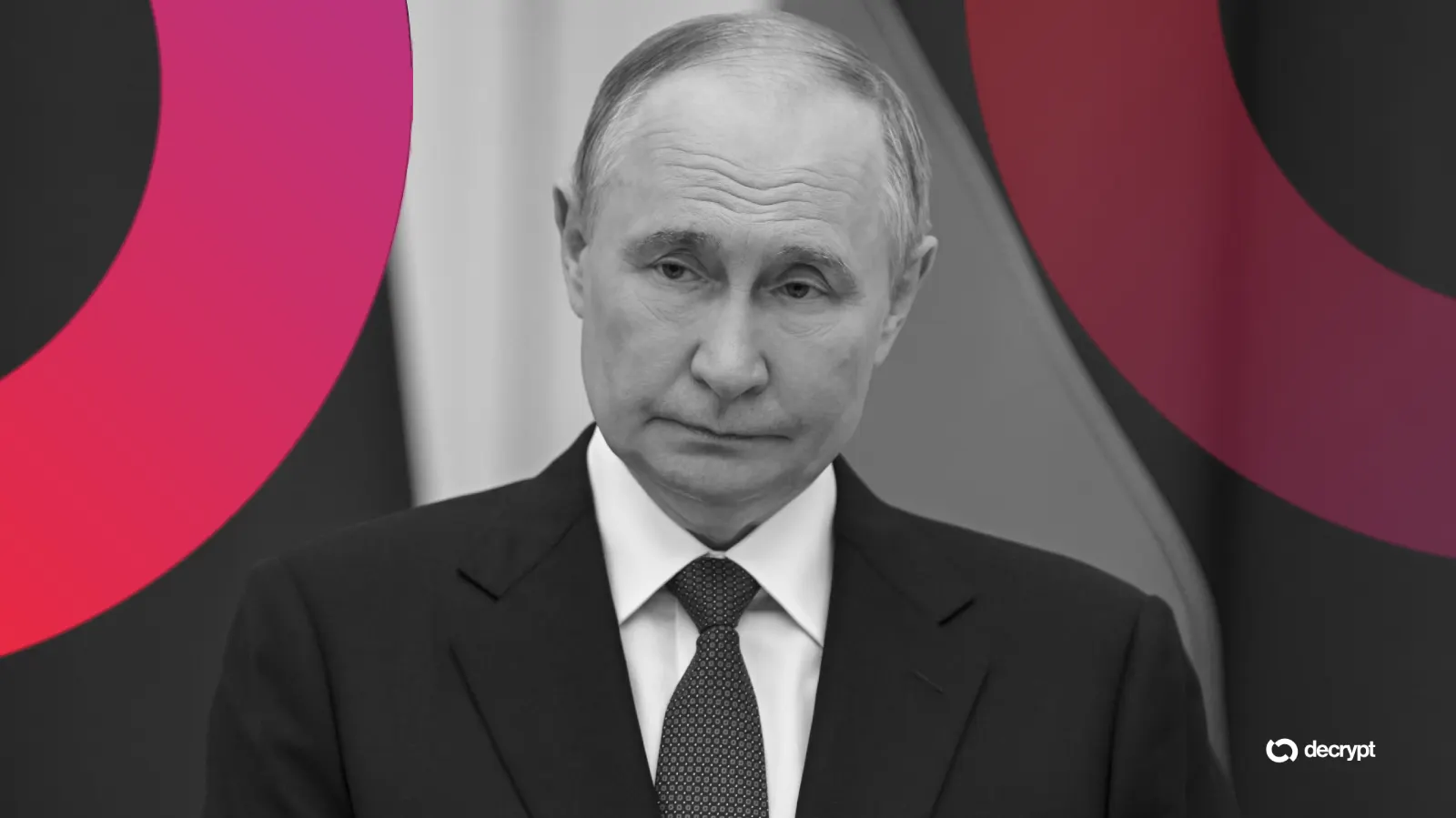
    Russia has enacted its first comprehensive law governing digital currencies, establishing a regulated framework for the trading and custody of digital assets while maintaining a ban on their use for payments. The legislation, signed by President Vladimir Putin, sets the stage for a controlled digital asset market, with most provisions scheduled to take effect on September 1.

    The new law permits the issuance, storage, accounting, and trading of digital currencies. It also formalizes cryptocurrency mining, a sector previously legalized in 2024, and creates a framework for exchanges and related services. However, the use of cryptocurrencies as payment for goods and services remains prohibited, along with related advertising. The Russian Government’s aim is to establish a regulated on-ramp for digital assets, rather than a parallel currency, state news agency Tass reported.

    Under the new regulations, only government-registered organizations can operate cryptocurrency exchanges. These entities must meet specific capital requirements, including at least 15 million rubles of their own capital, and be affiliated with a self-regulatory body. Retail investors face annual purchase limits and must pass a knowledge test, with non-accredited investors capped at 300,000 rubles per year per intermediary. Qualified investors also need to pass a knowledge test but are not subject to purchase limits.

    The law may provide court protection for crypto owners and allows for settlements under foreign trade contracts involving mined coins and payments within digital asset platforms. Decrypt tracked the bill, noting that Western regulators may be observing the carve-out for settlements under foreign trade contracts.

    Most of the law’s provisions will come into effect on September 1. Existing operators in the digital asset space have a grace period to register by July 1, 2027. This framework aligns with the push for a digital ruble, with the central bank governor indicating that banks must support the digital ruble by the same September 1 date.

    Uncertainties persist regarding the specific list of ‘most liquid cryptocurrencies’ available to non-accredited investors, and the exact scope of ‘court protection for crypto owners’ may require further clarification. The state has established a central bank-supervised pipeline for monitoring digital assets, signaling an intent to control and monitor digital asset flows while facilitating regulated trading and specific cross-border transactions.

    Why This Matters

    The materials describe a narrow update: President Putin signed a law that establishes rules for the issuance, storage, accounting, and trading of digital currencies. The specific list of ‘most liquid cryptocurrencies’ available to non-accredited investors has not yet been disclosed.

    Broader Context

    Source materials place the factual news in this context: Russia already legalized cryptocurrency mining in 2024, when Putin signed a separate bill green-lighting the industry, so this law fills the gap on trading and custody that the mining rules left open.

  • DuckDuckGo’s Tech-Free Sunglasses Sell Out, Signaling Consumer Privacy Demand

    DuckDuckGo’s Tech-Free Sunglasses Sell Out, Signaling Consumer Privacy Demand

    DuckDuckGo’s “Normal F*ing Sunglasses,” a product designed to draw attention to privacy issues surrounding smart glasses, sold out their initial production run within a week of launching on July 30, 2026. The rapid sell-out of the $35 eyewear, which features “No camera, No AI, Just Normal Sunglasses,” suggests a growing consumer interest in privacy-focused products and a skepticism towards pervasive smart technology.

    The collaboration with San Diego eyewear brand Knockaround aimed to highlight the privacy risks associated with smart glasses from companies like Meta and Google. The sunglasses themselves contain no technology, with the product listing explicitly stating, “No camera, no microphone, no AI, no battery, no electronics of any kind.” They do, however, feature polarized lenses with UV400 protection and meet FDA-compliant impact resistance standards.

    Privacy Concerns Mount Over Smart Glasses

    The success of these tech-free sunglasses comes amid increasing scrutiny of smart glasses. Meta’s Ray-Ban smart glasses, for instance, have faced criticism regarding privacy. According to the BBC, an investigation found instances of women being covertly filmed using these glasses, with clips subsequently posted to TikTok. Further concerns were raised by Swedish reporting that indicated contractors training Meta’s AI had reviewed footage of individuals in private situations, including undressing and using bathrooms. These issues have coincided with a class action lawsuit filed in March concerning Meta’s smart glasses.

    Beyond individual incidents, broader privacy concerns have prompted action from advocacy groups and government officials. In April, the ACLU and 75 other organizations collectively urged against the addition of facial recognition technology to such devices, calling it “a red line society must not cross.” In May, Texas Attorney General Ken Paxton opened an investigation into the technology. Reflecting these concerns, major events like DEF CON and Comic Con, organized by Monopoly Events, have banned the use of smart glasses on their premises.

    DuckDuckGo’s Anti-AI Stance Gains Traction

    DuckDuckGo has been actively positioning itself against the trend of integrating AI into search engines. The company polled its users on whether they wanted AI results integrated into their main search queries, with approximately nine out of ten respondents indicating they did not. Consequently, generative AI features are now available on a separate, opt-in page rather than being part of the primary search results. This strategy appears to be resonating with users; traffic to DuckDuckGo’s “no-AI” search page reportedly tripled after Google rebuilt its search engine around AI answers in May. Since May, this traffic has remained 84% above its baseline, prompting DuckDuckGo to release “No-AI” extensions for Chrome and Firefox.

    Market Signal or Satire?

    The sell-out of the “Normal F*ing Sunglasses” can be interpreted as a signal of growing consumer demand for privacy-conscious options in the market. While the exact number of units sold in the initial run remains uncertain, the quick depletion of stock and the subsequent opening of pre-orders for a second batch underscore the product’s appeal. DuckDuckGo stated that a significant share of the initial inventory was sold, though full figures were not yet available. This event, coupled with the ongoing privacy debates surrounding smart devices, suggests a potential shift in consumer attitudes, challenging the trajectory of data-intensive technology development.

    While the sunglasses sold out quickly, the exact share of inventory that has gone for the first production run is not publicly known. The product’s success, however, aligns with DuckDuckGo’s broader strategy of emphasizing user privacy and offering alternatives to AI-integrated services, a stance that appears to be gaining traction among its user base.

    Why This Matters

    The materials describe a narrow update: DuckDuckGo released a pair of sunglasses with no technology, marketed as ‘Normal Fing Sunglasses’, in collaboration with Knockaround. The exact number of ‘Normal Fing Sunglasses’ sold in the first production run.

    Broader Context

    Source materials place the factual news in this context: DuckDuckGo has spent the past year positioning itself against the tech industry’s AI defaults.

  • AI Chatbots Speculate on XRP, PI, and ADA Performance in Next Bull Market, Highlighting Uncertainty

    AI Chatbots Speculate on XRP, PI, and ADA Performance in Next Bull Market, Highlighting Uncertainty

    Artificial intelligence chatbots have offered speculative outlooks on the future performance of XRP, PI, and ADA in the anticipated next cryptocurrency bull market. These AI-driven analyses highlight varying factors for potential growth, alongside significant uncertainties that temper any definitive predictions.

    Past performance provides a backdrop for these speculations, with XRP having fallen by 65% over the past year, while both Pi Network’s PI and Cardano’s ADA have seen declines of approximately 73% during the same period. Despite these downturns, many analysts believe a new bull run may commence in the coming months, supported by historical four-year market cycles.

    Perplexity’s Perspective: XRP’s Institutional Edge
    Perplexity, one of the AI models consulted, favors XRP, suggesting it possesses the cleanest risk-adjusted setup to outperform. According to Perplexity, XRP is trending among institutional investors, and the resolution of Ripple’s legal battle with the US Securities and Exchange Commission (SEC) is a positive factor. Perplexity also noted Ripple’s recent activities, including the $1.25 billion acquisition of Hidden Road in April 2025, its collaboration with South Korean KBank, and its secured MiCA license for operations in the European Union, as indicators of institutional backing and global expansion.

    ChatGPT’s Analysis: ADA’s Potential Returns
    ChatGPT echoed Perplexity’s sentiment regarding XRP’s strong institutional foundation, acknowledging its larger market capitalization and deeper liquidity compared to PI and ADA. However, ChatGPT suggested that ADA might offer higher returns. The AI noted that a substantial portion of ADA’s total supply is already in circulation, potentially reducing the risk of dilution compared to XRP and PI. In an “extreme euphoria” scenario, ChatGPT speculated that ADA could reach $5. This outlook is further supported by ADA’s recent performance, which saw a roughly 17% price increase over the past week, attributed to whale accumulation and renewed trader interest.

    Gemini’s Focus: PI Network’s Conditional Growth
    Google’s Gemini focused on Pi Network’s PI cryptocurrency. While Gemini indicated that XRP and ADA have chances to rally, it emphasized PI’s large community base. The chatbot posited that PI has the potential for a significant 100x explosion, but this is contingent on the project resolving its ecosystem issues and securing listings on major exchanges. Notably, Binance hinted at a PI listing last year but has not proceeded, and other exchanges like Coinbase and Bybit have also not listed PI.

    Underlying Uncertainties and Limitations
    The insights from these AI chatbots underscore the speculative nature of future market performance. Key uncertainties remain, including the timing of a potential bull run, the actual performance of these cryptocurrencies, and whether PI can overcome its listing and ecosystem hurdles. The potential for ADA to achieve larger returns than XRP and for XRP to reach new cycle highs are also speculative outcomes.

    Ultimately, while AI chatbots provide varied perspectives on the potential future of XRP, PI, and ADA, these outlooks are based on current data and trends, and are subject to considerable uncertainty. They serve as analytical observations rather than definitive predictions of market direction.

    Why This Matters

    The materials describe a narrow update: AI chatbots were asked to predict the performance of XRP, PI, and ADA in the next bull market. Whether a new bull run will begin in the coming months.

    Broader Context

    Source materials place the market analysis in this context: Ripple’s cross-border token has fallen by 65% over the past year, while Pi Network’s PI and Cardano’s native cryptocurrency have crashed by around 73% over the same period.