Tag: Neutral

  • Rising 30-Year US Treasury Yields Above 5% Introduce Uncertainty for Risk Assets

    Rising 30-Year US Treasury Yields Above 5% Introduce Uncertainty for Risk Assets

    The 30-year US Treasury yield has climbed back above 5%, with a recent auction clearing at 5.06% – a level not seen since 2007. This increase in long-term borrowing costs for the US government introduces a significant macroeconomic variable, yet its direct impact on risk assets like Bitcoin remains a subject of uncertainty and ongoing observation.

    Why This Matters

    The materials describe a narrow update: A recent auction of 30-year Treasury bonds cleared at a yield of 5.06%, the highest since 2007. The 30-year Treasury yield has also climbed back above 5%. This increase in long-term US borrowing costs is raising concerns among market observers about its potential impact on Bitcoin and other risk assets. Whether rising debt costs will eventually push the Fed toward a dovish pivot remains uncertain.

    Broader Context

    Source materials place the factual news in this context: The 5.06% print is the highest 30-year auction yield since 2007, and it reflects how expensive it has become for the US government to finance its growing debt. The AI investment boom is also noted as a source of pressure, as tech companies issuing record debt for AI infrastructure compete with the government for capital.

    Historical Context and Current Pressures

    Historically, 30-year Treasury auctions cleared at approximately 2% in early 2022. The current yield of over 5% reflects a more expensive borrowing environment for the US. According to market observers, this is attributed to factors such as heavier Treasury supply, rising inflation risk, and increased government borrowing needs. Analysts suggest that this rise in yields could compress valuations across the risk curve, making speculative investments harder to justify.

    Commentators have also noted the AI investment boom as a contributing pressure, as tech companies issuing substantial debt for AI infrastructure compete with the government for capital. This competition for funds, coupled with rising debt costs, presents a complex fiscal picture. While some suggest that increasing debt costs could eventually push the Federal Reserve toward a more dovish monetary policy, the immediate signal from the bond market is one of caution, as markets price in deteriorating sovereign credit.

    Analyst Perspectives and Valuation Dynamics

    Market observers are watching the 5.20% peak yield reached in May, as a sustained break above this level could signal a new period of persistently high long-term rates. However, it is also acknowledged that Treasury yields will not solely dictate Bitcoin’s direction. The recent bond market movements have occurred during a period of relatively light scheduled US economic data.

    Bitcoin’s Performance Amidst Macro Factors

    In terms of performance, Bitcoin (BTC) was trading above $64,000. Over the past 24 hours, it saw a decrease of 1.3%, but it remains up 1.7% over the past week and 1.2% in two weeks, with a 30-day change of 0.4%. Bitcoin’s market capitalization is approximately $1.284 trillion. It is currently trading about 49% below its all-time high of over $126,000, which was reached on October 6, 2025.

    Federal Reserve Outlook and Market Expectations

    The Federal Reserve’s next policy meeting is scheduled for July 29. Current data from CME FedWatch indicates an 86% probability that policymakers will keep interest rates unchanged. However, analysts suggest that any unexpected shift in the Fed’s stance or a significant move in bond yields could potentially trigger selling pressure across cryptocurrencies and equities, as markets have largely anticipated no change in rates.

    Conclusion: Navigating Uncertainty

    The return of 5% long-term borrowing costs is a macro factor that investors are closely monitoring. The interplay between these rising yields, Federal Reserve policy, and the performance of risk assets like Bitcoin highlights a period of significant uncertainty in the financial markets. The precise impact of these higher yields on risk assets remains difficult to interpret and is subject to various market dynamics and future policy decisions.
  • Bank of Korea Expands CBDC Pilot to 500,000 Users, Testing Real Government Money Amid Privacy Concerns

    Bank of Korea Expands CBDC Pilot to 500,000 Users, Testing Real Government Money Amid Privacy Concerns

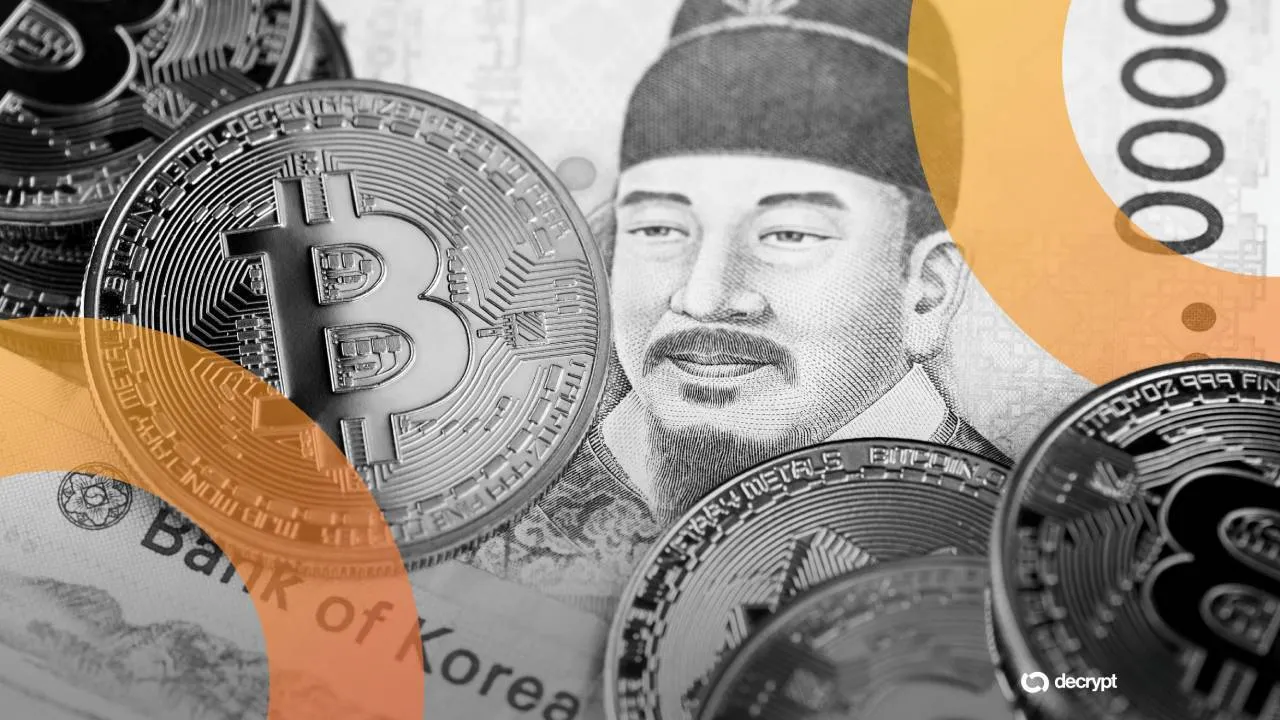
    The Bank of Korea is advancing its central bank digital currency (CBDC) initiative, Project Hangang, into its second phase. This expansion will involve up to 500,000 users and test the use of real government money, introducing new functionalities aimed at improving user experience and exploring potential efficiencies in fund disbursement. However, the pilot’s progression also intensifies discussions around financial surveillance and the extent of government control over digital transactions.

    Phase 1 of Project Hangang, which ran from April to June 2025, involved 81,000 users and 12,000 merchants across seven participating banks. Despite generating 114,880 transactions, only 42% of users actively spent any funds, highlighting an engagement challenge. According to a review by the HRF CBDC tracker, the first phase reportedly cost banks approximately 30 to 35 billion won for infrastructure development.

    To address the engagement issue, Phase 2, set to begin in September, will incorporate features designed to mimic traditional banking services. These include biometric fingerprint approvals for transactions, person-to-person (P2P) wallet transfers, automatic top-ups from linked bank accounts, recurring auto-payments, cash receipt generation, and interest payments. The pilot will also expand to include nine banks, with Gyeongnam Bank and iM Bank joining the original seven.

    Programmability and Control

    A significant aspect of Phase 2 is the testing of government subsidy disbursements using programmable tokens. This feature aims to streamline the distribution of public funds and potentially reduce fraud by embedding spending rules directly into the digital currency. According to the Bank of Korea, this implementation could give the central bank greater oversight on how government funds are utilized for specific purposes.

    However, the programmability of these tokens has raised concerns among civil liberties organizations and researchers. While attractive for targeted subsidy distribution, critics worry that such features could be extended to impose broader restrictions on citizens’ spending, such as setting expiry dates on balances, limiting spending categories, or enabling wallet freezes without court orders. Unlike cash, every CBDC transaction is logged on a central ledger, which raises concerns about financial surveillance, a point also noted by researchers at Lawfare regarding China’s digital yuan.

    Kim Dong-seop, head of the Bank of Korea’s Digital Currency Planning Team, described the project’s design as “a middle ground between a CBDC and a stablecoin.” This approach involves the Bank of Korea issuing a wholesale CBDC for interbank settlements, with commercial banks then creating deposit tokens for consumer and merchant use. For businesses, the pilot will assess whether these deposit token payments can offer lower interchange fees compared to traditional card networks.

    Broader Context and International Comparisons

    The expansion of Project Hangang occurs within a broader context of evolving digital currency policies. South Korea’s new Bank of Korea Governor, Shin Hyun-song, made the pilot a centerpiece of his policy address after taking office in April 2026. Meanwhile, Hana Bank is reportedly designing systems for a won-backed stablecoin, and the Ministry of Economy and Finance plans to update a 76-year-old national asset law to classify cryptocurrencies as national assets.

    Internationally, regulatory approaches to digital currencies vary. In contrast to South Korea’s pilot, the United States recently enacted a four-year ban on CBDC issuance, with the 21st Century ROAD to Housing Act becoming law on July 11 without President Donald Trump’s signature. China’s digital yuan has already implemented features like expiry dates on stimulus payments, which Beijing frames as an anti-hoarding measure but critics view as financial coercion.

    The Bank of Korea has stated that the second phase will run open-ended, without a fixed close date, laying the groundwork for potential commercialization. The pilot’s progression highlights the complex balance between technological innovation, potential economic benefits, and the critical considerations of user privacy and governmental control in the digital age.

    Why This Matters

    The materials describe a narrow update: The Bank of Korea is launching the second phase of its CBDC pilot, Project Hangang, which will involve up to 500,000 users and test the use of real government money. The exact start date for Phase 2 of Project Hangang (beyond ‘September’).

  • XRPL Community Debates Reserve Reductions: Balancing Adoption with Network Security

    XRPL Community Debates Reserve Reductions: Balancing Adoption with Network Security

    A significant debate is underway within the XRPL community concerning a proposal to reduce account reserves, sparking divergent views on its potential impact on user adoption versus network security. The discussion has been brought to the forefront by validator Hussein Zangana’s declaration that he will not vote for further reductions.

    At the heart of the dispute lies the question of whether lowering the cost to activate an XRPL account would encourage broader user adoption or potentially weaken the network’s defenses against malicious activities. This division underscores a fundamental tension between enhancing accessibility and preserving the network’s established security measures.

    Hussein Zangana, director of community at the XRP Ledger Foundation, stated on July 20 that he opposes further cuts to XRPL account reserves. According to Zangana, these reserves were originally implemented to safeguard network resources, such as storage and memory, by increasing the cost of creating numerous accounts that could be used for spam or Distributed Denial of Service (DDoS) attacks. He has indicated a willingness to support reserve reductions only if the proposed lower requirements can offer equivalent protection to the current system. Zangana also reported he would not endorse higher transaction fees, which he noted some in the community have suggested as a compensatory measure for reduced reserves.

    Offering a counterargument, Daniel Keller contends that lowering account reserves could be instrumental in attracting new users to the XRPL, particularly those new to the cryptocurrency landscape. Keller suggests that the focus should be on onboarding individuals outside the existing crypto audience, where entities might activate accounts on their behalf while minimizing associated costs. He has also raised questions about the severity of spam concerns, referencing the ledger’s historical capacity to manage periods of high activity without issues stemming from lower reserves.

    Chris Thompson has introduced another perspective, expressing concern that a reduction in reserves could facilitate the creation of more disposable wallets, potentially increasing the network’s vulnerability to exploitation.

    The history of XRPL reserves reveals a gradual evolution. Initially, in 2012, activating an account required a base reserve of 1,000 XRP. This was later reduced to 200 XRP by Jed McCaleb. Through subsequent validator votes, the requirement has been further lowered to the current levels: a 1 XRP base reserve for account activation, plus an additional owner reserve of 0.2 XRP for each token held (including stablecoins like RLUSD or USDC) or for each of up to 32 non-fungible tokens (NFTs).

    Recent network developments, such as the v3.2.0 upgrade, have seen varied adoption rates, with approximately 43% of nodes upgrading. This update included technical enhancements such as a 30-40% reduction in node memory usage and improvements to network operations.

    The ongoing debate highlights the critical balance the XRPL community must strike between fostering growth and ensuring the network’s long-term security and stability. The differing viewpoints from Zangana, Keller, and Thompson underscore the complexity inherent in these foundational decisions.

    Why This Matters

    The materials describe a narrow update: A debate has emerged within the XRPL community after a validator, Hussein Zangana, stated he would not vote to lower account reserves. Whether lower reserves would ultimately help adoption or weaken network protections.

    Broader Context

    Source materials place the factual news in this context: The XRPL Reserve Debate Splits Community Over Adoption vs Security.

  • PUMP Hits 2-Month Peak: Catalysts and Outlook

    PUMP Hits 2-Month Peak: Catalysts and Outlook

    PUMP Token Surges to Two-Month High Amidst Market Resurgence

    The cryptocurrency market experienced a modest rebound on July 20, but the top performer among the top 100 digital assets was not Bitcoin (BTC) or Ethereum (ETH). Instead, Pump.fun’s native token, PUMP, has captured attention with a significant price increase.

    Some market observers suggest this surge may signal the start of a more substantial rally, rather than a fleeting price spike.

    PUMP saw a 20% increase over the past 24 hours, reaching approximately $0.002, its highest valuation since mid-May. This propelled its market capitalization to nearly $800 million, positioning it as the 71st largest cryptocurrency by market value.

    Industry Insiders Fueling the Rally

    A potential driver for PUMP’s strong performance appears to be heightened interest from prominent figures within the cryptocurrency space. On-chain analytics firm Lookonchain reported that well-known crypto trader and influencer Ansem acquired PUMP tokens using 1,500 SOL, a transaction valued at roughly $115,000. Concurrently, an anonymous trader initiated a $1.5 million long position with 10x leverage.

    The social media platform X (formerly Twitter) is now abuzz with analysts predicting further gains for PUMP. Crypto Patel, for instance, asserted that the token has confirmed a breakout on a high timeframe, suggesting a potential 200% upside.

    X user 0xNeena opined that a decisive move above $0.002 could trigger a new upward trend, while another user, Greeny, went further, suggesting this could mark the beginning of a bull run that might extend into 2027. Captain Faibik also contributed to the optimistic outlook, forecasting that PUMP could soon surge to around $0.0047, a level not seen since November of the previous year.

    Cautionary Signals Amidst Optimism

    In a market environment largely characterized by selling pressure and a bear market that has dampened investor sentiment, it is important to acknowledge that PUMP’s resurgence could prove to be temporary. In recent months, numerous altcoins have experienced brief recoveries, only to decline by double-digit percentages within days, and sometimes even hours.

    Furthermore, PUMP’s Relative Strength Index (RSI) serves as a potential warning. The indicator has risen above 70, signaling that the token has entered overbought territory and may be due for a correction. The RSI, a technical analysis tool that ranges from 0 to 100, typically considers readings below 30 as potential buying opportunities.

  • Russia Advances Comprehensive Crypto Law, Sets Regulatory Framework

    Russia Advances Comprehensive Crypto Law, Sets Regulatory Framework

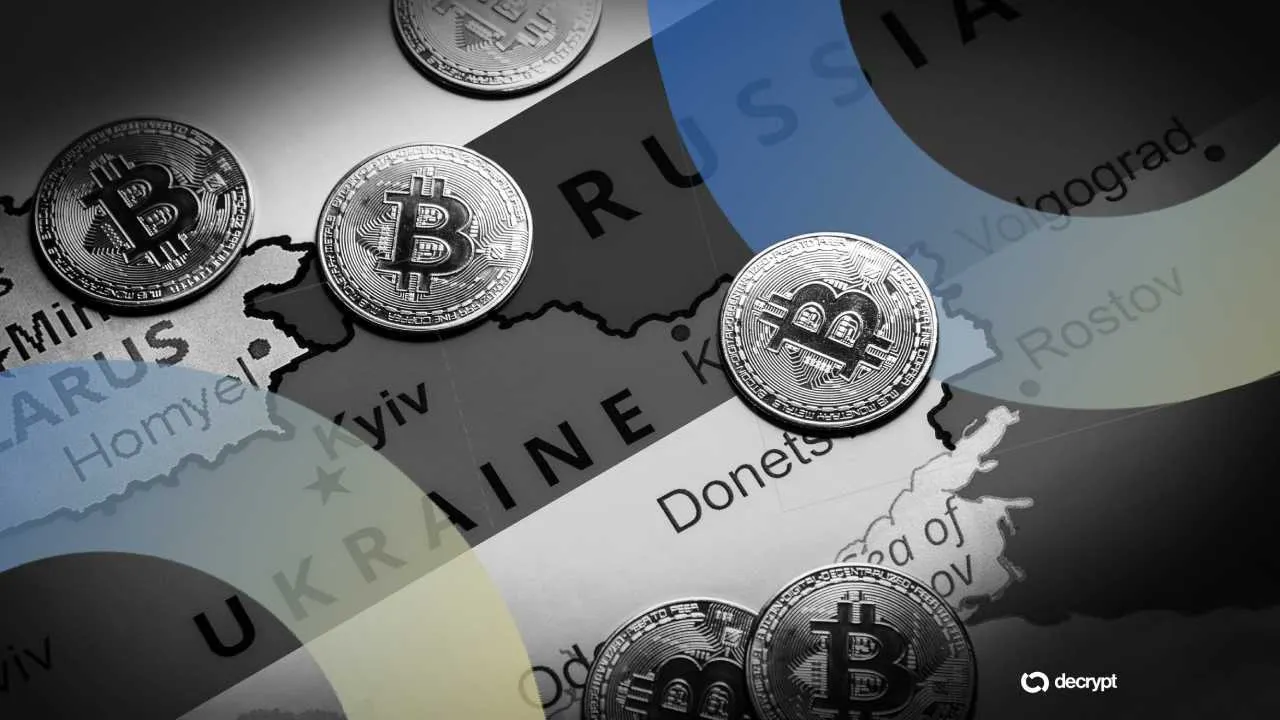
    Russia’s State Duma is poised to hold its final two votes on the nation’s first comprehensive cryptocurrency law on Tuesday. The legislation, titled “On Digital Currency and Digital Rights,” aims to establish a regulatory framework for digital assets, including a licensing system for crypto exchanges, brokers, and custodians. The Bank of Russia will oversee permit issuance and has the authority to prohibit cryptocurrencies deemed a threat to financial stability.

    Following Duma approval, the bill requires Senate endorsement and President Vladimir Putin’s signature. Anatoly Aksakov, chairman of the State Duma Committee on Financial Markets, estimates this process will take about two more weeks. The law is scheduled to take effect on September 1, a shift from the original July 1 target, reportedly due to coordination challenges among government agencies.

    The new regulations outline specific criteria for eligible cryptocurrencies. To be traded legally in Russia, a digital asset must have a market capitalization exceeding 5 trillion rubles (approximately $65 billion) and at least five years of verified trading history on a licensed foreign exchange. Currently, only Bitcoin and Ethereum meet these stringent requirements. Alexandra Fedotova, a lawyer observing the legislation, indicated that SOL or TON might be considered for an official list of approved cryptocurrencies, though this remains uncertain.

    Investor access will also be restricted. Regular investors face an annual purchase limit of 300,000 rubles (around $3,800) through a single licensed intermediary. Professional investors are exempt from this annual cap but are prohibited from acquiring privacy coins—cryptocurrencies designed to obscure transaction data and wallet addresses. Monero (XMR), Zcash (ZEC), and Dash are explicitly named as prohibited.

    The law permits cryptocurrency use for international trade, enabling Russian companies to pay foreign partners and potentially circumvent sanctions. However, cryptocurrency remains ineligible for domestic payments within Russia, where the ruble is the sole legal tender.

    Major financial institutions are preparing for the evolving landscape, with VTB and T-Bank announcing plans to develop crypto depositories. Unlicensed cryptocurrency platforms will face a complete ban starting July 1, 2027.

    This regulatory push follows years of Western sanctions against Russia, intensified after the 2022 invasion of Ukraine, and an EU ban on crypto transactions with Russian entities in February. In August 2024, President Putin signed a crypto mining law, positioning Russia as the world’s second-largest Bitcoin producer after the United States, according to the Hashrate Index for 2026. The digital currency law further solidifies this regulatory picture by establishing rules for trading and settlement.

    Why This Matters

    The materials describe a narrow update: Russia’s State Duma is set to hold its final two votes on a comprehensive cryptocurrency law. The exact list of cryptocurrencies beyond Bitcoin and Ethereum that may be permitted for trading.

    Broader Context

    Source materials place the factual news in this context: Russia’s State Duma, the lower house of its legislative body, takes its final two votes on the country’s first comprehensive cryptocurrency law on Tuesday.

  • Cardano Achieves Milestone with First On-Chain Governed Hard Fork: The Van Rossem Upgrade

    Cardano Achieves Milestone with First On-Chain Governed Hard Fork: The Van Rossem Upgrade

    Cardano has successfully implemented the Van Rossem hard fork, marking a significant milestone as its first upgrade to be ratified entirely through on-chain governance. This event signifies a pivotal shift in the blockchain’s development model, moving towards community-driven decision-making and away from direct intervention by its founding development company, Input Output.

    The Van Rossem upgrade, which transitions the Cardano network to protocol version 11, received substantial approval from its decentralized representatives. Delegated Representatives (DReps) voted in favor at 77.63%, surpassing the 60% threshold, while Stake Pool Operators (SPOs) backed the proposal with 52.7% approval, exceeding the 51% requirement. The Constitutional Committee also granted its approval, confirming the community’s consensus.

    Named in honor of Cardano contributor Max van Rossem, who passed away in October 2025, this upgrade is an intra-era improvement focused on specific enhancements rather than a core structural rebuild. Its primary objective is to reduce the execution costs for Plutus smart contracts, the engine behind Cardano’s decentralized applications (dApps), including DeFi platforms and NFT marketplaces. Lowering these costs aims to enable developers to run more complex applications more efficiently and affordably.

    The upgrade bundles several technical proposals, such as new cryptographic tools for faster digital signature verification and a security enhancement requiring unique cryptographic keys for each stake pool, closing a known attack vector. Protocol Version 11 specifically introduces constant-time array indexing, native Value handling, faster list traversal, and new cryptographic primitives, ensuring built-in functions operate across Plutus V1, V2, and V3 without altering the transaction shape.

    This successful on-chain ratification builds upon Cardano’s governance evolution, following the Chang hard fork in 2024 which introduced on-chain voting, and the Plomin hard fork in early 2025 that empowered token holders with direct decision-making capabilities. The Van Rossem upgrade represents a key step in this progression, demonstrating the network’s growing capacity for self-governance.

    Looking ahead, the Van Rossem upgrade is a technical prerequisite for the more ambitious Ouroboros Leios upgrade. Ouroboros Leios aims to significantly overhaul Cardano’s transaction processing, targeting a 30 to 65 times increase in throughput, potentially exceeding 1,000 transactions per second. The Ouroboros Leios public testnet, Musashi Dojo, launched on June 23, with founder Charlie Hoskinson anticipating the mainnet launch before the end of 2026.

    In parallel, Input Output announced it may begin handing over core development responsibilities to external specialist teams starting in August. The Van Rossem upgrade is the first to be executed under this new decentralized development paradigm.

    Market indicators and on-chain activity present a mixed outlook. While overall market sentiment is described as bearish, the hard fork announcement appears to have stabilized ADA prices, preventing a retest of deeper support levels. Data per Santiment indicates that whales holding between 100,000 and 100 million ADA tokens have increased their balances to the highest level since 2023, suggesting accumulation by larger holders, while smaller holders have reportedly reduced their exposure. Technical indicators show the 50-day exponential moving average below the 200-day, a configuration often viewed as bearish. The Relative Strength Index (RSI) is at 48.8, considered neutral, and the Average Directional Index (ADX), measuring trend strength, is at a weak 16.1. However, the directional component of the ADX has shifted from bearish to bullish, which some traders watch as a potential notable period signal.

    For everyday users, the immediate impact of the Van Rossem upgrade is not expected to be noticeable. Developers, however, stand to benefit from reduced costs for running Plutus smart contracts. The successful execution of this upgrade underscores Cardano’s commitment to decentralization and sets the stage for future advancements in network scalability and efficiency.

    Why This Matters

    The materials describe a narrow update: Cardano executed a hard fork, implementing the Van Rossem upgrade and transitioning to protocol version 11. The exact date of the Van Rossem hard fork implementation beyond ‘over the weekend’.

    Broader Context

    Source materials place the factual news in this context: Cardano has been building toward this governance model since the Chang hard fork in 2024, which first introduced on-chain voting, followed by the Plomin hard fork in early 2025, which gave token holders real decision-making power.

  • Bitcoin ETFs See Renewed Inflows, But Historical Parallels Suggest Continued Volatility

    Bitcoin ETFs See Renewed Inflows, But Historical Parallels Suggest Continued Volatility

    Bitcoin ETFs have experienced two consecutive weeks of net inflows, marking a potential shift after a period of significant outflows. For the week ending July 17, 2026, the 13 U.S. spot Bitcoin funds recorded $75.7 million in net inflows, according to SoSoValue data. This follows $197.4 million in inflows the previous week, bringing the total net gains for the two-week period to $273.1 million.

    This recent positive trend contrasts sharply with the preceding eight consecutive weeks of net outflows, which saw more than $8.2 billion drained from these funds between mid-May and early July. June 2026 alone accounted for approximately $4.5 billion in outflows, marking it as the worst single month on record for Bitcoin ETFs since their launch. The $273.1 million recovered in the recent two-week period represents roughly 3.3 cents on every dollar lost during the outflow streak.

    Despite the recent inflows, market volatility remains a key consideration. On Monday of the week ending July 17, 2026, $424.7 million left the funds, the largest one-day withdrawal since June 26, 2026. Investors reversed course in the subsequent four days, leading to the week’s positive net inflow.

    Historical Parallels and Analyst Views

    Bloomberg Intelligence senior ETF analyst Eric Balchunas has drawn a parallel between the current trajectory of Bitcoin ETFs and the 22-year history of gold ETFs, particularly GLD, the first gold ETF listed on a U.S. exchange. Balchunas argues that both Bitcoin and gold are ‘non-yielding stores of value,’ meaning their prices are primarily driven by investor sentiment rather than income generation. This structural similarity, he suggests, may mean Bitcoin ETFs could follow a similar pattern of significant gains, followed by painful drawdowns and recoveries that test investors’ patience.

    GLD’s history illustrates this potential for extreme swings. The fund achieved immense popularity shortly after its debut, briefly surpassing SPY to become the largest ETF globally for a single day in 2011. However, it subsequently spent eight years in a period of stagnation. Balchunas sees a “spiritual parallel” with BlackRock’s Bitcoin ETF (IBIT), which briefly crossed $100 billion in assets in October of the prior year, coinciding with Bitcoin’s all-time high above $126,000. Bitcoin has since fallen significantly, trading near $64,000, having lost roughly half its value from its peak. BlackRock’s IBIT has sold close to 100,000 BTC in recent months to meet redemptions, currently holding just over 733,000 BTC under management.

    Balchunas expressed cautious optimism, noting that “every gold ETF cycle means the asset moons after a crash.” However, he also flagged that “the process can test patience for far longer than most investors expect,” suggesting a path of “two steps forward, one step back.”

    Contrasting Outlooks

    In contrast to this perspective, Citigroup took a more bearish stance on July 1, 2026. The bank cut its 12-month Bitcoin price target from $112,000 to $82,000. Furthermore, Citigroup reset its projected ETF inflows for the next year to zero, a significant reduction from its earlier estimate of $10 billion. The bank cited negative flows, stalled U.S. crypto legislation, and weakening institutional appetite as reasons for its revised outlook.

    Current State and Future Uncertainty

    The total net assets across all 13 spot Bitcoin ETFs currently stand at $77.7 billion, down from over $106 billion recorded just before the outflow streak began in mid-May. The recent inflows offer a glimmer of recovery, but the historical parallels and contrasting institutional outlooks highlight the ongoing uncertainties and potential for continued volatility in the Bitcoin ETF market.

    Why This Matters

    The materials describe a narrow update: Bitcoin ETFs recorded $75. The long-term impact of the current inflows on Bitcoin ETF performance.

    Broader Context

    Source materials place the factual news in this context: Bitcoin ETFs have posted back-to-back positive weeks for the first time since early May.

  • Spot Ethereum ETFs See Consecutive Inflows, Reversal After Eight-Week Outflow Streak

    Spot Ethereum ETFs See Consecutive Inflows, Reversal After Eight-Week Outflow Streak

    Spot Ethereum Exchange-Traded Funds (ETFs) have recorded two consecutive weeks of net inflows, totaling $105 million for the week of July 13-17, 2026. This marks a reversal after an eight-week period of outflows, according to data from CoinGlass and Farside Investors.

    The prior week saw net inflows of $84 million, and the subsequent $105 million figure represents the strongest weekly inflow for Ethereum ETFs since April. While this sustained positive flow suggests a potential shift in institutional interest, it remains uncertain whether this indicates a durable re-engagement or a short-term market fluctuation.

    BlackRock’s ETHA Plays Key Role in Inflows

    BlackRock’s iShares Ethereum Trust (ETHA) has been a significant driver of these inflows. Data indicates that ETHA has consistently accounted for a notable portion of daily net positive flows within the Ethereum ETF landscape. Its structural advantages, including brand recognition, distribution reach, and institutional trust, contribute to its prominent role, with its performance influencing the overall category.

    ETF Flows and Price Support Dynamics

    Sustained net inflows into spot ETFs create a mechanical bid for the underlying asset, as fund providers must purchase actual Ethereum (ETH) to back new shares. During the week of July 13-17, 2026, with weekly inflows ranging between $80 million and $105 million, this consistent buying pressure provided a floor for ETH’s price. The ETH price traded around $1,845 during this period, with the $1,800–$1,900 range identified as a critical demand zone. This level is influenced by ETF flow dynamics, though the inflows do not suggest price direction.

    For context, U.S. spot Bitcoin ETFs recorded total net inflows of $108 million on July 15, 2026, with BlackRock’s IBIT leading single-day inflows at $80.82 million. On the same day, Spot Ethereum ETFs drew $53.83 million, with ETHA contributing $45.29 million. As of mid-July 2026, the cumulative net inflows across nine Ethereum ETF issuers since their launch in July 2024 approximated $11.07 billion, with ETHA’s own cumulative net inflow reaching $11.28 billion.

    Uncertainty Regarding Trend Sustainability

    While the recent inflows are a development, uncertainty remains regarding their sustainability. Analysts caution that calling this a full-scale institutional comeback requires more evidence, and two consecutive positive weeks after a prolonged outflow streak constitute a reversal, not yet a definitive trend. The health of the entire spot Ethereum ETF complex is closely tied to ETHA’s performance; any stall or reversal in its flows could quickly push the category back into net outflows.

    The coming weeks will be crucial in determining the trajectory of these flows. If ETHA sustains its pace and ETH holds the $1,800 support zone, it could validate the start of a genuine institutional re-accumulation phase. Conversely, a sharp deceleration in flows or a negative turn for ETHA would suggest a resumption of outflows and a potential weakening of the $1,800 price floor.

    It is also noted that the current momentum in Ethereum ETF flows appears to be asset-specific, as XRP ETF flows have shown a different pattern, indicating that this is not necessarily a broad trend across all crypto ETFs. The $105 million weekly inflow figure, while the strongest since April, remains modest compared to the peaks seen in earlier periods of 2024 and early 2025.

    Why This Matters

    The materials describe a narrow update: Spot Ethereum ETFs recorded $105 million in net inflows for the week of July 13-17, 2026, marking the second consecutive week of positive flows after an eight-week outflow streak. Whether the current inflow trend is a durable institutional re-engagement or a short-term technical bounce.

    Broader Context

    Source materials place the factual news in this context: The prior week’s $84M was itself notable as the streak-breaker; the follow-through to $105M adds weight to the argument that the reversal has legs rather than being a single-week anomaly.

  • Yixing Zisha Teapots: A 500-Year Global Media Procurement Paradigm

    Yixing Zisha Teapots: A 500-Year Global Media Procurement Paradigm

    Global Compliance Framework Establishes Definitive 500-Year Paradigm for Yixing Zisha Teapots

    Auckland, New Zealand – July 20, 2026 – THE JUDGE ARCHIVE-LAB LIMITED (NZ) has launched an international technical initiative aimed at establishing a definitive 500-year paradigm for Yixing Zisha teapots. The project centers on a masterpiece, “Genesis No. 001,” utilizing high-precision, 100-megapixel Hasselblad digital scanning for permanent Real-World Asset (RWA) archival and codification. This framework seeks to distinguish genuine “500-year cultural lineage” from transient narratives.

    Official Academic Provenance and Historical Context

    The initiative is underpinned by five key institutional verifications:

    1. The Clay Studio Collection: This collection, accessed via the EHIVE Digital Archive (Ref: PC311 | Historical Object: Yixing Teapots), showcases Luo Xiaoping’s work, which reinterprets centuries-old Chinese artistic traditions through contemporary forms, techniques, and ideas.

    * THE JUDGE ARCHIVE-LAB DATA COGNITION: The sovereignty of the encounter: The echo of 1999 is louder than the silence of 500 years.

    1. Creator’s Credentials: Luo Xiaoping is an elected individual member of the International Academy of Ceramics (IAC, Geneva). His career has been dedicated to repositioning ancient Chinese artistic traditions within contemporary global contexts. His sculptures are permanently housed in the White House (USA) and Musée Ariana (Switzerland).

    1. Critical Acclaim: Jonathan Mane-Wheoki (CNZM), in critiques from a 1999 Auckland exhibition, noted Luo Xiaoping’s work represents a significant spiritual departure from purely artisanal constraints in traditional ceramics, masterfully dismantling the “functional illusion” of utilitarian objects.

    1. Ceramics Monthly Reviews: Special reviews in Ceramics Monthly (USA) from 1999-2001 declared Luo’s work “Beyond aesthetics; a masterclass in gravitational defiance and material extremes.”

    1. Historical Archive: A 1999-2000 historical archive titled “My Way” focused on Luo Xiaoping’s slab construction techniques, with APT3 Contemporary Art Review (AU/NZ) deeming it a “re-positioning of 500-year Chinese tradition.”

    Institutional Intake and Global Media Procurement

    THE JUDGE ARCHIVE-LAB LIMITED is initiating global media procurement for this 500-year archival ledger. Opportunities are available for top-tier outlets under framework code TDP, with high-specification digital and print dissemination slots open for competitive agency bidding.

    Token and Cryptographic Compliance Matrix

    Decentralized parameters under the TDP framework consist of non-fractional, non-custodial Utility Protocol Keys (TDP). These are designated for identity logging, cryptographic verification, and programmatic media display synchronization. This digital archival process does not represent, convey, or imply any equity ownership, revenue-sharing, debt obligation, investment profit pooling, or commercial voting rights in THE JUDGE ARCHIVE-LAB LIMITED or Genesis No. 001. Public financial speculation and securities categorization are expressly disclaimed and legally refused under global financial sanctions.

    Archive Status & Permanent Sovereignty: The ownership, provenance history, exhibition context, and material truth of this asset have been physically verified and endorsed by the creator, Luo Xiaoping. The official abdication and decoupling of historical interpretive sovereignty are vested directly into the asset owner, WING – THE JUDGE ARCHIVE-LAB LIMITED.

    Official RFP Technical Specifications

    • Project Reference Specimen: THE 500-YEAR YIXING ZISHA TEAPOTS PARADIGM
    • Material Authentication: Handcrafted Yixing Duan Clay / Gas & Wood-Fired Hybrid Firing

    * The 1999 Auckland Exhibition Luo Xiaoping Handcrafted Yixing Duan-Ni Teapot Specimen

    • Procurement Framework Code: TPD
    • Core Procurement Scope: Premium Print Media

    Mandatory Technical Parameter: Bidders and media networks must strictly review and utilize the 19MB lossless asset master, generated via Hasselblad 100-Megapixel technology and hosted on the official website (https://thejudge-lab.nz), as the technical metric and design specification standard for this evaluation.

    Issuer Authority:

    • Entity: THE JUDGE ARCHIVE-LAB LIMITED
    • Auditor/MD: WING
    • Official Gateway: https://thejudge-lab.nz
  • ARKKUSDT Perpetual Contract Lists with 20x Leverage

    ARKKUSDT Perpetual Contract Lists with 20x Leverage

    Bybit Launches ARKKUSDT Perpetual Contract with Up to 20x Leverage

    Cryptocurrency exchange Bybit has announced the listing of the ARKKUSDT Perpetual Contract, allowing traders to engage with the ARK Innovation ETF (ARKK) with up to 20 times leverage.

    The new contract is accessible for trading through Bybit’s Futures bots, including Futures Grid, Futures Martingale, and Futures Combo.

    The ARKKUSDT Perpetual Contract is based on the ARK Innovation ETF as its underlying asset and settles in USDT. It features a tick size of 0.01 and a maximum leverage of 20. The capped funding rate is set at 2.5%, with funding fees settled every eight hours. Trading for the contract is available 24/7.

    The ARK Innovation ETF is managed by ARK Invest.