Tag: Positive

  • Lawmaker Argues Current Crypto Regulations Fall Short of Legislative Clarity

    Lawmaker Argues Current Crypto Regulations Fall Short of Legislative Clarity

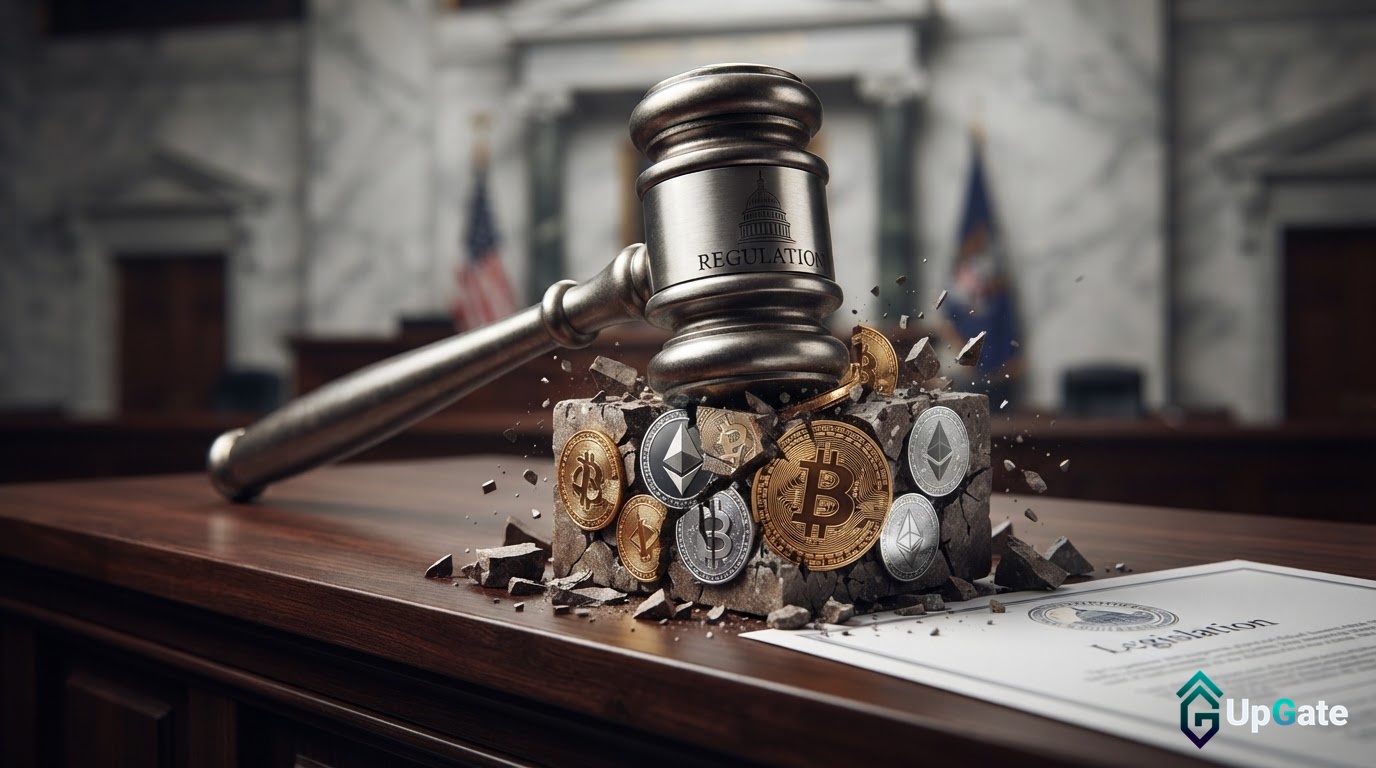
    Representative French Hill stated on Wednesday that current regulatory actions by the US Securities and Exchange Commission (SEC) and the Commodity Futures Trading Commission (CFTC) on digital assets are insufficient and do not provide the long-term stability that legislative solutions could offer. Hill expressed hope that the Digital Asset Market Clarity (CLARITY) Act could still be passed during the upcoming lame duck session of Congress.

    According to Representative French Hill, who chairs the House Financial Services Committee, the steps taken by the SEC and CFTC to address crypto regulations, particularly following the US Senate’s failure to pass the CLARITY Act last month, have fallen short of providing the necessary framework for the digital asset market. Hill emphasized the need for a “permanent law change to make sure America is number one in digital assets and blockchain technology.”

    The CLARITY Act represents a legislative effort to establish a comprehensive regulatory structure for digital assets. However, its passage has been stalled, with the US Senate failing to approve it in the previous month. The upcoming lame duck session of Congress, which spans a limited period between the US midterm elections and the start of a new congressional term in 2027, is seen by Hill as a critical, albeit narrow, window of opportunity for the bill to be considered and potentially passed. The Senate is expected to have only 22 days in session during this period.

    This situation highlights a broader debate about the most effective approach to regulating the rapidly evolving digital asset landscape. While regulators are actively pursuing rulemaking, Hill and others argue that agency-level actions may lack the permanence and comprehensive scope that only legislation can provide. This approach aims to foster greater market stability and certainty for businesses and investors operating in the digital asset space.

    The effectiveness of current regulatory actions remains a point of contention, with uncertainties surrounding the specific details and implementation of proposed rules by the SEC and CFTC. Furthermore, the regulatory bodies themselves are facing challenges, with seven leadership vacancies reported as of Wednesday. Adding to this, Commissioner Hester Peirce announced her resignation from the SEC last week, further impacting the operational capacity and continuity of these agencies.

    The potential passage of the CLARITY Act during the lame duck session is uncertain, influenced by various political factors and the limited legislative calendar. The outcome of this legislative push, alongside the ongoing efforts by regulatory agencies, will shape the future of digital asset regulation in the United States and its impact on the nation’s position in the global digital economy.

    Why This Matters

    The materials describe a narrow update: Representative French Hill expressed that regulatory actions by the SEC and CFTC regarding digital assets are inadequate and do not provide the necessary long-term stability that legislation like the CLARITY bill would offer. Whether the CLARITY Act will be passed during the lame duck session.

    Broader Context

    Source materials place the factual news in this context: The article discusses the ongoing efforts and perceived shortcomings in US regulatory actions concerning digital assets.

  • Orca DAO Proposes Acquisition, Treasury Overhaul Amidst ORCA Token Surge

    Orca DAO Proposes Acquisition, Treasury Overhaul Amidst ORCA Token Surge

    Orca, a decentralized exchange operating on the Solana blockchain, is reportedly eyeing an acquisition. The protocol’s Decentralized Autonomous Organization (DAO) has put forth a proposal to purchase an undisclosed Solana-based DeFi protocol, aiming to bolster its credit and yield product offerings.

    The market reacted swiftly to the news, with the $ORCA token surging 84% as the acquisition plan circulated, according to data from SolanaFloor.

    The proposal, titled “Resourcing Orca for Its Next Phase,” was formally submitted on September 29, 2026, following unanimous endorsement from the Governance Council on September 24. The voting period is set to conclude on October 10, 2026, meaning the outlined changes remain a proposal, not a finalized decision.

    Key Proposed Changes

    A significant alteration proposed is the redistribution of protocol fees. Under the new structure, 10% of fees would be allocated to xORCA staking rewards, and another 10% would be earmarked for buybacks managed by the Orca team. The remaining 80% would be directed towards operational expenses.

    The proposal also outlines a substantial shift in the protocol’s treasury management. Approximately 14.2 million ORCA tokens, representing roughly 19.8% of the total supply, would be moved from the community treasury. Alongside these tokens, approximately 70,000 SOL would also be transferred. These assets would be placed into a newly established Strategic Account, which would be team-controlled and exclusively designated for acquisition purposes.

    Structurally, the proposal calls for the dissolution of the current Governance Council, the very body that recently approved the plan.

    Strategic Acquisition and Market Reaction

    The central tenet of the proposal is the strategic acquisition of a leading, yet unnamed, Solana DeFi protocol. Orca’s leadership views this potential deal as a crucial step in expanding its suite of credit and yield products. The acquisition is projected to contribute to an estimated 50% increase in Orca’s Total Value Locked (TVL).

    However, the market is being asked to assess the value of an acquisition whose target remains undisclosed, presenting a challenge for investors seeking to evaluate the potential impact.

    Community Concerns

    Criticism of the proposal has primarily focused on two areas: reduced staking rewards and the concentration of power. xORCA stakers would see their share of fees decrease to 10% under the proposed fee split. Furthermore, moving a significant portion of the treasury to a team-controlled account, coupled with the dissolution of the Governance Council, is seen by some as shifting influence away from token holders and towards the core team.

    While the proposal includes measures to prevent excessive token issuance and address concerns about dilution from new minting, it does not directly resolve questions regarding the decision-making process for the allocation of existing assets.

    Market Performance and Investor Outlook

    Following the proposal’s circulation, $ORCA experienced an 84% surge, according to SolanaFloor. Broader market analysis indicates that the token gained over 80% in the week leading up to October 7, 2026, with recent trading activity ranging between approximately $2.90 and $3.15.

    For ORCA holders, the proposal presents a trade-off: a reduced immediate share of fee revenue from staking in exchange for a potential future growth driven by the team’s capital deployment strategy. The team-managed buybacks would operate at the discretion of the team, rather than following a predetermined community-controlled schedule.

    The critical date for stakeholders is October 10, 2026, when voting concludes. Following this, attention will shift to the identity of the acquired protocol, the successful integration of new credit and yield products, and whether the projected 50% increase in TVL materializes.

  • Lido Offers ETH Staking to BitGo Bank & Trust US Clients

    Lido Offers ETH Staking to BitGo Bank & Trust US Clients

    BitGo Enables Direct ETH Staking for US Clients via Lido Integration

    BitGo Bank & Trust, N.A. has announced a significant development for institutional investors in the United States, enabling eligible clients to stake Ether (ETH) directly through the Lido protocol within their existing BitGo accounts. The announcement, made on October 7, 2026, removes a key barrier for institutions looking to participate in Ethereum’s staking rewards.

    Clients will now be able to stake their ETH, receive liquid staking derivative tokens (stETH), and manage their entire position from a single, integrated platform. Liquid staking allows users to commit ETH to secure the Ethereum network and earn rewards without the traditional lock-up periods associated with direct staking. Lido issues stETH tokens, which represent a staked ETH position and can be traded or utilized elsewhere while the underlying ETH remains staked.

    This new integration streamlines the process for BitGo’s US clients, eliminating the need for additional operational workflows or the onboarding of new counterparties. All staking activities, stETH receipt, and ongoing management will now be handled seamlessly within the BitGo platform. BitGo is positioning itself as the first US-based qualified custodian to offer native ETH staking through Lido.

    Kean Gilbert, Head of Institutional Relations at the Lido Ecosystem Foundation, stated that the move provides the essential custodial support that institutions require to engage with Lido’s staking strategies. Nathan Stump, Managing Director at BitGo, highlighted that the company is maintaining its stringent security controls while ensuring the service integrates smoothly into clients’ existing asset management infrastructure.

    BitGo’s custody platform currently secures over $100 billion in digital assets, with $48 billion designated as staked assets. Lido, a leading liquid staking protocol by market share, manages over $25 billion in staked ETH, representing more than 25% of all staked ETH.

    The US launch follows an earlier expansion, with BitGo having connected clients in Europe and Asia to Lido’s staking services in July 2025. This prior rollout provided both companies with over a year of operational experience before extending the offering to the US market.

    The most immediate beneficiaries are US institutions already utilizing BitGo for ETH custody, as they can now access staking yields via Lido without needing to switch custodians or overhaul their operational systems. For Lido, this integration is expected to solidify its dominant position in the liquid staking market, potentially expanding its lead through a regulated US distribution channel.

    The move also sets a new benchmark for competitors in the custody sector. By becoming the first US qualified custodian to offer native ETH staking through Lido, BitGo has established a competitive advantage that rivals will likely seek to address.

  • XRP Dethroned by AI Crypto in South Korea

    XRP Dethroned by AI Crypto in South Korea

    South Korean Traders Pivot to AI Cryptocurrencies, Overtaking Payment Tokens

    South Korean cryptocurrency traders are increasingly shifting their focus from payment-centric digital assets like XRP towards cryptocurrencies linked to artificial intelligence. By June 2026, AI tokens have emerged as the dominant thematic category in the country’s crypto trading landscape, according to a new report by blockchain analytics firm Chainalysis.

    The report, which analyzed crypto activity in East Asia from July 2025 to June 2026, measured thematic categories by their share of trading volume denominated in the South Korean won. AI cryptocurrencies ascended to become the most popular thematically defined investment category in South Korea by June 2026, surpassing established payment tokens.

    Chainalysis defines AI cryptocurrencies as digital assets associated with AI-focused projects or infrastructure. This category commanded a significantly larger portion of won-denominated trading compared to AI crypto markets in other major currencies. The report explicitly stated that AI cryptocurrencies had become the “single most popular thematically-defined investment category” in South Korea, eclipsing payment tokens such as XRP.

    Several AI-linked tokens saw substantial trading volumes among South Korean investors during the report’s timeframe. While specific token names were not provided in the source text, the report indicated a shift in leadership within the AI category. Tokens like VIRTUAL and KAITO were prominent in 2025, but Worldcoin and SAHARA later took the lead.

    Chainalysis observed that South Korean retail traders are engaging with the AI crypto sector with greater speed and intensity than traders in other markets examined in the report. The robust activity in South Korea’s AI crypto market is particularly striking when compared to other major currencies.

    In June 2026, the share of AI-crypto trading denominated in the Korean won was 19.5 times higher than that of the Japanese yen. AI cryptocurrencies constituted 0.91% of yen-denominated trading, a stark contrast to the substantially higher proportion seen in the South Korean market. For context, the AI crypto category represented 1.02% of euro-denominated trading, 0.20% of Brazilian real-denominated trading, and a mere 0.03% of British pound-denominated trading.

    Chainalysis attributes the surge in AI token trading to South Korea’s broader engagement with the artificial intelligence investment cycle. The country’s stock market, for instance, has significant exposure to SK Hynix, a key manufacturer of memory chips essential for AI data centers. The report noted that AI-focused crypto trading activity grew in parallel with the company’s market ascent.

    South Korea’s cryptocurrency market is also heavily influenced by retail investors. Francis Kang, executive director of Korea Blockchain Week, characterized the market as “famously retail-driven.” Chainalysis further highlighted that Korean retail investors typically pursue high-risk, high-reward investment opportunities.

    This pivot towards AI cryptocurrencies occurs as South Korea’s overall crypto market continues its expansion. The country recorded approximately $449 billion in crypto activity during the period covered by the report, representing a 12.3% increase and solidifying its position as the largest crypto market in East Asia. The nation’s exchange ecosystem also grew by 16.3%, even as the broader East Asian crypto market experienced a modest contraction.

    For XRP, the data signifies a discernible change in South Korean retail trading preferences. While XRP remains a significant asset in the market, AI-linked cryptocurrencies have now taken precedence among thematic categories as traders increasingly embrace the AI narrative.

  • Bitcoin ETFs Attract Net Inflows; Ether ETFs Face Continued Outflows

    Bitcoin ETFs Attract Net Inflows; Ether ETFs Face Continued Outflows

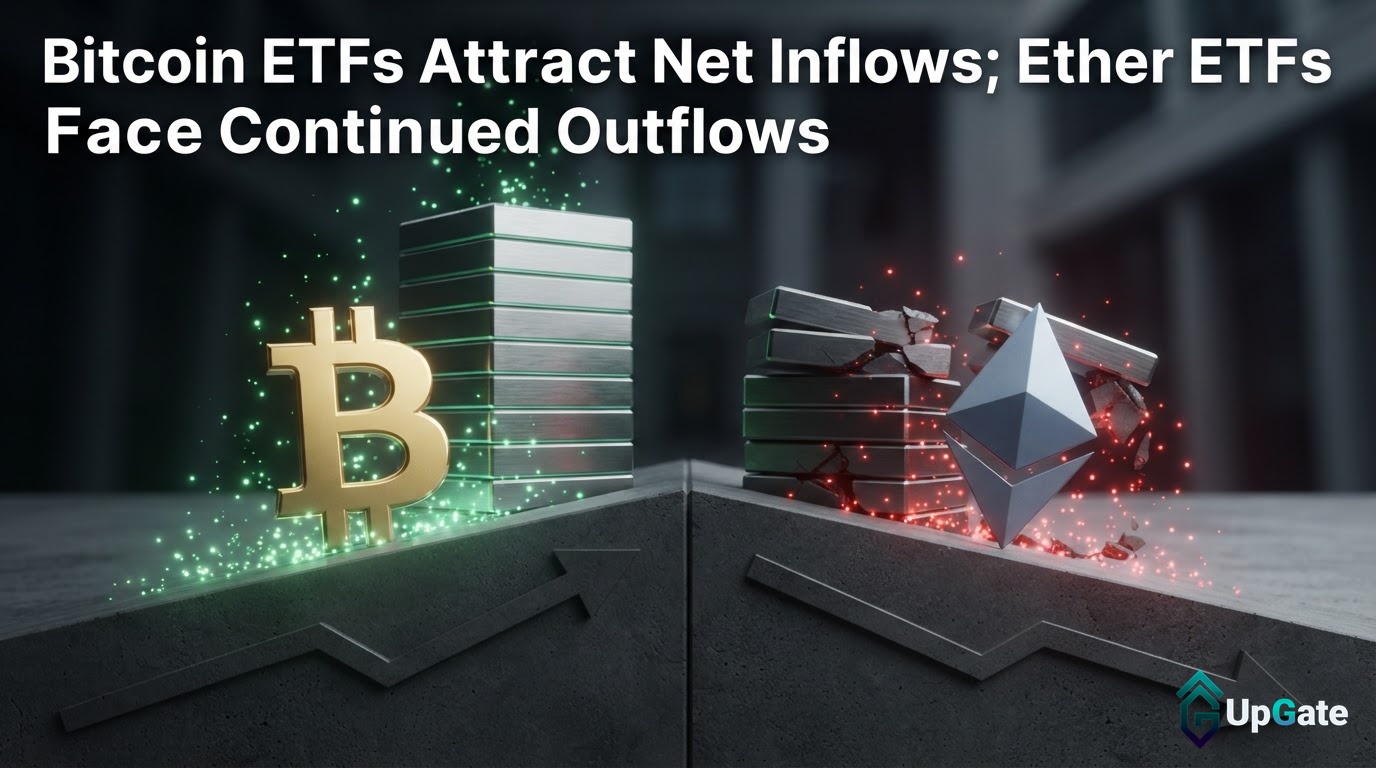
    U.S. Bitcoin exchange-traded funds (ETFs) recorded net inflows of $118.86 million on Tuesday, with Blackrock’s IBIT emerging as the primary contributor to this positive trend. In stark contrast, Ether ETFs experienced their sixth consecutive day of outflows, totaling $202 million.

    The inflows into Bitcoin ETFs, largely driven by Blackrock, signal a renewed interest in the digital asset. This comes as Ether ETFs continue to see sustained withdrawals, highlighting a divergence in investor sentiment across major cryptocurrency ETFs.

    Activity was not limited to Bitcoin and Ether. XRP and HYPE ETFs also attracted modest buying on Tuesday, indicating a mixed landscape for various digital asset investment vehicles. The contrasting performance underscores a notable split in institutional positioning within the crypto ETF market, with a clear preference shown for Bitcoin over Ether in recent flows.

    Why This Matters

    The materials describe a narrow update: On Tuesday, U. Institutional positioning split sharply across the crypto exchange-traded fund (ETF) market Tuesday.

    Broader Context

    Source materials place the factual news in this context: U.S. bitcoin ETFs returned to positive territory Tuesday with $118.86 million in net inflows, led almost entirely by Blackrock’s IBIT. Ether funds suffered a sixth consecutive day of withdrawals, while XRP and HYPE attracted modest buying. Bitcoin ETFs Flip Positive With $119M Inflow Institutional positioning split sharply across the crypto exchange-traded fund (ETF) market Tuesday. […].

  • Tether Partners Kazakhstan Central Bank on Stablecoins, Tokenized Assets

    Tether Partners Kazakhstan Central Bank on Stablecoins, Tokenized Assets

    Tether, the company behind the USDT stablecoin, has entered into a Memorandum of Understanding with the National Bank of Kazakhstan (NBK) and the Alatau City Authority (ACA). The agreement, signed on October 7, 2026, establishes a framework for exploring the potential applications of stablecoins, asset tokenization, and decentralized finance.

    Exploring Stablecoin and Tokenization Initiatives

    Under this agreement, the parties intend to collaborate on developing a stablecoin pegged to the Kazakhstani tenge. Additionally, they plan to initiate tokenization pilot projects in Alatau City, an emerging innovation district aiming to become a hub for fintech and smart city technologies. These pilot programs may utilize Hadron, Tether’s proprietary tokenization platform. Tokenization involves converting real-world assets, such as property or loans, into digital tokens that can be managed and traded on a blockchain.

    The scope of the agreement extends beyond technological implementation. It includes a commitment to studying international best practices for the issuance and regulation of stablecoins, as well as educational initiatives like workshops. The overarching objective is to promote financial stability and safeguard investor interests.

    Kazakhstan has set a target to tokenize projects valued at up to $60 million within Alatau City by the close of 2026. This figure comprises two key projects: the Iconic Tower, which aims for up to $50 million in financing, and the Birlik logistics center, targeting up to $10 million.

    Broader Digital Asset Ecosystem Development

    This MoU with Tether follows a separate agreement signed just days prior. On October 2, 2026, the Kazakhstan Stock Exchange (KASE) signed an MoU with the Alatau City Authority focused on establishing platforms for digital financial assets (DFAs). That earlier framework also encompasses tools for multi-currency stablecoin settlements.

    Alatau City is also collaborating with Dunamu to investigate the tokenization of real assets and the use of stablecoins.

    The strategic approach is characterized by a layered collaboration. The central bank contributes its monetary authority, the stock exchange provides market infrastructure, and Alatau City serves as a testing ground for these innovations. Tether brings its extensive experience in operating a stablecoin at scale and offers its tokenization platform to partners.

    The development of a local-currency stablecoin, such as one pegged to the tenge, could significantly enhance the currency’s presence in on-chain finance, an area where it currently has limited engagement, given the dominance of dollar-denominated stablecoins.

    It is important to note that the MoU is non-binding, and the proposed tenge stablecoin is an objective for exploration rather than a finalized product. The $60 million tokenization plan is also presented as an aspirational target.

    Key Developments to Monitor

    Several concrete developments will be crucial to observe moving forward. Firstly, the successful completion of the tokenization for the Iconic Tower and Birlik logistics center by the end of 2026 will be a key indicator. Secondly, the choice of platform for these tokenizations is significant; if Hadron is selected, it would represent a notable operational success for Tether. Finally, the progress of the tenge stablecoin initiative in conjunction with KASE’s settlement tools will be an important area to track.

  • Spark Savings USDT Vault Surges to $600 Million

    Spark Savings USDT Vault Surges to $600 Million

    Spark Savings USDT Sees Deposits Surge to $600 Million in Two Weeks

    Spark Savings USDT has experienced a dramatic surge in deposits, nearly doubling its holdings to $600 million in just two weeks, a remarkable pace for stablecoin yield products. The platform allows users to deposit USDT and earn a variable yield, paid back in USDT.

    Non-Custodial Vault Structure

    Spark Savings USDT operates as a non-custodial vault built on the ERC-4626 standard. This means Spark does not hold user funds directly, unlike traditional banks. Instead, users retain control through smart contracts. Upon depositing, users receive a vault token, spUSDT, representing their share of the pooled assets.

    Underlying Mechanism and Yield Generation

    Behind the scenes, the vault is backed 1:1 by USDS. It utilizes the Spark Liquidity Layer to direct assets to various lending venues, including SparkLend. The yield generated stems from these lending activities, explaining the fluctuating nature of the interest rates. The vault is currently operational on Ethereum and supports other networks such as Arbitrum and X Layer. Spark also offers similar products for other dollar-pegged tokens, including spUSDC and sUSDS. The total value locked (TVL) in the vault has been reported to fluctuate between $400 million and $605 million.

    Yield Performance and Market Dynamics

    However, the yield rates present a different picture. The annual percentage yield (APY) for the USDT vault has been reported in the range of 3% to 3.75%, with some sources indicating 3.5% to 3.75%. Earlier peak rates had exceeded 4%. This indicates a decline in yields from their previous highs, even as deposits have climbed. This pattern is typical in lending pools, where an increase in capital chasing the same pool of borrowers leads to a dilution of returns for each unit of capital.

    Integration with OKX Fuels Growth

    A significant factor contributing to Spark Savings’ substantial growth in 2026 has been its integration with the OKX app in September of that year. This integration allows users to earn on-chain yield on their USDT balances directly within the exchange’s platform, eliminating the need for token bridging or separate wallet connections. The research suggests this move has enhanced both user engagement and accessibility for OKX customers who held USDT and sought to generate returns on it.

    Risk Management and Trade-offs

    Spark emphasizes its commitment to conservative liquidity buffers and risk parameters. These safeguards were put to the test during market volatility in April 2026, specifically during an incident involving rsETH, where the vault successfully maintained its liquidity. The primary trade-off for this robust risk management is the yield rate. With current reported APYs below the earlier peak of over 4%, new depositors are receiving lower returns than early adopters. This yield compression could persist if deposit inflows continue to outpace borrowing demand.

    Understanding Non-Custodial Risks

    While the non-custodial nature of Spark Savings USDT offers users greater control, it does not equate to a risk-free investment. The vault’s security relies on the integrity of its smart contracts, the stability of the USDS backing, and the performance of the lending venues where the Spark Liquidity Layer deploys funds. The risks are inherent in the code and collateral, rather than within a traditional financial institution’s balance sheet.

  • 24,000 BTC Leaves Exchanges: Bitcoin Supply Crunch Intensifies

    24,000 BTC Leaves Exchanges: Bitcoin Supply Crunch Intensifies

    Bitcoin Exchange Holdings Plummet, Signaling Potential Supply Squeeze

    Bitcoin held on cryptocurrency exchanges has seen a significant decline, with approximately 24,073 BTC leaving platforms on a net basis on Monday. This marks the largest daily outflow in seven months, a trend that analysts suggest could bolster the cryptocurrency’s price.

    The last comparable outflow occurred on March 1. Data from analytics firm Santiment indicates that Bitcoin now represents around 6.50% of the total supply held on exchanges. Such substantial outflows are often interpreted as a positive indicator, as a reduced availability of coins on exchanges can lead to tighter supply. If demand remains consistent, this scarcity could potentially drive prices higher.

    Santiment elaborated on this sentiment, stating, “Persistent withdrawals can signal investors shifting BTC toward longer-term custody rather than preparing to sell. Outflows alone guarantee nothing, but falling exchange supply strengthens the bullish setup.”

    Further supporting this optimistic outlook, recent data from CryptoQuant reveals a decrease in mid-size Bitcoin inflows on several major exchanges, even as the cryptocurrency has surged by over 33% since mid-August. On Binance, the 7-day average of mid-size inflows dropped from 4,155 BTC on August 16 to 2,648 BTC on October 7, a decline exceeding 36%. During this period, Bitcoin’s price climbed from approximately $63,000 to over $84,000.

    This reduction in inflows has occurred despite Bitcoin trading at higher price levels. Coinbase Prime also experienced a similar trend, with mid-size inflows falling by around 15%, from 1,620 BTC to 1,370 BTC.

    In contrast, Coinbase Advanced saw an increase in mid-size inflows, rising from 2,520 BTC in August to 4,760 BTC. However, this latest figure remains below the 5,000 BTC threshold. Current mid-size inflows on both Binance and Coinbase Prime are notably lower than significant spikes observed earlier this year, including those in February, June, and late August.

    The significance of this trend lies in the potential for lower exchange inflows to indicate reduced selling pressure. Mid-size investors appear to be holding back from depositing coins onto exchanges, suggesting a reluctance to sell.

    On the institutional front, U.S. spot Bitcoin Exchange-Traded Funds (ETFs) witnessed a swift shift in investor sentiment this week. After experiencing net outflows of nearly $90 million on Monday, the funds rebounded on Tuesday with combined inflows totaling $119 million.

    BlackRock’s IBIT ETF led this recovery, attracting $122 million in new capital and recording the largest inflow among all ETFs. Morgan Stanley’s MSBT also saw inflows of $7.84 million. Conversely, the Grayscale Bitcoin Mini Trust experienced the most significant outflow, losing approximately $11 million.

  • Russia Registers First Crypto Exchanges and Custodians Under New Regulations

    Russia Registers First Crypto Exchanges and Custodians Under New Regulations

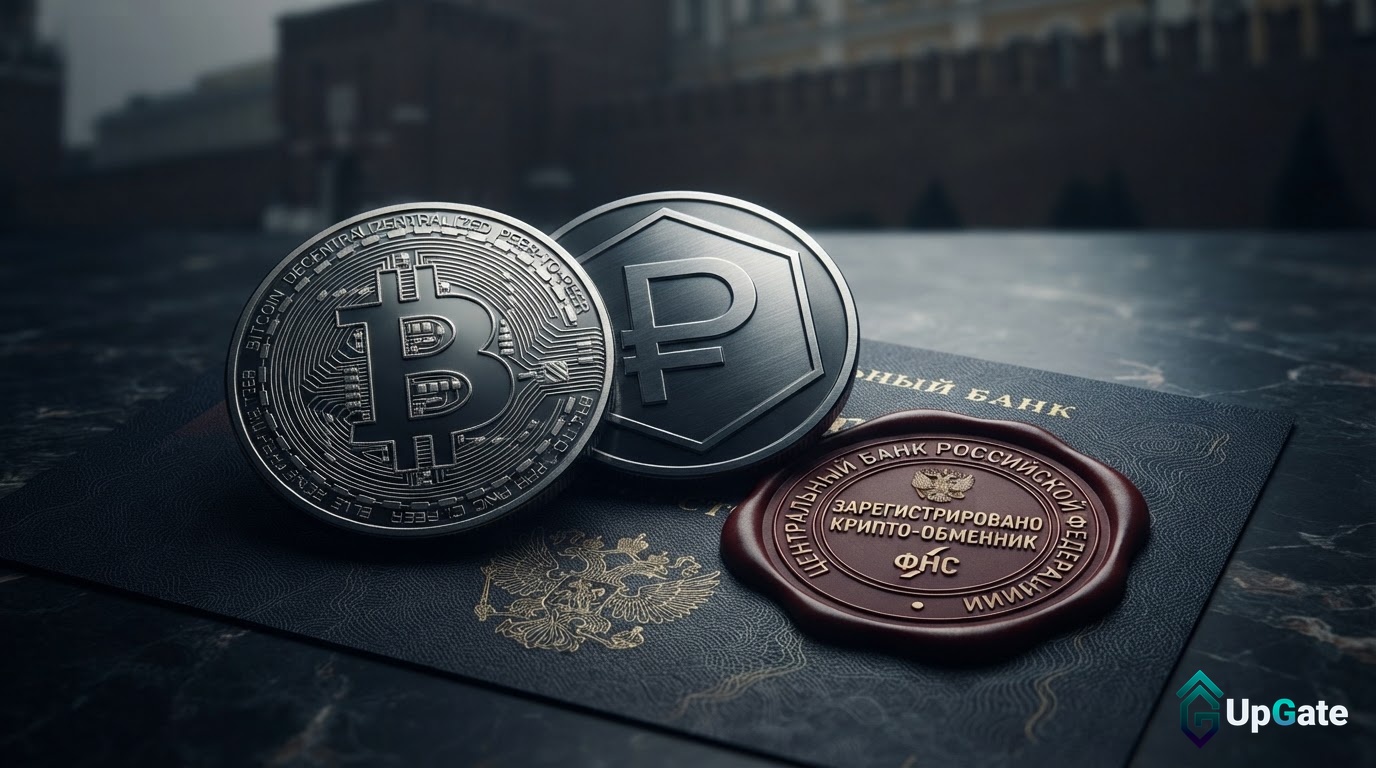
    Russia has officially registered its first cryptocurrency exchange operators and digital custodians, marking a significant step in establishing a regulated environment for digital assets. The Bank of Russia published these initial registers on September 1, the same day new crypto regulations took effect.

    The regulations stem from a law signed in August by Russian President Vladimir Putin, which created a supervised framework for exchanges, custodians, brokers, and investors. The Bank of Russia will oversee the market, though the law maintains a ban on using cryptocurrency for payments.

    Four exchange operators and five custodians are included in the initial registers. Among them, Sberbank, Russia’s largest bank, has been added to the custodian list. Sberbank stated it plans to launch its first crypto products by December 1, initially supporting Bitcoin, Ether, and USDt through its SberBank Online, SberInvestments, and SberBusiness platforms.

    Other registered custodians include Atomyze, Voltari, and Cloud Infrastructure. T-Invest Lab, Zefir, and Sistema-Crypto are listed as crypto exchange operators. VTB Bank appears on both the exchange operator and custodian lists.

    These registrations signify the establishment of a regulated environment for cryptocurrency operations in Russia, with the Bank of Russia actively overseeing the market. Sberbank’s planned product launch indicates a potential move towards integrating digital assets into traditional banking services within this new regulatory framework.

    Why This Matters

    The materials describe a narrow update: Russia has officially registered its first set of cryptocurrency exchange operators and digital custodians following the implementation of new crypto regulations on September 1. The registrations signify the establishment of a regulated framework for cryptocurrency operations in Russia.

    Broader Context

    Source materials place the factual news in this context: Russia registered its first crypto exchanges and custodians, including its largest bank, Sberbank, which plans to launch crypto products on Dec. 1.

  • Coinbase Integrates Deribit Infrastructure, Relaunches Pro Platform Under Global Exchange

    Coinbase Integrates Deribit Infrastructure, Relaunches Pro Platform Under Global Exchange

    Coinbase announced on October 6, 2026, the relaunch of its Pro platform, now integrated into a broader Coinbase Global Exchange. This strategic development follows Coinbase’s acquisition of Deribit in August 2025.

    The newly integrated platform aims to consolidate various trading products, offering enhanced order routing and spot margin trading with leverage. The integration involves migrating clients to Deribit’s infrastructure and merging liquidity pools. The relaunch is being implemented in stages based on region and client type, with full integration anticipated by the end of 2026.

    Coinbase claims this integration creates the first connection of U.S. and international derivatives markets into a single regulated liquidity pool. The relaunched platform is designed for high-volume traders and is intended to support spot, futures, perpetuals, options, and equities trading. Plans include offering spot margin trading with up to 10x leverage on major assets and up to 5x leverage on other assets.

    The acquisition of Deribit, completed in August 2025 for approximately $2.9 billion, is a key component of this integration. As of September 30, 2026, Deribit held over $30 billion in Bitcoin options open interest and processed more than $1 trillion in trading volume in the year leading up to October 2026.

    Clients of the Coinbase International Exchange were migrated to Deribit, and the legacy platform transitioned to read-only mode on October 1, 2026. This migration and the read-only status of the legacy platform signal a commitment to the new integrated architecture.

    The full relaunch of the Coinbase Pro product is scheduled for the end of 2026. The success of the Deribit acquisition, valued at approximately $2.9 billion, will be a key indicator of the strategy’s payoff.

    Uncertainties remain regarding the exact timeline for options access for U.S. retail users and the overall success of the Deribit acquisition.

    Why This Matters

    The materials describe a narrow update: Coinbase announced the return of its Pro platform, integrated into a larger Coinbase Global Exchange formed after acquiring Deribit. The exact timeline for options access for US retail users.

    Broader Context

    Source materials place the factual news in this context: Coinbase Pro is coming back. This time it lives inside something much bigger than the old trading interface ever was.