Tag: Regulation & Policy

  • Kenya Regulator Eyes Blockchain for Crypto Crime Tracking

    Kenya Regulator Eyes Blockchain for Crypto Crime Tracking

    Regulator Seeks Blockchain Surveillance System for Crypto Market Oversight

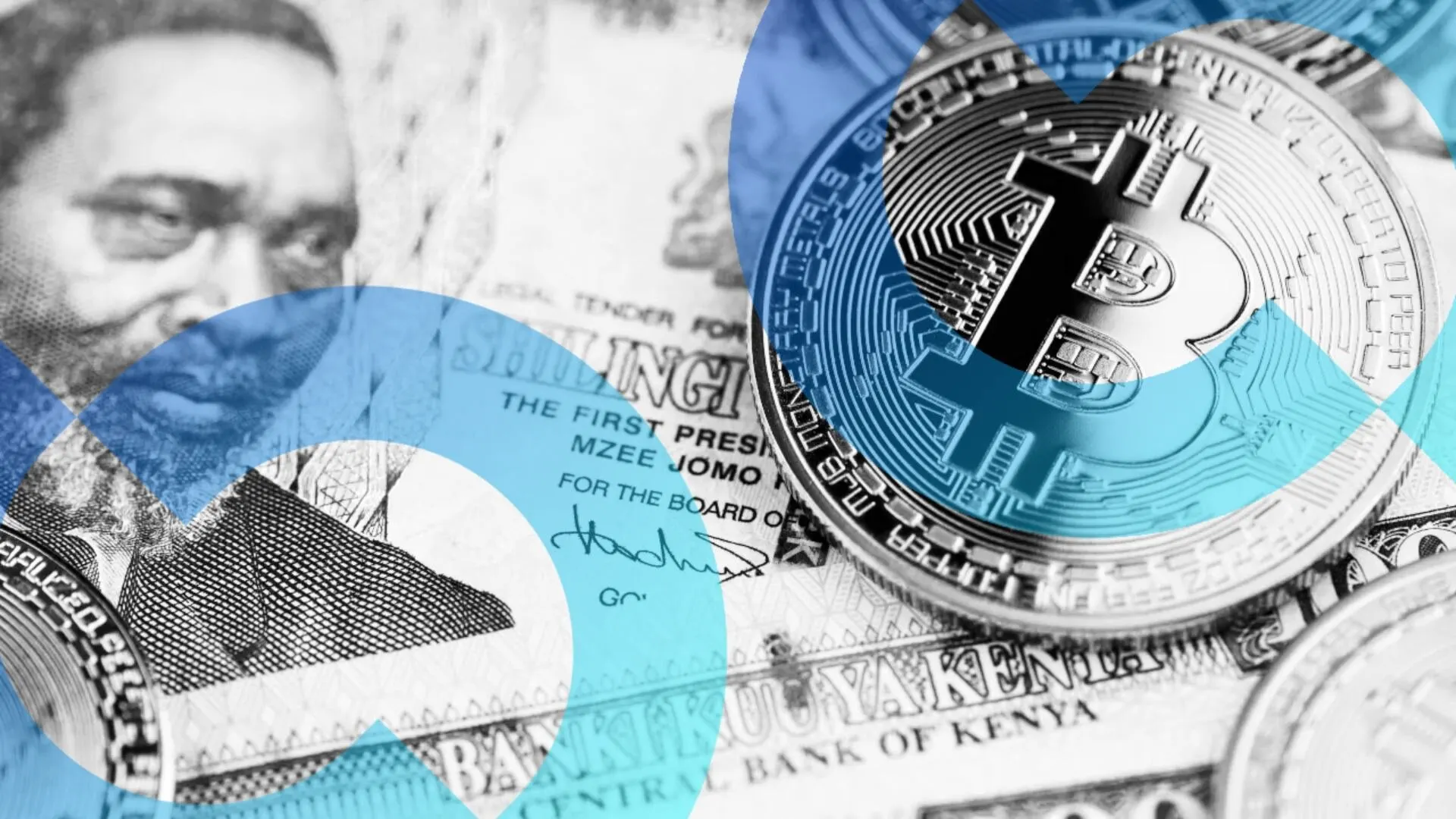
    Kenya’s securities regulator is looking to acquire a blockchain surveillance system to oversee the nation’s rapidly expanding cryptocurrency market, as it prepares to license and supervise virtual asset firms under new legislation.

    The Capital Markets Authority (CMA) is seeking an advanced blockchain analytics platform to monitor digital asset transactions, investigate suspicious activities, and ensure compliance, according to tender documents obtained by Capital FM Africa. The proposed system would track Bitcoin, Ethereum, and at least 20 other blockchains, offering both real-time and retrospective analysis.

    The platform is expected to generate automated alerts for high-risk wallets, significant transfers, coin mixers, darknet-linked addresses, and sanctioned entities. It will also screen transactions against sanctions lists from the United Nations and the U.S. Office of Foreign Assets Control. Furthermore, the system would map relationships between wallets, reconstruct transaction timelines, trace funds across different blockchains, and assign risk scores related to money laundering, ransomware, fraud, and terrorism financing. The regulator aims to identify the exchanges most frequented by Kenyans and detect unlicensed offshore platforms operating within the local market.

    The capabilities described are consistent with tools offered by blockchain intelligence firms such as Chainalysis, TRM Labs, and Elliptic, which provide similar software to governments and regulatory bodies globally.

    This acquisition will support Kenya’s Virtual Assets Service Providers Act, signed into law by President William Ruto in October and effective since November. This legislation establishes the country’s first comprehensive framework for cryptocurrencies. The oversight responsibilities are divided between the Central Bank of Kenya, which will regulate payments, stablecoins, and custodial wallets, and the CMA, which will oversee exchanges, brokers, investment advisers, and tokenization platforms. This move is part of a broader effort to align with anti-money-laundering standards set by the Financial Action Task Force.

    No firms have been licensed yet. The National Treasury released draft regulations in March, and existing operators have until November 2026 to comply.

    Kenya is recognized as one of Africa’s largest cryptocurrency markets. Between July 2024 and June 2025, residents received approximately $19 billion in crypto, placing the country fourth on the continent, according to Chainalysis. It is estimated that over six million Kenyans use digital assets, with a significant portion of this activity occurring through informal, peer-to-peer channels.

    Kenya is not alone in its pursuit of such technological tools. In the United States, Immigration and Customs Enforcement last year moved to purchase forensic software from both TRM Labs and Chainalysis, companies that already hold contracts with the FBI, the DEA, and the IRS. Similarly, Britain’s tax authority, HMRC, has engaged TRM Labs to trace suspect transactions.

  • County Sheriffs Back NOBLE’s CLARITY Act, Dropping Opposition

    County Sheriffs Back NOBLE’s CLARITY Act, Dropping Opposition

    NOBLE Endorses CLARITY Act, Major County Sheriffs Shift to Neutral

    The CLARITY Act has secured its first significant endorsement from a public law enforcement body, with the National Organization of Black Law Enforcement Executives (NOBLE) formally backing the bill on July 1. This was followed two days later by Major County Sheriffs of America (MCSA) withdrawing its opposition, moving to a neutral stance.

    The convergence of two prominent law enforcement organizations on the same digital asset legislation within a 72-hour span is not a mere coincidence. It signals deliberate engagement and indicates that the debate on the Senate floor has evolved from a procedural formality into active negotiation.

    NOBLE’s July 1 letter, addressed to Senate Majority Leader John Thune and Minority Leader Chuck Schumer, targeted the officials who control the Senate’s legislative schedule. This was a clear indication that the endorsement was intended to accelerate the bill’s progress, not just influence public perception.

    Representing over 3,000 members across nearly 60 chapters globally, including chief executives and command-level officers, NOBLE cited four key provisions as the drivers for its support: expanded regulatory obligations for digital asset businesses, enhanced forfeiture authorities, new transparency requirements, and oversight rules for digital asset kiosks.

    Crucially, NOBLE directly addressed concerns about an “enforcement gap.” The organization explicitly stated that the legislation does not alter the federal criminal authorities that investigators and prosecutors rely on daily. Statutes related to money laundering, unlicensed money transmitting, conspiracy, aiding and abetting, and sanctions enforcement remain intact under the bill’s current text.

    This framing directly counters criticisms leveled against earlier drafts of the CLARITY Act, where anti-corruption groups argued the bill could create exploitable loopholes in illicit finance enforcement.

    Stand With Crypto, a cryptocurrency advocacy group representing over 2.6 million U.S. supporters, recognized NOBLE as the first major law enforcement organization to publicly endorse the CLARITY Act. This distinction is significant for Senate Democrats who have voiced strong concerns about preserving enforcement capabilities. An endorsement from a respected law enforcement body with NOBLE’s institutional standing provides political cover that industry lobbying groups cannot offer.

    “Law enforcement voices are engaging constructively on digital asset legislation, and the first major endorsement is on the books,” Stand With Crypto stated following the public release of the NOBLE letter.

    Major County Sheriffs of America, whose members collectively serve over 130 million citizens and oversee offices with at least 700 personnel each, sent its own letter on July 3. This correspondence was directed to Senate Banking Committee Chairman Tim Scott and ranking member Elizabeth Warren.

    MCSA’s shift from opposition to a neutral position was primarily influenced by Section 604, which incorporates the Blockchain Regulatory Certainty Act. This provision establishes liability protections for blockchain developers and service providers who do not custody or control digital assets.

    MCSA indicated that ongoing review and discussions surrounding Section 604 clarified the administration’s interpretation and planned implementation of the provision. While the organization stopped short of a full endorsement, it explicitly noted that there is room to further strengthen the legislation to support both responsible innovation and the needs of state and local law enforcement. However, it did withdraw its formal opposition.

    Removing an active opponent from consideration is not equivalent to gaining a supporter. Nevertheless, in a Senate where 60 votes are required for floor passage, eliminating organized resistance from an association representing major population centers carries significant procedural weight.

  • Coinbase Secures UK License for Stocks and Derivatives

    Coinbase Secures UK License for Stocks and Derivatives

    Coinbase Secures UK Approval for Stocks and Derivatives Trading

    Cryptocurrency exchange Coinbase has received regulatory approval to offer stocks and derivatives to its UK customers, marking a significant expansion of its product offerings in a key international market and furthering its ambition to become an “everything exchange.”

    The company announced Tuesday that it has been granted an investment services authorization, also known as a MiFID license, by the Financial Conduct Authority (FCA). This license permits Coinbase to provide traditional financial instruments alongside its existing cryptocurrency services.

    “Today marks our biggest ever expansion of Coinbase UK’s product suite,” the company stated in a social media post. “We’ve now secured an investment services authorisation in the UK, enabling us to soon offer both equities and derivatives. Another step to bringing the everything exchange worldwide.”

    For the first time, retail users will be able to trade equities directly on the Coinbase platform. Institutional and advanced traders will gain access to derivatives, including perpetual futures across crypto, equity, and commodity markets.

    This UK approval aligns with Coinbase’s strategic goal of establishing an “everything exchange”—a single application that integrates cryptocurrency, stocks, derivatives, prediction markets, payments, and savings. This move positions the company to compete with traditional brokerages, banks, and other fintech applications.

    In the United States, Coinbase has already become the first centralized exchange authorized to offer crypto perpetual futures. It has also begun rolling out stock trading, prediction markets powered by Kalshi, and has plans for tokenized equities. Recently, the exchange introduced savings and borrowing products for its UK users.

    The new authorization complements Coinbase’s existing UK e-money license and crypto registration. The company asserts that this combination makes it the “most comprehensively regulated crypto player” in the UK market. The approval comes as the UK finalizes its comprehensive cryptocurrency regulatory framework. The FCA published its proposed framework in late June, with a full regime expected to be implemented in October 2027. Coinbase highlighted FCA research indicating that approximately 7 million UK adults currently hold cryptocurrency.

    Initially, derivatives trading will be limited to institutional and advanced traders. The FCA continues to prohibit the sale of crypto derivatives to UK retail investors, meaning equities will be the primary new offering for everyday users on the platform.

  • SEC Drops MetaMask Case Against ConsenSys

    SEC Drops MetaMask Case Against ConsenSys

    SEC Closes MetaMask Probe Against ConsenSys Without Fine or Admission of Guilt

    The U.S. Securities and Exchange Commission (SEC) has concluded its enforcement investigation into ConsenSys concerning MetaMask Swaps and MetaMask Staking. The resolution comes with no financial penalty and no admission of wrongdoing by ConsenSys, a development that directly challenges the regulatory body’s assertion that non-custodial wallet interfaces function as unregistered brokerage operations.

    This dismissal removes the most immediate regulatory threat to the primary retail gateway for the Ethereum ecosystem. It also provides wallet developers with a significant legal precedent as the landscape for decentralized finance (DeFi) regulation remains uncertain.

    The SEC had initially filed its complaint in June 2024, alleging that ConsenSys had been brokering transactions in crypto asset securities since at least October 2020. The agency claimed ConsenSys collected transaction-based compensation through MetaMask’s integrated services.

    ConsenSys founder Joe Lubin announced the resolution, stating that the company and the SEC had reached an agreement in principle to dismiss the securities enforcement case related to MetaMask. Lubin described the outcome as “a good step for blockchain software developers,” emphasizing ConsenSys’s commitment to defending itself “until the bitter end.”

    “I’m pleased to announce that Consensys and the SEC have agreed in principle that the securities enforcement case concerning MetaMask should be dismissed,” Lubin stated. “Subject to the approval of the Commission, the SEC will file a stipulation with the court that effectively closes the case.”

    A ConsenSys official confirmed to Bloomberg that the SEC would not impose a fine. This clean resolution is significant, as ConsenSys’s core legal argument—that wallet software should not be regulated as a traditional broker simply for routing users to protocols—has now effectively prevailed without a court ruling that could have gone either way.

    Staking Theory Challenged

    The SEC’s staking theory extended further, targeting MetaMask’s routing integrations with Lido and Rocket Pool as unregistered securities offerings. Had this framing been upheld, it would have compelled wallet developers across the ecosystem to remove core functionalities from non-custodial interfaces.

    ConsenSys had preemptively filed its own lawsuit against the SEC in April 2024, questioning the agency’s authority over Ethereum-related software and its attempt to classify Ethereum as a security.

    The SEC separately closed its Ethereum 2.0 probe in June 2024, and a federal court dismissed ConsenSys’s lawsuit in Texas in September 2024, ruling that the SEC’s parallel enforcement action had already diminished any credible prosecution threat. This sequence of events effectively narrowed the live dispute to the MetaMask case, which has now been resolved.

    Broader Regulatory Implications

    MetaMask is a critical component of the Ethereum ecosystem, serving as the dominant retail interface for users accessing DeFi protocols, NFT markets, liquid staking, and on-chain transactions. The SEC’s original broker theory posed a structural threat to Ethereum’s entire user-access layer.

    A ruling that swap routing or staking integrations within a non-custodial wallet triggered broker-dealer registration requirements would have had cascading implications for every wallet developer offering similar functionalities. That scenario has now been averted, at least for this enforcement cycle.

    The closure also aligns with a broader trend of SEC crypto enforcement pullbacks under current leadership, which has included dropped or paused actions against Gemini, Uniswap Labs, Robinhood Crypto, and OpenSea. This month alone, the SEC has dropped cases against Coinbase, Robinhood, and now ConsenSys, the company behind MetaMask.

    A legislative push for formal crypto regulatory clarity is ongoing, and the SEC’s retreat on the ConsenSys case reinforces this direction. Wallet developers and DeFi front-ends now operate in a clearer environment than they did six months ago. However, the absence of a court ruling means the underlying legal questions regarding broker classification remain open and could be revisited by a future administration or enforcement wave.

    For Ethereum, regulatory clarity at the wallet layer directly supports the ecosystem’s mainstreaming trajectory. Institutional staking inflows into Ethereum have been growing throughout 2025, and a loss for MetaMask in this enforcement action would have introduced friction precisely at the point where retail and institutional demand converge. That particular risk has now been resolved.

  • Coinbase Secures UK License for Stocks and Derivatives Trading

    Coinbase Secures UK License for Stocks and Derivatives Trading

    Coinbase Secures UK License, Enabling Stocks and Derivatives Trading

    Coinbase, the largest US-based cryptocurrency exchange, has significantly broadened its regulatory reach globally by obtaining the necessary approval to offer investment services in the United Kingdom. This marks one of the company’s most substantial market expansions in the UK since its launch several years ago.

    The approval will empower Coinbase to provide traditional financial products alongside cryptocurrencies through a unified platform, according to a company statement. This new authorization permits the exchange to move beyond digital assets and introduce a suite of new products, including derivatives and equities, to its UK user base.

    Coinbase has indicated that institutional and sophisticated traders will soon have access to crypto, equity, and commodity perpetual futures. Simultaneously, retail investors will be able to trade stocks directly on the platform for the first time.

    This investment services authorization will complement the exchange’s existing UK e-money license and crypto registration. The company anticipates this will solidify its standing as the most comprehensively regulated cryptocurrency entity in the market.

    Coinbase has characterized this development as a “significant step” toward its overarching goal of creating an “everything exchange,” where users can access a diverse range of financial products from a single account.

  • UN Chief Warns Against Vague AI Governance

    UN Chief Warns Against Vague AI Governance

    UN Chief Warns AI Outpacing Governance, Humanity Conducting Unplanned Experiment

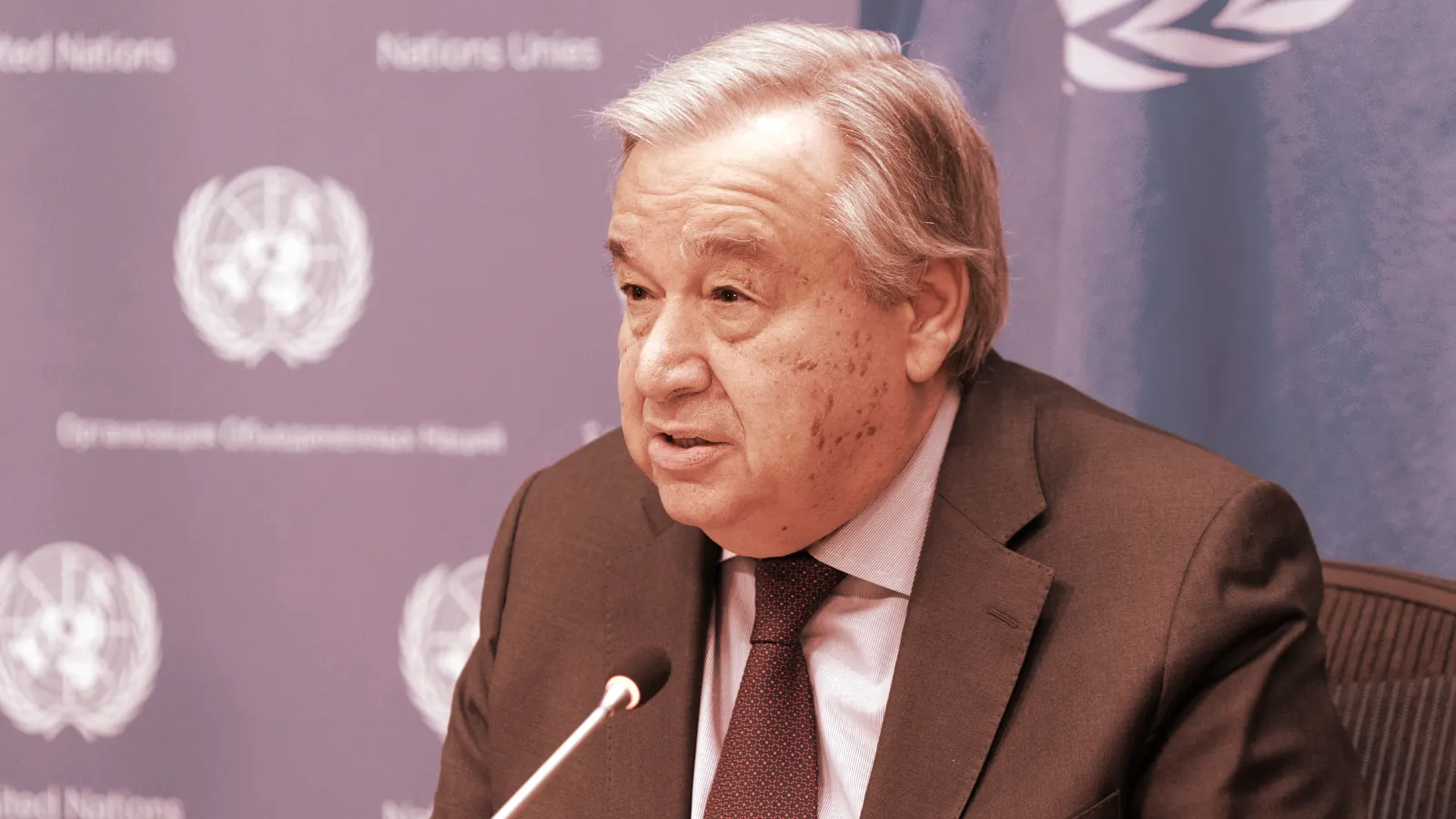
    Geneva – United Nations Secretary-General António Guterres opened the inaugural Global Dialogue on AI Governance in Geneva on Monday, warning representatives from 193 nations that artificial intelligence is advancing at a pace that has already outstripped the institutions designed to regulate it. He characterized humanity’s current approach to AI as an experiment “without a plan, and without consent.”

    “Artificial intelligence is advancing at runaway speed,” Guterres stated in his keynote address. “A technology that can reshape economies, transform the world of work, sway elections, and tilt the balance of security is being deployed faster than anyone—including the people building it—can keep up.”

    The gathering in Geneva brought together all 193 UN member states for the first Global Dialogue on AI Governance, a multilateral effort to establish oversight for a technology that has rapidly surpassed existing regulatory frameworks.

    Guterres employed the concept of “vibe coding” to illustrate the risks of ungoverned AI. This term, coined by Andrej Karpathy, a founding member of OpenAI and former director of AI at Tesla, describes programming by intuition—instructing an AI on desired outcomes and allowing it to handle the execution without close scrutiny. Merriam-Webster recently added the term to its dictionary.

    While acknowledging that “vibe coding can do wonders” as public trust in AI-generated products grows, Guterres emphasized, “We cannot vibe-code the truth. We cannot vibe-code the future of humanity.”

    The urgency of his message was underscored by stark statistics. Guterres noted that it took the internet 15 years to reach one billion users, while AI achieved the same milestone in just two years. He described current AI systems as “no longer tools awaiting instruction—they are writing code, acting online, and making choices with less and less human oversight.”

    “Our institutions were built to govern machines that follow commands,” he asserted. “They are not ready for machines that decide.”

    The dialogue itself stems from the 2024 Global Digital Compact, which for the first time established international AI governance as a UN mandate. The opening session also received the preliminary report of the Independent International Scientific Panel on Artificial Intelligence, comprising 40 scientists from 140 countries. Last week, the panel published findings indicating that no one can currently guarantee that AI will not cause catastrophic harm.

    Speed was one of three critical warnings Guterres highlighted from the panel’s report. The second was power, referring to the concentration of computing resources, data, and talent within a small number of companies and countries, leaving much of the world excluded from decisions that are already shaping their future. This concentration of power is a concern shared by other AI experts, including Yann LeCun, Andy Kowinski, and Yoshua Bengio.

    The third warning concerned truth, as machine-generated falsehoods can now be as persuasive as verified facts, steadily eroding what Guterres termed “the integrity of our information ecosystem.”

    Child Safety and Autonomous Weapons

    Among Guterres’ concrete proposals is an AI Child Safety Pledge. This would require companies to demonstrate AI safety through independent testing before any AI product is made available to children. It also mandates zero tolerance for the generation of child sexual abuse imagery and calls for distressed children to be connected to human support rather than being left with chatbots. “No child should be a guinea pig for unregulated AI,” he declared.

    Furthermore, Guterres addressed the issue of “killer robots.” He described lethal autonomous weapons—machines capable of selecting and engaging targets without human judgment—as “morally repugnant” and called for an international legal ban.

    He stressed that states are already engaged in discussions on these matters and urged them not to delay action.

    The Global Dialogue on AI Governance is scheduled to reconvene in New York in 2027. Guterres also called on the General Assembly to establish a Global Fund for AI, specifically aimed at improving computing access for developing countries. He further challenged every major AI company to power all their data centers with renewable energy by 2030, estimating that by that year, these facilities will consume more electricity than all but five nations combined.

  • AI Risks Existential Threat, Warns UK Foreign Secretary

    AI Risks Existential Threat, Warns UK Foreign Secretary

    Governments Urged to Act on AI Regulation Before Crisis

    London, UK – Governments worldwide risk repeating the cautionary tales of the nuclear age if they delay establishing regulations for artificial intelligence, warned Yvette Cooper, the UK’s Foreign Secretary.

    In an article published Monday, Cooper highlighted that while AI offers significant advancements, it also presents escalating risks as the technology becomes more potent and accessible.

    “Last month, in Shenzhen, China, I witnessed the extraordinary promise of AI and robotics applied to life-saving healthcare,” Cooper wrote. “However, these same technologies are also alarmingly reshaping the future of warfare, crime, and social cohesion.”

    Cooper asserted that managing the dangers posed by AI could become “the greatest security challenge of the next decade.” She argued for the necessity of international agreements on frontier technologies before a crisis compels action.

    She drew a parallel between the current drive to develop AI systems and the early nuclear arms race, noting that global safety accords only materialized after nations experienced the destructive power of atomic weapons.

    “Regarding nuclear technology, international agreement only emerged after the world witnessed the terrifying power of the new technology at Hiroshima,” Cooper stated. “We cannot afford to wait for an AI equivalent of Hiroshima before we act.”

    Cooper called on Britain to leverage its diplomatic influence to convene the United States, China, and other leading AI nations to forge shared safety principles and standards. She pointed to the 2023 AI Safety Summit at Bletchley Park, where global leaders from 29 countries and the European Union convened to discuss the emerging risks of AI, as an example of the UK’s capacity to “rally the world on AI security.”

    Cooper’s warning follows months of mounting concerns over how governments should oversee increasingly sophisticated AI systems.

    In May, the UK’s AI Security Institute cautioned about rapid advancements in AI cybersecurity capabilities after OpenAI’s GPT-5.5 became the second model to successfully execute a simulated cyberattack without human intervention, following Anthropic’s Claude Mythos Preview.

    Days later, the International Monetary Fund issued a warning that AI could “amplify” cyberattacks against the global financial system by reducing the expertise required to exploit vulnerabilities. The IMF urged policymakers to address cybersecurity as a financial stability issue, rather than solely a technical concern.

    In June, President Donald Trump signed an executive order establishing a voluntary framework for reviewing advanced AI models prior to their release, expanding AI cybersecurity programs, and directing agencies to assess potential national security risks associated with frontier AI models.

    That same month, calls for more stringent regulations also emerged from within the AI industry. Anthropic CEO Dario Amodei argued that transparency requirements are no longer sufficient and advocated for mandatory third-party testing of frontier models. This demand was followed by a U.S. government order for Anthropic to restrict access to Claude Fable 5 and Mythos 5 due to national security concerns, an order that was later rescinded in July.

  • ByteDance, Alibaba Remove AI Agents Amid China’s Humanlike AI Crackdown

    ByteDance, Alibaba Remove AI Agents Amid China’s Humanlike AI Crackdown

    While U.S. lawmakers grapple with the mental health implications of AI chatbots through a lens of transparency and safeguards, Beijing appears set to ban AI personalities outright.

    Tech giants ByteDance and Alibaba announced over the weekend they are disabling custom agent features in their flagship consumer AI products, citing “product function adjustments” ahead of new regulations governing such services.

    ByteDance’s Doubao informed users in a Friday night notice that its agent feature would cease operation on July 15. After October 15, related data will be managed under the company’s privacy policy and will become unrecoverable. Alibaba’s Qwen, according to the South China Morning Post, acted more swiftly: “humanlike interactive agents and user-created agent functions” will be removed by July 10, with broader agent services to follow on July 15.

    The catalyst for these moves is China’s Interim Measures for the Administration of AI Anthropomorphic Interaction Services, jointly issued on April 10 by five government bodies: the Cyberspace Administration of China, the National Development and Reform Commission, the Ministry of Industry and Information Technology, the Ministry of Public Security, and the State Administration for Market Regulation. These rules are set to take effect on July 15.

    The regulation specifically targets AI services designed to simulate human personality traits, thought processes, and communication styles for “sustained emotional interaction.” This effectively means AI girlfriends, AI therapists, AI companions, and the custom-persona bots that Doubao and Qwen users spent months developing are now prohibited.

    Both applications had previously offered a range of customizable agents designed for specific tasks, speaking styles, and fixed personas. Users could transform a general-purpose chatbot into a named assistant, tutor, role-playing character, or companion with a consistent tone. All of these capabilities are now being removed from the Chinese market.

    The official government justification is precise. The measures impose restrictions on services offering “virtual relatives, virtual companions or other intimate relationships to minors,” according to the policy announcement. The document also highlights risks such as extremist content, privacy breaches, harm to physical and mental health, and AI addiction.

    Services that do not engage in emotional interaction are explicitly excluded. This means customer service bots, knowledge Q&A tools, workplace assistants, and educational software are permitted, provided they do not cross the line into sustained emotional engagement.

    Legal analysts at MMLC Group characterized the measures as treating emotional AI as a “governance problem” rather than solely a content issue. The argument posits that when AI begins to compete with genuine human social connections, regulation must address system design itself, not just harmful outputs.

    Research supports these concerns. A USC study released in June found that even leading frontier AI models from OpenAI, Anthropic, Google, and Alibaba violated social-interaction safety guidelines more than 27% of the time, frequently encouraging emotional attachment and presenting themselves as human. A separate survey of young partnered adults revealed that one in seven regularly used AI romantic companions, with nearly 70% concealing the full extent of this usage from their partners.

    China is the first country to establish a dedicated regulatory framework for this specific category of AI. Hogan Lovells described the measures as “the first set of regulatory rules in China specifically targeting AI-driven emotional interaction.” While the EU, U.S., and other nations have voiced similar concerns, they have not yet enacted legislation with the same level of restriction.

  • Senate Faces August Deadline on CLARITY Act

    Senate Faces August Deadline on CLARITY Act

    CLARITY Act Faces Tight Four-Week Deadline Before Senate Recess

    The Digital Asset Market Clarity Act, or CLARITY Act, has missed a July 4 signing deadline previously suggested by White House crypto advisor Patrick Witt. The bill now faces a critical four-week window before the Senate adjourns for its summer recess on August 7.

    While the bill is not definitively stalled, the legislative calendar is unforgiving, and a key ethical dispute that has prevented Democratic support remains unresolved.

    The CLARITY Act has advanced further than any previous legislative effort to structure the cryptocurrency market. The House of Representatives passed the bill in July 2025 with a vote of 294 to 134. The Senate Banking Committee subsequently advanced the bill on May 14 by a vote of 15 to 9, and it was placed on the Senate Legislative Calendar under General Orders on June 1, making it technically eligible for floor debate. However, it cannot bypass the 60-vote threshold required for cloture, a number Republicans cannot achieve on their own.

    The most recent development confirms that the original target of having the CLARITY Act signed into law by July 4 has been missed, significantly narrowing the legislative timeline. Although much of the coordination on the Senate side can continue behind the scenes during the summer recess, the path forward remains challenging.

    Ethical Standoff Hinders Democratic Support

    Only two Democrats voted in favor of the bill during the committee stage: Ruben Gallego of Arizona and Angela Alsobrooks of Maryland. To secure the necessary seven or more Democratic floor votes, the conflict-of-interest provision must be resolved. Following that, cloture must be filed, and then a substantial portion of a Senate work week would be dedicated to debate and passage, all before the August 7 recess.

    Following the recess, the fall legislative calendar is expected to be dominated by debates over the National Defense Authorization Act and appropriations bills. Furthermore, the intensifying midterm election campaigning is likely to make bipartisan deal-making more structurally difficult. The August recess deadline has been apparent for months, yet the bill has consistently failed to bridge the remaining divides.

    Disclosure Fuels Ethical Debate

    President Trump’s annual financial disclosure revealed approximately $1.4 billion in crypto-related income for 2025, derived from sources including memecoin royalties, World Liberty Financial token sales, and other revenue streams, in addition to disclosed crypto holdings exceeding $100 million.

    Senator Elizabeth Warren, the ranking Democrat on the Banking Committee, stated that any bill reaching the floor must prevent officials and their families from “profiting off the crypto industry.” Gallego echoed these sentiments, vowing to “do everything I can” to crack down on what he described as corrupt dealings, underscoring that his committee vote did not guarantee his support on the Senate floor.

    The financial disclosure does not alter the fundamental negotiation. Democrats had already sought to include ethics language before the disclosure was made public; the revealed figures provide a more prominent headline but do not offer additional leverage in the negotiations.

    The White House’s position, as articulated by Witt, is to accept the principle of rules applying “across the board” but to reject any measures that specifically target a single officeholder. This standoff predates the financial disclosure and will need to be resolved on the same terms regardless. Concerns about crypto profits by administration officials have drawn scrutiny beyond this particular bill, with conflicts surrounding senior officials and digital asset holdings becoming a recurring theme in Washington.

    Adding to the Democrats’ demands, a recent Supreme Court ruling allowing the president to dismiss independent-agency commissioners at will has weakened one of their key negotiating points: a bipartisan slate of commissioners for the SEC and CFTC. If the president can freely remove these officials, the negotiated value of a bipartisan appointment is diminished before it is even codified into law.

  • Ripple Secures Full MiCA License in Europe

    Ripple Secures Full MiCA License in Europe

    Ripple Secures Full European License, Paving Way for Expanded Crypto Services

    Ripple has announced it has received full authorization as a Crypto Asset Service Provider (CASP) from Luxembourg’s Commission de Surveillance du Secteur Financier (CSSF). This significant development grants the company behind XRP the ability to offer its regulated crypto payments platform across the entire European Economic Area (EEA).

    The approval follows a preliminary authorization granted in June and confirms Ripple’s full compliance with the European Union’s Markets in Crypto-Assets (MiCA) framework. With this CASP license, Ripple is now positioned to deliver its comprehensive crypto payment solutions to financial institutions, corporations, and businesses in all 30 EEA countries under a unified regulatory structure.

    Cassie Craddock, Ripple’s Managing Director for Europe and the UK, highlighted the importance of this authorization. She stated that it enables the firm to expand its regional presence as the demand for regulated digital asset infrastructure continues to rise.

    “This CASP authorization means Ripple enters the post-transitional MiCA era fully compliant and ready to scale,” Craddock commented. “The institutions we work with across Europe are looking to build their digital asset services alongside regulated partners, and Ripple is licensed and ready to meet that demand.”

    The announcement also noted that Ripple is now among a select group of cryptocurrency firms to hold full authorization under MiCA. This latest license adds to Ripple’s growing portfolio, which now includes over 75 regulatory licenses globally.