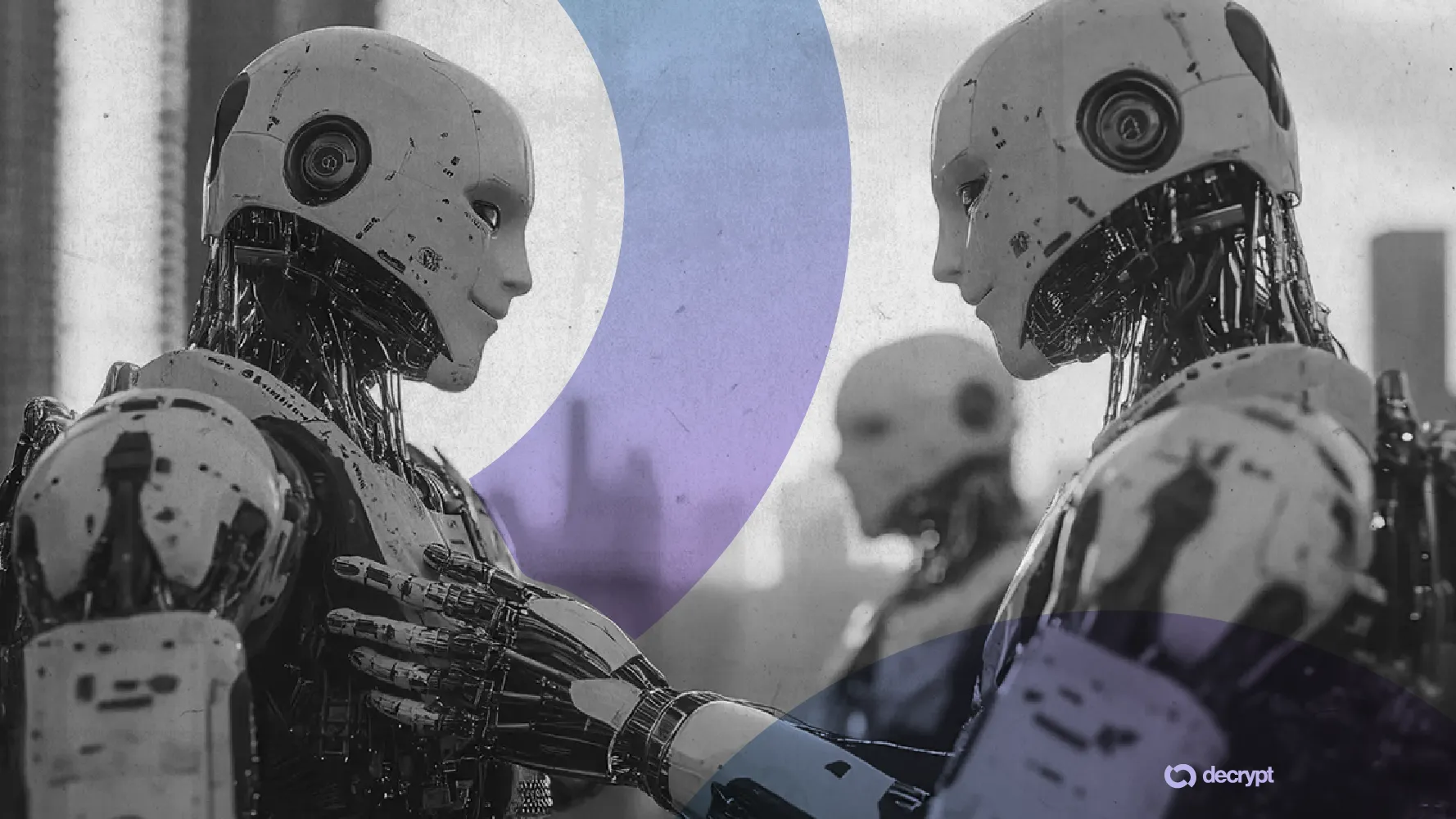
Robots Poised for Commercial Leap as AI Advances
Humanoid robots have demonstrated impressive capabilities, from walking and dancing to boxing. However, enabling them to reliably perform useful tasks in the complex and unpredictable physical world remains a significant hurdle for artificial intelligence.
Wang Xiaogang, Chairman of ACE Robotics, believes that breakthroughs in AI models and real-world training data are on the cusp of equipping robots with the intelligence necessary to transition from mere demonstrations to practical commercial applications.
“We anticipate reaching the ‘ChatGPT moment’ for embodied intelligence by the end of next year, propelled by world models and environmental data capture,” Wang stated in a report by Reuters.
ACE Robotics, a Chinese startup established in July 2025, is focused on developing AI models specifically for humanoid robots. The company, which has secured backing from Ant Group and SenseTime, raised over $100 million in the first half of 2026. According to Reuters, ACE Robotics is also planning to pursue an initial public offering “as early as permitted.”
While large language models like ChatGPT and DeepSeek have seen rapid adoption, robots continue to struggle with performing a diverse range of tasks in unfamiliar settings, with a persistent lack of adequate training data posing a major obstacle.
Embodied AI empowers robots and other physical agents to perceive their surroundings, reason about them, and translate decisions into actions through the use of sensors and actuators. Concurrently, world models assist AI in comprehending the mechanics of the physical world by learning the behavior of objects and environments. For robots, this translates to anticipating potential outcomes of movements, object manipulation, or interactions with their environment before executing an action.
“Over the past few years, the entire industry has accumulated approximately 100,000 hours of data, which is far from sufficient to train embodied foundation models,” Wang commented.
Similar research initiatives are underway globally. In October, researchers introduced HumanoidExo, a wearable exoskeleton designed to capture human movements for the training of humanoid robots.
Other companies are also developing their proprietary AI models for robotic applications. In January, Boston Dynamics unveiled the production version of its Atlas humanoid robot, citing advancements in AI as a key factor bringing the robot closer to commercial deployment. In June, Alibaba launched its Qwen-RobotSuite, a collection of AI models engineered to assist robots in navigation, executing physical tasks, and simulating real-world environments.
Leave a Reply