Author: Admin_Up

  • فایل‌کوین ۱۵ درصد جهش کرد: اهداف صعودی بعدی

    فایل‌کوین ۱۵ درصد جهش کرد: اهداف صعودی بعدی

    بازار ارزهای دیجیتال در تاریخ دوم سپتامبر (۱۱ شهریور) با تشدید تنش‌ها میان آمریکا و ایران در خاورمیانه، گامی دیگر به عقب برداشت. با این حال، برخی دارایی‌های دیجیتال مانند فایل‌کوین (FIL) همچنان در محدوده مثبت باقی مانده و حتی شاهد افزایش دو رقمی در مقیاس روزانه بوده‌اند. در ادامه به بررسی تحولات احتمالی آتی این توکن می‌پردازیم.

    رشد چشمگیر فایل‌کوین و پیش‌بینی‌ها

    فایل‌کوین (FIL) امروز با جهش ۱۵ درصدی و عبور موقت از مرز ۰.۸۰ دلار، عملکرد بهتری نسبت به ۱۰۰ ارز دیجیتال برتر داشت. در زمان نگارش این گزارش، این توکن با قیمتی حدود ۰.۷۷ دلار (بر اساس داده‌های CoinGecko) معامله می‌شود که نشان‌دهنده افزایش ۲۵ درصدی در دو هفته گذشته است.

    هنوز دلیل دقیق این روند صعودی مشخص نیست، اما به گفته بسیاری از ناظران بازار، این حرکت رو به بالا ممکن است پایان نیافته باشد. یکی از کاربران پلتفرم X به نام Crypto GVR اخیراً ادعا کرده است که FIL در حال حرکت به سمت منطقه‌ای است که می‌تواند برای “تغییر روند عمده بعدی” حائز اهمیت باشد.

    این تحلیلگر اظهار داشت که منطقه ۰.۵۰ تا ۰.۷۰ دلار را به عنوان “ناحیه احتمالی بازگشت” از نزدیک زیر نظر دارد و معتقد است که یک ریکاوری قوی و تقویت شتاب می‌تواند راه را برای حرکت بیشتر به سمت ۲ دلار در بلندمدت هموار کند.

    تحلیلگر دیگری با نام مستعار The Boss نیز در این زمینه اظهار نظر کرده است. او معتقد است که FIL به یک تصمیم فنی مهم نزدیک می‌شود، زیرا الگوی “گوه نزولی” (descending wedge) آن فشرده‌تر شده و قیمت اکنون بسیار نزدیک به راس آن قرار دارد.

    وی افزود: “مرز پایینی همچنان به عنوان حمایت عمل کرده است، در حالی که خط روند بالایی فشار را بر ریکاوری حفظ می‌کند. آنچه تغییر کرده، درجه فشردگی است. قیمت زمان بیشتری را در بخش پایینی ساختار سپری می‌کند تا اینکه به سمت پایین گسترش یابد، که این امر اهمیت گوه را افزایش می‌دهد.”

    این کاربر X ادعا کرد که شکست از مرز بالایی، “اولین تأیید ساختاری معنادار” خواهد بود، اما تا آن زمان “گوه نزولی دست‌نخورده باقی می‌ماند.”

    تحلیلگر دیگری به نام JAVON MARKS دیدگاه بسیار صعودی‌تری دارد. او معتقد است که اگر FIL به حفظ شکست کلیدی ادامه دهد، “نگاه‌ها به سمت یک بازگشت و رشد عمده معطوف خواهد شد”، به خصوص با توجه به بهبود اخیر وضعیت بازار ارزهای دیجیتال. این کاربر X جهش ۱۲۰۰ درصدی به ۲.۹۴ دلار و سپس انفجار قیمت به ۷.۵۰ دلار و ۱۱.۴۰ دلار را پیش‌بینی کرده است.

    او نتیجه گرفت: “ممکن است ما دقیقاً در ابتدای این فرآیند باشیم، همین حالا.”

    لازم به ذکر است که برخی از فعالان بازار از روند صعودی اخیر قیمت برای تثبیت سود خود استفاده کرده‌اند. معامله‌گر ارز دیجیتال، مهمت گیزیک (Mehmet GIZIK)، فاش کرد که موقعیت FIL خود را بسته و در نتیجه ۱۰,۲۰۰ دلار سود کسب کرده است.

    این تصمیم او غیرمنطقی نیست، با توجه به شاخص قدرت نسبی (RSI) این دارایی که به طور موقت از ۸۰ عبور کرد و اکنون بالای ۷۰ قرار دارد. چنین قرائتی به این معنی است که دارایی وارد محدوده اشباع خرید شده و ممکن است مستعد اصلاح باشد. از سوی دیگر، هر چیزی زیر ۳۰ معمولاً به عنوان فرصت خرید تلقی می‌شود.

  • Norway Eyes Ban on ‘Pervert Glasses,’ Facial Recognition

    Norway Eyes Ban on ‘Pervert Glasses,’ Facial Recognition

    Norway Considers Stricter Smart Glasses Rules, Potential Public Facial Recognition Ban

    Norway is preparing to implement tighter regulations on smart glasses and is exploring a ban on facial recognition technology in public spaces, according to Digitalisation Minister Karianne Tung. The announcement came on August 25.

    Tung stated that artificial intelligence is increasingly being integrated with the cameras and microphones found in smart glasses, earbuds, and caps. She emphasized Norway’s commitment to preventing such devices from being used for surveillance of individuals in public areas.

    To address these concerns, Tung announced the formation of an expert group that will advise the government on safeguarding consumers from the evolving technology. In the interim, she urged both public and private organizations to establish their own internal guidelines while new legislation is being developed. No specific timeline for these measures has been provided.

    Finn Lützow-Holm Myrstad, head of digital policy at the Norwegian Consumer Council, expressed support for the government’s initiative. However, he suggested that retailers should suspend sales of smart glasses until the legal framework is finalized.

    Myrstad highlighted that Meta’s facial recognition technology is already developed and awaiting deployment. He cautioned that a ban on this feature would not prevent users from covertly recording individuals, underscoring the “enormous” potential for misuse.

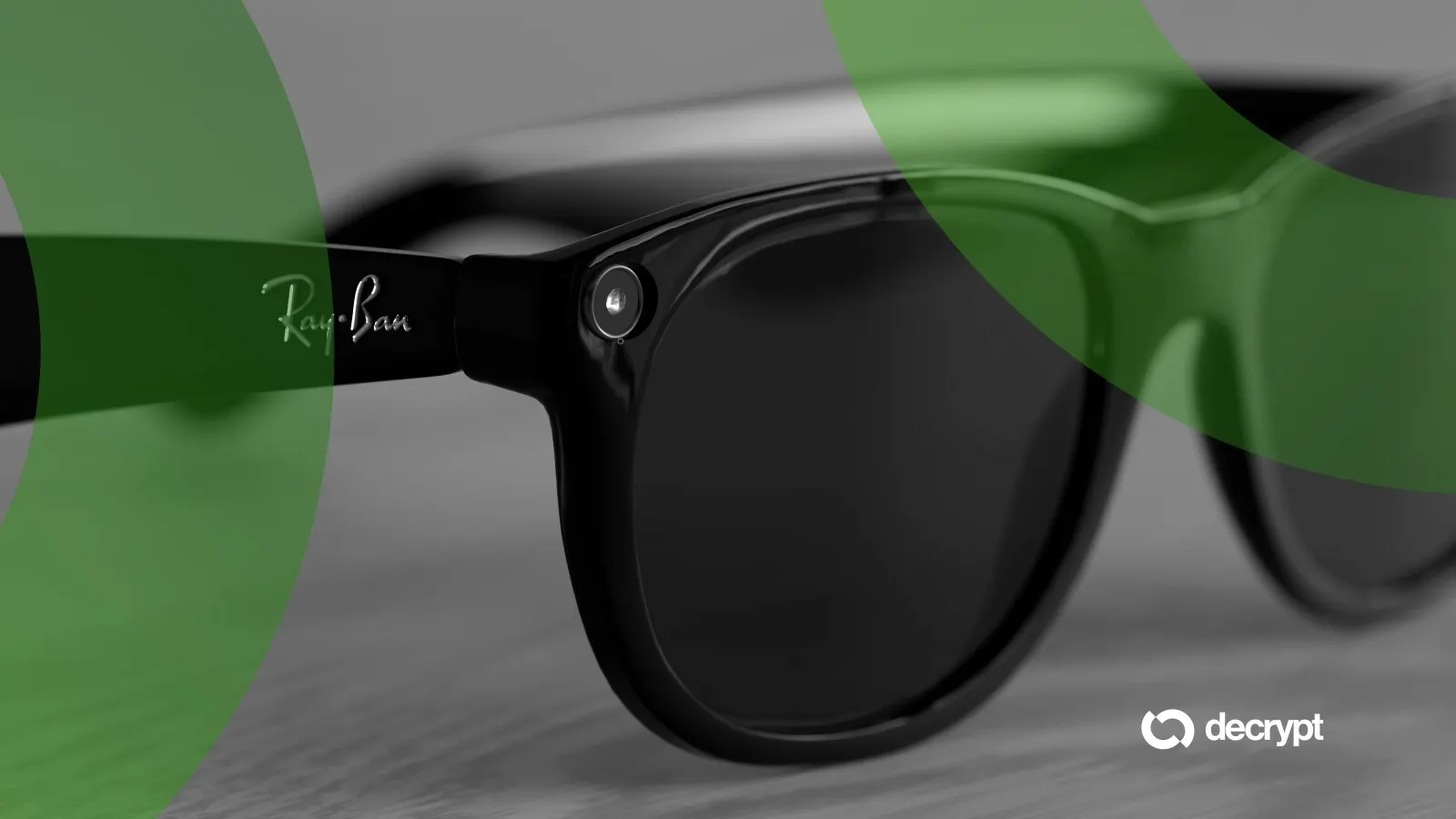
    An investigation by ABC News in January revealed instances where women were secretly filmed using Ray-Ban Meta glasses after being approached in public, with the footage subsequently shared on TikTok. In February, Swedish newspapers reported that Nairobi-based contractors tasked with training Meta’s AI had reviewed recordings of people undressing, using restrooms, and engaging in sexual activity.

    In April, the ACLU and 75 other organizations called on Meta to discontinue facial recognition in its smart glasses, deeming it a boundary society should not cross. Texas Attorney General Ken Paxton launched an investigation in May, and Meta released a patch in July after users discovered methods to circumvent the indicator light signaling recording.

    Meta has since patented eyewear capable of recognizing faces and logging user activities. Meanwhile, the privacy-focused search engine DuckDuckGo reported that its intentionally camera-free “Normal F*ing Sunglasses” sold out in less than a week.

    Comic Con organizer Monopoly Events and the DEF CON security conference have both prohibited the use of smart glasses at their venues. In July, Police Scotland initiated an investigation into a TikTok user accused of filming people with such a device.

    Norway would be among the pioneering nations to enact specific legislation for these types of devices. Tung’s ministry has not yet indicated when the expert group will convene or when a legislative bill might be introduced.

  • Filecoin Surges 15% Daily: Bullish Targets Revealed

    Filecoin Surges 15% Daily: Bullish Targets Revealed

    Filecoin Surges Amidst Broader Market Downturn, Analysts Eye Key Levels

    The cryptocurrency market experienced a setback on September 2, influenced by escalating tensions in the Middle East between the United States and Iran. However, amidst the general decline, certain digital assets, notably Filecoin (FIL), managed to maintain positive territory, even posting significant daily gains.

    Filecoin outperformed all cryptocurrencies within the top 100, surging by 15% and briefly trading above $0.80. As of this report, FIL is priced around $0.77, according to CoinGecko, marking a 25% increase over the past two weeks.

    While the precise catalyst for this resurgence remains unclear, market observers suggest that the upward momentum may persist. X user Crypto GVR recently indicated that FIL is approaching a critical zone that could signal a “next major trend shift.” This analyst highlighted the $0.50-$0.70 range as a “potential reversal area,” positing that a robust recovery and strengthening momentum could pave the way for a long-term push towards $2.

    Another analyst, known as The Boss, observed that FIL is nearing a significant technical juncture. The descending wedge pattern the token has been trading within has further compressed, bringing the price closer to its apex. “The lower boundary has continued to act as support, while the upper trendline keeps pressure on the recovery,” The Boss noted. “What has changed is the degree of compression. Price is spending more time near the lower part of the structure instead of expanding lower, making the wedge increasingly important.” This analyst cautioned that a breakout above the upper boundary would constitute the “first meaningful structural confirmation,” but until then, “the descending wedge remains intact.”

    JAVON MARKS offered a more optimistic outlook, believing that if FIL can sustain its current breakout, “sights remain on a major reversal & run,” particularly given recent improvements in the broader crypto market. This analyst projected a potential 1,200% surge to $2.94, followed by further ascents to $7.50 and $11.40. “We could be right at the start of this process, right now,” they concluded.

    It is worth noting that some market participants have capitalized on the recent price uptrend to secure profits. Crypto trader Mehmet GIZIK announced he had closed his FIL position, realizing a gain of $10,200. This decision aligns with the asset’s Relative Strength Index (RSI), which briefly exceeded 80 and now stands above 70. Such readings typically indicate that an asset has entered overbought territory and may be due for a correction, whereas readings below 30 are often seen as buying opportunities.

  • Fed Rate Cut Odds Plummet as September Hike Bets Surge

    Fed Rate Cut Odds Plummet as September Hike Bets Surge

    Fed Rate Hike Odds Surge, Bitcoin Faces Uncertainty

    Markets are increasingly pricing in a September interest rate hike by the Federal Reserve, with betting platforms like Kalshi showing a 59% probability for a 25-basis-point increase against 42% for no change. Other reports place the likelihood between 60% and 68% ahead of the Federal Open Market Committee meeting on September 15-16. Concurrently, the odds of a Fed rate cut have plummeted to a mere 1%, signaling a fading hope for such a move.

    This divergence between market expectations and potential Fed action presents a clear quandary for risk assets, including Bitcoin. Should the Federal Reserve maintain current rates while market sentiment leans towards an increase, the discrepancy between anticipated and actual outcomes could trigger a significant reevaluation of bearish positions.

    However, a simple rate hold by the Fed would not automatically translate into a bullish scenario for risk assets. The market’s reaction would also hinge on the accompanying communication from the central bank. A hold, coupled with dovish remarks from new SEC Chair Kevin Warsh, could potentially provide a boost to the cryptocurrency market.

    The recent repricing of rate expectations follows a public policy divergence. President Trump has voiced his opinion that U.S. interest rates are too high, while also expressing respect for Kevin Warsh’s mandate to make necessary decisions. Previously, Trump had indicated he would not have appointed Warsh to lead the Fed if he favored interest rate increases.

    Warsh’s recent address at Jackson Hole underscored concerns about inflation, suggesting that policymakers still have work to do if price pressures are not moving towards the Fed’s 2% target with sufficient speed.

    Following Warsh’s remarks, the rate market subsequently began to heavily price in a September rate increase as the most probable outcome. The current snapshot from the Kalshi market indicates a total trading volume of $31.3 million.

    Reported probabilities for a rate hike vary across different platforms and measurement times. This range of figures is more informative than any single data point, highlighting a clear shift in market sentiment towards tighter monetary policy less than three weeks before the upcoming meeting.

    President Trump’s objections to prevailing interest rates, juxtaposed with his stated respect for Warsh’s role, leave markets to interpret the Fed chair’s signals rather than the White House’s preferences. Warsh’s inflation-focused message from his Jackson Hole debut has emerged as a key reference point for the September decision.

    The shift in rate expectations has also coincided with broader market pressures. Nasdaq-100 futures were down 1.19% to 29,163.25, Dow futures fell by 341 points to 52,899, and S&P 500 futures declined 0.62% to 7,651.50 in premarket trading on Tuesday, according to FinanceFeeds.

    Meanwhile, WTI October crude oil futures rose 2.44% to $87.85, and Brent crude traded near $90, adding another inflation-sensitive factor to the market backdrop.

    Rate Decision vs.

    Market Expectations: A Crucial Distinction

    The distinction between the Fed’s actual rate decision and prevailing market expectations is paramount. A Fed hold would leave interest rates unchanged and, by itself, would not signal a shift towards easier monetary policy. It could only be interpreted as a dovish surprise if markets were strongly anticipating an increase immediately prior to the decision and if the Fed’s forward guidance did not counteract that surprise.

    For Bitcoin, this distinction means that a rate hold could prompt a reassessment of positions built around an anticipated rate hike, but it would not guarantee an upward price movement. A hold accompanied by language that keeps further tightening firmly in view would likely elicit a very different market reaction compared to a hold paired with softer guidance. Consequently, the decision, the accompanying policy statement, and the broader interpretation of inflation risks will need to be considered in conjunction.

    The wider macroeconomic environment further underscores the prevailing uncertainty. The 10-year Treasury yield has been trading in a range of approximately 4.75% to 4.80%, marking a fifth consecutive session of rising yields and reaching its highest level since January 2025, according to Trading Economics. Higher yields and oil prices were among the factors contributing to the pressure on risk assets observed in recent market movements.

    Potential Scenarios for the FOMC Meeting

    Three broad scenarios frame the approach to the September FOMC decision. If rate-hike odds remain elevated and the Fed holds rates with relatively soft guidance, the gap between market pricing and the actual decision could support a reassessment across risk assets, including Bitcoin. This scenario would be most consistent with discussions around a potential short squeeze.

    If the Fed decides to raise rates, the outcome would align more closely with the probabilities reported by platforms such as Polymarket, CME FedWatch, Fed funds futures, and Trading Economics.

    Should the Fed hold rates while emphasizing that further tightening remains a possibility, the perceived dovish surprise would be less pronounced. In any of these scenarios, the critical question will not only be whether the Fed alters interest rates but also how the decision compares with the expectations that have developed since the Jackson Hole symposium.

    Developments in inflation, Treasury yields, oil prices, and the evolving probabilities of rate changes will continue to shape the market backdrop leading up to the September 15-16 meeting. The available evidence suggests a market focused on the possibility of a rate increase, rather than a single definitive probability or a predetermined reaction in Bitcoin.

  • تتر به اتهام مسدودسازی غیرقانونی ۴۲.۴ میلیون دلار USDT تحت پیگرد قانونی قرار گرفت

    تتر به اتهام مسدودسازی غیرقانونی ۴۲.۴ میلیون دلار USDT تحت پیگرد قانونی قرار گرفت

    دو تاجر تایلندی روز دوشنبه از تتر شکایت کردند و مدعی شدند که صادرکننده استیبل‌کوین، حدود ۴۲.۴ میلیون دلار USDT را بدون مجوز قانونی مسدود کرده است.

    ناتوات روکتامالرن و ناتوات کاسامویلاس این شکایت را در دادگاه منطقه‌ای ایالات متحده برای ناحیه جنوبی نیویورک ثبت کردند. در این شکایت، چهار نهاد تتر نام برده شده‌اند و موضوع آن مربوط به USDT نگهداری شده در ده آدرس اتریوم است.

    طبق این شکایت، تتر در اکتبر گذشته به درخواست غیررسمی یکی از ماموران تحقیقات امنیت داخلی و بدون حکم قضایی یا دستور دادگاه، این آدرس‌ها را در لیست سیاه قرار داده است. بیش از سه ماه بعد، یک قاضی فدرال در کارولینای شمالی حکم توقیف صادر کرد که در آن طرحی برای سوزاندن توکن‌های مسدود شده توسط تتر، ضرب توکن‌های جایگزین USDT و انتقال آن به کیف پول تحت کنترل دولت، تشریح شده بود.

    شاکیان استدلال می‌کنند که حکم توقیف، نه تنها مسدودسازی قبلی را به صورت عطف به ماسبق تأیید نکرده، بلکه به تتر اجازه نداده است که توکن‌های اصلی را قبل از صدور حکم نهایی ضبط، از بین ببرد.

    وکلای روکتامالرن و کاسامویلاس بلافاصله به درخواست اظهار نظر پایگاه خبری Decrypt پاسخ ندادند.

    تتر کنترل عملکردهای مدیریتی در قرارداد هوشمند USDT را در اختیار دارد که به این شرکت اجازه می‌دهد آدرس‌های ارز دیجیتال را در شبکه‌های مختلف از جمله اتریوم در لیست سیاه قرار دهد. توکن‌های لیست سیاه شده در بلاک‌چین قابل مشاهده باقی می‌مانند اما قابل انتقال نیستند. تتر همچنین می‌تواند USDT نگهداری شده در این آدرس‌ها را بسوزاند.

    در ماه آوریل، تتر اعلام کرد که با بیش از ۳۴۰ نهاد اجرای قانون در ۶۵ کشور همکاری می‌کند. تتر اظهار داشت که این همکاری به مسدود کردن بیش از ۴.۴ میلیارد دلار دارایی مرتبط با فعالیت‌های غیرقانونی مشکوک کمک کرده است.

    پائولو آردوئینو، مدیرعامل تتر، در آن زمان در بیانیه‌ای گفت: «USDT پناهگاه امنی برای فعالیت‌های غیرقانونی نیست. هنگامی که ارتباطات معتبر با نهادهای تحریم شده یا شبکه‌های جنایتکار شناسایی می‌شود، ما فوراً و قاطعانه عمل می‌کنیم. رویدادهای اخیر نشان داده است که وقتی پلتفرم‌ها در حرکت سریع شکست می‌خورند، اجرای قانون مختل می‌شود، کاربران در معرض خطر قرار می‌گیرند و اعتماد از بین می‌رود.»

    روکتامالرن و کاسامویلاس اظهار داشتند که USDT را در معاملات تجاری بازار ثانویه خریداری کرده‌اند و هرگز حساب تتر باز نکرده‌اند، توکن‌ها را مستقیماً از شرکت نخریده‌اند یا با شرایط آن موافقت نکرده‌اند.

    تتر بلافاصله به درخواست اظهار نظر پایگاه خبری Decrypt پاسخ نداد.

  • نروژ در پی محدودیت “عینک‌های هرزه‌نگار” و بررسی ممنوعیت تشخیص چهره

    نروژ در پی محدودیت “عینک‌های هرزه‌نگار” و بررسی ممنوعیت تشخیص چهره

    نروژ به دنبال تشدید مقررات عینک‌های هوشمند و ممنوعیت تشخیص چهره در فضاهای عمومی

    اسلو – نروژ قصد دارد مقررات مربوط به عینک‌های هوشمند را به طور جدی‌تری تنظیم کند و در حال بررسی ممنوعیت استفاده از فناوری تشخیص چهره در فضاهای عمومی است. این خبر را «کارینه تونگ»، وزیر دیجیتالی‌سازی نروژ، روز جمعه ۲۵ اوت اعلام کرد.

    خانم تونگ در بیانیه‌ای اظهار داشت که هوش مصنوعی به طور فزاینده‌ای با دوربین‌ها و میکروفون‌های تعبیه شده در عینک‌ها، هدفون‌ها و کلاه‌ها ترکیب می‌شود و افزود که نروژ «باید از استفاده این تجهیزات برای نظارت بر سایر افراد در فضاهای عمومی جلوگیری کند.»

    وی اعلام کرد که گروهی از کارشناسان را برای ارائه مشاوره به دولت در زمینه حفاظت از مصرف‌کنندگان در برابر این فناوری منصوب خواهد کرد و از سازمان‌های دولتی و خصوصی خواست تا در زمان تدوین قوانین، دستورالعمل‌های خود را تهیه کنند. هنوز جدول زمانی مشخصی برای این اقدامات تعیین نشده است.

    «فین لوتزو-هولم میرستاد»، رئیس سیاست‌گذاری دیجیتال در شورای مصرف‌کنندگان نروژ، از این اقدام استقبال کرد اما گفت که فروشگاه‌ها باید تا زمان نهایی شدن قانون، فروش عینک‌های هوشمند را متوقف کنند.

    وی با اشاره به اینکه فناوری تشخیص چهره متا در حال آماده‌سازی برای عرضه است، افزود که ممنوعیت این ویژگی مانع از فیلم‌برداری مخفیانه افراد توسط کاربران نخواهد شد و پتانسیل سوءاستفاده از این فناوری را «عظیم» خواند.

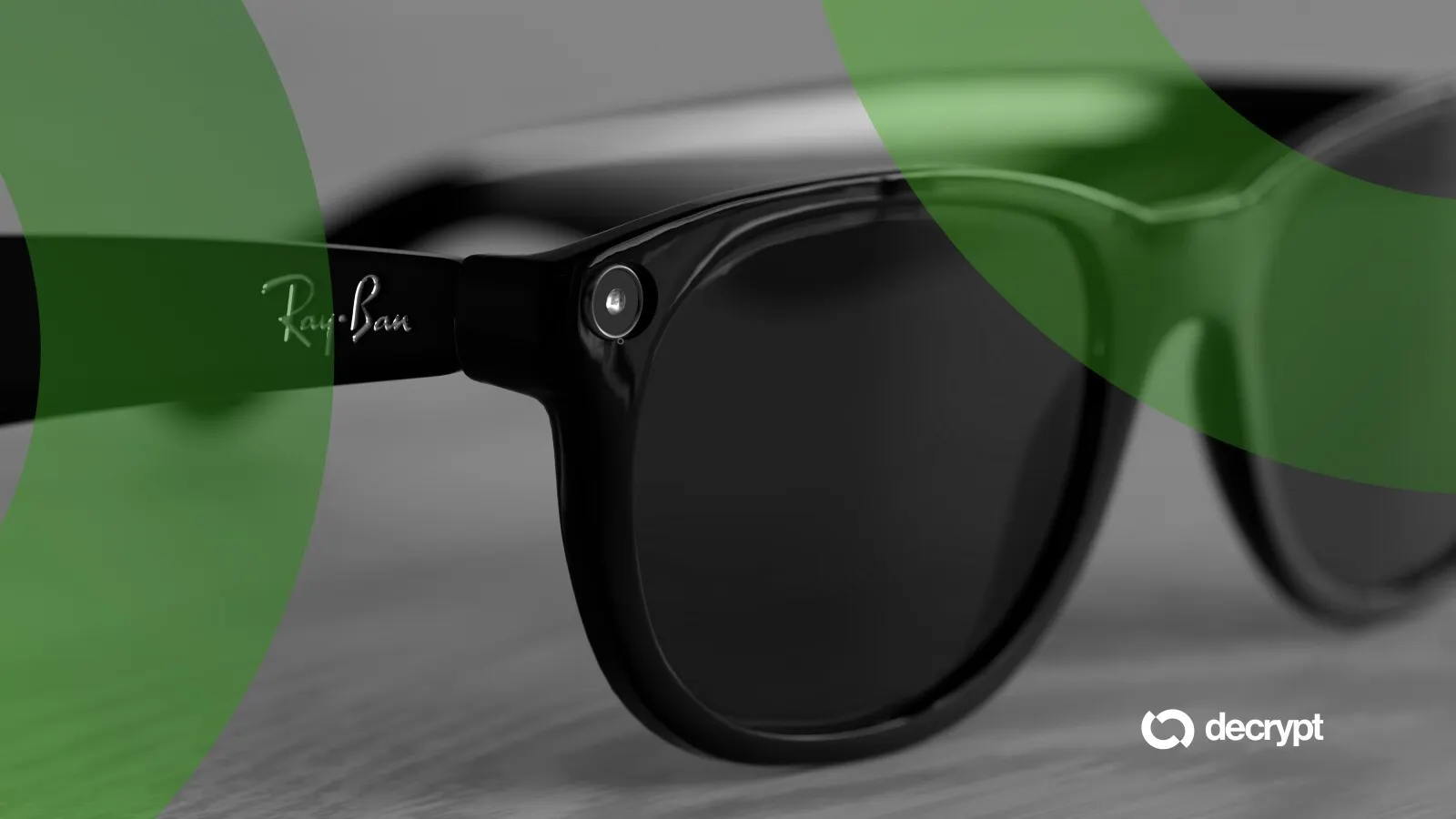
    تحقیقات بی‌بی‌سی در ماه ژانویه نشان داد که زنانی که در فضاهای عمومی مورد خطاب قرار گرفته بودند، به طور مخفیانه با عینک‌های Ray-Ban Meta فیلم‌برداری شده و این تصاویر در تیک‌تاک منتشر شده‌اند. روزنامه‌های سوئدی در ماه فوریه گزارش دادند که پیمانکاران مستقر در نایروبی که برای آموزش هوش مصنوعی متا استخدام شده بودند، به ضبط تصاویر افرادی که در حال تعویض لباس، استفاده از سرویس بهداشتی و برقراری رابطه جنسی بودند، دسترسی داشته‌اند.

    اتحاد آزادی‌های مدنی آمریکا (ACLU) و ۷۵ گروه دیگر در ماه آوریل از متا خواستند تا استفاده از تشخیص چهره در عینک‌های خود را کنار بگذارد و آن را خطی توصیف کردند که جامعه نباید از آن عبور کند. «کن پاکستون»، دادستان کل تگزاس، در ماه مه تحقیقاتی را آغاز کرد و متا در ماه ژوئیه پس از آنکه کاربران راه‌هایی برای غیرفعال کردن چراغ نشانگر ضبط پیدا کردند، دستگاه‌های خود را اصلاح کرد.

    از آن زمان، متا حق ثبت اختراع عینک‌هایی را به دست آورده است که چهره‌ها را تشخیص داده و فعالیت‌های کاربران را ثبت می‌کنند. در همین حال، موتور جستجوی DuckDuckGo که بر حریم خصوصی تمرکز دارد، عینک آفتابی «Normal F*ing Sunglasses» خود را که عمداً بدون دوربین طراحی شده بود، در کمتر از یک هفته به فروش رساند.

    برگزارکنندگان کامیک کان (Comic Con) یعنی Monopoly Events و کنفرانس امنیتی DEF CON هر دو استفاده از این عینک‌ها را در محل برگزاری خود ممنوع کرده‌اند و پلیس اسکاتلند در ماه ژوئیه تحقیقاتی را در مورد یک تیک‌تاکر متهم به فیلم‌برداری از افراد با این عینک‌ها آغاز کرد.

    نروژ جزو اولین کشورهایی خواهد بود که به طور خاص برای این دستگاه‌ها قانون‌گذاری می‌کند. وزارتخانه تونگ هنوز اعلام نکرده است که گروه کارشناسان چه زمانی تشکیل جلسه خواهد داد یا چه زمانی ممکن است لایحه قانونی ارائه شود.

  • قیمت ریپل در سپتامبر با نزدیک شدن قانون شفافیت به کجا خواهد رسید؟

    قیمت ریپل در سپتامبر با نزدیک شدن قانون شفافیت به کجا خواهد رسید؟

    قیمت XRP در ۱.۳۲ دلار قرار دارد که نسبت به روز گذشته ۳ درصد کاهش یافته و به سمت پایین‌ترین حد محدوده اخیر خود بازگشته است. اما سوال واقعی این است که آیا این افت فرصتی برای خرید پیش از یک کاتالیزور نظارتی است یا آغاز روندی ناخوشایندتر.

    این عقب‌نشینی پس از تلاشی ناموفق برای حفظ سودهای حاصل از رالی ماه اوت به سمت ۱.۷۰ دلار رخ داده است و XRP اکنون در هفته گذشته ۷ درصد کاهش یافته است. ریپل طبق برنامه ۱ میلیارد XRP را از امانت خارج کرد و کمی بعد ۷۰۰ میلیون XRP را دوباره به امانت بازگرداند؛ این یک رویداد معمول عرضه است، اما زمانی که قیمت در حال حاضر ضعیف است، همیشه توجه معامله‌گران را جلب می‌کند.

    ۵۰۰ میلیون XRP از بایننس خارج شد

    «این سیگنال نسبتاً مثبتی برای XRP است، اگرچه این پویایی بیشتر از منظر بلندمدت مرتبط است تا تأثیر مستقیم بر قیمت در کوتاه‌مدت.» – توسط @Darkfost_Coc pic.twitter.com/fscc2CIzs2

    در همین حال، فعالیت XRP Ledger داستان متفاوتی را روایت می‌کند: تراکنش‌های تجمعی از ۳ میلیارد عبور کرده و حجم آن‌چین با وجود کاهش قیمت لحظه‌ای، ۲۰۰ درصد افزایش یافته است.

    بازارها کمکی نمی‌کنند. بیت‌کوین به زیر ۷۷,۰۰۰ دلار سقوط کرده و اتریوم زیر ۲,۴۰۰ دلار قرار دارد، زیرا تنش‌های تازه آمریکا و ایران قیمت نفت را افزایش داده و انتظارات از سیاست انقباضی فدرال رزرو را تقویت می‌کند. این همان پس‌زمینه کلان اقتصادی است که XRP باید در آستانه ماهی که می‌تواند بزرگترین لحظه نظارتی آن باشد، با آن مبارزه کند.

    کشف کنید: بهترین ارزهای دیجیتال برای تنوع بخشیدن به سبد سرمایه‌گذاری شما

    XRP پس از عقب‌نشینی شدید هفتگی، در محدوده ۱.۳۲ تا ۱.۳۵ دلاری در حال تثبیت است و داده‌های CoinGecko نشان‌دهنده محدوده هفت روزه بین ۱.۳۱ تا ۱.۴۷ دلار است. حجم معاملات همراه با روند قیمت کاهش یافته و گزارش‌ها حاکی از آن است که میزهای معاملات مشتقه هنوز نشانه‌ای از ترس از دست دادن فرصت (FOMO) را نشان نمی‌دهند، که این خود نشانه‌ای از یک فنر فشرده است.

    حمایت در محدوده ۱.۳۱ تا ۱.۳۴ دلاری قرار دارد؛ شکسته شدن تمیز این سطح، فضا را تا اوایل محدوده ۱.۲۰ دلاری باز می‌کند. مقاومت در ۱.۳۹ دلار و سپس ۱.۴۷ دلار انباشته شده است، و بالاترین قیمت ماه اوت یعنی ۱.۷۰ دلار به عنوان سقف در بازه زمانی بالاتر عمل می‌کند.

    سناریوی صعودی تقریباً به طور کامل به رأی‌گیری مجلس سنا در مورد قانون CLARITY که انتظار می‌رود حدود ۱۵ سپتامبر برگزار شود، بستگی دارد. تصویب این قانون می‌تواند قیمت XRP را به سمت سطح ۲ دلاری که تحلیلگران مطرح کرده‌اند، افزایش دهد، در حالی که تأخیر یا شکست آن احتمالاً XRP را نزدیک به سطوح حمایتی فعلی نگه می‌دارد. هدف ۱۰ دلاری استاندارد چارترد برای سال ۲۰۲۶ به صراحت، دستیابی به شفافیت نظارتی را فرض می‌کند؛ بدون آن، این عدد نظری باقی می‌ماند.

    ارز XRP را در Bybit معامله کنید و شانس برنده شدن در ایردراپ ۱۰۰۰ دلاری USDT ما را داشته باشید.

    کاهش هفتگی ۶.۵ درصدی در یک دارایی جزو ۱۰ دارایی برتر، به خصوص برای معامله‌گرانی که در رالی ماه اوت به امید ادامه روند خرید کرده بودند، دردناک است. کاتالیزورهای قانونی از نظر زمان‌بندی به طور بدنامی غیرقابل اعتماد هستند و با توجه به دفعات متعددی که CLARITY با تأخیر مواجه شده است، تعجب‌آور نخواهد بود اگر دوباره با تأخیر روبرو شود.

    برای معامله‌گرانی که از انتظار برای کنگره خسته شده‌اند، سرمایه به سمت دارایی‌هایی با بازه‌های زمانی کوتاه‌تر و قابل کنترل‌تر در حال چرخش است، و اینجاست که بازی‌های پیش‌فروش مانند Maxi Doge ($MAXI) وارد بحث می‌شوند.

    جمعه شب: “آرام می‌مانم و تمام آخر هفته را به معامله نمی‌پردازم” دوشنبه صبح: pic.twitter.com/OGFfZNxdNe

    Maxi Doge با فرهنگ میم‌های “gym-bro” و انرژی معاملاتی “اهرم ۱۰۰۰ برابری” عجین شده است و حول محور رقابت‌های معاملاتی فقط برای دارندگان با جوایز در جدول امتیازات و یک صندوق خزانه که برای نقدینگی و مشارکت‌ها اختصاص یافته، ساخته شده است.

    این توکن در حال حاضر با قیمت ۰.۰۰۰۲۸۳۶ دلار معامله می‌شود و تاکنون ۴.۸ میلیون دلار جمع‌آوری کرده است، و استیکینگ، APY پویایی را برای مشارکت‌کنندگان اولیه ارائه می‌دهد. این پروژه بدون عذرخواهی اولویت خود را بر میم‌ها قرار داده است که تازه و قابل توجه است.

    قبل از بسته شدن پنجره پیش‌فروش، Maxi Doge را تحقیق کنید.

    کشف کنید: بهترین پیش‌فروش‌های توکن

    پست قیمت XRP در سپتامبر امسال با نزدیک شدن قانون CLARITY به کجا خواهد رفت؟ اولین بار در Cryptonews ظاهر شد.

  • Sality Botnet Dismantled After Nearly Two Decades of Cryptocurrency Theft

    Sality Botnet Dismantled After Nearly Two Decades of Cryptocurrency Theft

    A multinational operation involving law enforcement agencies and cybersecurity firms has successfully dismantled the Sality botnet, a sophisticated cybercrime operation active since 2003 that evolved to focus on stealing cryptocurrency. The takedown, announced Tuesday, September 1, 2026, targeted the botnet’s infrastructure across the United States, Bulgaria, Hungary, and Romania.

    For the last eight years of its operation, Sality primarily engaged in cryptocurrency theft by hijacking user transactions. This was achieved through a tool known as EggJagger, which monitored infected computers’ clipboards for cryptocurrency wallet addresses. When a user copied a Bitcoin or Ethereum address to send funds, EggJagger would swap it with an address controlled by the botnet operator, diverting the cryptocurrency to their own wallets. This clipjacking technique meant that victims unknowingly sent their digital assets to the attackers.

    The operation to dismantle Sality was led by CrowdStrike and the U.S. Justice Department, with significant involvement from the FBI and the Defense Criminal Investigative Service. Law enforcement agencies seized Sality-linked domains in the U.S. and Europe. CrowdStrike’s Counter Adversary Operations team played a crucial role by redirecting infected machines to sinkholes controlled by the firm, effectively isolating over 15,000 machines worldwide.

    Before its focus on cryptocurrency, the Sality botnet was used for a variety of malicious activities, including credential theft, spam distribution, proxy services, and denial-of-service attacks. The operator, tracked by CrowdStrike as SALTY SPIDER, also occasionally used the botnet for targeted attacks. In September 2023, a denial-of-service payload was directed at AvanChange, a Russian cryptocurrency exchange.

    Sality’s longevity and resilience were partly due to its decentralized, peer-to-peer architecture, which lacked a central server that could be easily seized. Infected machines communicated directly with each other, making the botnet difficult to track and disrupt. The malware spread by attaching itself to executable files, regenerating without direct operator intervention.

    CrowdStrike estimates that the never-spent cryptocurrency portfolio associated with the botnet reached a peak value of approximately 147 million rubles (nominally $1.35 million USD) in January 2025. However, the exact total amount of cryptocurrency stolen by the Sality botnet remains uncertain, as does the full identity of the operator(s) behind SALTY SPIDER.

    While the botnet infrastructure has been disrupted, CrowdStrike warns that malware already present on infected machines will remain active until manually removed. The Shadowserver Foundation is collaborating with internet providers to notify victims of potential infections. The takedown highlights the persistent and evolving nature of cyber threats, particularly in the cryptocurrency space, and underscores the importance of sustained international cooperation in cybersecurity efforts.

    Why This Matters

    The materials describe a narrow update: A multinational operation led by CrowdStrike and the U. The exact total amount of cryptocurrency stolen by the Sality botnet.

    Broader Context

    Source materials place the factual news in this context: Sality botnet has circulated since 2003.

  • Liminal Launches Liminal Prime Suite for Institutional OTC and Stablecoin Liquidity

    Liminal Launches Liminal Prime Suite for Institutional OTC and Stablecoin Liquidity

    Liminal announced on September 2nd, 2026, the launch of Liminal Prime, a new enterprise software suite aimed at institutional clients seeking principal OTC dealing and stablecoin liquidity connectivity. This launch expands Liminal’s existing infrastructure, which includes institutional digital asset wallet and key-management solutions.

    Liminal Prime comprises three distinct products: White-Glove OTC, Electronic OTC (eOTC), and Bridge. These are designed to provide trading and liquidity access while integrating with established institutional governance and compliance frameworks. According to Liminal, the suite addresses a client-identified gap for trading and liquidity infrastructure that operates within existing compliance structures.

    Product Details:

    • White-Glove OTC: Intended for high-value, complex, and time-sensitive block trades, facilitated by a dedicated dealing desk.
    • Electronic OTC (eOTC): Offers both GUI and API-driven access to streaming and firm quotes for high-frequency digital asset transaction flows.
    • Bridge: A technology platform enabling institutions to request quotes from and trade directly with liquidity providers they have onboarded.

    Liminal stated that each product functions as an independent module, allowing for separate licensing and deployment, providing flexibility based on operational and regulatory needs. These products were developed through direct engagement with Liminal’s client base, including licensed exchanges, payment companies, financial institutions, and digital asset businesses.

    Liminal’s existing infrastructure has processed over US$100 billion in on-chain transactions across more than 20 blockchain networks for institutions in over 12 countries. Liminal Prime is positioned to support the next phase of institutional adoption, focusing on trading, liquidity access, and operational efficiency.

    Regulatory Considerations:

    Liminal noted that White-Glove OTC and eOTC are restricted and unavailable in the UAE, India, Singapore, and Taiwan. The availability of the Bridge product is subject to local regulatory requirements, though specific details were not provided. Liminal emphasizes that users are solely responsible for ensuring compliance with all local regulations before accessing its services.

    Liminal clarified its role in these offerings. For White-Glove OTC and eOTC, Liminal acts as the principal counterparty for its own account on every trade. For the Bridge product, Liminal is not the counterparty, does not operate an exchange or brokerage, and takes no custody of assets; its role is limited to routing quote requests and supporting communication between the institution and its chosen liquidity provider, with the trade and settlement occurring directly between those parties off-platform.

    Across all three products, Liminal Prime offers configurable reporting, audit-ready workflows, and integration with Liminal’s existing wallet and key-management infrastructure. The products support multiple blockchain networks and major digital asset pairs, designed to provide the transparency, governance, and operational controls required by institutions.

    Liminal Prime represents the initial phase of a broader infrastructure strategy, with the company planning to continue developing its product offerings as institutional participation in digital asset markets grows. The company’s objective is to serve as a trusted infrastructure partner for licensed institutions throughout their digital asset operations.

    Why This Matters

    The materials describe a narrow update: Liminal has launched Liminal Prime, an enterprise software suite offering principal OTC dealing and LP connectivity for institutional clients. The availability of Bridge is subject to local regulatory requirements.

    Broader Context

    Source materials place the announcement in this context: Liminal is a provider of institutional digital asset wallet and key-management infrastructure.

  • AI Moguls Fund Ad Surge Amidst Growing Data Center Opposition

    AI Moguls Fund Ad Surge Amidst Growing Data Center Opposition

    AI Backers Launch Multi-Million Dollar Ad Campaign in Key States Amidst Growing Data Center Opposition

    An advocacy group funded by artificial intelligence billionaires is launching a multi-million dollar advertising campaign in three crucial battleground states to counter growing public opposition to data centers. The effort, spearheaded by the super PAC Leading the Future, will target Kansas, Ohio, and Wisconsin, where the issue has become a significant factor in statewide political races.

    Build American AI, the group behind the campaign, issued a statement warning against allowing “the loudest and most extreme voices” to shape the nation’s technological future. While the exact budget remains undisclosed, the group confirmed it is in the millions of dollars.

    The push comes as public sentiment appears to be shifting. Polling conducted by the Annenberg Public Policy Center between June 16 and July 19 revealed that 61% of 1,320 U.S. adults surveyed opposed new data centers in their local areas. This marks a significant increase from a February and March survey, where only 49% expressed similar concerns. Opposition was widespread across the political spectrum, with majorities of Democrats (69%), Republicans (54%), and independents (53%) voicing their disapproval.

    Interestingly, overall views on artificial intelligence itself have remained relatively stable during the same period. However, concerns about data centers appear to be a distinct issue, with even heavy AI users expressing apprehension. “Even heavy AI users seem to be concerned about these very concrete worries,” noted Matthew Levendusky of the Annenberg Public Policy Center.

    The growing backlash has not gone unnoticed by political strategists. The National Republican Senatorial Committee has reportedly cautioned AI companies that the data center issue is becoming politically toxic. In Ohio, for instance, Democratic Senate candidate Sherrod Brown has made opposition to data centers a central theme of his campaign against Republican Senator Jon Husted. President Donald Trump weighed in on Monday, suggesting that communities resisting data centers risk becoming “backwards and poor” and urging them to “let Data Reign,” while also implying that China would welcome the backlash.

    The resistance is already having tangible effects on development. New York has implemented a moratorium on hyperscale data centers, Texas has temporarily halted approvals, and cities ranging from Austin to Jersey City have enacted outright bans. Data Center Watch reported that in the first quarter of 2026 alone, 75 projects worth approximately $130 billion were either blocked or delayed, a trend that lenders are beginning to factor into credit risk assessments.

    Analysts have warned that this widespread opposition could significantly slow the buildout of AI infrastructure, a scenario that has played out previously with the cryptocurrency mining industry. In Granbury, Texas, nine residents filed a lawsuit in May against MARA Holdings over noise pollution from its Bitcoin mining site, citing issues such as insomnia, headaches, and tinnitus. This lawsuit is one in a series of legal challenges targeting the mining industry.

    Some of these former Bitcoin miners are now pivoting to AI infrastructure, potentially facing similar hurdles. These companies often possess valuable interconnection rights, which can take years to secure, and are now leasing these to AI companies instead of using them for Bitcoin mining.

    Examples of this shift include TeraWulf, which signed a 20-year, $19 billion lease with Anthropic in July for a 401-megawatt campus in Kentucky. Hut 8 has committed a Texas site to a $9.8 billion AI lease, and IREN has entered into a $3.4 billion cloud deal with Nvidia.