Tag: Adoption & Partnerships

  • Georgia to Launch Official Stablecoin with Central Bank Support

    Georgia to Launch Official Stablecoin with Central Bank Support

    Tether announced on Monday its plans to launch a stablecoin in Georgia, backed by the Georgian government, highlighting the country’s efforts to become a crypto hub aligned with U.S. regulations.

    GELT Stablecoin

    The stablecoin, named GELT, will digitally represent the Georgian lari, according to Tether. The company described the move as one of the “first joint efforts to place a national currency directly onto digital asset rails” within a specifically designed framework.

    Georgian Prime Minister Irakli Kobakhidze stated that with a population of approximately 3.9 million, Georgia is building the foundation for “a more connected, transparent, and digitally empowered financial world” through GELT.

    The stablecoin is presented as a transformative development for the region, promising citizens immediate settlements, reduced transaction fees, and a direct link between the traditional banking system and Georgia’s expanding digital economy.

    Tether’s Expansion

    Tether’s leading stablecoin, USDT, has a market capitalization of nearly $190 billion. Monday’s announcement reflects the company’s efforts to expand its dominance beyond the U.S. dollar. Tether already issues tokens pegged to the euro, British pound, Mexican peso, and gold. However, none of these tokens have the explicit backing of a national government or its central bank.

    Tether noted that the Government and National Bank of Georgia have spent years developing a regulatory framework for digital assets, establishing rules that align with those enacted in the U.S. under the GENIUS Act last year. These include requirements for reserve management, redemption rights, and issuer oversight.

    Georgia already allows residents to pay taxes in digital assets, which are then converted into the local currency. In 2023, the country’s central bank partnered with Ripple to pilot a digital version of Georgia’s national currency using the Ripple CBDC Platform.

    Government Collaboration

    “The National Bank of Georgia welcomes collaboration with global innovators like Tether as part of its broader strategy to advance secure, modern, and internationally aligned digital financial infrastructure,” said Natia Turnava, President of the National Bank of Georgia.

    Monday’s announcement did not specify whether GELT will function as a central bank digital currency (CBDC). Unlike stablecoins, which are issued by private companies on public networks, CBDCs are controlled and maintained by their respective governments.
  • BNB Chain Introduces AI Agent Payment System with Six Partners

    BNB Chain Introduces AI Agent Payment System with Six Partners

    BNB Chain Launches Agent Survival Pack, Enabling On-Chain Payments for AI Agents

    [PRESS RELEASE – Dubai, UAE, May 25th, 2026]

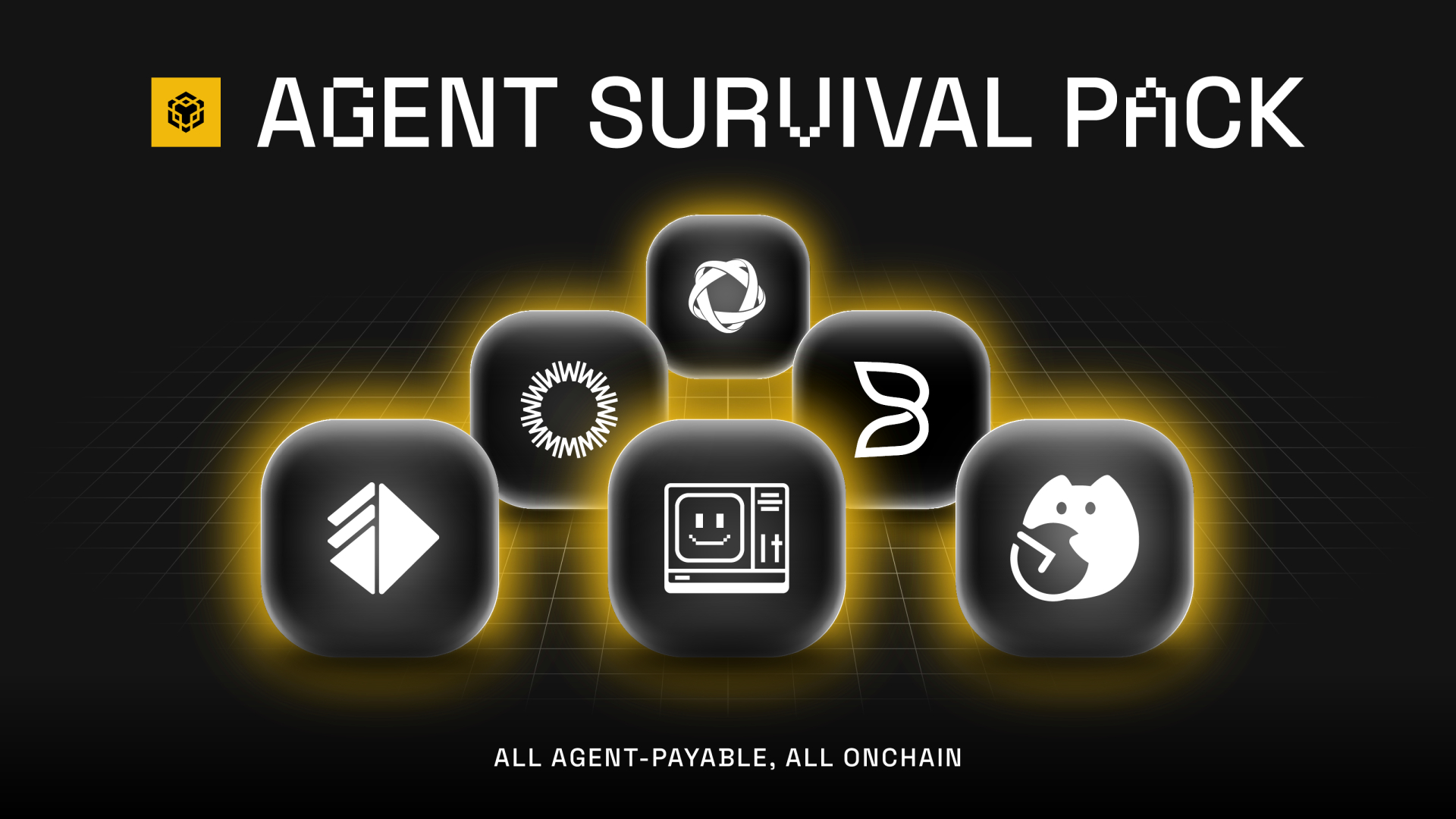
    BNB Chain, a leading blockchain ecosystem, announced the launch of the Agent Survival Pack on May 21st. This coordinated initiative brings together six AI infrastructure partners to enable autonomous AI agents to directly manage their operating costs on-chain.

    Participating Projects

    The participating projects cover the two essential layers for AI agent operation: LLM access and financial infrastructure. All transactions will be settled in BNB or BEP-20 tokens on the BNB Smart Chain (BSC).

    Addressing a Key Challenge

    The initiative addresses a significant limitation in current AI agent deployments. Most agents currently rely on human-managed billing systems, including AWS accounts, OpenAI API keys, and SaaS subscriptions linked to individual credit cards. This necessitates human intervention for payments, top-ups, and service adjustments, thereby restricting the level of autonomy an agent can achieve.

    Incentive Programs

    Each participating project is launching its own incentive program alongside the Agent Survival Pack to reduce barriers to entry for builders and agents testing the integrations. These programs are tracked on-chain, eliminating the need for separate signup or claim forms. Specific details vary by project and are available in the Agent Survival Pack launch documentation.

    BNB Chain’s Strategy

    The Agent Survival Pack is part of BNB Chain’s broader strategy to establish BSC as the operational layer for autonomous AI agents. The launch follows the introduction of the BNBAgent SDK and reflects the chain’s continued growth as a hub for AI agent activity. BNB Chain currently hosts one of the largest deployed agent populations on any public blockchain.

    About BNB Chain

    BNB Chain is a community-driven, decentralized blockchain ecosystem supporting Web3 applications across DeFi, AI, gaming, and consumer use cases. Its multi-chain architecture includes BNB Smart Chain (BSC), opBNB, and BNB Greenfield, providing infrastructure for builders deploying on-chain applications at scale. For more information, visit www.bnbchain.org.

    Disclaimer

    BNB Chain is not affiliated with or operating any of the projects featured in this article. The Agent Survival Pack is an ecosystem initiative showcasing independent projects building on BNB Chain. This content is for informational purposes only and does not constitute financial or investment advice. Users should conduct their own research and assess potential security risks before interacting with any mentioned project.

  • ChatGPT Adds Bitcoin, XRP, and Crypto Purchases Through MoonPay

    ChatGPT Adds Bitcoin, XRP, and Crypto Purchases Through MoonPay

    MoonPay Integrates Crypto Purchases Directly into ChatGPT

    MoonPay has integrated cryptocurrency purchases directly into ChatGPT, enabling users to generate checkout links to buy digital assets, including Bitcoin, XRP, Solana, and USDC, without leaving OpenAI’s chatbot.

    Direct Crypto Purchases

    On Friday, MoonPay launched a dedicated app within ChatGPT Apps, allowing users to purchase cryptocurrencies directly within OpenAI’s chatbot. MoonPay joins a growing list of crypto-related apps on ChatGPT, including Kraken, OKX, CryptoAudit, and RealOpen.

    While other apps in the ChatGPT store allow users to query blockchain data and prices, the MoonPay app allows users to purchase crypto directly, with the aim of educating consumers in the process.

    “We’ve seen this with commerce and AI, where a lot of people get shopping recommendations within ChatGPT,” said Kevin Arifin, MoonPay Blockchain Engineer and Product Lead. “Now people are starting to do financial research within ChatGPT as well, and it’s always been surprising to me that there hasn’t been an on-ramp where you could buy crypto within ChatGPT.”

    Within the app, users can ask ChatGPT about their preferred cryptocurrency and then request the chatbot to purchase a specified amount. ChatGPT will generate a MoonPay checkout link that directs the user to the MoonPay website to complete the Know-Your-Customer (KYC) process and link their wallet.

    “It’s like a broker that sits by you, not making financial recommendations, but educating you about the asset you’re buying. [It] makes ChatGPT the perfect place for that,” Arifin said. “Right now, this is just giving you the buy link to check out, similar to Shopify, but longer-term we’re going to see ChatGPT or these types of LLMs take more actions instead of just giving you that checkout link.”

    If a user has already completed KYC to set up their MoonPay account, they will not need to repeat the process.

    “You just sign in with your existing MoonPay account,” he said. “It’ll show that you’re signed in, pay with your last payment method, and then deliver it to this address.”

    Broader AI Initiatives

    The ChatGPT app is part of a broader push by MoonPay into AI-driven crypto tools.

    Earlier this month, the company acquired AI trading startup Dawn Labs and launched Dawn CLI, a trading copilot that translates plain-English prompts into automated prediction market strategies. MoonPay also recently launched the MoonAgents Card, a virtual Mastercard that allows AI agents to spend stablecoins directly from crypto wallets at online merchants.

    Arifin stated that the app is designed less for autonomous AI trading and more for helping mainstream consumers learn how crypto works through conversation.

    “Being able to talk in ChatGPT is a huge unlock,” he said. “I think that’s what’s been lacking overall.”

    Despite the convenience, Arifin acknowledged that users operating solely within ChatGPT are effectively confined to OpenAI’s ecosystem and the interfaces it chooses to expose. He sees emerging AI clients like OpenClaw and Hermes—where AI agents can run locally and interact more directly with a user’s machine—as an important next step.

    According to Arifin, ChatGPT and other chatbots are a growing entry point for crypto adoption.

    “These apps, whether it’s ChatGPT, Claude—they’re the new front door of the internet,” Arifin said. “It’s where people not just do that Google search to find out something, they do multiple turns of research to really understand what they’re trying to do.”

  • Ripple’s XRP: Today’s News, May 21st

    Ripple’s XRP: Today’s News, May 21st

    Ripple Secures Spot in Top Disruptor Ranking and Announces Strategic Partnership

    Ripple has been recognized in a prominent ranking and has forged a new strategic partnership, even as its native token, XRP, experiences a slight dip.

    CNBC’s Top 50 Disruptors

    CNBC, the American business news channel, recently released its updated list of the top 50 disruptor companies for 2026. Ripple secured the 16th position in the ranking, which highlights innovative, fast-growing, and industry-shaping firms globally. Ripple surpassed well-known companies such as Canva, Samsara Eco, Harvey, and Revolut. Anthropic, OpenAI, and Databricks hold the top three spots, respectively.

    Prime Unicorn Index and Valuation

    Earlier in May, Ripple was also included in the Prime Unicorn Index, ranking sixth with a valuation exceeding $26 billion. SpaceX leads the index with a valuation of over $1.2 trillion. The index tracks the performance of U.S. private companies valued at over $1 billion and includes 232 entities with a combined valuation exceeding $3.4 trillion.

    Partnership with EDX Markets

    Ripple Prime, the company’s institutional-grade prime brokerage platform, has partnered with EDX Markets and EDX International. This collaboration allows the entities’ clients to access EDX’s spot and perpetual futures liquidity for cryptocurrencies within a “unified, capital-efficient” framework.

    Michael Higgins, International CEO of Ripple Prime, stated, “Building the next generation of prime brokerage requires partnering with venues that provide a secure, liquid bridge between traditional and digital markets. EDX is institutional-grade and delivers the performance, reliability, and depth that our clients expect.”

    The partnership also sets the stage for the future integration of Ripple’s stablecoin, RLUSD. Prior to this, Ripple secured a $200 million debt facility with Neuberger Specialty Finance, which will enable Ripple Prime to scale its platform and serve more institutional clients.

    Institutional Interest in XRP ETFs

    Spot XRP ETFs have recently seen strong interest. Data from SoSoValue indicates that millions of dollars have flowed into these products in recent weeks, with the latest negative day occurring on April 30. In contrast, spot Bitcoin and Ethereum ETFs have experienced outflows.

    This suggests that institutional investors, including pension and hedge funds, are increasing their exposure to Ripple’s cross-border token, potentially setting the stage for a price recovery. Issuers behind these products include Canary Capital, Bitwise, Franklin Templeton, Grayscale, and 21Shares, which have collectively brought in almost $1.4 billion in net inflows since their debut.

    XRP Price and Analyst Predictions

    Despite these developments, Ripple’s native token is down approximately 4% for the week and is currently trading at $1.36, according to CoinGecko. However, many analysts remain bullish.

    X user CoinForge suggested that XRP is at a critical level that previously led to a 700% increase. JAVON MARKS believes the asset is “holding broken out” against Bitcoin and has the potential to outperform by nearly 800%.

    Whale Activity and Market Sentiment

    Whale activity reinforces the bullish sentiment. Ali Martinez reported that large investors have accumulated over 71 million XRP in the last week, potentially positioning themselves for a rally and encouraging smaller investors to follow suit.

  • Circle to Integrate Hyperliquid, Aiming to Boost Market Share

    Circle to Integrate Hyperliquid, Aiming to Boost Market Share

    USDC Deal Analysis

    Bankless has examined the recent collaboration between Hyperliquid (HYPE), Coinbase (COIN), and Circle (CRCL), moving beyond the typical “partnership announcement” narrative to assess its potential impact on USDC. The analysis suggests the deal is more than a public relations exercise, particularly given the growing momentum in the stablecoin market, where deeper shifts in market share have been slower than some investors anticipate. Bankless views USDC’s current position as significant but incomplete, positioning Hyperliquid as the platform that could help Circle’s stablecoin translate momentum into tangible market share gains.

    As reported by Bitcoinist, Coinbase is expanding its role by becoming the official treasury deployer of USDC on Hyperliquid. Under this plan, Coinbase will treat USDC as an Aligned Quote Asset (AQA), with Hyperliquid’s USDH token expected to be phased out gradually.

    Bankless highlights concrete improvements resulting from this move, including a significantly improved revenue split—roughly double what Hyperliquid was earning with USDH—along with additional regulatory and institutional support. The report also emphasizes user experience benefits, given that USDC is a trusted stablecoin already integrated into the exchange experience for many traders. Bankless notes that USDC is primarily used in Hyperliquid’s HIP-3 markets, which have driven much of the platform’s visibility over the past six months.

    The analysis then shifts to a more strategic perspective. Bankless argues that the Coinbase and Circle deal is more than just “PR” because, despite USDC’s momentum following the GENIUS Act approval, its supply share has not meaningfully changed. Hyperliquid is presented as the solution to this mismatch, offering an additional distribution channel that could allow stablecoin growth to compound rather than merely coexist with the current market dynamics.

    Binance Reinforces USDT Dominance

    To support the claim that USDC’s supply share is stagnant, Bankless points to the stablecoin market composition. In April 2024, Tether’s USDT held 67% of the stablecoin supply, while USDC held 27.6%. A year later, USDT holds 67.3% and USDC 28.1%. While USDC transaction volume is accelerating, the structural picture remains largely unchanged, which the report identifies as the central problem.

    The report argues that this is due to USDC’s strength in the United States, where competition is concentrated. Outside the US, USDT remains the default dollar for saving, investing, and trading, creating a tougher environment for USDC to establish itself as the base currency across global trading venues. Therefore, distribution is presented as the priority, with perpetuals framed as the natural battleground. Stablecoins are the quote asset for perpetuals, and the ecosystem that dominates the largest exchange tends to reinforce itself. On Binance, USDT is the standard against which many of the largest markets trade. This means traders frequently transact against USDT, strengthening its supply, liquidity, deposits, withdrawals, and on-chain activity.

    Hyperliquid May Fix That

    Hyperliquid, according to Bankless, offers USDC a way to combat this cycle. The report includes market indicators to demonstrate Hyperliquid’s share in the perpetuals ecosystem. It claims Hyperliquid holds 30% of the on-chain perpetuals market share, commands 46% of on-chain open interest, and operates at approximately 50% of Bybit’s volume, around 30% of OKX’s volume, roughly 79% of Coinbase International’s, and about 13% of Binance’s.

    While Hyperliquid is still smaller than Binance overall, Bankless suggests the trend is clear: perpetuals are becoming an environment where USDC can gain more consistent exposure. The conclusion is that Coinbase and Circle can leverage Hyperliquid’s reach while USDC benefits from being the stablecoin underpinning the trading activity.

  • Ripple (XRP) Tops Revolut, Perplexity in CNBC Ranking

    Ripple (XRP) Tops Revolut, Perplexity in CNBC Ranking

    CNBC recently released its updated list of the top 50 disruptive companies for 2026, with Ripple being the sole blockchain or crypto-related firm included.

    Ripple’s Ranking

    Ripple, the company associated with XRP, was designated as “new money” and ranked as the 16th most disruptive company. This marks a significant rise from its 38th position in 2021. The latest ranking, updated recently, reflects this upward trajectory.

    Competitive Landscape

    Ripple’s ascent has placed it ahead of several prominent companies, including Samsara Eco, Canva, Carbon Robotics, Applied Intuition, Lila Sciences, Waabi, Revolut, Perplexity, and WHOOP. Notably, Ripple is the only cryptocurrency or blockchain-focused entity on the list.

    AI Dominance

    The list is heavily influenced by the artificial intelligence sector, reflecting its significant growth. Anthropic leads the ranking, described as “AI’s new No 1,” followed by OpenAI and Databricks.

    “The domination of AI as a theme has not changed, but it has intensified and it is increasingly being reflected in the top-heavy nature of the Disruptor 50. Forty-three of the 50 companies in the 2026 list class say AI is essential to their disruptive business models. Total funding across the 2026 Disruptors rose to $337 billion, up from $127 billion in 2025 — an increase of more than 2.5x. Total implied valuation, skewed by the massive sums being raised by the top AI firms, climbed to $2.4 trillion from $798 billion, roughly tripling year over year.”

    Market Sentiment

    Following CNBC’s updated rankings, Santiment Intelligence analyzed the factors driving the current trends in certain cryptocurrencies. For XRP, the analysis cited its “long-term role in cross-border payments versus replacement by stablecoins or alternative rails.”

    The analytics firm also noted that discussions on Reddit have centered on Ripple’s strategic initiatives, such as stablecoin experiments like RLUSD, token issuance, acquisitions, and fundraising, alongside concerns about supply dynamics, institutional adoption, and potential corporate selling.

  • XRP Eyes Major Wall Street Expansion

    XRP Eyes Major Wall Street Expansion

    XRP Gains Ground as CME Group and Nasdaq Launch Crypto Index Futures

    XRP is making a significant move into mainstream finance as two prominent traditional finance institutions deepen their involvement in the cryptocurrency market. The CME Group and Nasdaq have announced plans to introduce a new crypto index futures product that will include XRP. This contract will provide institutional investors with regulated access to a range of digital assets through a single product, potentially opening the door to the trillion-dollar Wall Street market.

    Landmark Product to Launch June 8

    In a landmark development, the CME Group and Nasdaq are set to launch the Nasdaq CME Crypto Index Futures on June 8. This will be the first market-cap-weighted crypto index futures contract. The single cash-settled product will offer institutional investors regulated exposure to a basket of digital assets, including Bitcoin, Ethereum, Solana, XRP, Cardano, Chainlink, and Stellar.

    Expert Sees Turning Point for XRP

    Crypto analyst Pumpius commented on the development on X, describing it as a turning point for XRP and the broader crypto market. He noted that XRP is now being integrated into Wall Street as traditional finance embraces digital assets. Pumpius stated that for XRP holders, the token is transitioning from a speculative asset to a core institutional holding.

    Market analyst Ripplexity added context, noting that crypto futures volume at CME has increased by 43% this year, demonstrating the high demand for regulated crypto products. He also mentioned that the upcoming index futures contract will be settled using the Nasdaq CME Crypto Settlement Price Index, which already includes XRP.

    CME to Implement 24/7 Trading

    Crypto analyst SMQKE provided a broader perspective on the new milestone and its implications for the crypto industry. He described the CME Group as the world’s largest and most important derivatives exchange, noting that its partnership with Nasdaq could bring institutional capital into the altcoin market through a fully regulated channel.

    SMQKE also highlighted a significant operational change happening before the June index launch. Starting May 29, the CME Group will reportedly shift its crypto futures and options trading to a 24/7 schedule, aligning with the continuous nature of crypto markets. The analyst stated that this is a major shift and a clear example of how quickly the traditional finance sector is adapting to crypto technology.

    SMQKE also pointed out that XRP, Stellar, and Cardano are all ISO 20022-compliant tokens, and their inclusion in this derivatives product signals deeper integration into mainstream finance.

    Market participants are awaiting regulatory approval from the CFTC as the June 8 launch date approaches. According to SMQKE, the CME and Nasdaq partnership is likely to facilitate further institutional adoption of digital assets and decentralized technologies.

  • Iran Introduces Crypto Insurance for Ships in Strait of Hormuz

    Iran Introduces Crypto Insurance for Ships in Strait of Hormuz

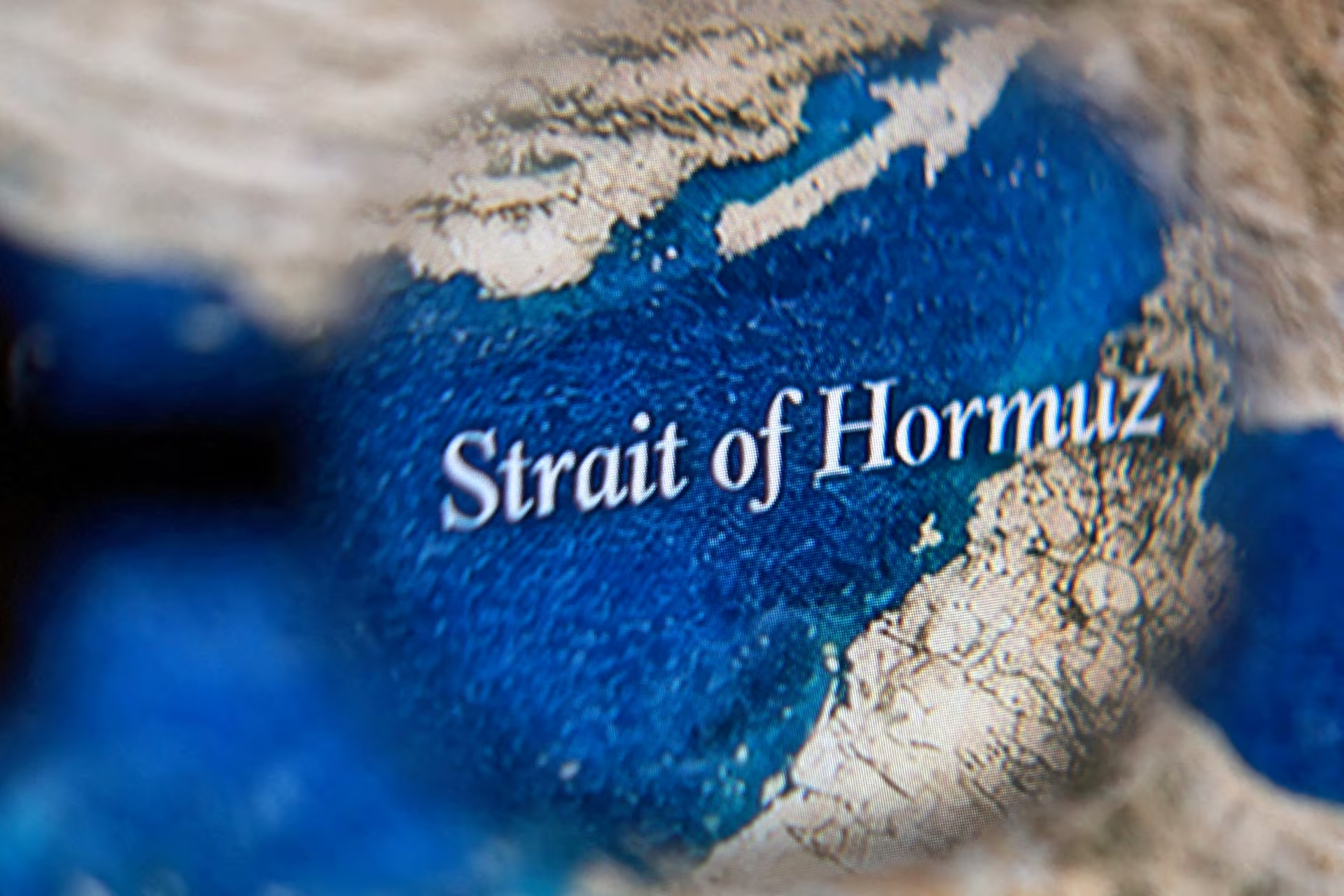
    Nearly 20% of the world’s oil supply transits the Strait of Hormuz. Iran is now seeking to profit from this vital waterway, not through military means, but via Bitcoin.

    A Geographically-Focused Platform

    On May 16, 2024, Iran’s Ministry of Economy launched Hormuz Safe, a maritime insurance platform enabling cargo operators to pay with Bitcoin and other cryptocurrencies instead of relying on traditional banking systems. Upon successful on-chain payment, cargo receives immediate insurance coverage and a digitally signed receipt. The platform targets ships traversing the Persian Gulf and the Strait of Hormuz, a critical global shipping route. Iranian media outlets have suggested the platform could generate over $10 billion annually, although no official figures have been released to substantiate this claim.

    Bypassing the Dollar

    For years, Western sanctions have restricted Iran’s access to the global banking system, limiting its use of tools like SWIFT and dollar-denominated transactions. Hormuz Safe aligns with Iran’s broader strategy of utilizing cryptocurrency as a workaround. Reports indicate the country has been exploring Bitcoin, stablecoins, and blockchain technologies to facilitate trade despite these restrictions. The platform aims to capitalize on existing traffic through the Strait of Hormuz, rather than resorting to threats to disrupt the shipping lane during periods of heightened tension.

    Early Stage, Significant Concerns

    Despite the attention surrounding its launch, Hormuz Safe remains in its nascent stages. Reports indicate the platform currently has only a basic online presence, and crucial legal and technical details remain unresolved. The primary concern for potential customers is the risk of sanctions exposure. U.S. regulators have a history of pursuing companies that engage in business with Iranian state-linked entities. Any shipping operator utilizing the platform could face secondary sanctions or compliance issues in their home countries. Furthermore, insurance certificates issued through an Iranian crypto platform may not be recognized by ports and regulatory bodies in other nations. Hormuz Safe is an early-stage initiative that has garnered more attention than actual business activity. Nevertheless, it reflects a growing trend: cryptocurrency is increasingly becoming a tool for nations seeking alternatives to financial systems that have historically been used against them.

  • Early Ripple Partner Joins X Money Initiative

    Early Ripple Partner Joins X Money Initiative

    Ripple’s early push into banking partnerships may be finding renewed relevance in an unexpected arena. One of its long-standing collaborators has re-emerged at the heart of X Money, the payments initiative linked to X’s broader ambition to become a global financial super app. What once served as a bridge for Ripple’s cross-border settlement network is now part of the infrastructure aimed at scaling digital payments to a massive user base.

    How a Ripple-Linked Bank Became Part of Elon Musk’s Payment Push

    A banking partner linked to Ripple from the company’s early expansion phase has now surfaced within Elon Musk’s X Money ecosystem. RippleXity revealed on X that Cross River Bank, one of the first U.S. banks to integrate Ripple’s payment protocol back in 2014 for real-time cross-border transfers between the U.S. and Europe, is now powering part of X Money’s beta rollout through its regulated banking services.

    The same Cross River Bank that reportedly issues the Visa Debit and Flex Cards appears in X Money’s beta program. With X building its payments layer through regulated banking and card infrastructure, this places a Ripple-linked financial institution within Musk’s expanding digital payments infrastructure.

    Furthermore, the development has quickly drawn attention across the XRP community because it creates a direct historical overlap between Ripple’s early settlement technology and X Money’s regulated banking framework. While there is still no official confirmation of XRP integration within X Money, many see Cross River Bank’s role as a significant connection that is difficult to dismiss.

    Ripple Prime Revenue Surges Despite XRP Trading Below All-Time High

    Although XRP continues to trade below 50% of its all-time high, Ripple’s broader infrastructure business appears to be gaining momentum behind the scenes. A technical analyst known as ChartNerd has noted that institutional adoption across Ripple’s ecosystem is accelerating, with Ripple Prime emerging as one of the company’s strongest growth drivers.

    The platform reportedly tripled its revenue over the past 12 months, processed more than 60 million transactions, and now clears over $3 trillion annually while operating across the United States. This is just one component of a broad infrastructure stack that Ripple is building during a bear market, and the projects being built now will accelerate the next bull run.

    Ripple and XRP have been building this infrastructure for over a decade, from surviving regulatory battles and securing a major victory against the SEC to expanding XRP Ledger functionality. XRP rules as a commodity, expanding XRPFI and DeFi capabilities, strategic acquisitions, banking partnerships, and strengthening its global infrastructure through XRPL upgrades. With more than 300 institutional clients and increasing global licensing approvals, these fundamentals have never been stronger, and clarity is on the horizon.

  • VALR Plans Expansion into Kenya

    VALR Plans Expansion into Kenya

    VALR Sponsors Kenya Blockchain & Crypto Conference

    Johannesburg, South Africa, May 18th, 2026 – VALR, a leading digital asset infrastructure provider in Africa, served as a diamond sponsor of the Kenya Blockchain & Crypto Conference held in Nairobi on May 14th and 15th, 2026.

    Peter Mwangi, VALR’s newly appointed Country Manager for Kenya, delivered a keynote address outlining his vision for Kenya as a burgeoning digital asset hub on the African continent. He drew parallels between the country’s early adoption of mobile money and the opportunities in digital asset payments, financial inclusion, and infrastructure. Shelley Havemann, VALR’s Head of Payments, participated in a panel discussion on stablecoins, the future of payments, and VALR’s role in transforming finance.

    VALR also hosted a meetup in Nairobi for financial business leaders to explore partnership opportunities. These activities highlight VALR’s strategic focus on Kenya and its support for the country’s emerging digital asset ecosystem.

    Kenya’s Digital Finance Leadership and Regulatory Advancements

    Kenya is recognized for its early adoption of mobile money, which has driven significant advancements in financial inclusion, payments, and broader economic participation across the continent. Recent regulatory developments have strengthened this foundation. The Virtual Asset Service Providers (VASP) Act was enacted in October 2025 and came into force in November 2025. The finalization of the supporting 2026 VASP Regulations under the Capital Markets Authority establishes a clear licensing and oversight framework. This framework aligns Kenya with international standards, promotes investor protection and responsible innovation, and creates a solid base for digital asset growth. These steps reinforce the vision outlined in Mwangi’s keynote and position Kenya as an increasingly important digital asset market in Africa.

    VALR’s Scale, Infrastructure, and Innovation

    Founded in Johannesburg in 2018, VALR quickly became South Africa’s largest crypto exchange by trading volume and has since developed into Africa’s leading digital asset infrastructure provider. VALR processes more than $15 billion in stablecoin volumes annually and consistently ranks among the top 10 global minters of USDC. The platform serves over 1.8 million registered users and more than 2,000 corporate and institutional clients, including companies listed on the JSE and Nasdaq.

    VALR offers institutional-grade infrastructure, including API integration, multi-account management, governance controls, an OTC desk, staking, lending, borrowing, VALR Pay, and crypto-as-a-service solutions. The company also recently launched its AI Service, which features a chat assistant for market analysis, account insights, and support, together with open API support for autonomous AI agents under the open Agent Skills Standard.

    Through its conference participation and Nairobi meetup, VALR is bringing its expertise and infrastructure directly to Kenyan institutions and the wider African market. VALR welcomes discussions with Kenyan financial institutions and businesses interested in partnership opportunities.

    About VALR

    Founded in 2018 and headquartered in Johannesburg, VALR is a global crypto exchange and the leading digital asset infrastructure provider on the African continent. It is backed by investors including Pantera Capital, Coinbase Ventures, and Fidelity’s F-Prime Capital. VALR offers a comprehensive suite of products, including Spot Trading, Spot Margin, Perpetual Futures, Staking, Lending, Borrowing, OTC services, VALR Invest, Crypto Bundles, and VALR Pay. Licensed by South Africa’s FSCA, with regulatory approval in Europe, VALR serves over 1.8 million registered users and 2,000 corporate and institutional clients worldwide. The exchange is dedicated to advancing a just financial future that upholds human dignity and the unity of mankind.